
Category: General

Report: US-made 3-row electric SUV is Toyota Highlander EV
The Toyota Highlander midsize SUV could go all-electric, while the Grand Highlander would continue with internal-combustion engines, according to a new report from CarBuzz.
This is part of a strategy to replace the alphanumeric naming scheme used by the Toyota bZ4X—currently the only EV in Toyota’s U.S. lineup—for more conventional names, according to the report. Just as the current Highlander shares underpinnings with the Lexus RX, the Highlander EV could have a Lexus sibling, potentially called TZ, according to the report.
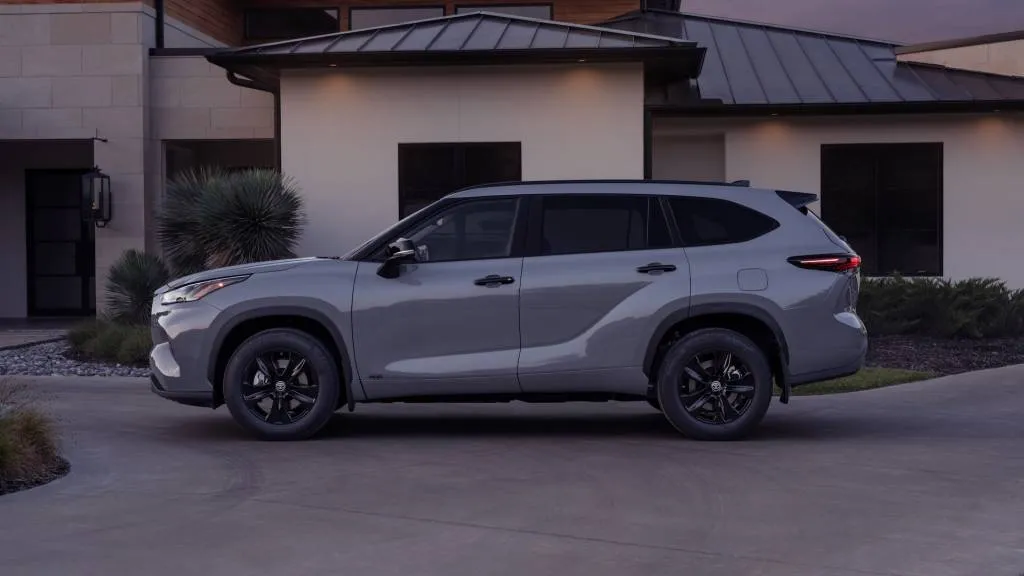
2024 Toyota Highlander Hybrid
Meanwhile, the Grand Highlander, which just debuted as a 2024 model, would reportedly continue with a mix of powertrains similar to those of the current version, which is available in gasoline and hybrid forms.
Toyota confirmed a 3-row electric SUV in 2023, due for 2025 production in Kentucky. It also upped investment in the Kentucky plant earlier this year to support assembly of this model, including the addition of a battery assembly line that will be supplied with cells from another Toyota facility currently under construction in North Carolina.
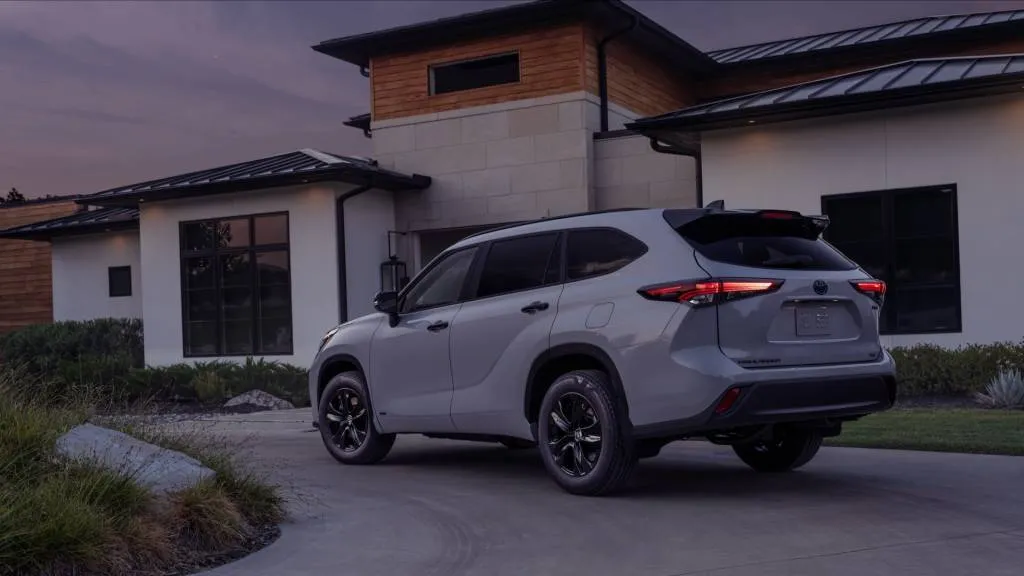
2024 Toyota Highlander Hybrid
Toyota also showed the Land Cruiser Se concept SUV last fall. While we expected that to be the look of the Kentucky-built three-row SUV, maybe in production it will instead look more like the Highlander.
The current-generation Highlander isn’t available with a plug-in hybrid powertrain like the smaller RAV4, but the Highlander Hybrid earns a respectable 36 mpg combined with front-wheel drive. The Highlander was last redesigned for the 2020 model year, so it is due for an update. So if Toyota really is planning a switch to an all-electric powertrain, we may get official confirmation soon.

Lucid Air charging boost, Mercedes range extenders, EVs losing money: Today’s Car News
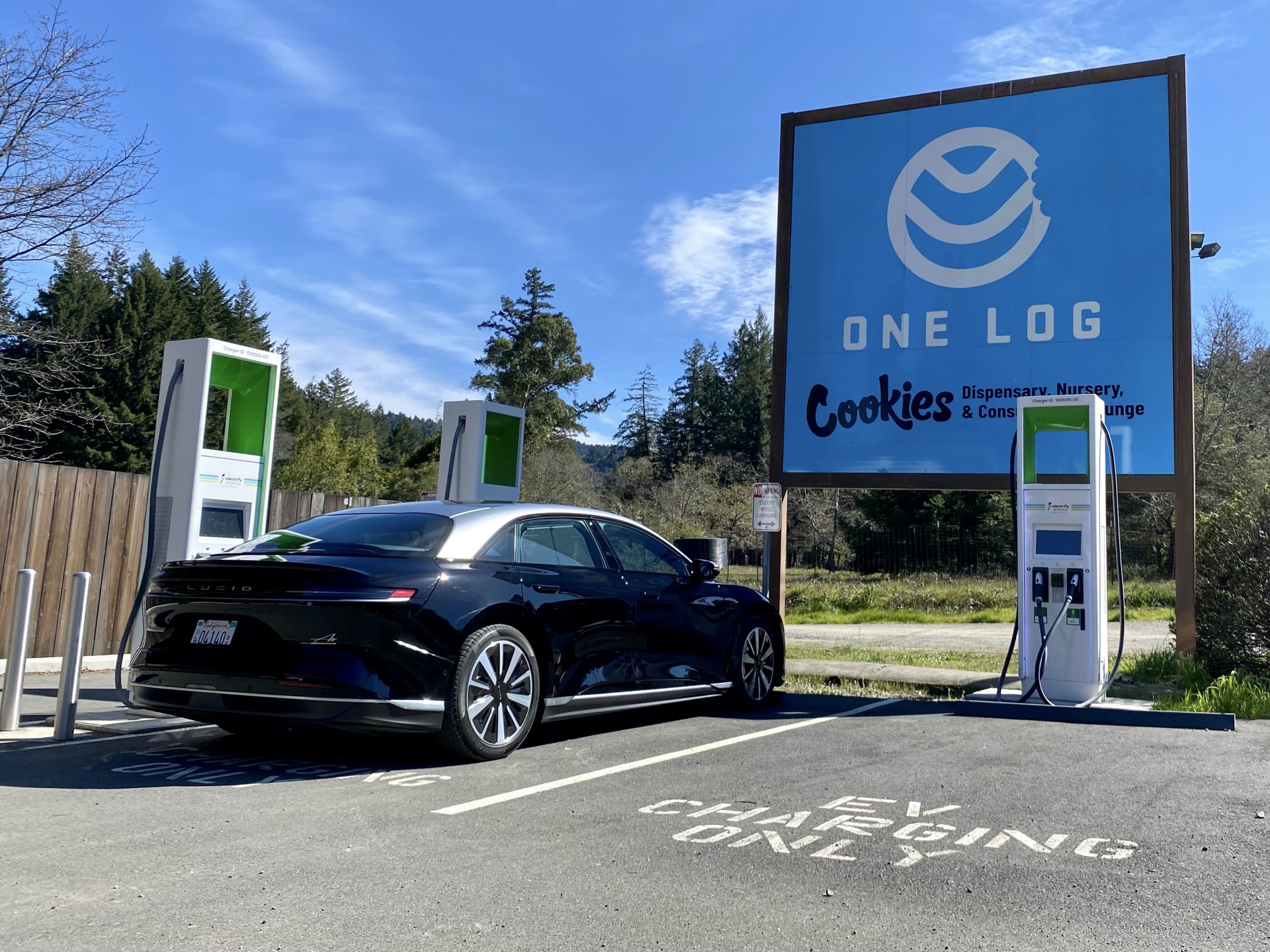
Lucid adds a heat pump and subtracts charging time for its range-leading Air electric sedan. Mercedes-Benz might not see what Ram sees in a plug-in range-extended vehicle. And why is each EV still losing thousands to full-line automakers? This and more, here at Green Car Reports.
The 2024 Lucid Air Grand Touring is now being delivered, and once again it hits a 516-mile EPA range—the best of any EV. But with the addition of a head pump, improved automatic preconditioning, and up to 30% faster DC charging, it’s likely to cut the time spent at road-trip charging stops even more.
Mercedes-Benz has reportedly scrapped its extended-range EV powertrains under development, at least partly because they were too expensive and seen as a technological patch. The plug-in series hybrids would have used dramatically downsized engines—a turbo-2 for the EQS—while halving the EV battery pack.
And if $50,000 EVs still lose $6,000, according to a recent analysis, when will EVs become profitable? Various financial incentives will help; so will range and efficiency; but the simple answer may rest on production volume.
_________________________________

If $50,000 EVs still lose $6,000, when will EVs become profitable?
Legacy automakers are still losing thousands of dollars on many EV sales, according to newly published analysis from the Boston Consulting Group.
BCG estimates that most automakers lose around $6,000 on each EV they effectively sell for $50,000, that price accounting for any tax credits or other incentives the customer might be eligible for.
Automakers will only be able to close about half of that cost gap with technology choices, BCG estimates. Economies of scale created by ramp-ups of EV production will help, but won’t completely close the gap either, according to analysts, adding that this could be a problem for legacy automakers in the U.S. market if heavily-subsidized Chinese EVs ever break through here.

Factory Zero – GM Detroit-Hamtramck revamped for EVs
“Closing the cost-profitability gap will require help from elsewhere, whether through more aggressive efficiency programs, additional public support, or both,” according to BCG. One possibility floated by analysts is linking financial incentives to range or efficiency. And, as in most discussions of ways to grow EV adoption, expansion of charging infrastructure will likely be a factor as well.
This all a bit surprising, as several legacy automakers are already into the programs in which they were supposed to be turning a profit on EVs—or at least have it in sight.
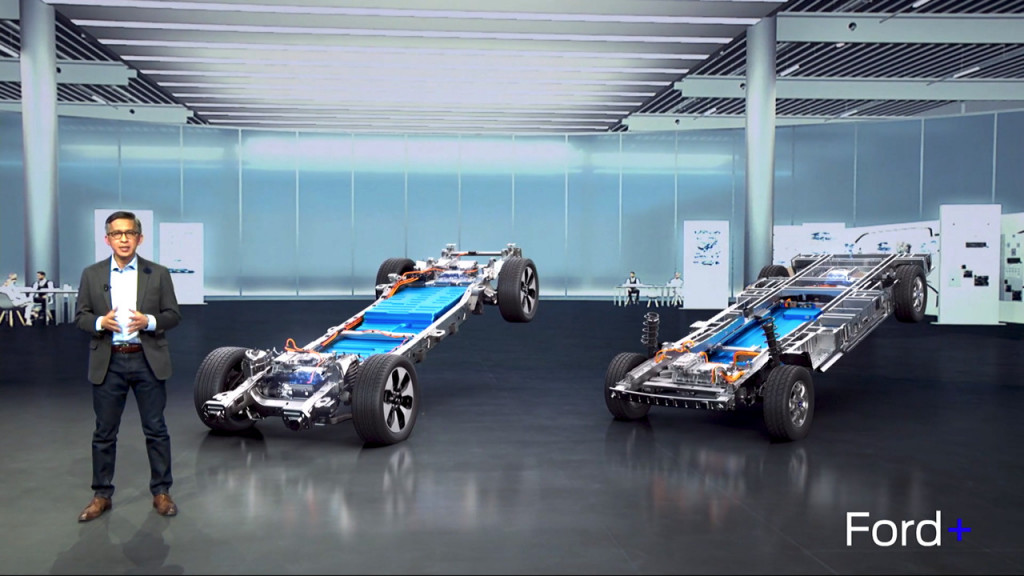
Ford EV platforms for mid-decade, presented by Hau Thai-Tang
General Motors, for instance, suggested in 2018 that it could make money on future EVs, by 2021, and then last year Mary Barra suggested it could already do it for models above $40,000.
The simple answer may rest on volume. GM was supposed to be producing hundreds of thousands of its Ultium EVs annually by now. Tesla is turning a profit on its EVs, but it definitely helps to have the bestselling vehicle on the planet and no legacy internal-combustion business to tend to. Ford in February announced a new strategy focusing on smaller, lower-cost EVs at higher volume, to tackle potential Chinese rivals.
Stellantis CEO Carlos Tavares has said that EVs cost the company 50% more to make, however, and it’s not a premium that can be passed along in the final price. A new round of incentives, a continued drop in EV battery prices, and other factors like tariffs aimed at blocking Chinese automakers from importing cars from Mexico could also change the profitability equation for U.S. automakers.

Report: Mercedes pulls the plug on range-extended EV possibilities
Mercedes-Benz is scrapping extended-range EV powertrains after tests of prototypes, according to an Autocar report citing an anonymous source with knowledge of the matter.
Mercedes built and tested some prototypes based on existing models, “concluded that the range-extender drivetrain is a transitional technology with a relatively short-term benefit in terms of sales and comparatively high production costs,” the source told Autocar.
One of the prototypes was reportedly an EQS with a front-mounted 1.0-liter turbo-2, reported to be essentially half of the M254 2.0-liter turbo-4 currently used throughout the Mercedes lineup. This engine reportedly acted purely as a generator, supplying power to an electric motor rather than directly driving the wheels.
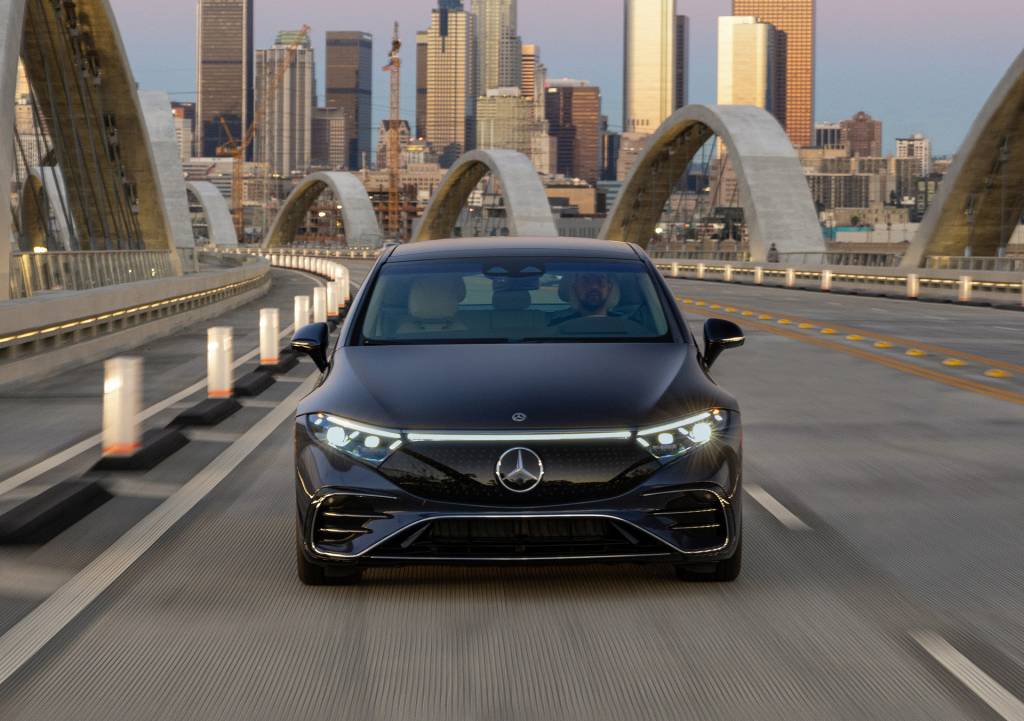
2024 Mercedes-Benz EQS
The engine ran on the Miller cycle to improve efficiency at the near-constant-rpm operation a range extender is likely to experience, as well as a front-mounted exhaust system for packaging efficiency, according to the report.
Propulsion was reportedly provided by a 268-hp rear-mounted electric motor, drawing power from a lithium-ion battery pack roughly half the size of a production EQS pack. As in other range-extended EVs, the battery could be replenished either by the internal-combustion engine/generator or via conventional AC or DC charging, per the report.
Autocar reports that combined range from both battery and fossil-fuel power was estimated by Mercedes to be beyond that of the EQS 450+ model. That’s the longest-range version of the production EQS, currently EPA-rated at 352 miles.
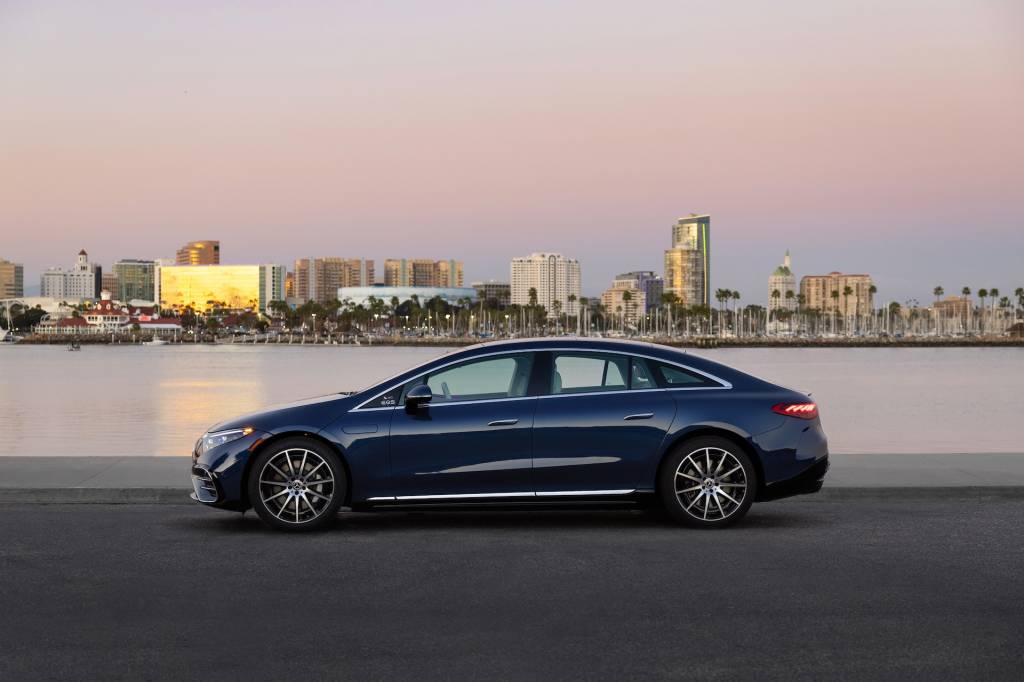
2024 Mercedes-Benz EQS 580 4Matic
Ram apparently knows some engineering tricks that Mercedes doesn’t. It says that it can pull this off in the Ram 1500 REV, while allowing the towing prowess of Ram’s non-electrified trucks. But other automakers have had less success with range extenders.
BMW used a range extender with its i3 REx, and at the end of the life cycle essentially said that the batteries had improved enough to push the idea to extinction. One of the few other vehicles to have used such a system is the Karma Revero—also called the GS-6 and, originally, the Fisker Karma.
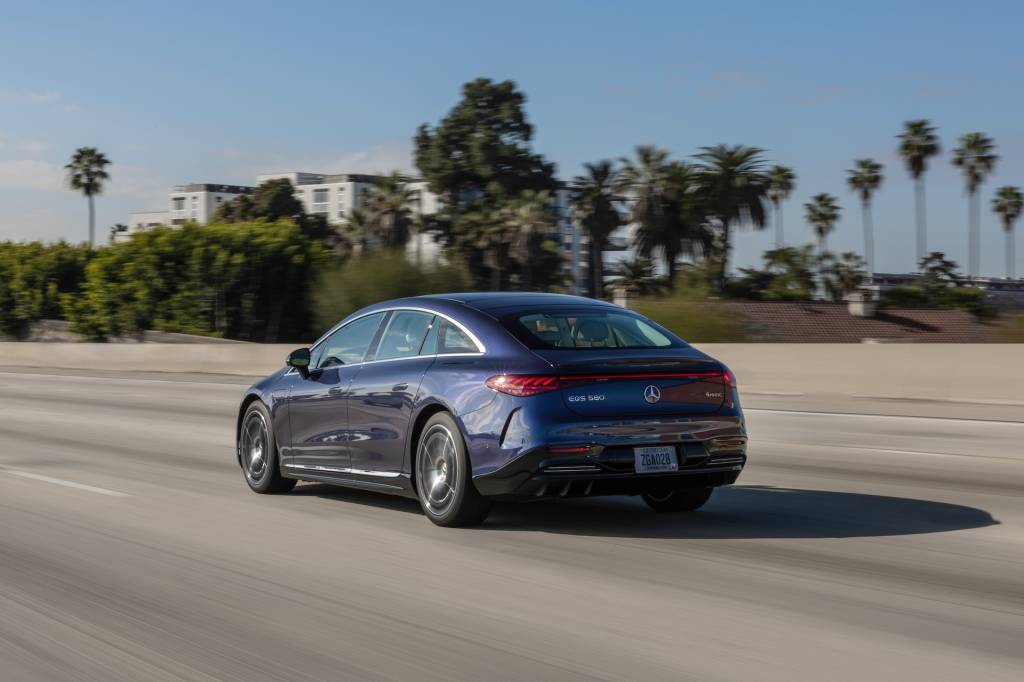
2024 Mercedes-Benz EQS 580 4Matic
Several years ago Infiniti envisioned its entire future around series hybrids with range extenders and downsized engines, such as this, with complementary full EVs sharing some of the components. But in 2021 it aborted that plan. In that case, the small combustion engine was set to be a 1.5-liter turbo-3 with special encapsulating noise insulation.
Mercedes has instead been shifting toward more plug-in hybrids, with DC fast-charging capability and larger batteries—but it hasn’t downsized the engines substantially yet on those.

2024 Lucid Air Grand Touring adds heat pump, charges up to 30% faster
The 2024 Lucid Air Grand Touring—the longest-range version of the Air luxury sedan—gets some small but notable changes for the current model year, Lucid announced Wednesday in a press release.
The Grand Touring is the second Air model to get a heat pump, after the high-performance Sapphire. As previously shown in other EVs, a heat pump generally means improved efficiency in cold weather, on longer trips. That helps solve some of the issue of cold-weather range loss in EVs.
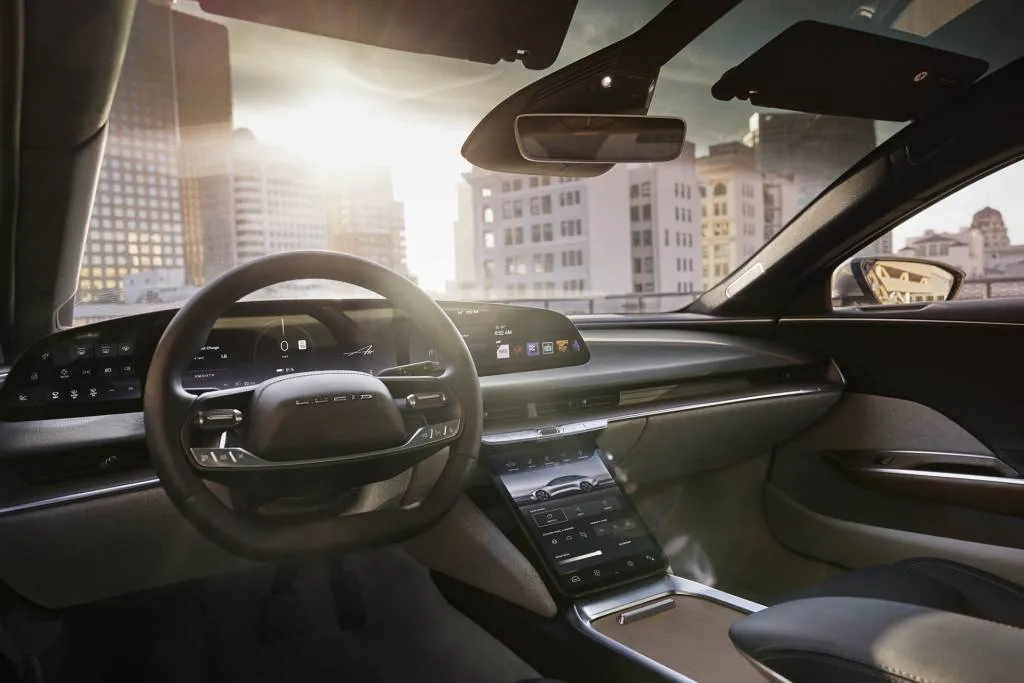
2024 Lucid Air
Tesla insisted it didn’t need a heat pump and that its EVs might be less efficient with one—until it introduced one in 2023. Other models adding them in the past year have included the Mercedes-Benz EQS and EQE, and some versions of the Ford F-150 Lightning. General Motors plans to put heat pumps in every one of its Ultium EVs, and Rivian plans to add them soon.
Lucid also claims “about 15-30% faster DC charging” for the 2024 Air Grand Touring, as well as improved automatic battery preconditioning en route to the charging station to further maximize charging speeds (the Air also allows for manual preconditioning, which we appreciate).
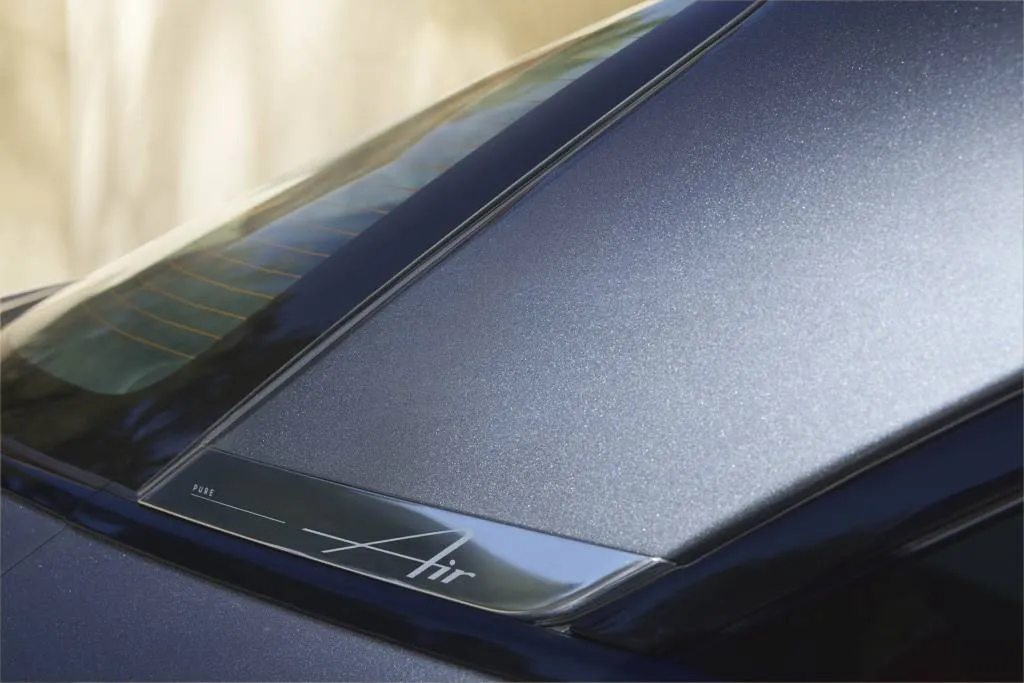
2024 Lucid Air
Changes to the motors, battery cell chemistry, and “thermal characteristics” also reduce waste heat, allowing for the Grand Touring “to perform at its best even during sustained spirited driving,” according to Lucid.
The Air Grand Touring retains its EPA-estimated 516-mile range and is priced at $111,400 with the mandatory $1,500 destination charge. It sits above the 419-mile Air Pure and 411-mile Air Touring, which start at $71,400 and $79,400, respectively, with destination. The 1,234-hp, 427-mile Air Sapphire starts at $250,500 with destination. These prices are essentially in line with cuts Lucid made in February.


Ioniq 5 N review, GMC Sierra EV arrival, Maserati EVs, Mercedes eSprinter: Today’s Car News
Maserati might have the first U.S. electric convertible in years. Mercedes adds lower-priced versions of its eSprinter. GMC sets the price, range, and more for the arrival of its Sierra EV pickup. And we look at how the Hyundai Ioniq 5 N gamifies its interface to actually make driving more enjoyable. This and more, here at Green Car Reports.
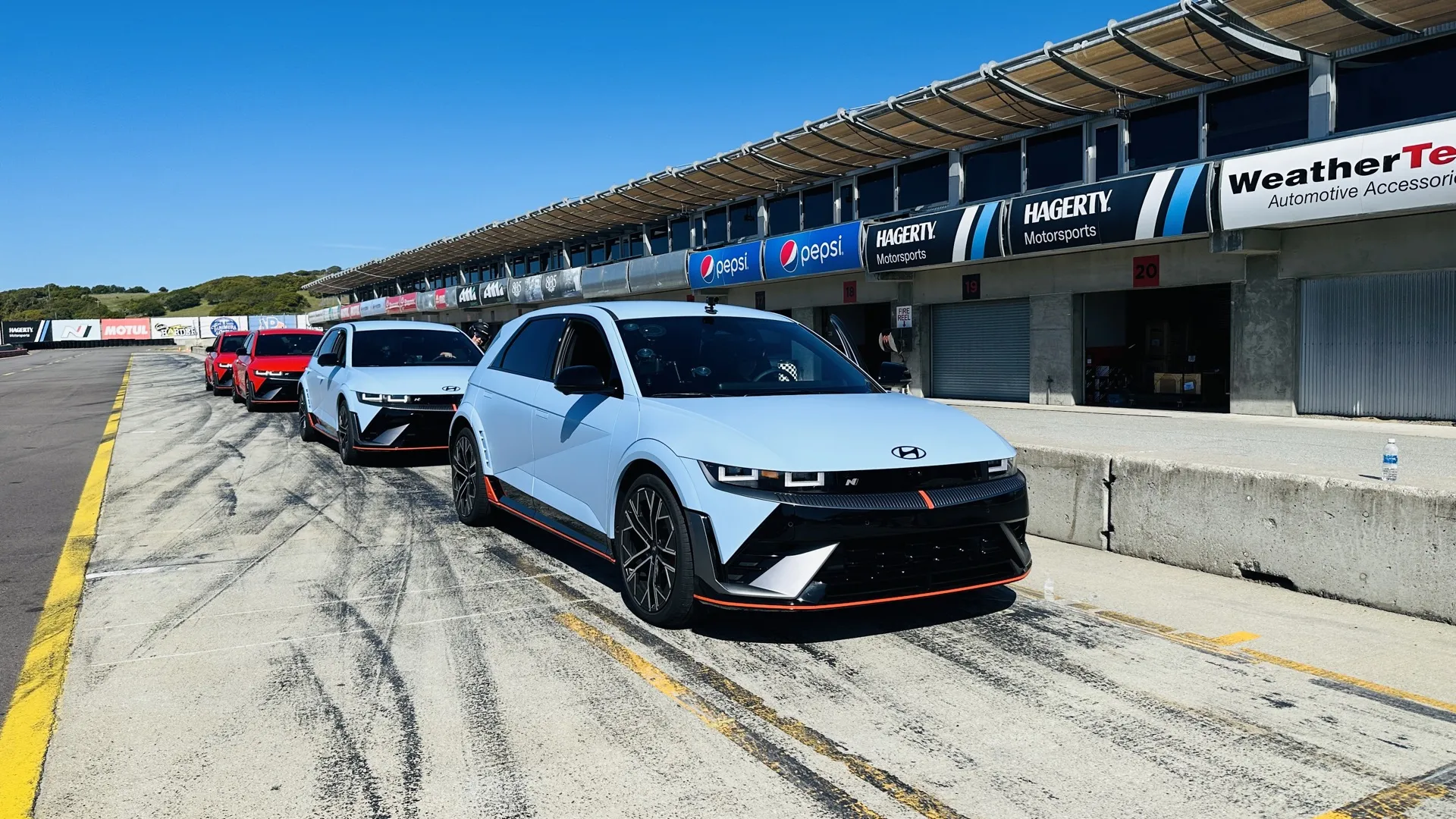
In a first drive of the 2025 Hyundai Ioniq 5 N, Green Car Reports found what might be a motorsports game-changer—an EV that brings more emotion and joy to high-performance driving, with the capability to keep its cool out on the track.
GMC has confirmed a starting price just under $100,000 and an EPA range of 440 miles for its top 2024 GMC Sierra EV Denali Edition 1 electric pickup. That includes four-wheel steering and CrabWalk capabilities, plus GM’s SuperCruise and the same very high-power charging rates as the GMC Hummer EV.
Mercedes-Benz announced pricing and details for its 2025 eSprinter electric van lineup, which includes a smaller 81-kwh battery pack and shorter standard-roof version at a base price of $63,545 that’s more competitive versus fleet-oriented rivals.
And the first U.S.-bound fully electric luxury convertible looks likely to come from Italy. The Maserati GranCabrio Folgore, revealed Monday, is due to arrive in America in the fourth quarter of the year, as a 2025 model, with a price above $200,000.
_________________________________

2024 GMC Sierra EV boasts 440-mile range, CrabWalk, lower price
GMC confirmed on Tuesday that the limited-edition launch version of its 2024 Sierra EV pickup will arrive in summer 2024—with about 10% more EPA range than originally suggested.
The full-size electric truck, touted to be the “Denali of EVs,” bears GMC’s top-luxury Denali badge and will offer a CrabWalk mode, unlike the top-trim 2024 Chevrolet Silverado EV RST also detailed earlier this month.
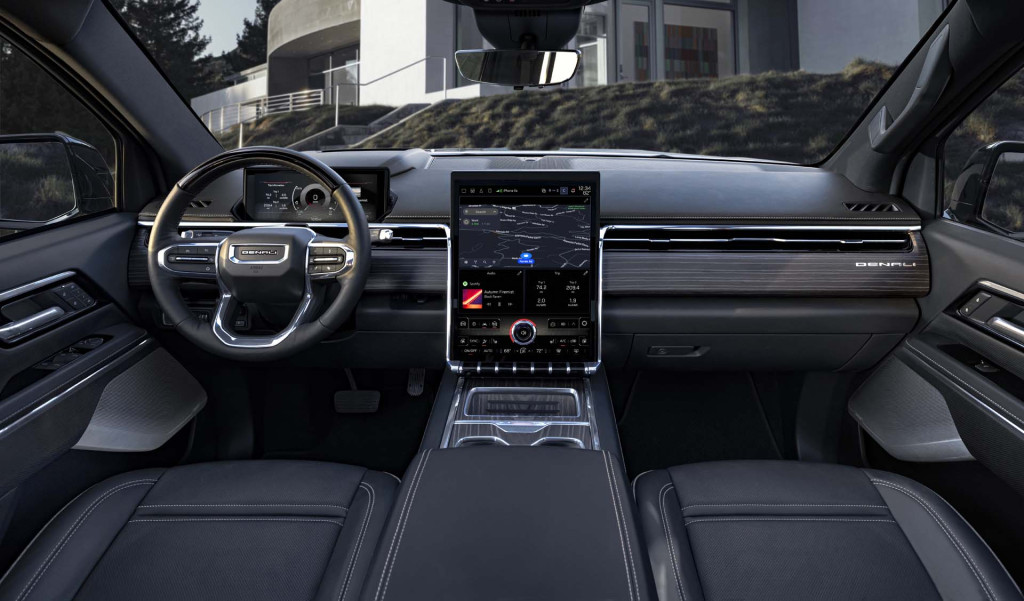
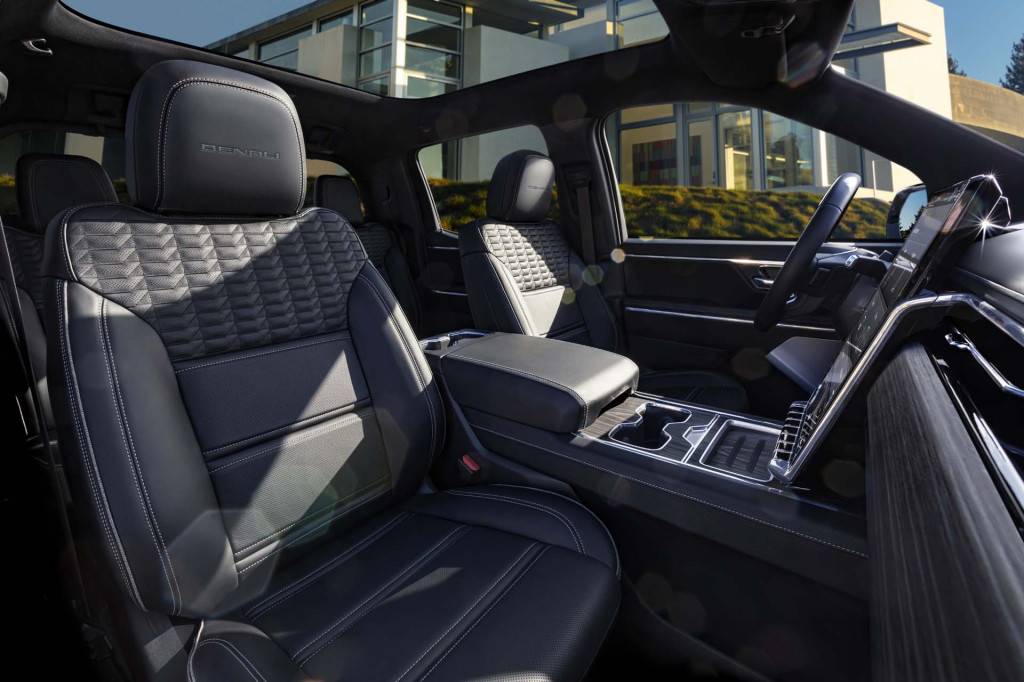
The top GMC Sierra EV Denali Edition 1 will arrive at a starting price of $99,495, including the $1,995 destination fee. That’s thousands less than the around-$107,000 price that was suggested when Green Car Reports first provided a Sierra Denali EV preview. The Edition 1 rides on huge 24-inch wheels and will include rear-wheel steering (enabling that CrabWalk mode), an air suspension enabling adjustable ride height, and a 16.8-inch touchscreen infotainment system. Super Cruise highway driver-assistance system, which has been expanded to include 750,000 miles of compatible U.S. and Canadian roadways, will be offered.
2024 GMC Sierra EV Denali Edition 1
2024 GMC Sierra EV Denali Edition 1
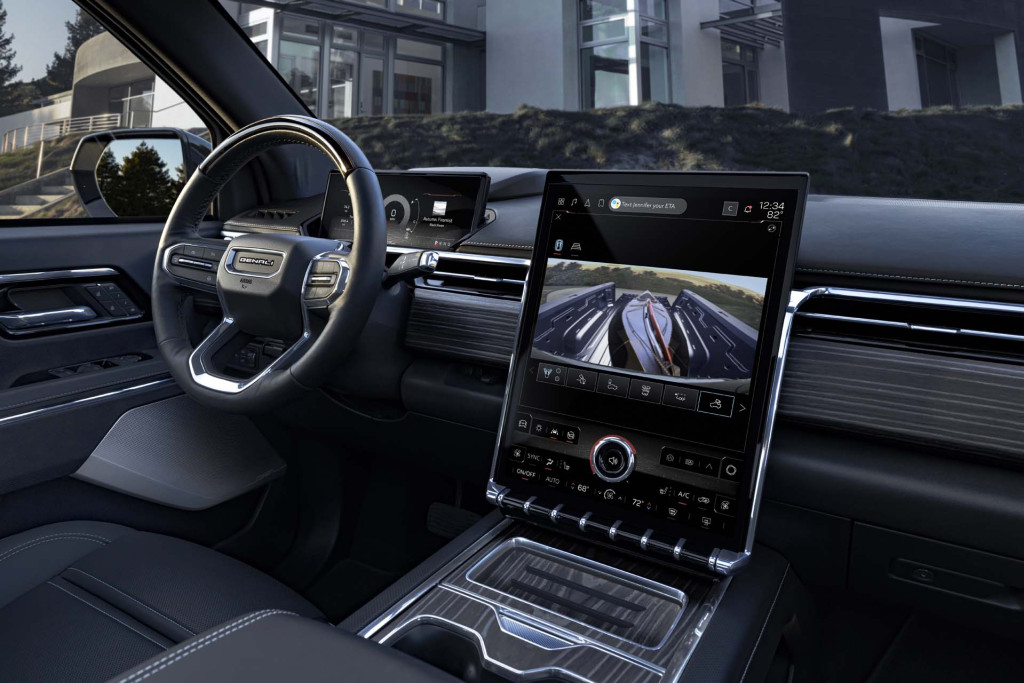
2024 GMC Sierra EV Denali Edition 1
With a dual-layer battery pack expected to be the same 205 kwh as top trims of the GMC Hummer EV, the GMC Sierra EV can take full advantage of 350-kw, 800-volt charging connectors, according to GMC, allowing up to 100 miles of range in 10 minutes.
The truck produces a “GM-estimated” 754 hp and 785 lb-ft of torque in its Max Power mode, and the automaker has provided a 0-60 mph time of 4.5 seconds. Towing capacity is expected to be up to 9,500 pounds, and bidirectional charging capability will allow it to export up to 10.2 kw of AC power for campsites, workplaces, or more yet to be detailed.
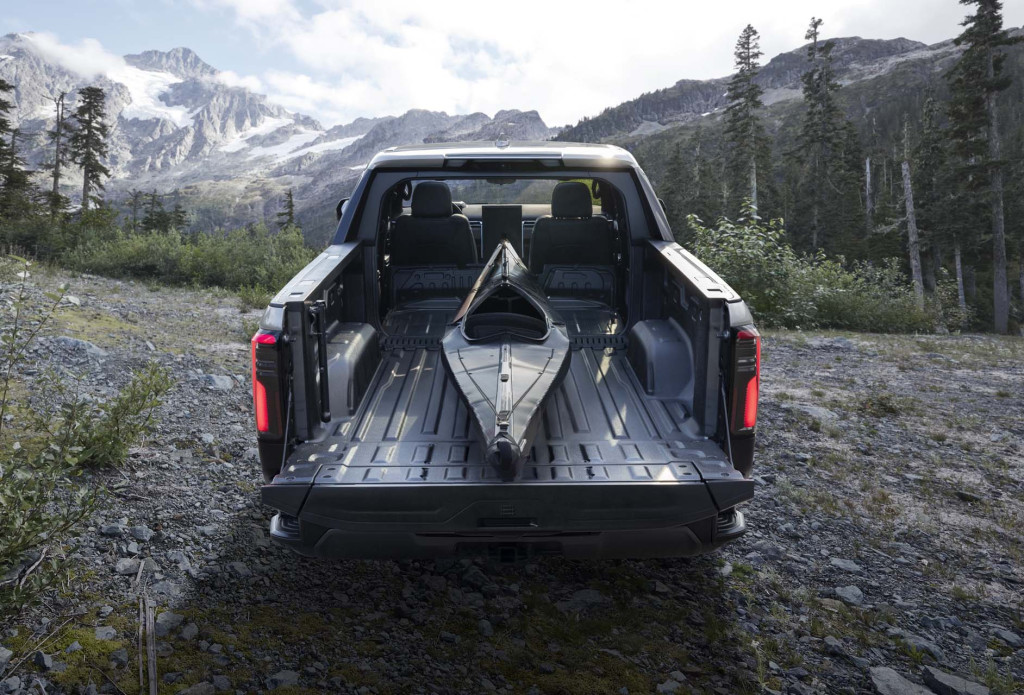
2024 GMC Sierra EV Denali Edition 1
Like the Silverado EV, the GMC Sierra EV offers a flexible midgate setup, allowing cargo items up to 11 feet long to fit without hanging out from the vehicle, by borrowing some of the cabin space and using the bed tailgate’s load-stop. There’s a front trunk—a frunk, in EV parlance—too.
The Sierra EV was revealed in December 2021 and at that time confirmed for a 2023 market arrival. GMC has suggested all along that it might not be the “high-volume entry” electric truck that GM CEO Mary Barra stressed in describing the Silverado EV. That likely means that work-truck variants planned for its Silverado EV sibling won’t be translated to the GMC side, although GMC had said that an off-road-focused AT4 model is on the way, as well as an entry Elevation trim for around $50,000. With the Denali’s lower price, perhaps the base truck will be more affordable, too.

Maserati reveals US-bound luxury electric convertible
The Maserati GranTurismo Folgore is getting a convertible sibling that will create a new EV market niche in the U.S.
Unveiled Monday, the Maserati GranCabrio Folgore is scheduled to arrive in the U.S. in the fourth quarter, as a 2025 model, with a price tag of more than $200,000 that will likely make it the first true luxury electric convertible for this market. It will also be the first electric convertible of any kind sold in the U.S. since the withdrawal of the Smart Fortwo Electric Drive Cabriolet and Tesla Roadster.
A straightforward convertible version of the GranTurismo Folgore coupe launched last year as Maserati’s first EV, the GranCabrio has a soft top that can be opened in 14 seconds, and closed in 16 seconds, while driving at speeds up to 31 mph. Operation is via a button on the center console or via gesture controls, by swiping and holding to the left or right on the touchscreen.
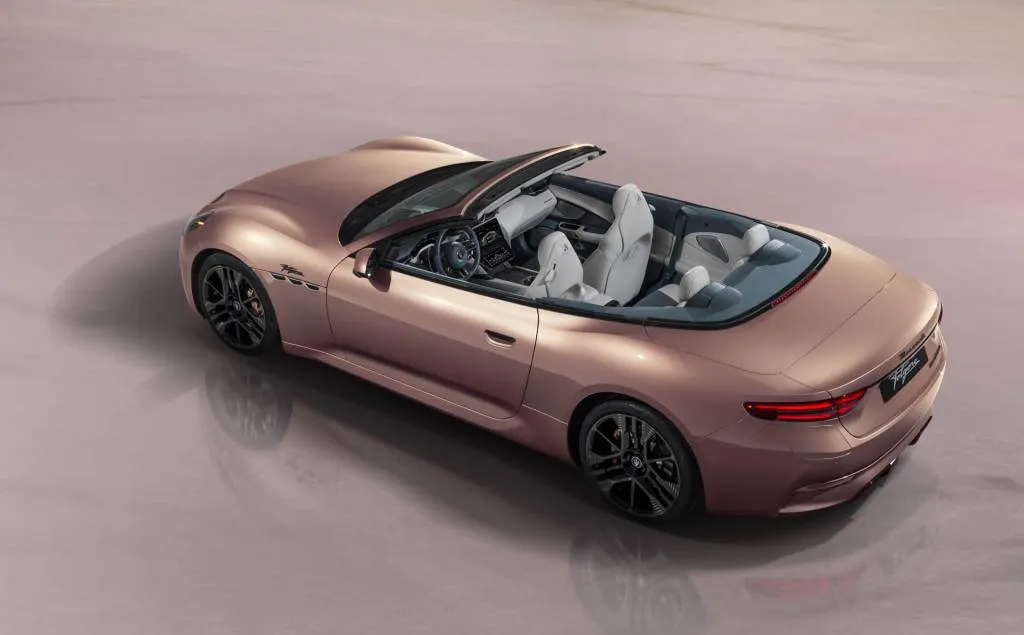
2025 Maserati GranCabrio Folgore
Said touchscreen measures 12.3 inches, and is paired with an 8.8-inch screen for climate controls. The leather-lined interior also features a 12.2-inch digital instrument cluster and standard neck warmers to make driving with the top down more pleasant in a wider range of conditions. The GranCabrio also has 5.3 cubic feet of trunk space, but that shrinks to 4.0 cubic feet with the roof stowed.
Three electric motors—one in front and two in back—are rated at 402 hp each. That adds up to a nominal output of over 1,200 hp, but actual output is limited to 760 hp by the inverters, silicon-carbide items Maserati claims for developed for Formula E racing. A synthesized soundtrack is provided, along with regenerative braking capable of a claimed 0.65 g of deceleration, but that stops short (no pun intended) of one-pedal driving.
Maserati estimates 0-62 mph in 2.8 seconds and a top speed of 180 mph, compared to 2.7 seconds and 199 mph for the GranTurismo Folgore coupe. So while the GranCabrio Folgore seemed like a potential rival for the next-generation Tesla Roadster, it’s not quite in that realm of performance. It should be more luxurious though, and adjustable rear torque vectoring available in the Corsa drive mode (one of four, along with Max-Range, GT, and Sport) bodes well for handling.
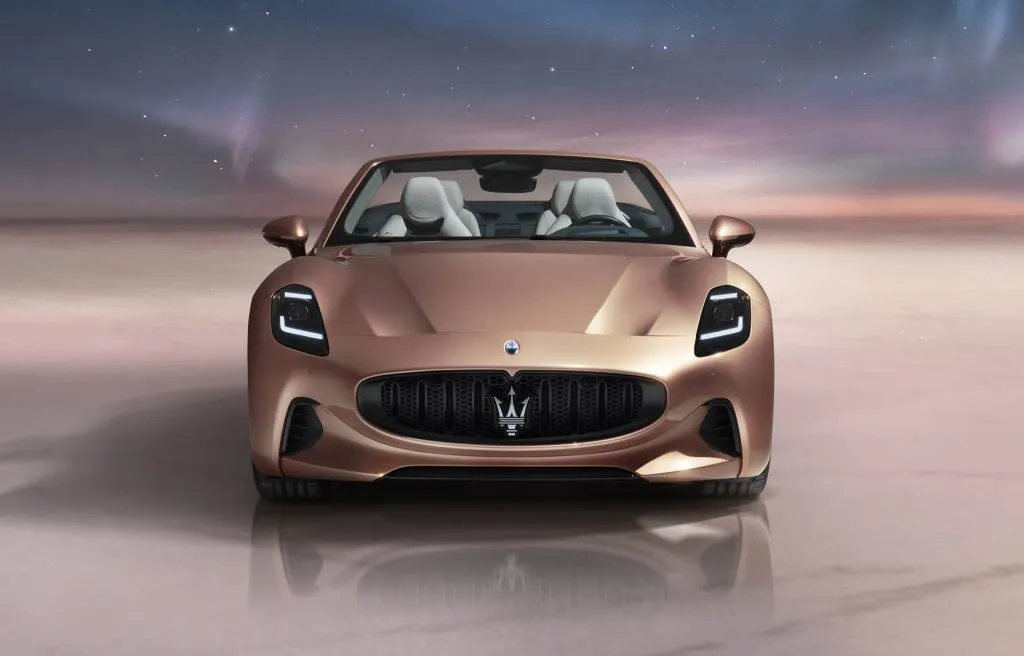
2025 Maserati GranCabrio Folgore
A 92.5-kwh (83.0-kwh usable) T-shaped battery pack sits in the driveline tunnel and behind the rear seats, ensuring a 50:50 weight distribution. EPA range is not certified yet, but Maserati estimates about 250 miles. An 800-volt electrical architecture allows for DC fast-charging speeds that can accomplish a 20%-80% charge in 18 minutes, according to Maserati.
Following the GranTurismo and GranCabrio, Maserati plans to launch an all-electric Folgore version of the Grecale SUV, its current entry-level model. These are the first steps toward goals of having electric versions of all models by 2025, and phasing out combustion engines by 2030.
Carlos Tavares, the CEO of Maserati parent Stellantis, has said that EV tech is the choice technology of politicians, not industry, so will Maserati be able to inject the right kind of feeling into these vehicles? Or is it merely appeasing regulators.