
Category: General

Hyundai hybrids, Emily GT, Polestar battery test, charger reliability: Today’s Car News
Hyundai reneges on the promise of an all-EV plant. Polestar tests a different kind of battery at the charger. Federal researchers see ways to make fast-charging more reliable. And the EV with Saab roots might be made in Italy. This and more, here at Green Car Reports.
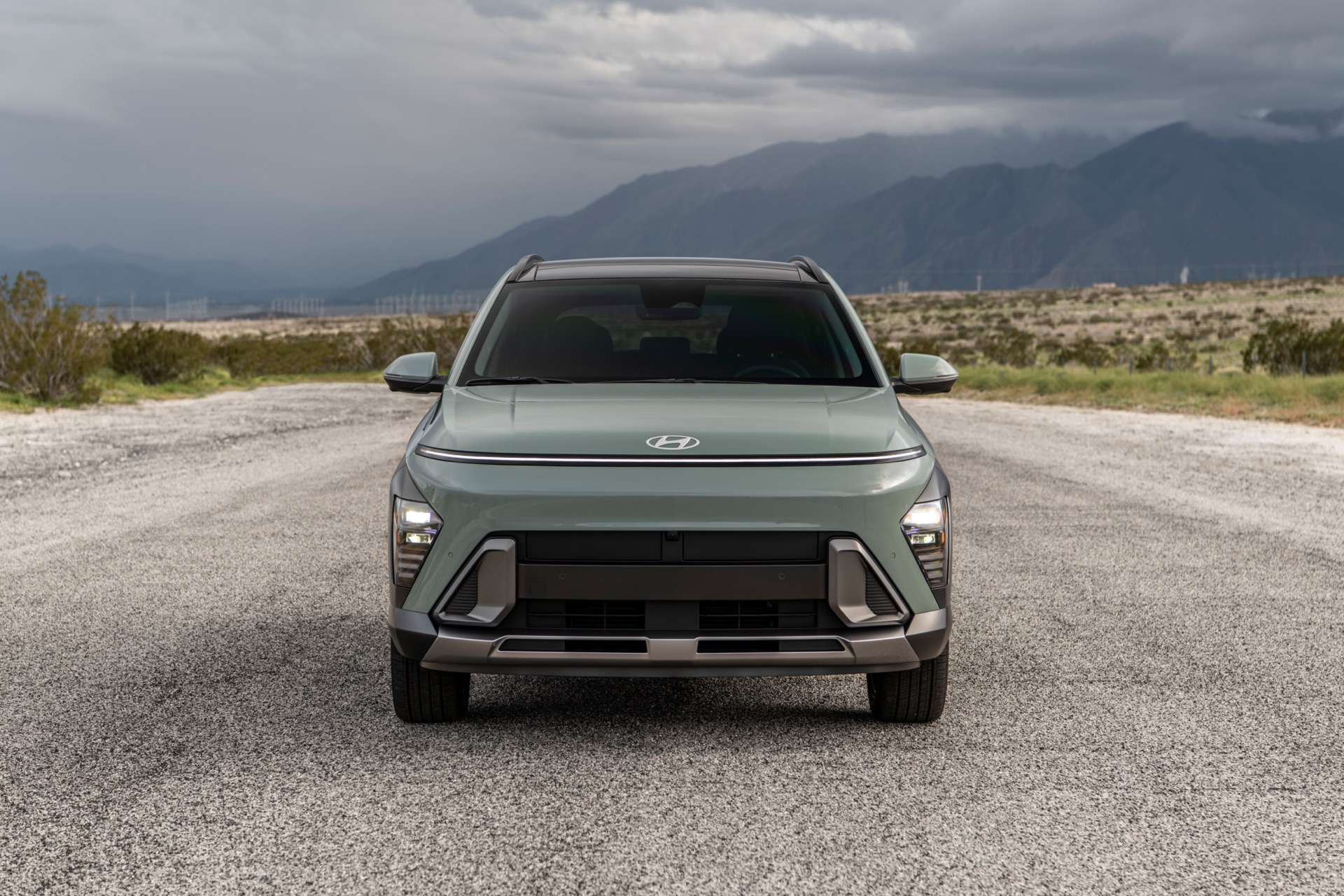
Hyundai last week confirmed that its Metaplant in Georgia, once due to be a dedicated EV plant, will also get U.S. production of more hybrid models, as part of an effort to expand the range of hybrid trims of its gasoline vehicles.
Polestar reports that with StoreDot’s “silicon-dominant” cells it has a prototype EV capable of 10-minute 10-80% charging. Although it might still be years away from large-scale production and the Polestar 5 used as a basis for the testing will launch with different batteries, it’s a proof point for the tech.
The company behind the Emily GT EV, engineered by a braintrust of former Saab engineers, might build it in Italy, as part of a whole electric vehicle family with other body styles including a wagon, coupe, and convertible.
And according to a recent brief from Department of Energy researchers at Oak Ridge National Laboratory, more flexible controls and a gas-station-like layout might go a long way in boosting EV charging station reliability.
_________________________________

Polestar reports drivable EV with 10-minute 10-80% charging
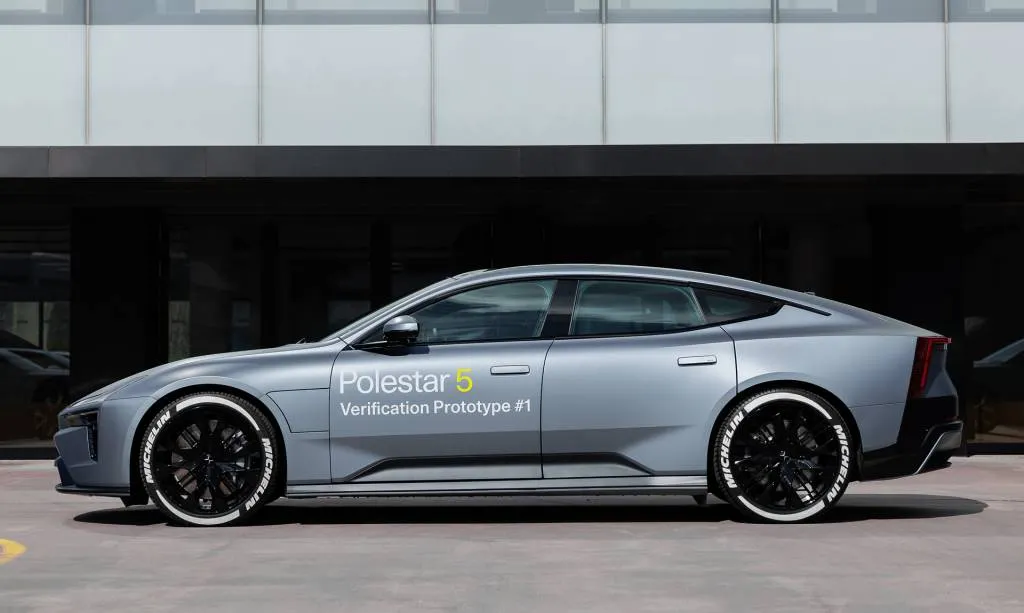
Polestar has announced that prototype cells fitted to a version of its upcoming Polestar 5 flagship EV have been able to do a 10-80% charge in just 10 minutes.
Polestar said last year that it would place the tech in a prototype Polestar 5 gaining 100 miles in 5 minutes—this project—by 2024, and it appears to have exceeded the original target. In the drivable Polestar 5, fitted with a “specially commissioned” 77-kwh battery pack, the pack has demonstrated that charge rate.
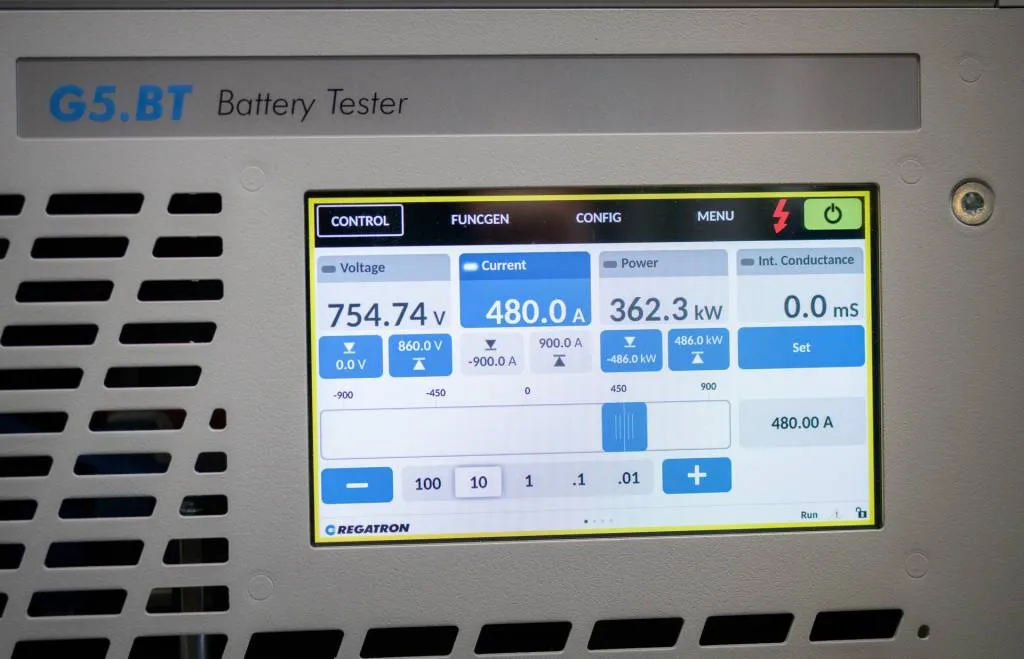
With this project, Polestar fitted StoreDot’s “100-in-5” XFC cells into the prototype Polestar 5 via a prototype Polestar battery module. It claims to have charged the resulting pack at a starting charge rate of 310 kw and a peak of 370 kw.
Polestar 5 prototype
The cells aren’t the all-solid-state cells that Toyota, Nissan, Honda, and others are targeting for later in the decade. But these “silicon-dominant” cells, delivered in their first test samples for automakers in 2021, are a further evolution of the lithium-ion cell tech common in EVs. StoreDot says it’s transformed them “by innovating and synthesizing proprietary organic and inorganic compounds, optimized by Artificial Intelligence algorithms.”
Polestar underscores that while energy density is on par with current nickel manganese cobalt (NMC) lithium-ion cells, these don’t require “specialist cooling systems.” The companies have previously said that this aspect could cut hundreds of pounds of weight from complete EVs, but it’s unclear if that means the test Polestar 5 is going without a liquid cooling system.
Polestar 5 prototype
That said, it’s unlikely that the tech would be installed in a production model anytime soon, and the production Polestar 5 will get a different battery pack. With this test Polestar 5, the brand now needs to see if such a cell would be durable and reliable as part of the thermal demands of a large electric vehicle battery pack. In 2022 the companies said that StoreDot was seeking mass-production of EV-sized batteries of such tech by 2024.
BP is an investor in StoreDot, and Polestar also holds a stake; a “strategic collaboration” with Volvo will also result in real-world testing with that related brand.

Report: EV Electra aims to make Swedish-engineered Emily GT in Italy
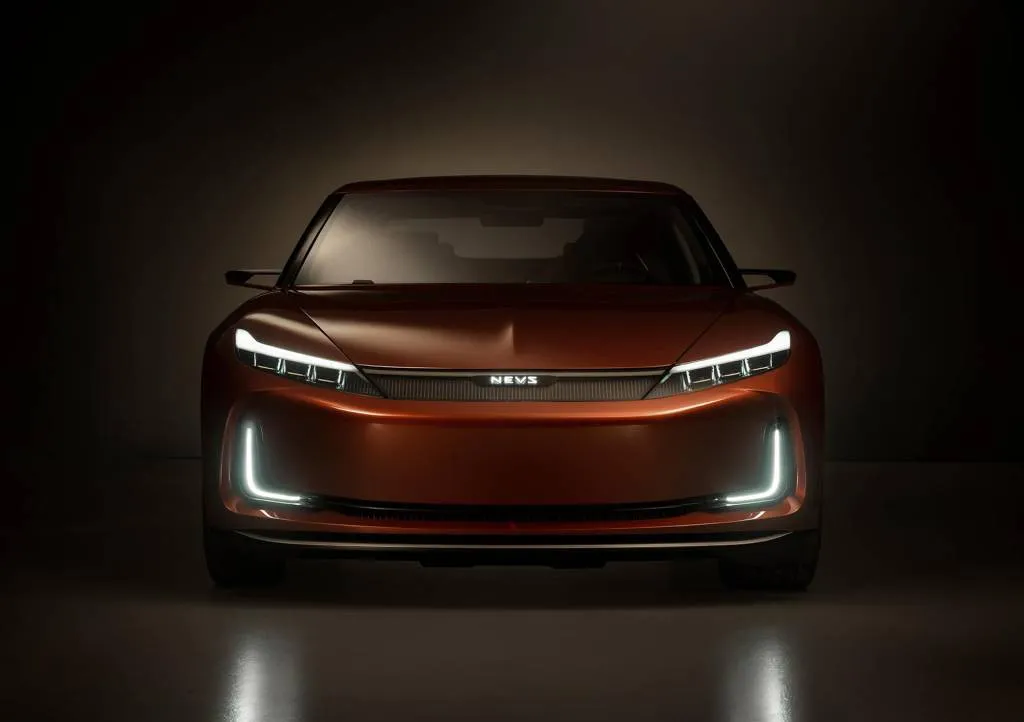
The Emily GT, an electric sedan prototype created by former Saab engineers in Sweden with Chinese funding, may see production in Italy under the auspices of a Canadian startup, reports Autocar.
The startup in question is called EV Electra, and it has just had an offer to buy an Italian factory approved, CEO Jihad Mohammad said in a LinkedIn post. EV Electra had previously discussed plans to build cars in Turkey, as well as the former Saab factory in Trollhättan, Sweden, but the startup failed to agree on a deal with the factory’s current owner, according to Autocar. Saab’s former development center, meanwhile, is now being used for work on the Polestar 5.
NEVS Emily GT prototype – Photo credit: Plint/Protean
EV Electra has shown renderings of other body styles beyond the initial sedan, including a wagon, coupe, and convertible. It’s also shown a sports car called the Rise and a luxury sedan called the Capital ES. In separate LinkedIn post, Mohammad said the startup is already moving on to choosing dealers, and expects to begin delivering at least one of these proposed models in August 2024.
The Emily GT originated under NEVS, which bought the remains of Saab—including its future product development—after the Swedish automaker went bankrupt in 2011. NEVS planned four EVs for China based on the Phoenix platform that was going to underpin the next-generation Saab 9-3, plus an electric version of the old 9-3 and 9-3X using that model’s General Motors legacy platform. A version of the latter was publicly shown in 2017.
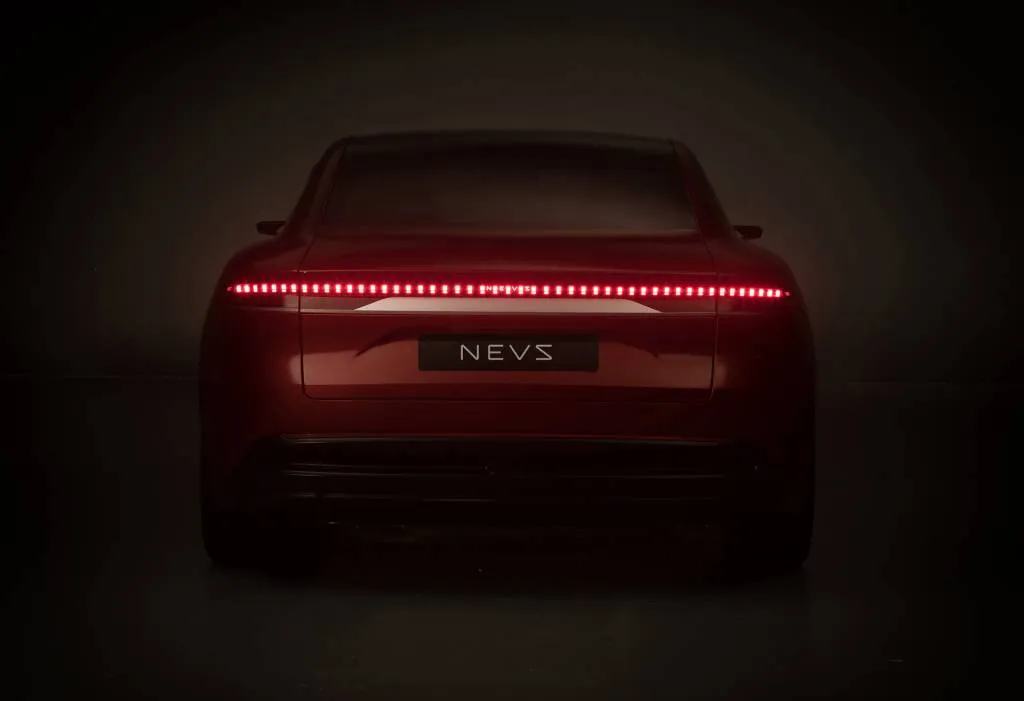
NEVS Emily GT prototype – Photo credit: Plint/Protean
Similar in size to the Tesla Model S or Lucid Air, the Emily GT was created with those Saab roots as a demonstrator for Protean in-wheel motors, rather than a production model. China’s Dongfeng Fengshen E70 recently became the world’s first passenger vehicle to use them. Protean just this past week also showed a Land Rover Defender EV conversion taking advantage of the tech as part of weight-saving measures.
Development reportedly started in 2019, with the first prototypes reportedly being completed in 10 months. However, the Emily GT wasn’t revealed to the public until 2023. EV Electra bought the rights to the project, development of which had reportedly halted in 2021, that same year.

Flexible controls could boost EV charging station reliability
EVs and charging stations have aspired to provide EV drivers with something that rivals the turnaround time of gas stations.
While charge rates are important, reliability and simply being able to get a charge, ultimately, are perhaps more important points that some charging networks seem to have glossed over in the process.
According to a 2023 study, roughly 20% of EV public charging attempts fail. On the other hand, if there’s an issue at a gas pump that appears operational, it might run a little slower, but it typically won’t shut down completely, rendered inoperable.
A group of U.S. Department of Energy Oak Ridge National Laboratory (ORNL) researchers have kept that idea in mind with a project. They seek to get EV charging closer to that gas-station experience—by aiming to add resilience around two typical issues at high-power charging stations. And it appears building a little more flexibility into the station layout and controls might be all it takes.
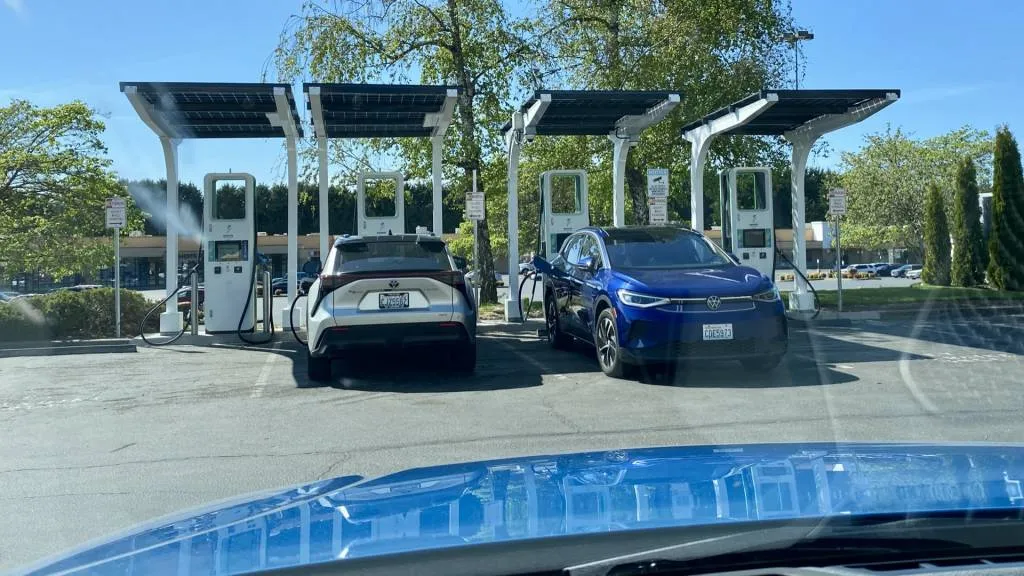
Electrify America station with 2 of 4 chargers inoperable – April 2024
Experts: EV charger shutdowns often unwarranted
As ORNL pointed out in an update on the efforts earlier this month, either of the two issues focused on by its team of researchers—sudden voltage drops to the station, or power fluctuations within chargers—can be remedied in a way that doesn’t shut out chargers until a maintenance visit or remote restart.
The solution to one of them, a sudden voltage drop, is as easy as a “ride through” algorithm that restores power seconds later when it typically returns. As they point out, that not only helps the end user but also helps assure there isn’t a corresponding voltage surge.
Presently, such a voltage drop can render chargers useless, requiring a maintenance visit to re-activate them when the equipment is fine.
Inside the charging cabinet, a charger may also shut down due to a fault when one of its three power modules has an issue. According to the researchers, looking at algorithms, it would better serve customers who simply need a charge if the control strategy allowed the other two to compensate somewhat and provide reduced overall power until a repair, rather than shutting down.
You’d be more satisfied if you got a charge, with an apology that is was a bit slower than usual, rather than no charge at all, right?
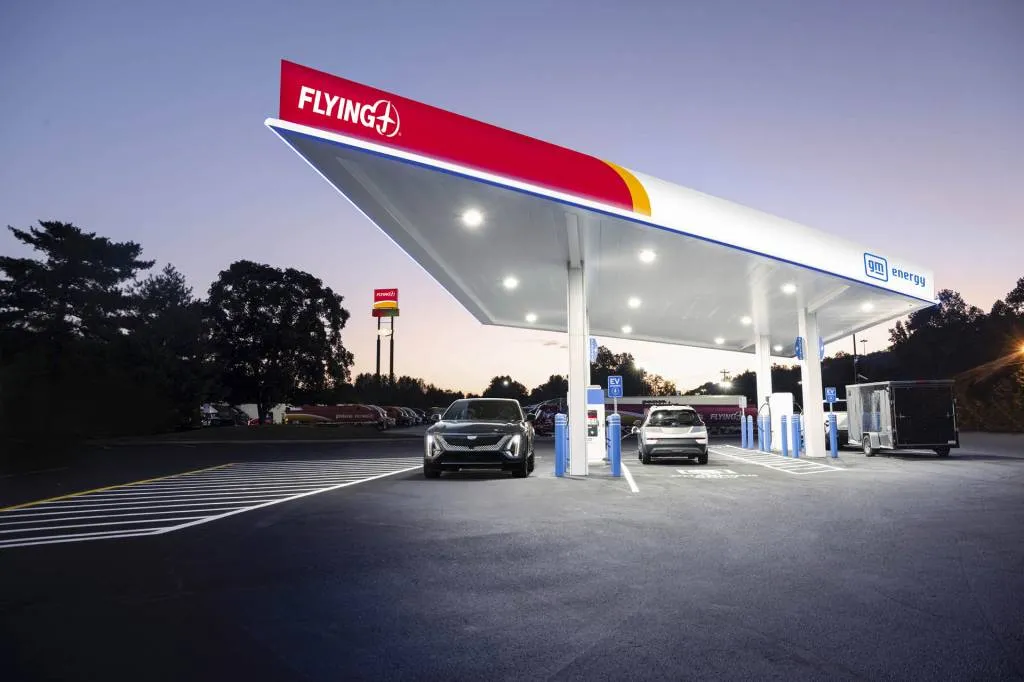
GM and Pilot Company’s EV charging network
EV charging stations need to be more gas-station-like?
For better reliability taking advantage of these ideas, the researchers point to a different kind of layout versus present-day charging stations—with a “multilayered approach for control and communication” across a charging station that “resembles a gas station with many pumps.” At it, a system-wide controller would alter equipment settings based on issues at individual chargers, to maximize performance and uptime.
The federal government is tackling EV charger reliability in the U.S. infrastructure buildout, and through its Charge X consortium it’s already focused in on several aspects that amount to a tangle of technical barriers, including non-standardized error reporting and payment issues.
It’s not surprising that automakers have stepped forward, opting to create their own networks in some cases—like the upcoming Supercharger-rivaling Ionna—rather than ally with existing ones. Rivian has even adopted a grading system for public chargers that will be used for its own dynamic route planning.

Amazon’s Wendy Bauer accelerates the auto industry’s AI push (Episode 248)
The vice president of automotive and manufacturing at Amazon Web Services (AWS) talks about the proliferation of generative AI advances across different areas of the auto industry. Further, she details efforts to ensure women thrive in auto-tech careers.

Toyota 3-row EVs, Tesla price cuts, electric G-wagen, airless tires: The Week in Reverse
Which automaker priced its hardware set allowing its EVs to back up the home?
Which EV brand has the lowest ownership costs of any automotive brand?
This is our look back at the Week In Reverse—right here at Green Car Reports—for the week ending April 26, 2024.
The Tesla Model Y undercuts the Model 3 by $5,000—for those who are EV tax credit eligible—under the latest round of Tesla price cuts made last weekend. With it, the base Model Y rear-wheel drive could cost just $37,130, with other state incentives yet to be deducted. Tesla has also dropped the price of what it calls Full Self Driving to $8,000, but it’s eliminated the popular $6,000 Enhanced Autopilot option.
Toyota confirmed a second 3-row U.S.-made electric SUV—in Princeton, Indiana, starting in 2026. That complements the other Toyota 3-row electric SUV set to be made in Kentucky in 2025. According to reports, the Indiana-built EV could be a Highlander EV, while the Kentucky model might incorporate all the leading-edge manufacturing methods Toyota has suggested in recent years are on the way.
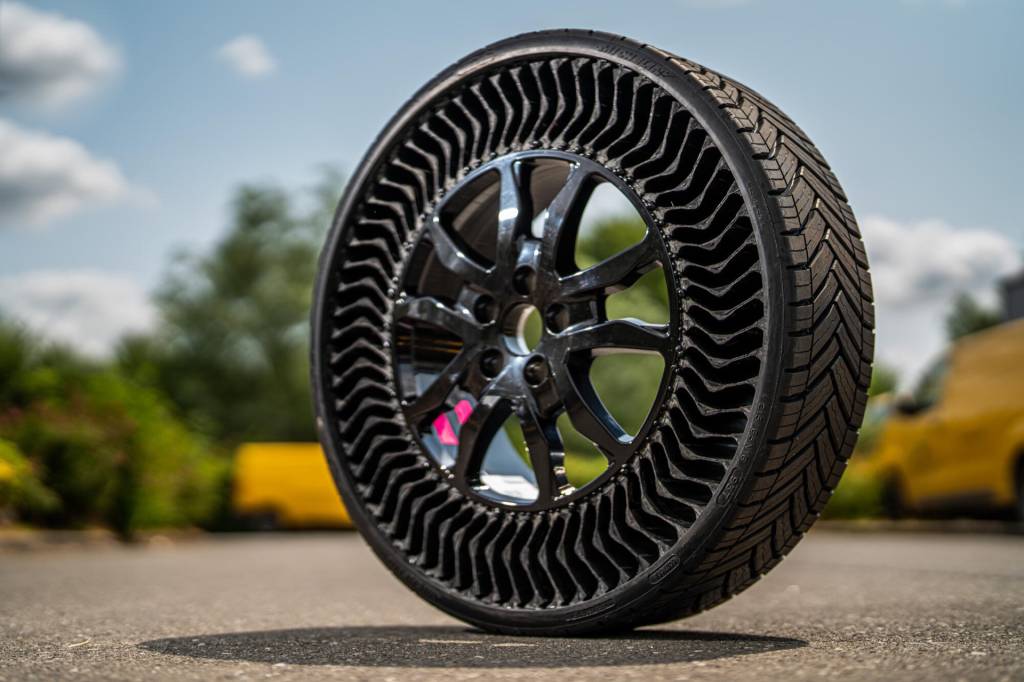
Michelin Uptis airless prototype tires
Michelin believes that airless tires are the future. But with this tech that could be especially well-suited for robotaxis, EVs, and more still under development and at the prototype stage, the company is also focusing on other tech like sustainable materials and retreads.
The 2025 Mercedes-Benz G-Class EV made its debut this week. Although it’s missing the silicon-anode battery chemistry the automaker suggested this model would debut, it’s going to be a serious rival to the Rivian R1S, GMC Hummer EV, and Tesla Cybertruck. Badged the G 580 with EQ Technology, this model will allow a trick G-Turn on low-friction surfaces, and it might return more than 300 miles of EPA range.
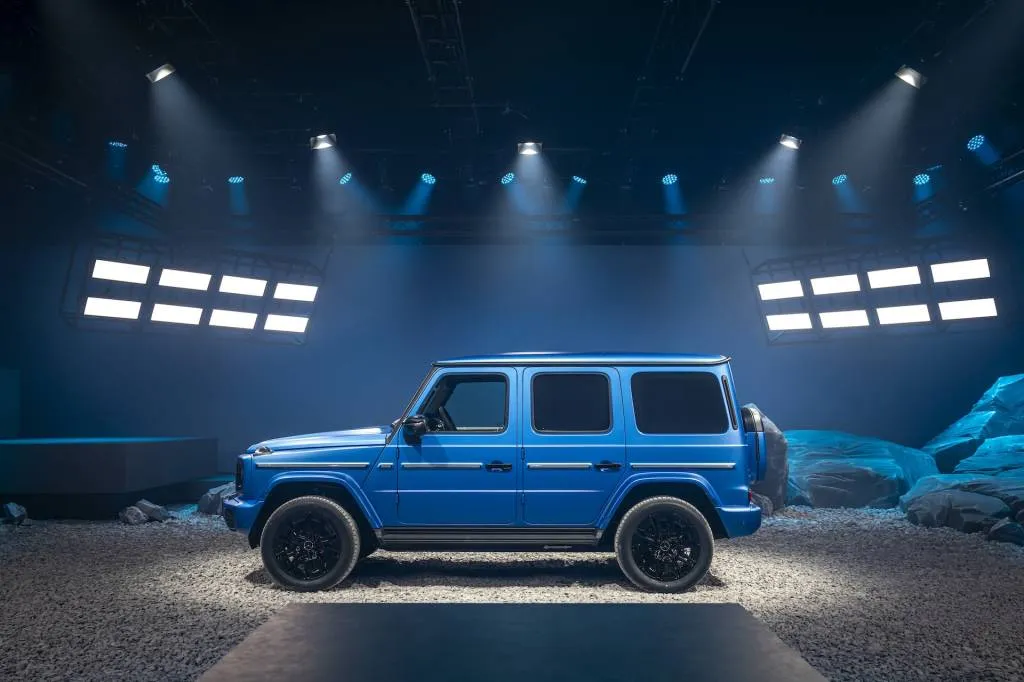
2025 Mercedes-Benz G 580 with EQ Technology
The Mini Aceman urban EV also made a bow in production form, and it quite closely follows the 2022 concept car of the same name. If this model arrives in the U.S., it would fit between the Cooper and Countryman in the brand’s lineup.
And Mazda has applied its design flair to an EZ-6 electric sedan that incorporates tech from China’s Changan Automobile. Although its range figures far more effectively represent what American buyers might seek in an EV, Mazda hasn’t yet confirmed plans for any markets outside China.
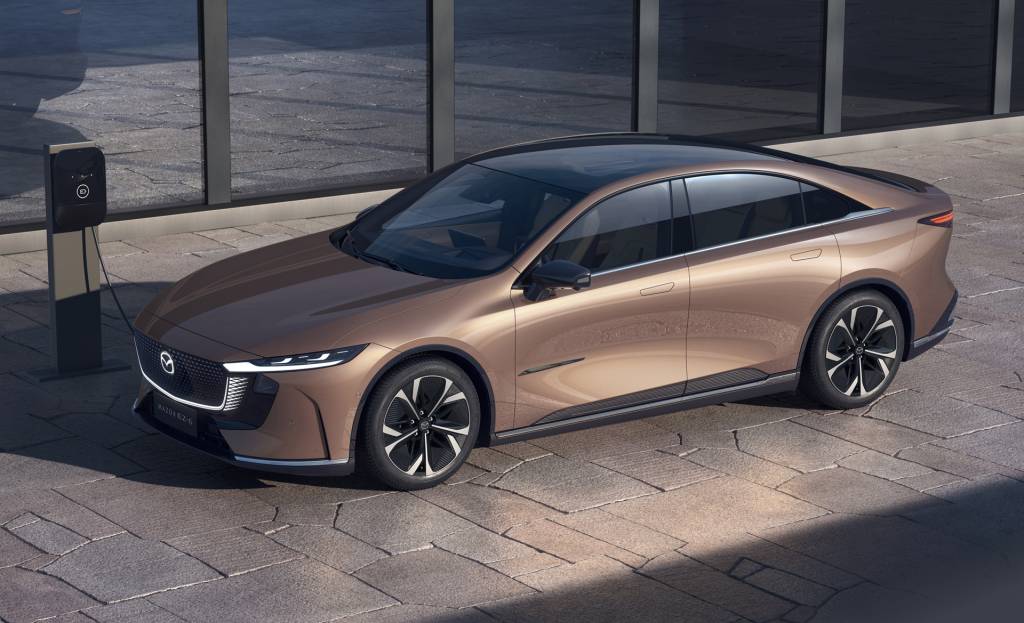
2025 Mazda EZ-6
Honda plans to create an $11 billion EV hub in Canada. Set to ramp up in 2028, the Ontario hub could potentially build up to 240,000 EVs per year, and see that as the demand for Honda EVs builds, they’d be American-made.
Hyundai is testing a window-tinting film that might save energy in EVs and gasoline models alike, by reducing the dependence on air conditioning. It specifically blocks external heat and radiates heat outward by reflecting at near-infrared wavelengths.
Tesla revealed its Tesla Model 3 Performance on Wednesday. With a dedicated track mode, an adaptive suspension, and various other improvements already gained by the refreshed Model 3 “Highland,” the Model 3 Performance looks a step closer to a luxury car while upping its performance. It might also be EV tax-credit-eligible while other Model 3 versions aren’t.
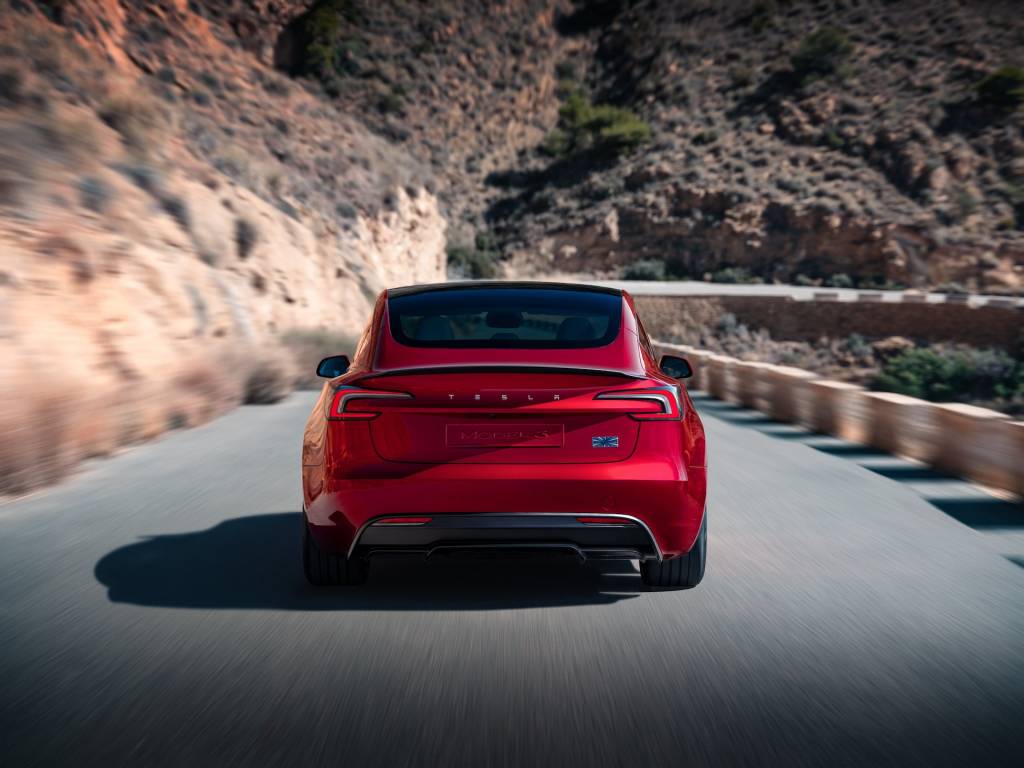
Tesla Model 3 Performance
Vietnam’s Vinfast announced Tuesday that it has signed a dozen new U.S. dealerships to sell its EVs. With the expansion, it will have 18 franchised dealerships in addition to 15 company-owned stores in California. Cinfast has delivered only a fraction of the 100,000 vehicles it targets globally this year, so the sales push might help simply get them out in front of shoppers.
GM this past week released details regarding the home energy backup functionality that’s available for its Chevy Silverado EV RST electric pickup as vehicle-to-home (V2H). Does it make sense versus other EVs claiming this skill set—or home battery systems like the Tesla Powerwall?
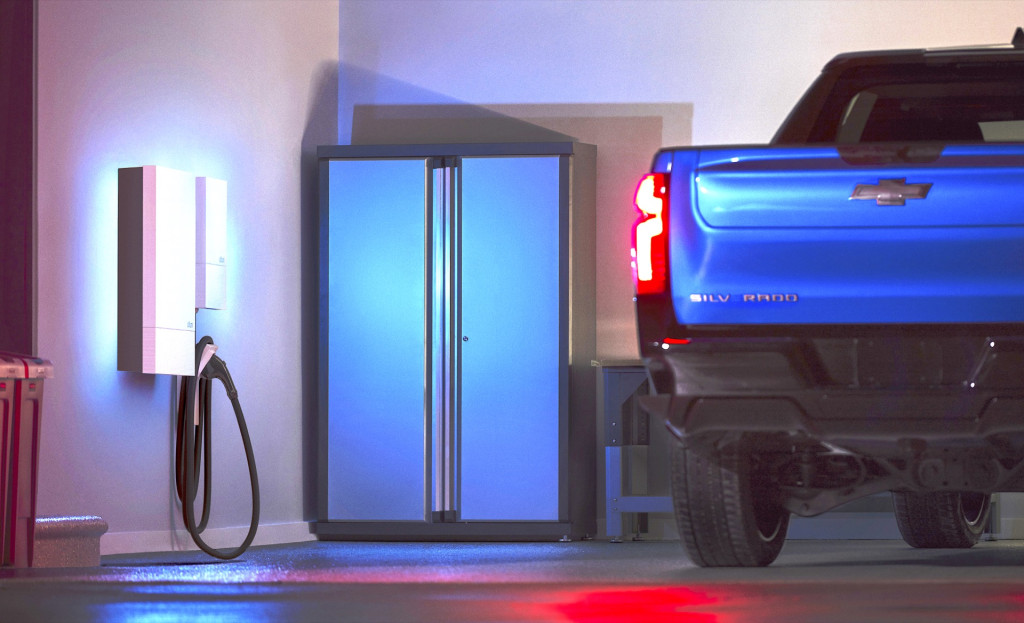
GM Energy – Chevy Silverado EV energy management system
According to the International Energy Agency, in an annual report and forecast out this week, EVs are set for 11% of the U.S. vehicle share, and about 20% of all cars sold globally. Because of all the battery investment, automaker commitments, and emissions regulations, half of new vehicles sold globally could be EVs, it says.
More lower-priced Ford EVs are on the way, the automaker said, as it reported a massive loss on its EVs for the first quarter of the year. As executives explained, Ford has managed to cut costs with the Mustang Mach-E EV, but it can’t keep up with the price cuts needed to stay competitive.
The U.K.-based company that now owns Protean in-wheel motors has showcased a Land Rover Defender EV conversion that doesn’t gain weight in the translation. Although it’s modest in its electric range, the idea acts as a technology proof point and, perhaps, a lot more.

Land Rover Defender EV conversion by Bedeo
According to an assessment by Consumer Reports, Tesla has the lowest ownership costs of any brand. Teslas average just $4,035 in maintenance costs over 10 years, which puts the brand well ahead of other brands—even Toyota.
And Disneyland has now confirmed that its Autopia ride will go fully electric in 2026. The attraction for kids, started with sponsorship by an oil company, has run for decades with internal combustion mini-cars, but it’s supposed to represent the future.
_______________________________________

Toyota 3-row EVs, lower-priced Ford EVs, Honda EV hubs, Mazda EZ-6: Today’s Car News
Ford EVs are losing money, but hope is on the way with a next generation of vehicles. Mazda shows an appealing electric sedan so far limited to China. Toyota plans a second U.S.-made three-row electric SUV. And Honda is creating another EV hub in Canada. This and more, here at Green Car Reports.
More lower-priced Ford EVs are on the way, the automaker said, as it reported a massive loss on its EVs for the first quarter of the year. As executives explained, Ford has managed to cut costs with the Mustang Mach-E EV, but it can’t keep up with the price cuts needed to stay competitive.
Mazda has applied its design flair to an EZ-6 electric sedan that incorporates tech from China’s Changan Automobile. Although its range figures far more effectively represent what American buyers might seek in an EV, Mazda hasn’t yet confirmed plans for any markets outside China.
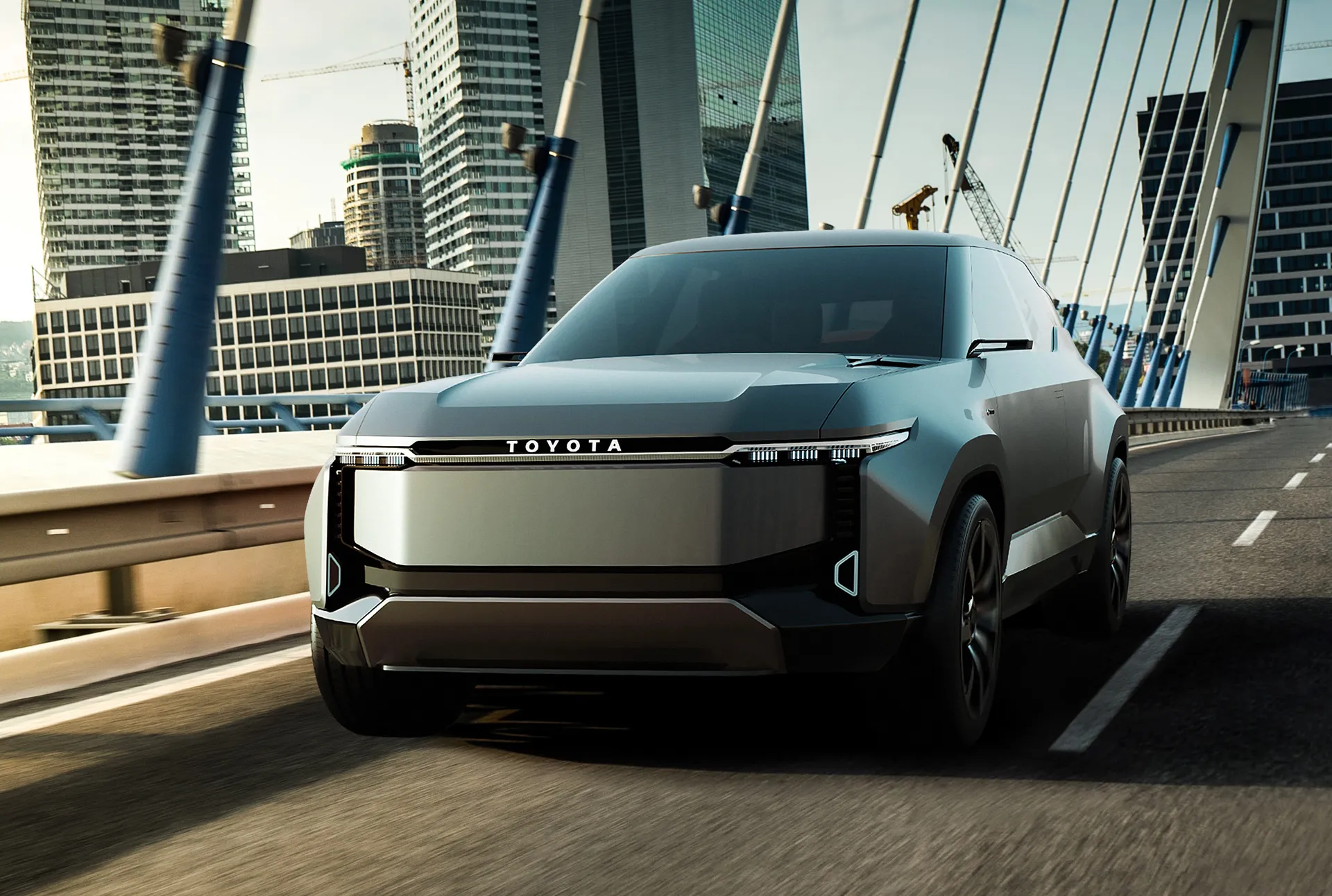
Toyota confirmed a second 3-row U.S.-made electric SUV—in Princeton, Indiana, starting in 2026. That complements the other Toyota 3-row electric SUV set to be made in Kentucky in 2025. According to reports, the Indiana-built EV could be a Highlander EV, while the Kentucky model might incorporate all the leading-edge manufacturing methods Toyota has suggested in recent years are on the way.
And Honda plans to create an $11 billion EV hub in Canada. Set to ramp up in 2028, the Ontario hub could potentially build up to 240,000 EVs per year, and see that as the demand for Honda EVs builds, they’d be American-made.
_________________________________

Honda commits to $11B EV hub in Canada, to start in 2028
Honda on Thursday announced plans to push its EV supply chain into Canada, in a move that it said “represents recognition of the long-term attractiveness of the Canadian EV manufacturing ecosystem.”
The investment is significant—$11 billion US, including investments by joint-venture partners—but it doesn’t yet actually commit to an EV assembly plant. Honda says that it “has begun evaluating the requirements to build an innovative and environmentally responsible Honda EV plant and stand-alone Honda EV battery plant in Alliston, Ontario.”
That said, it does set an expected start date of 2028 for the plant, which it says would make up to 240,000 EVs per year, with the EV battery plant making up to 36 gigawatt-hours per year. Honda would maintain the current employee level of 4,200 at the plant but add 1,000 new jobs for EV and EV battery-related facilities.
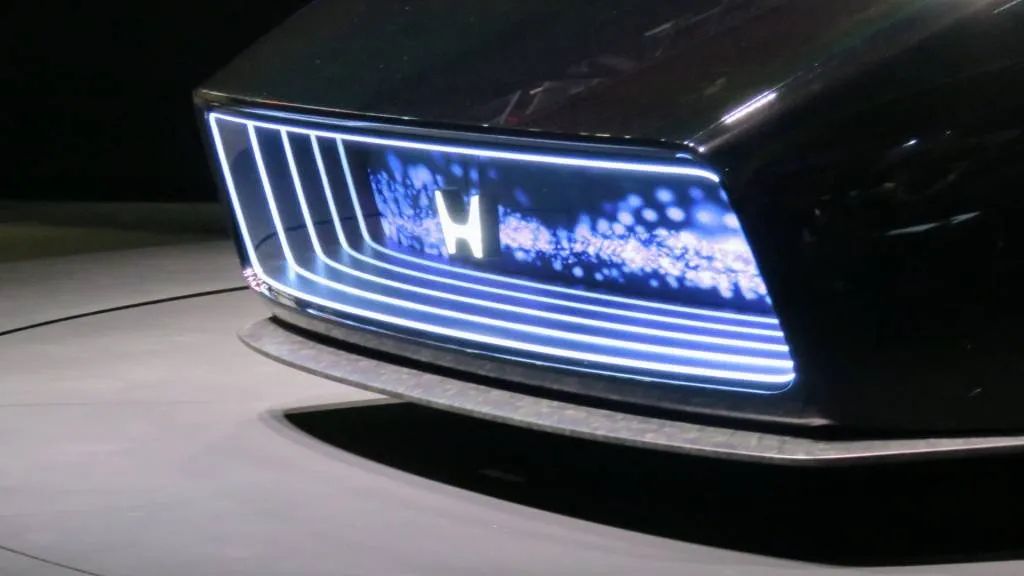
Honda Saloon Concept – 2024 CES
What’s proposed would also include a battery materials processing plant with South Korea’s POSCO, plus a joint-venture battery separator plant with Japanese chemical giant Asahi Kasei, and Honda says it would lead to “significant spinoff jobs” around the sites.
It’s unclear whether next-generation batteries will play a big role at this new plant. Honda is developing its own solid-state EV batteries and sees them as a key to enabling more affordable small EVs by 2030.
The automaker notes that it’s seeking incentives from Canada and the province of Ontario for the facilities.
In the meantime, in its first move toward U.S. EV mass production, Honda is establishing an EV Hub in Ohio that will spend $700 million to retool three of its plants there and build a new $3.5 billion joint-venture battery plant with LG Energy Solution. Those facilities will have flexibility to mix gasoline models and EVs on the same production line, and Honda recently said that the first facility, at Marysville, Ohio, will have the capability to make hundreds of EVs per day.
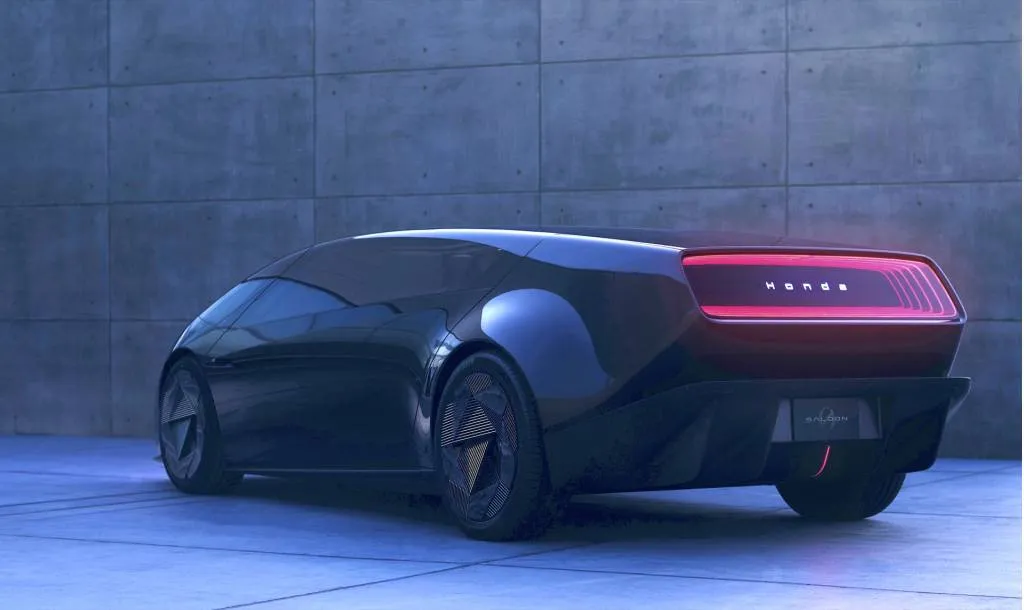
Honda 0 Saloon concept
In Ohio, it will assemble EVs built on Honda’s next-generation EV platform—incorporating a new die-cast process with mega-casting machines larger than what Tesla is using in Texas. Across all of the Ohio EV Hub plants, based on battery capacity, Honda would be able to make 300,000 to 500,000 EVs annually.
Under a separate arrangement, Honda will also be assembling EVs for Sony-Honda Mobility, with those vehicles bearing the Afeela name and showcasing a new vision for in-car entertainment drawing from Sony’s strengths.

Ford promises more affordable EVs as it loses money on them
In its quarterly earnings call this week, Ford reported significant losses on EVs—but still promised lower-priced models.
As reported by CNN, Ford said its EV unit lost $1.3 billion in the first quarter, or $132,000 for each of the roughly 10,000 EVs sold by the automaker during that period. Sales were down 20% from a year earlier, but revenue was down 84%, something Ford attributed to industry-wide EV price cuts.
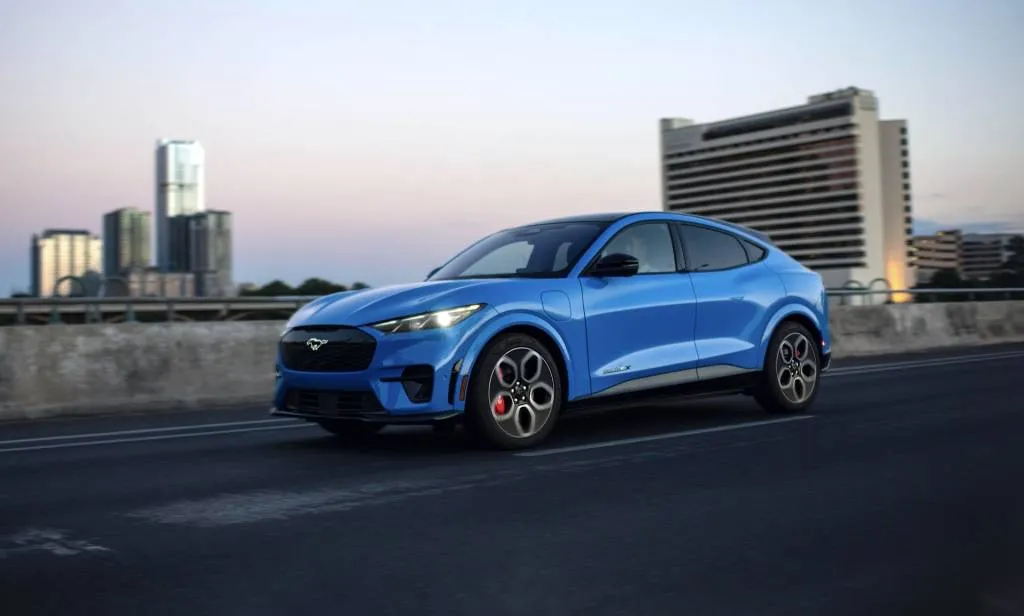
2024 Ford Mustang Mach-E
Ford CEO Jim Farley predicted an EV price war in 2022, although it doesn’t seem like the automaker was able to prepare for it. On the earnings call, Ford CFO John Lawler said the automaker has removed $5,000 in cost from the Mustang Mach-E crossover, but the revenue drop is happening faster than cost removals like this can happen.
Instead of waiting for the traditional mid-cycle refresh, Ford has incrementally re-engineered the Mach-E to lower manufacturing costs, and it’s cut Mach-E prices. But the automaker still has to recoup hundreds of millions of dollars invested in development of next-generation EVs, and that’s not likely to happen for years, CNN noted.
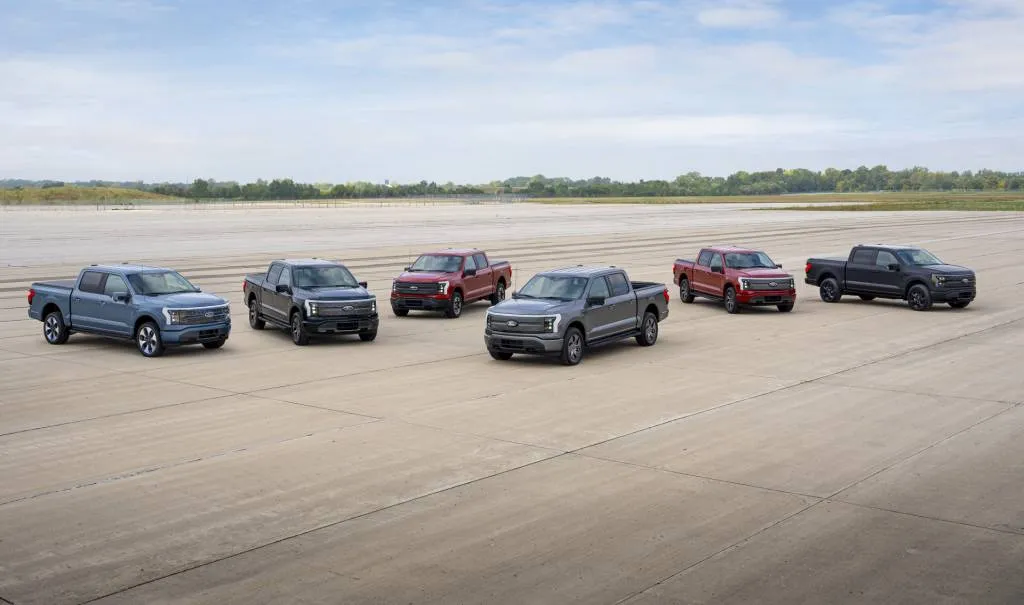
2024 Ford F-150 Lightning
These next-generation EVs will reportedly prioritize both profitability and lower prices, while a more expensive, next-generation electric pickup truck to follow the F-150 Lightning and a three-row SUV have been delayed.
Farley has also said cost parity with internal-combustion vehicles might not happen until 2030, although plans for an LFP battery plant in Michigan that Ford sees as key for EV affordability might accelerate that. But what might really solve the problem of EV profitability is the arrival of higher-volume models than the current Mach-E and Lightning.