
Category: General

Used EV prices have plummeted, now stand below ICE prices
Average used EV prices fell below average prices for used gasoline cars in February, and have continued to decrease since then, according to iSeeCars.
Used EV prices stabilized in 2023, after roughly two years of surges, but they’ve fallen significantly so far this year, iSeeCars found in an analysis released earlier this month. That trend is based on surveying posted asking prices for used cars, from a wide range of dealerships and sellers, within the period studied.
Used-car values have dropped regardless of powertrain type, but EVs have seen a much steeper decline, according to iSeeCars. Over the past year, average gasoline car values have decreased 3% to 7%, but average used EV values have decreased between 30% and 39%, the analysis found.
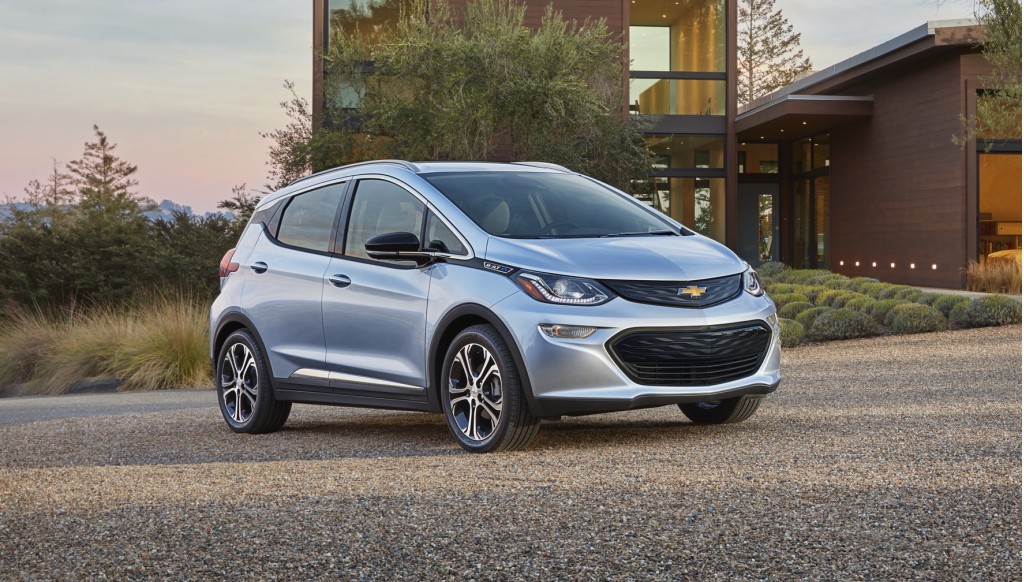
2017 Chevrolet Bolt EV
Used EV prices were around $8,000 higher (or 25%) than average values for used gasoline cars in June 2023, but in May 2024 they were $2,657 (8%) lower than average gasoline car values, per the iSeeCars data.
Some specific models saw bigger losses of value than others. In May, used Jaguar I-Pace prices were 30.1% lower year-over-year—the biggest decrease record. The I-Pace was followed by the Chevrolet Bolt EV (28%), Hyundai Kona Electric (26.5%), Kia Niro EV (24.8%) and Nissan Leaf (24%).
Average used Tesla Model 3 prices also dropped below those of the BMW 3-Series, arguably one of the Model 3’s closest gasoline rivals. In the case of Tesla, decreased values for used examples are likely linked to the volatility of new-Tesla prices, and last year’s abrupt Tesla price cuts.
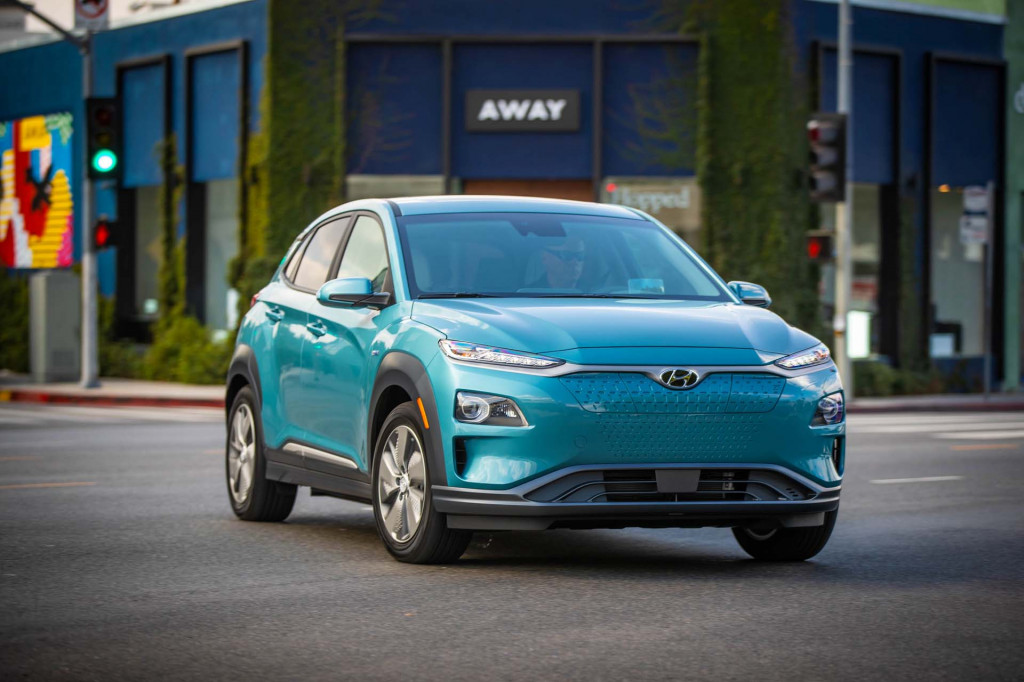
2019 Hyundai Kona Electric
Overall, used EV prices surged in 2021 and peaked in 2022. That’s put them on a downward trajectory since then, to the degree that last year the retail giant CarMax noted that top-selling used EVs for late 2023 and early 2024 were costing up to $5,000 less than a year earlier.
Meanwhile, concerns over new EV cost are at the core of a drop in consumer consideration, according to J.D. Power. Perhaps lower used EV prices will help counteract that.

Civic Hybrid and Polestar 3 reviews, $25,000 Jeep EV, Tesla 4680 update: The Week in Reverse
How are BMW and VW using AI in their EVs?
Why are lawmakers pushing back about how EVs figure into fleet efficiency standards?
This is our look back at the Week In Reverse—right here at Green Car Reports—for the week ending June 15, 2024.
This week Green Car Reports provided first impressions of two upcoming models that prioritize efficiency and driving fun. In a 2025 Honda Civic Hybrid review, we found this low-priced, high-mpg model to be a class above the Toyota Corolla Hybrid, with a quieter, punchier, and more pleasant driving experience than the non-hybrid Civic. It’s a great way to get nearly 50 mpg with no compromise. And in a 2025 Polestar 3 review, we found some of the best seats in the automotive universe, although the interface feels a little lost in pale, thin fonts and steering-wheel toggles. It seats five and stands out for ride and handling and overall build quality over the Tesla Model Y Performance, but at more than a $25,000 premium even before the Tesla’s tax credit, it should.
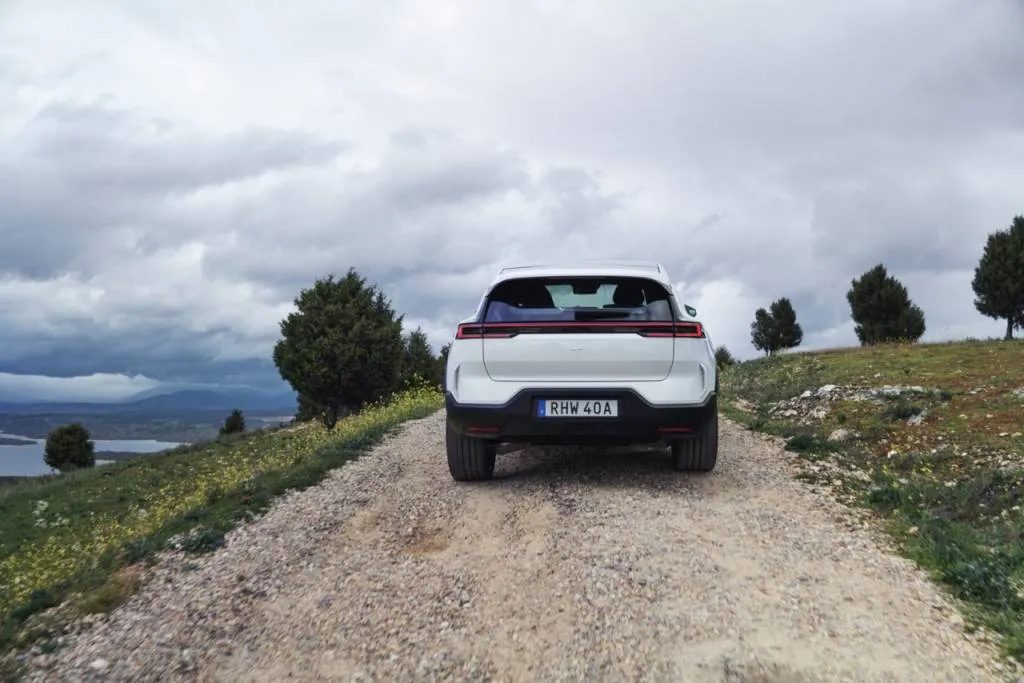
2025 Polestar 3 Performance Pack, test drive, Madrid
A $25,000 electric Jeep is arriving in the U.S. very soon, according to a Stellantis investor presentation, in the form of a 2027 Jeep Renegade EV. And according to CEO Carlos Tavares, the model will use LFP battery cells to help achieve that targeted price.
Chevrolet has lowered the base price of existing Blazer EV LT and RS models for 2025, but there’s a catch. In both cases, features that were previously packaged in have been made optional in 2025 Chevy Blazer EV pricing. And with lower-priced front-wheel-drive LT versions and the high-performance SS still on the way, there will soon be more to the lineup.
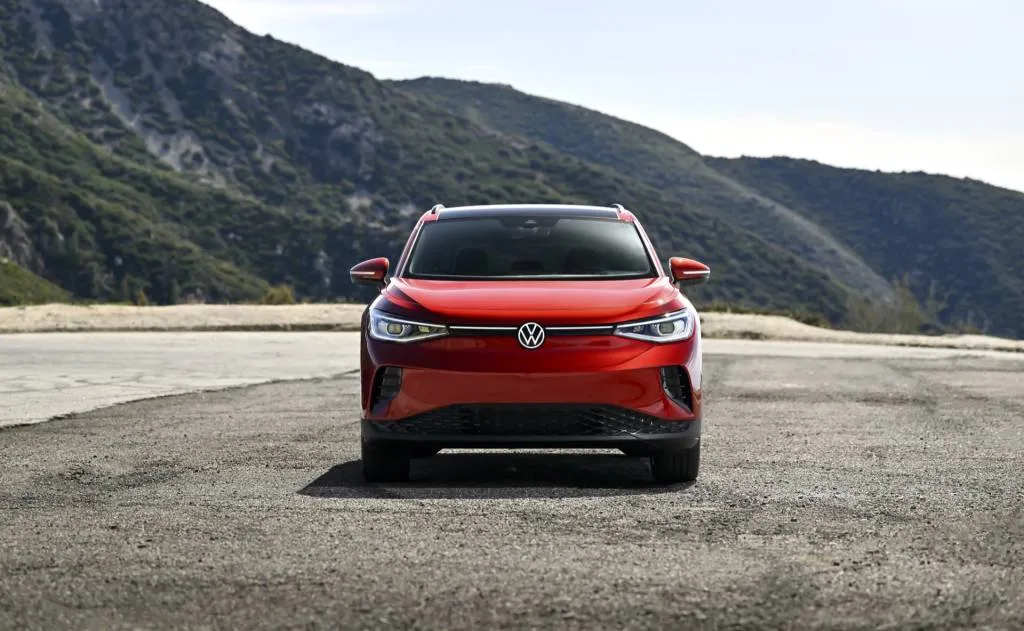
2025 Volkswagen ID.4
Volkswagen has confirmed that the 2025 VW ID.4 will carry over with all of its changes given for 2024—including more power, more driving range, and a vastly improved interface—while more of the brand’s other models will gain its ChatGPT-based digital voice assistant.
A small number of Nissan Ariya EVs are being recalled due to something electric vehicles seldom have—an oil leak. In this case, a manufacturing issue can lead to oil leaks within the drive motors, potentially leading to excess wear. Nissan is replacing the entire drive-motor assembly in just 84 affected vehicles.
The Nissan Leaf has once again lost its $3,750 EV tax credit. While 2024 Nissan Leaf models at the dealership qualify for it, the 2025 Nissan Leaf that’s essentially carried over unchanged at face value does not. In what’s become a rollercoaster ride of eligibility, it’s not the only time this has happened, and Nissan says it’s working with its supplier AESC to recover the incentive on one of the market’s most affordable EVs.
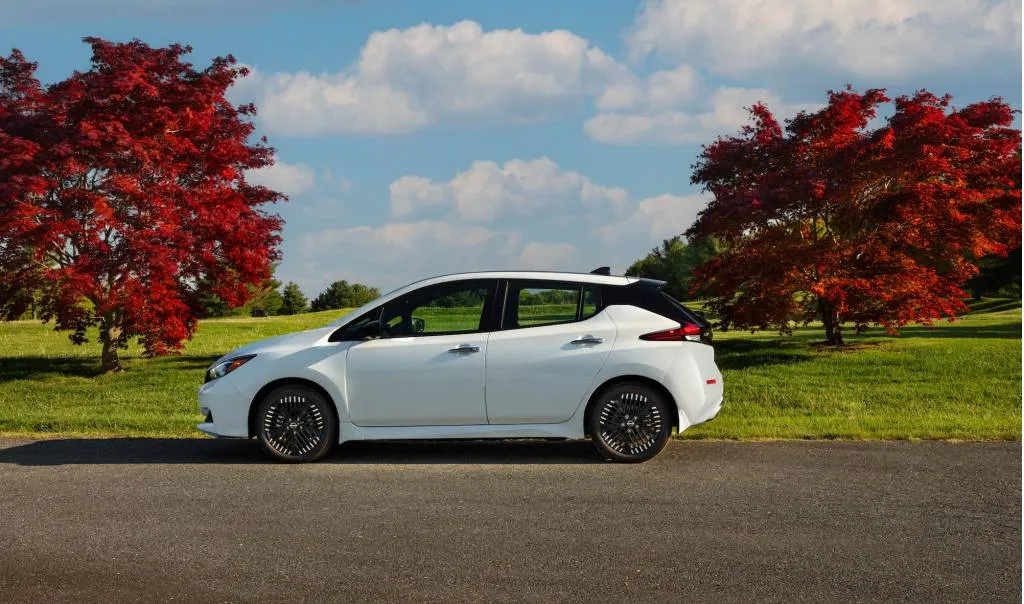
2025 Nissan Leaf
Tesla CEO Elon Musk, at Thursday’s shareholder meeting approving a record pay package, teased three “amazing” EVs in the works, with affordability touted as essential and the Tesla Roadster appearing to be omitted. But he revealed that Tesla still hasn’t achieved the dramatic cost reductions it promised from its 4680 battery cell format that it touted at its 2020 Battery Day. It’s still cheaper for Tesla to buy suppliers’ cells.
Battery leasing has been seen as one solution for making EVs more affordable, but nobody has tried it at scale in the U.S. Honda on Thursday announced a new joint venture with Mitsubishi Corporation that it says will result in more affordable Honda EVs. For now it’s only for Japan, but could a similar scheme lead to an affordable U.S.-bound Honda EV?
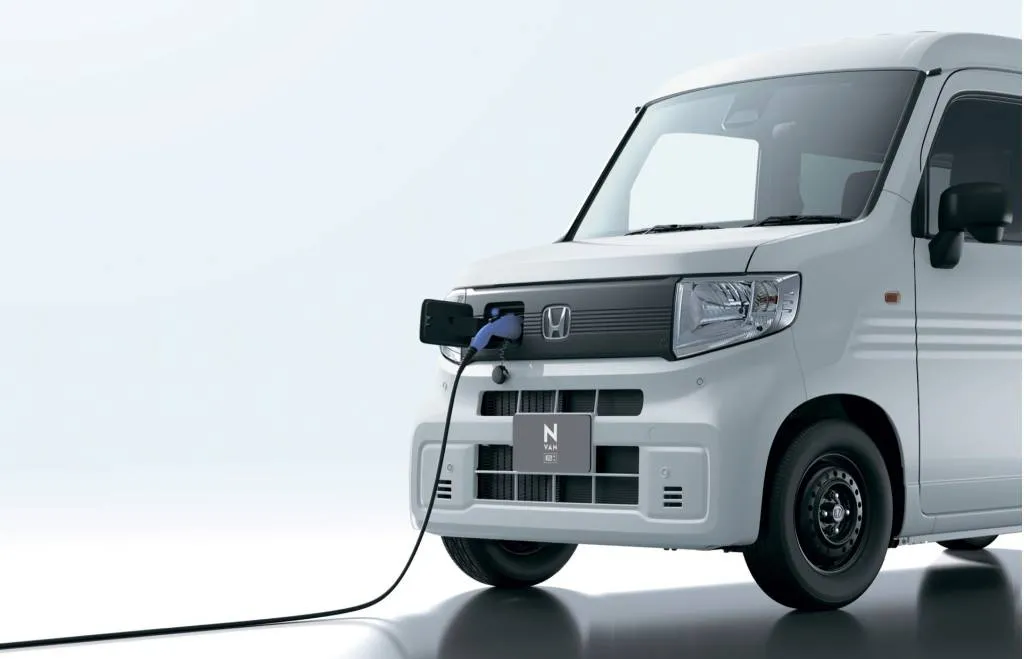
Honda N-VAN e commercial EV
Final fleet efficiency rules for 2027-2031 announced last week by the federal government go easier on mpg targets for trucks and SUVs. That means a projected real-world fleet average of about 38 mpg versus the original 43.5 mpg proposed in July 2023. A recent delay in reforming how EV efficiency is figured vs. gasoline models might also potentially give automakers a bigger boost while making fewer EVs.
Virginia governor Glenn Youngkin also last week confirmed that the state will no longer follow the newest California emissions rules—meaning that it also won’t adopt California’s EV mandate and structure EV sales adoption targets. The ramp-up would put the state on a path requiring 35% of new-vehicle sales to be EVs by 2026, but the change allows more gas-guzzlers to flow to the state’s dealerships.
New survey data suggests that the Tesla Supercharger network may be losing its edge—and that’s before the company’s across-the-board cuts to that operation. The Tesla Supercharger network hasn’t necessarily gotten any worse, according to the recent J.D. Power survey looking at satisfaction with public charging but, simply put, other networks are catching up. And just after Tesla Supercharging plans stalled, Ionna is rising. That’s the EV fast-charging network funded by seven automakers, and it anticipates opening its first U.S. charging stations in 2024, with eventual plans for 20,000 high-power urban and highway-adjacent fast-charging connectors. Ionna says it will support both the Tesla-derived NACS interface its funding automakers will soon adopt, as well as the CCS interface that most EVs are currently being delivered with.
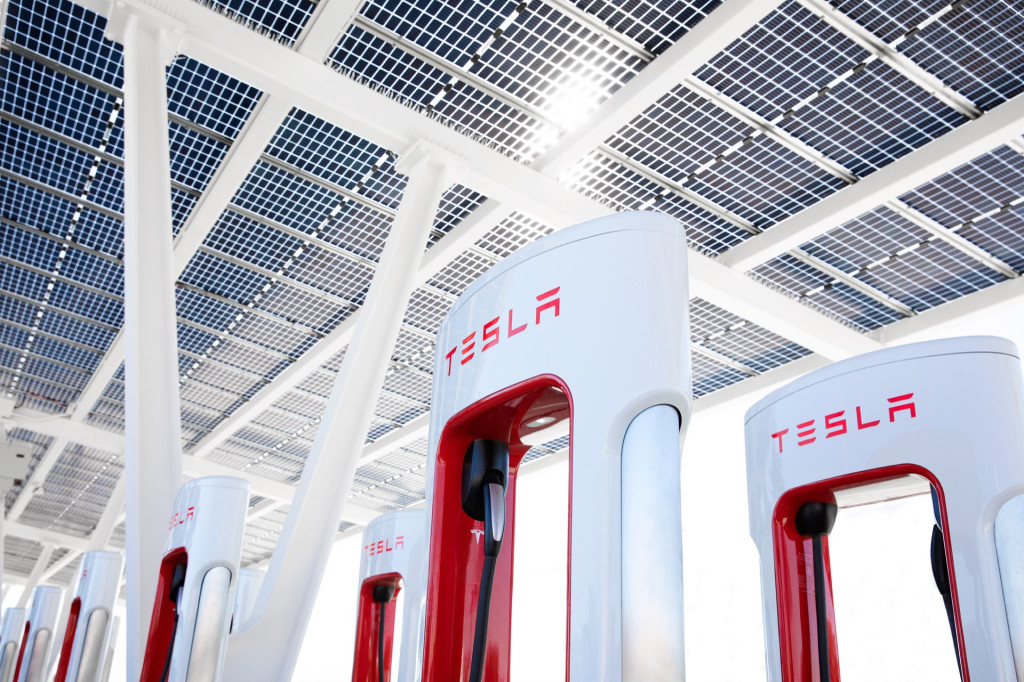
Tesla Supercharger
Porsche has added thousands of ChargePoint EV chargers to its options for those driving its EVs and plug-in hybrids—meaning that the Porsche app now allows access to 75% of compatible U.S. chargers. The expansion, arriving just ahead of Porsche’s expansion of its EV lineup to include the Macan Electric as well as the Taycan, allows integrated payment through Porsche’s app. It includes Level 2 “destination” chargers as well as DC fast-charging connectors.
According to the U.S. Treasury Department, EV buyers in recent months are overwhelmingly opting to claim their federal EV tax credit when they buy the vehicle. On Wednesday it revealed that 90% of eligible EV buyers in 2024 have opted to claim the credit at the point of sale—and 80% of eligible used EV buyers are claiming it that way.
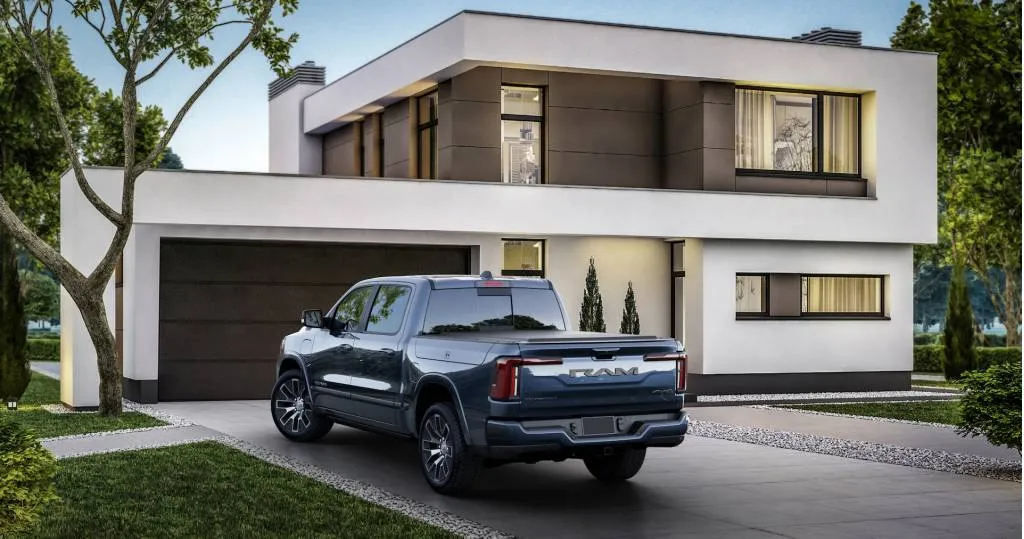
2025 Ram 1500 Ramcharger
With the release of its annual EV sales outlook, Bloomberg New Energy Finance suggests that plug-in hybrids are a wild card for oil demand. With PHEVs making a comeback, and data suggesting they’ll only run 11-54% of their miles in electric mode, if PHEVs are bought instead of EVs, they’ll boost oil demand above current projections. And if they’re pushed into the market to satisfy regulators, will they be plugged in even that much?
A group of Republican Senators are pushing back versus stricter emissions standards expected to lead to more EV sales—by questioning the way EVs are figured into fleet efficiency calculations. Currently they’re given an inflated value that motivates automakers as each EV effectively enables the sale of many gas-guzzlers. So between that and softer future targets introduced last week by the Biden administration, would automakers even want to give those calculations up?
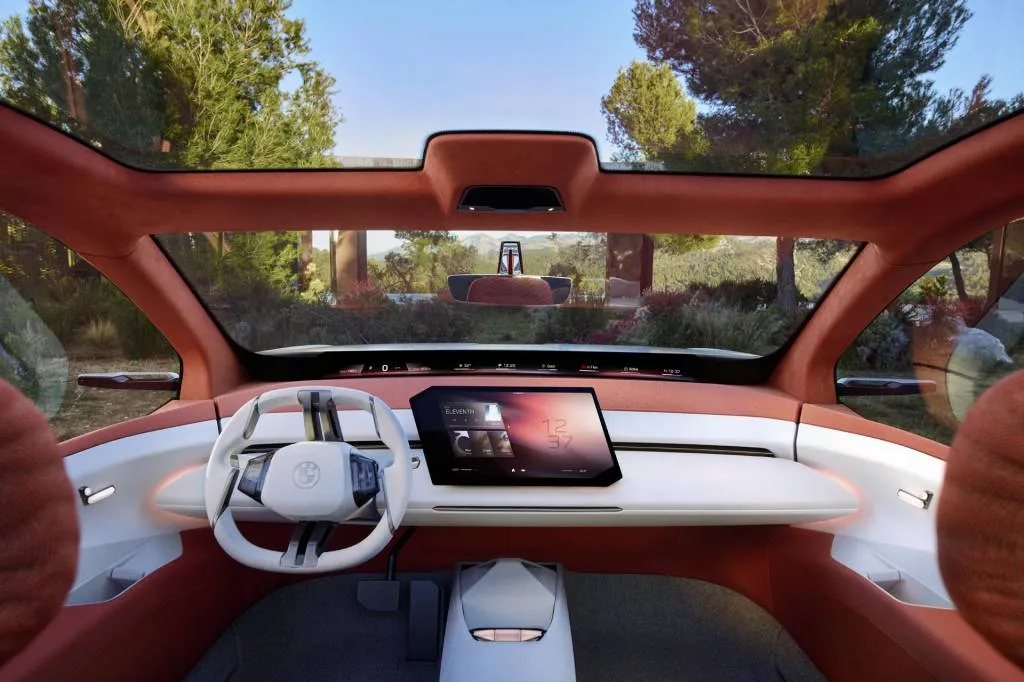
BMW Vision Neue Klasse X concept
And BMW is using AI in its upcoming Neue Klasse EVs—to generate patterns and textures inside, and essentially as a mood board generator that still requires expert inputs from designers or engineers. At what point will some of those human factors drop out?
_______________________________________

Chevron’s Kaustav Sinha explores multiple paths in the energy transition (Episode 255)
The oil company’s director of strategic partnerships details efforts in renewable fuels, hydrogen and carbon capture, examines energy and auto industry synergies, and updates Chevron’s work with Toyota and Cummins.

Musk: Buying EV batteries from suppliers costs less vs. Tesla’s own
Tesla CEO Elon Musk, in Thursday’s annual shareholder meeting, called himself “a helpful accelerant” to the company’s future, as shareholders approved a pay package for Musk valued at $46 billion based on current stock prices.
Meanwhile, one aspect that was due to change the company’s trajectory, cut costs, and enable everything from a $25,000 Tesla EV in 2023 to mass-production of the Semi in 2021 hasn’t yet arrived in 2024: the dramatic cost reductions of Tesla’s 4680 cells.
“With respect to our own cell production, we do see a path to cost parity by the end of this year—a very difficult path to cost parity,” Musk summed.
Battery Day and 4680 aimed to halve the cost
Musk still in 2024 talking about getting cost parity with commercial cells in sight is a very different, sobering outcome than the company had hoped for when it revealed the strategy as part of its September 2020 Battery Day. Tesla made the 4680 cells and its own future production of them the centerpoint of that event and claimed it would make the breakthrough cell at half the cost, on an energy basis, versus suppliers—and boasted that it could even supply it to other automakers.

Comparing 4680 vs. 2170 – Panasonic
“Currently our 4680s cost more than our suppliers’,” Musk revealed on Thursday, as he noted the volatility of EV battery prices. “They cost more than the suppliers’ today but they cost less than the suppliers’ a year ago.”
“There’s a bit of a feast-famine thing with battery cell suppliers, kind of for VRAM chips,” he added. “But we expect to achieve cost parity, even be much lower than the supplier cell price today, by the end of the year.”
Tesla’s big battery bet hasn’t paid off—yet
The cost of EV battery cells has indeed been a rollercoaster ride. After Battery Day, EV battery cost soared to new heights in 2022, hampering EV affordability. Lithium-ion battery prices dropped through 2023 and into this year, but they’re not showing signs of stopping. Goldman Sachs analysts now anticipate a nearly 40% decline in EV battery prices between 2023 and 2025, which in turn will boost sales.
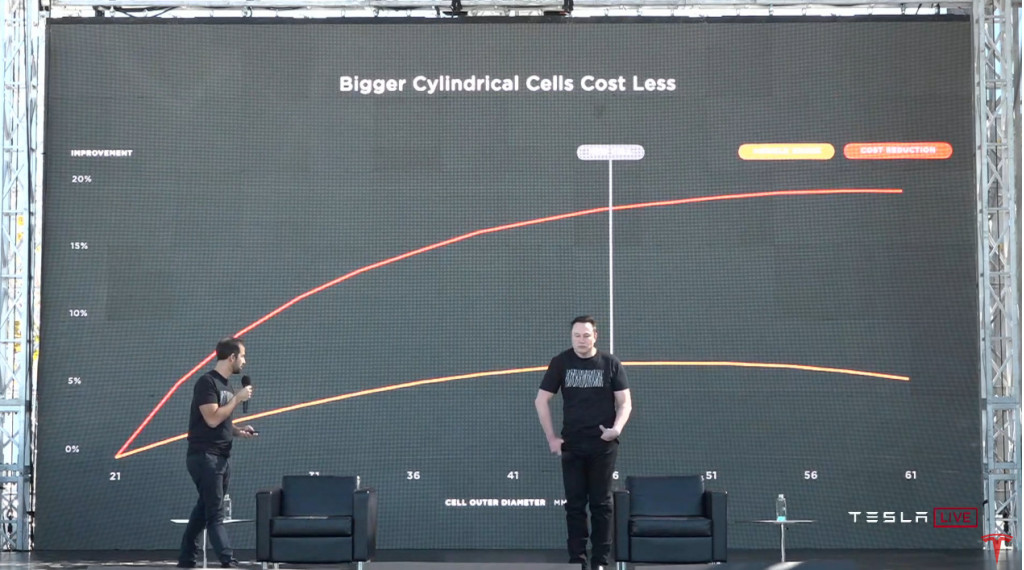
Tesla Battery Day – Bigger costs less
In so many respects, the economics of EV battery supply are looking very different than how they presented around Battery Day. There is now such a global glut in battery production, if you consider China, that China itself now makes enough batteries to cover all global EV production, according to an assessment earlier this spring by Bloomberg New Energy Finance. And in format, no other major automaker has yet committed to the 4680 cylindrical format (46 mm diameter, 80 mm height). BMW has, for instance, instead committed to 4695 (same 46 mm diameter, greater 95 mm height).
Musk had said in 2021 that without Tesla’s own production of the 4680 cells, it wouldn’t have enough for mass-production of the Semi—a stage of Semi ramp that Musk only confirmed in this week’s event.
In 2021, Panasonic’s top battery executive said that mass-producing the 4680 cell format would “require new techniques.” But that didn’t stop it and other top battery suppliers from vying to make the new format.
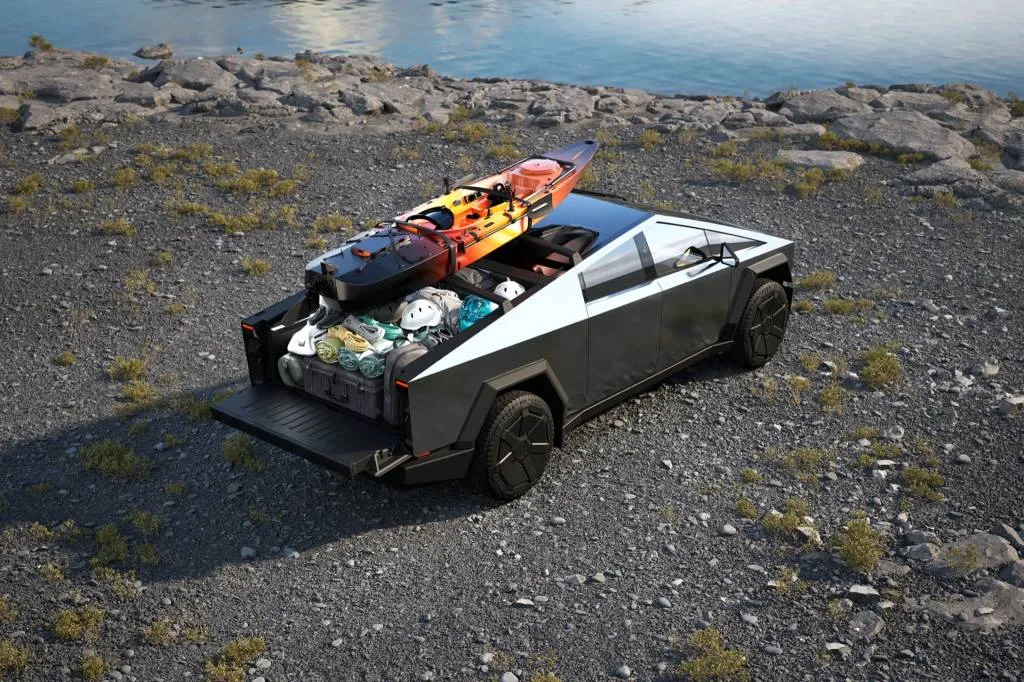
2025 Tesla Cybertruck – Courtesy of Tesla, Inc.
Tesla’s VP of engineering Lars Moravy did give an update on 4680 production during the company’s Q1 financial call in April, suggesting it’s at a rate leading to about 7 gigawatt-hours per year, with enough to stay ahead of the production ramp of the Cybertruck, which is otherwise the only model to use them.
As Musk’s comments from Thursday suggest, Tesla may soon be able to match other batteries and battery makers, but half the cost still looks as far away now as it did in 2020.

Tesla confirms 3 upcoming “amazing” EVs, omits Roadster
Tesla is developing three new EVs, but appears to have nixed the second-generation Roadster.
During the automaker’s 2024 stockholder meeting, which was live-streamed on YouTube Thursday, CEO Elon Musk announced three upcoming “amazing” EVs and showed a slide with three vehicles under covers alongside the current Tesla lineup. However, the Roadster was absent.
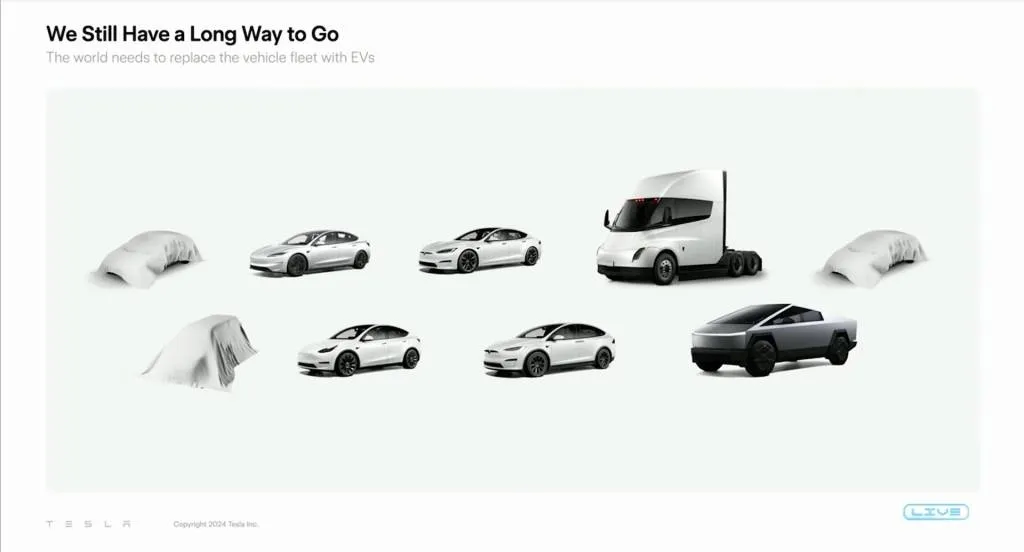
Future Tesla models teased at 2024 stockholder meeting
The Roadster has now been delayed for more than four years, as it was originally due for a start of production in 2020. Musk has at several times teased rocket tech in the form of a “SpaceX package,” with actual rocket thrusters. Tesla began accepting reservations after the Roadster’s 2017 reveal, asking for a $50,000 deposit for the standard version and the full $250,000 price upfront for the Founders Series launch special.
Musk didn’t go into detail on the new EVs, but said later in the presentation that “figuring out ways to make more affordable vehicles is really the game-changer…we have to make it affordable, that’s essential.” But Tesla has already reportedly shut down one affordable EV. After an April report suggesting that Tesla had nixed its $25,000 Model 2 project in favor of robotaxis, Musk announced a Tesla Robotaxi reveal for August 8.
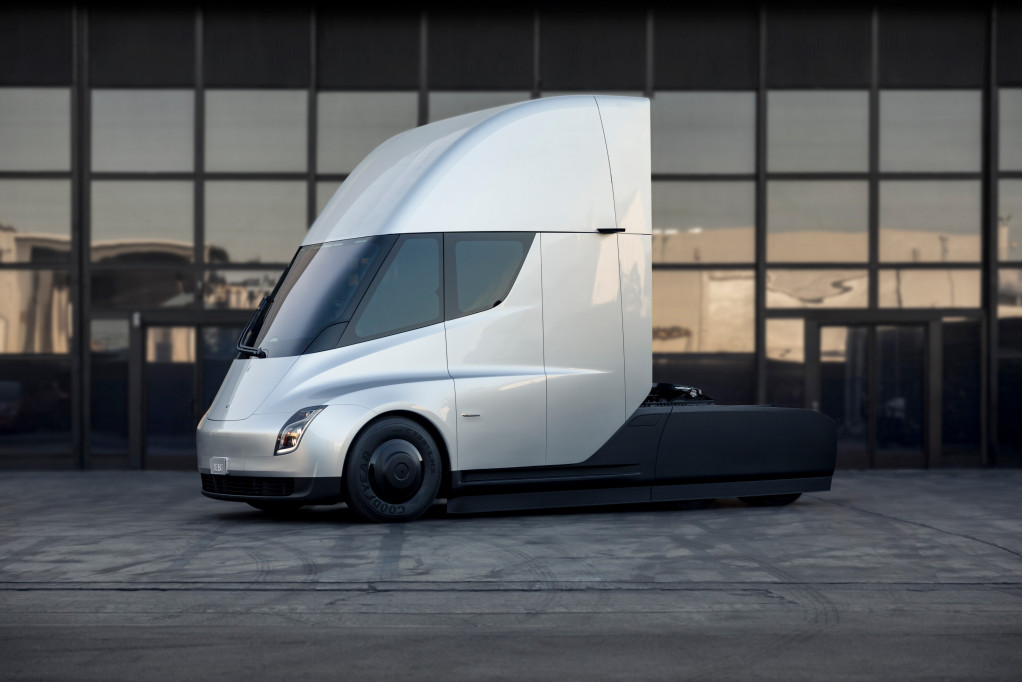
Tesla Semi (Courtesy of Tesla, Inc.)
Tesla has also teased the idea of a van for a long time, which one of those products appears to be based on the outline. The shape in the bottom lefthand corner has a distinctively van-like profile.
Musk also said he had just approved a mass-production ramp of the Tesla Semi. The company has said in the past that it depends on battery cell supply, and it appears to be plentiful right now.

Jeep Renegade EV, Honda battery leasing, 2025 VW ID.4, MPGe and EVs: Today’s Car News
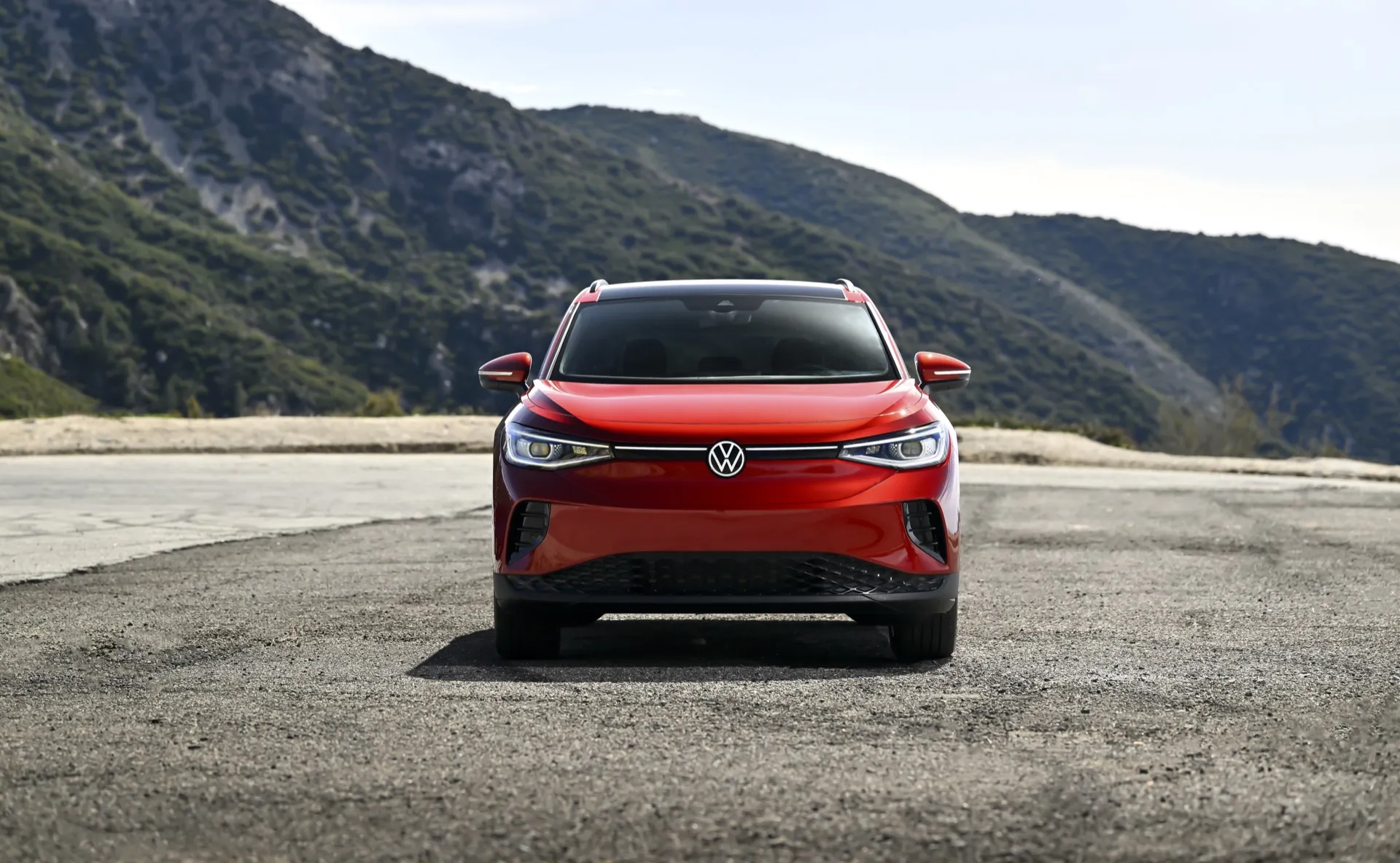
Honda sets itself up for more affordable EVs with battery leasing. VW re-ups its ID.4 EV and expands its ChatGPT assistant. Jeep reveals more about its $25,000 model expected to arrive as soon as next year. And should we recalculate how EVs are figured into U.S. mpg rules? This and more, here at Green Car Reports.
A $25,000 electric Jeep is arriving in the U.S. very soon, according to a Stellantis investor presentation, in the form of a 2027 Jeep Renegade EV. And according to CEO Carlos Tavares, the model will use LFP battery cells to help achieve that targeted price.
A group of Republican Senators are pushing back versus stricter emissions standards expected to lead to more EV sales—by questioning the way EVs are figured into fleet efficiency calculations. Currently they’re given an inflated value that motivates automakers as each EV effectively enables the sale of many gas-guzzlers. So between that and softer future targets introduced last week by the Biden administration, would automakers even want to give those calculations up?
Volkswagen has confirmed that the 2025 VW ID.4 will carry over with all of its changes given for 2024—including more power, more driving range, and a vastly improved interface—while more of the brand’s other models will gain its ChatGPT-based digital voice assistant.
Battery leasing has been seen as one solution for making EVs more affordable, but nobody has tried it at scale in the U.S. Honda on Thursday announced a new joint venture with Mitsubishi Corporation that it says will result in more affordable Honda EVs. For now it’s only for Japan, but could a similar scheme lead to an affordable U.S.-bound Honda EV?
_________________________________

GOP Senators go after inflated EV efficiency in fleet standards
In their ongoing effort to push back against stricter emissions standards expected to lead to more EV sales, Senate Republicans have drafted a bill calling for regulators to change the way EV efficiency is calculated.
Dubbed the Recalculating Electric Vehicle Efficiency for Accuracy and Legitimacy (REVEAL) Act, the bill questions the methods the Department of Energy currently uses to calculate a petroleum-equivalent efficiency value for EVs, explains Transport Topics.
The bill calls for new criteria for these calculations, which are expressed on car window stickers as MPGe or “miles per gallon equivalent” in order to give consumers a point of comparison with gasoline and diesel-vehicle fuel economy. Republicans believe these calculations are skewed in favor of EVs.
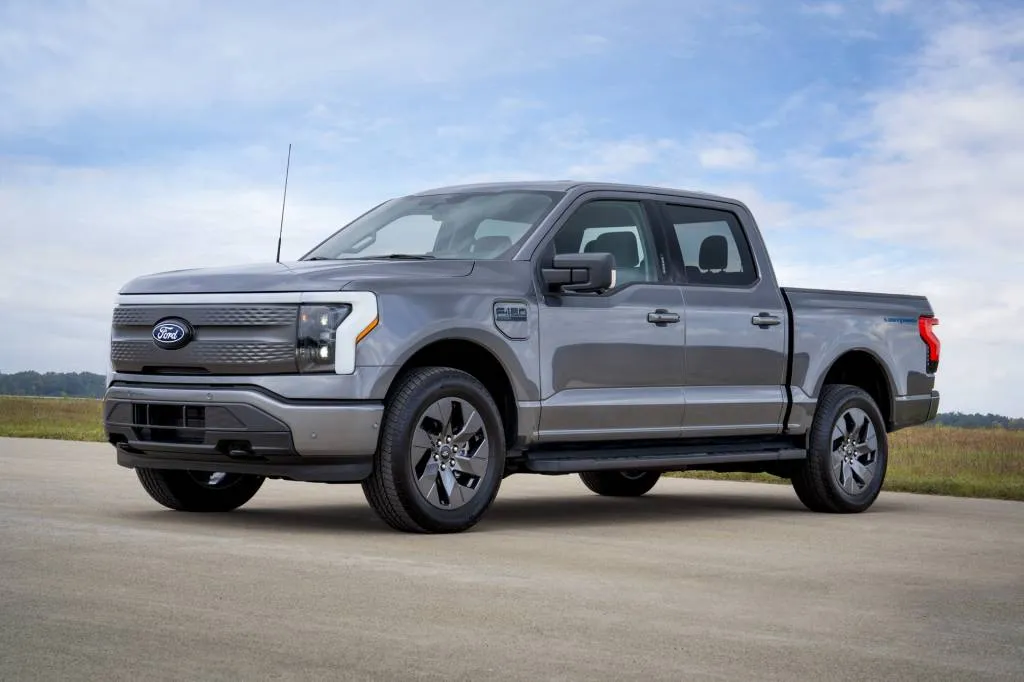
2024 Ford F-150 Lightning Flash
“No administration should be able to rig efficiency calculations for electric cars,” Sen. John Barrasso (R-Wyo.), the bill’s sponsor, said in a statement. “The REVEAL Act would prevent the secretary or energy from using these faulty calculations to prohibit the sale of gas- or diesel-powered cars or trucks.”
It’s worth noting that the Biden administration’s new emissions rules, covering model years 2027-2032, don’t prohibit the sale of gasoline or diesel-powered cars or trucks. They set tougher targets that will likely require more EV sales for automakers to meet, but they don’t specify what powertrain or mix of powertrain types must be used.
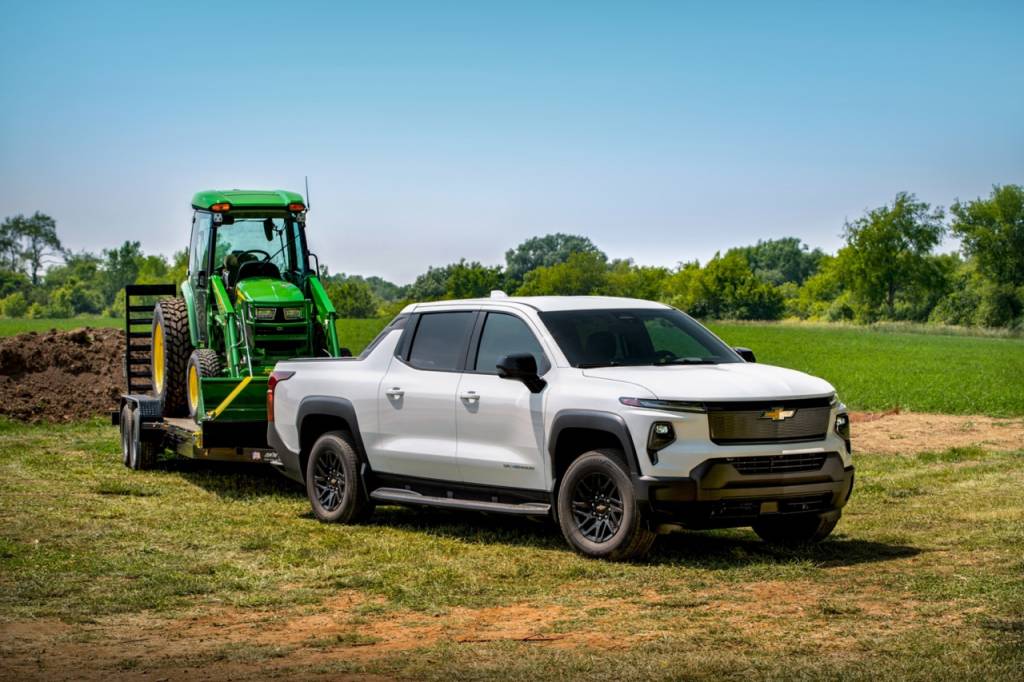
2024 Chevrolet Silverado EV WT
One way the bill aims to protect gasoline and diesel vehicles from being slandered is to require that EVs are sorted into classes comparable to internal-combustion vehicles when calculating efficiency. Automakers might not like that so much, as each EV wouldn’t enable them to build as many gas-guzzling full-size trucks, as the current rules allow. Trucks already got a softer climb from the Biden administration in fleet mpg standards versus what had originally been proposed.
While perhaps not what Republican Senators have in mind, this does beg the question of whether EPA rules should incentivize more efficient EVs—something they currently don’t entirely do—or whether upstream emissions should be included in efficiency calculations to give a better idea of an EV’s total carbon footprint.

$25,000 Jeep EV will be an electric Renegade
- A $25,000 electric Jeep is coming “very soon”
- The budget EV will carry the Jeep Renegade nameplate
- Stellantis said the electric Jeep Renegade will be powered by LFP batteries
Stellantis CEO Carlos Tavares said in a recent interview that a $25,000 Jeep EV is coming to the U.S. soon. Now we know that it will expand on the Renegade nameplate, which was previously given to a small gasoline crossover that was discontinued after the 2023 model year.
First spotted by MoparInsiders, the Renegade name was confirmed in Stellantis’ Investor Day 2024 presentation this week at the former Chrysler Technical Center in Auburn Hills, Michigan.
While the presentation largely focused on software features like the company’s STLA Brain, STLA SmartCockpit, and STLA AutoDrive, it did include some mentions of of Jeep and its North American product plans. Slides showed a new Renegade arriving for the 2027 model year, with a quoted base price of “under $25K for BEV variant,” indicating a gasoline model will return as well.
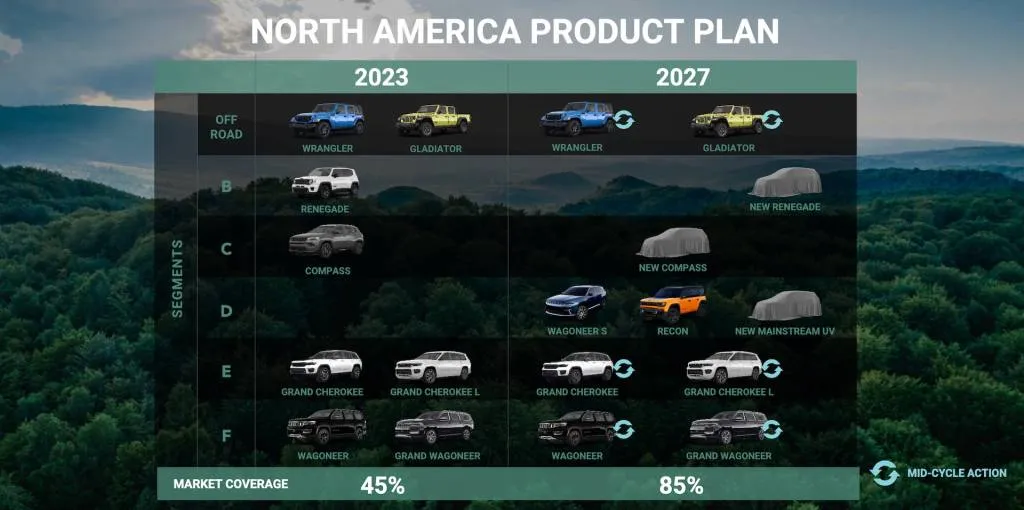
Jeep North American product plan from Stellantis Investor Day 2024 presentation
The electric Renegade is expected to be a relatively small B-segment crossover similar to the outgoing model. Sources citing a media roundtable after the event noted confirmation that it will ride on the eCMP platform used by the Citroën e-C3.
The e-C3 is one of the cheapest EVs currently available in Europe, and was mentioned by Tavares as a benchmark for the $25,000 Jeep when he first spoke of it publicly.
In response to a question at the event, Tavares also said the electric Renegade would use LFP battery cells to help achieve its targeted retail price, according to Autoblog.
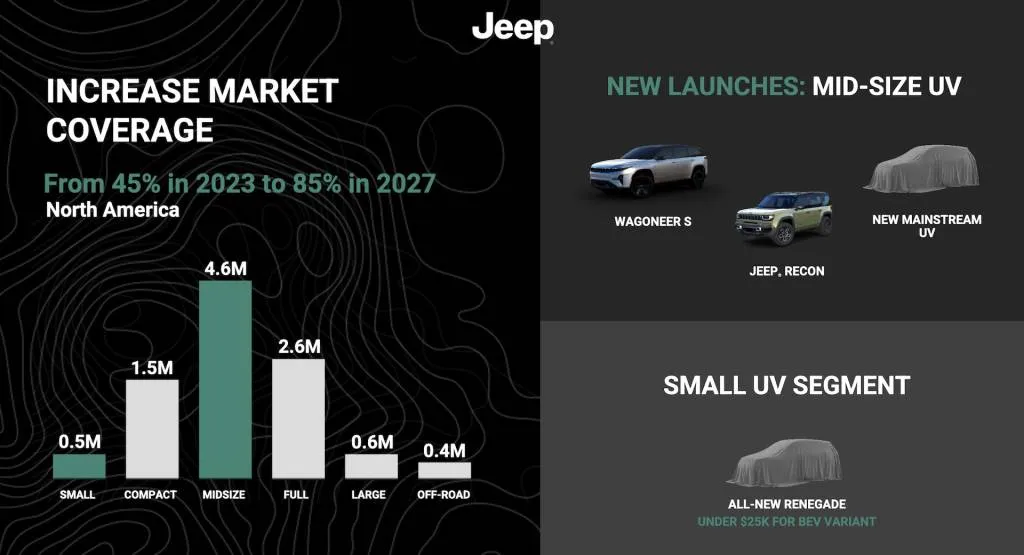
Jeep North American product plan from Stellantis Investor Day 2024 presentation
The Renegade will be one of several new Jeep EVs and plug-in hybrids arriving over the next few years. Jeep recently revealed the Wagoneer S, an all-electric SUV scheduled to start deliveries later this year; announced that a Gladiator 4xe plug-in hybrid will arrive next year; and confirmed the arrival next year of range-extended Wagoneer and Grand Wagoneer 4xe plug-in hybrids, with a propulsion system similar to that of the Ramcharger pickup truck.
Jeep aims to have six all-electric models in its lineup by 2027, including the Wagoneer S, Renegade, an unnamed midsize SUV, and the Recon, a Wrangler-inspired off-roader. The Recon is due to be revealed in production form later this year, but it’s unclear exactly when it will go on sale.

Honda asks: Could leased batteries lead to more affordable EVs?
- Honda, Mitsubishi Corp. to partner on battery-lease business
- It’s a Japan-only experiment, for now
- Company would also manage second and third battery lives—up to recycling
- Vinfast tried this model—and reconsidered
Battery leasing has long been considered as a way of helping make EVs more affordable, and it appears that Honda is embarking on a business venture that might allow that idea to be scaled up.
The joint venture company called Altna, announced Thursday, has been formed as a 50:50 venture between Honda Motor Co. and Mitsubishi Corporation. Combining Honda’s EV smarts and connected technologies with Mitsubishi’s power-generation expertise, it aims to optimize EV usage cost, boost the lifetime value of batteries, and fill an increasing need for grid-storage batteries.
Mitsubishi Corporation is a wide-ranging conglomerate that does include oil and gas businesses, and it owns 20% of Mitsubishi Motors, but Nissan actually owns more of Mitsubishi Motors.
Honda will launch the plan in the Honda N-VAN e, a box-like commercial minicar launched in Japan on Thursday at a starting price of around $15,500—in the vicinity of the Nissan Sakura electric minicar that Green Car Reports drove last fall.
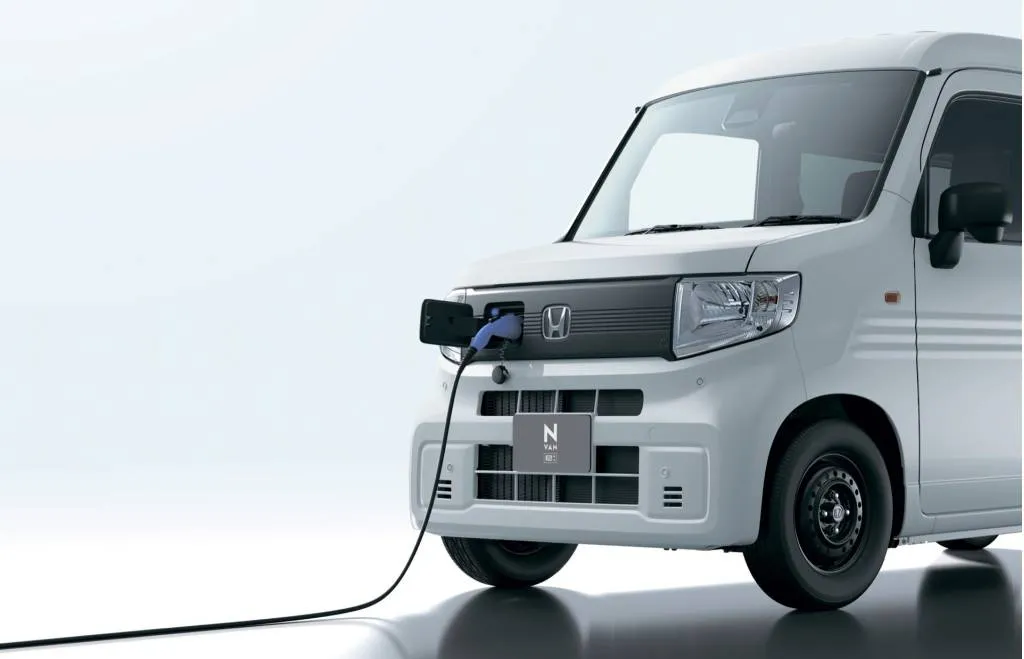
Honda N-VAN e commercial EV
Leases for the vehicle’s battery will be worked around the assumption that when they reach “end-of-life” for vehicle use, the batteries will be used and managed as grid storage batteries.
“Altna will set leasing prices based on the assumption that batteries will be utilized for a long period of time, from on-vehicle to stationary applications, which will contribute to a reduction of the financial burden on EV users,” Honda said, in a release accompanying the announcement.
The new company will also manage the end-of-life recycling of the batteries after they’re used for grid-storage purposes, so as to recover materials used for making new cells. “Altna will continuously monitor the use conditions of EV batteries, and then recover end-of-life EV batteries based on data obtained through long-term monitoring,” the automaker explained.
Finally, the new company will focus in on smart charging. Initially that will be in the form of charging plans that simply charge the vehicle to avoid on-peak grid times, perhaps optimizing for renewable energy. But it will later “proceed with consideration toward offering V2G services with an eye toward the opening up of the electricity market in the future.”
Could battery leasing lead to cheaper US EVs?
Honda CEO Toshihiro Mibe, last year told Green Car Reports and others that it would take a battery breakthrough to be able to offer a small affordable car that might be U.S.-bound. But perhaps all it might take is a new way of looking at how the costs are mapped out.
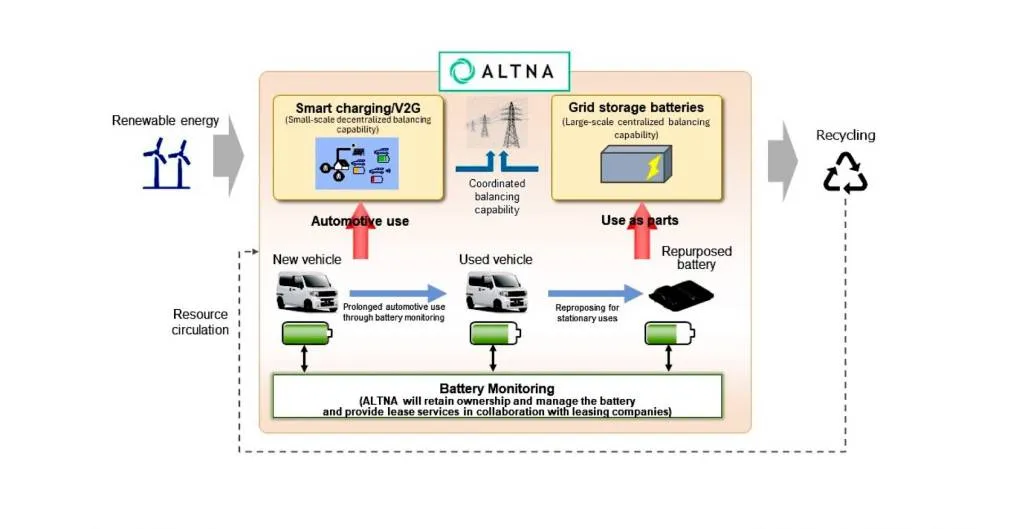
Honda-Mitsubishi Altna battery leasing plan
Battery leasing, also called “battery as a service” as a business model, has in recent years been seen as a way of simultaneously lowering EVs prices while coordinating reuse. Hyundai is looking to create an “ecosystem” around EV batteries, it announced in 2021, and among many companies that have tried battery leasing in other markets include China’s Nio. Years ago, the Renault Zoe in Europe was one of the first EVs to offer such a plan.
So far this company and model is limited to Japan, and it’s unclear whether it might lead to a U.S. effort. American Honda Motor declined to comment to Green Car Reports from a U.S. perspective on how this might affect our market. No automaker has as of yet tried battery leasing in the U.S. on the private-vehicle front. The closest was Vinfast, which initially priced its VF 8 and VF 9 around battery leasing. But it reconsidered the plan, which would have made these models more affordable, before the VF 8 arrived.