
Category: General

New electric cars coming in 2025-2026
We’ve already brought you vehicles like the Acura ZDX, Honda Prologue, and Chevrolet Equinox EV. We’ve driven them, but now it’s time to preview vehicles we know to be in the pipeline, but haven’t had hands-on time with just yet.
These vehicles due in the next two model years represent the next wave: Those planned before $7,500 tax breaks and slowed growth in EV sales collided over the past year. It still represents a class of new vehicles set to supersede those that may have shared a name. Which will prosper—and which will not? We’re just as eager to find out as you are.
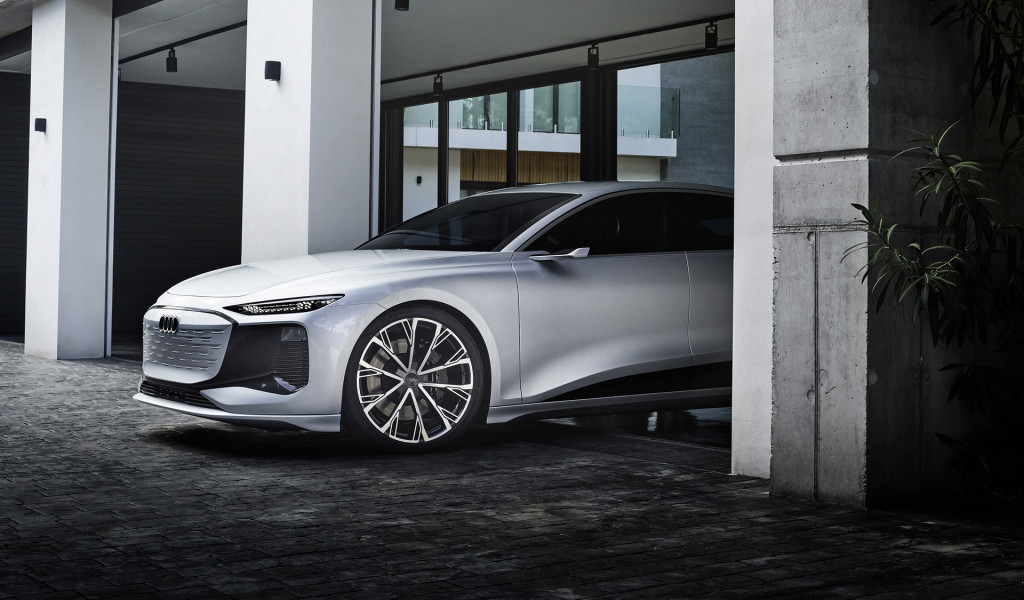
Audi A6 E-Tron
A midsize luxury sedan, the A6 E-Tron will square off against the aged Tesla Model S, in single- and dual-motor editions. A battery of about 100 kwh could deliver more than 300 miles of range and 800-volt technology promises fast charging.
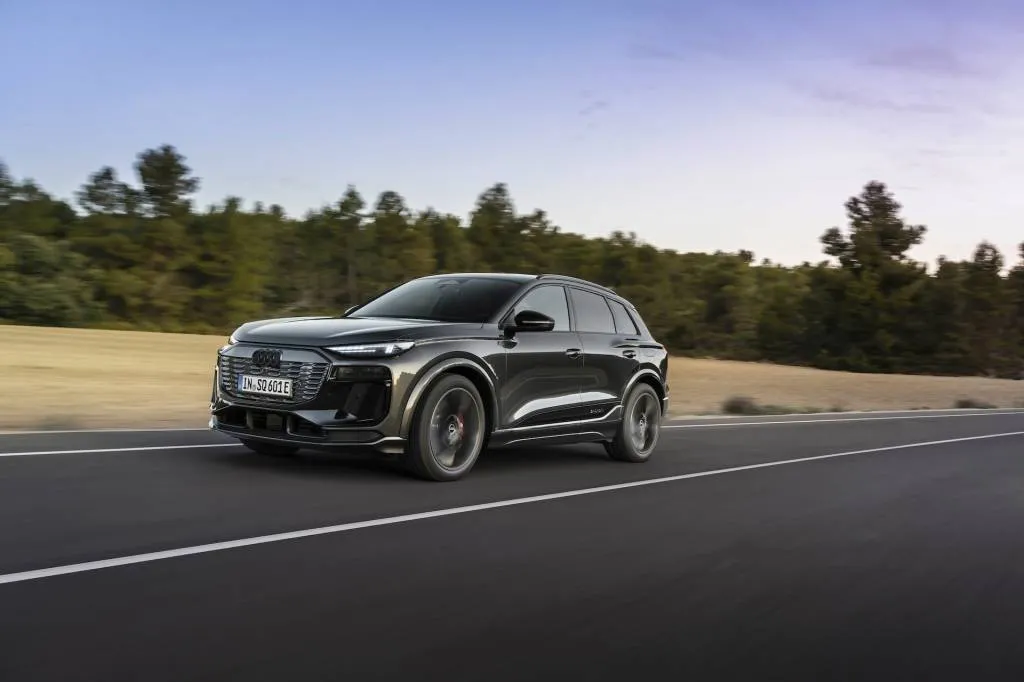
With a battery pack of 94.4 kwh (usable), the Q6 E-Tron subs in as Audi’s midsize SUV. Twin motors—140 kw in front and 280 kw in the rear—bring output to 422 hp. A “boost” mode delivers up to 456 hp. An SQ6 E-Tron drinks more battery juice to send up to 510 hp to all four wheels—for a 0-60 mph run of 4.2 seconds. An RS Q6 E-Tron is in the works.
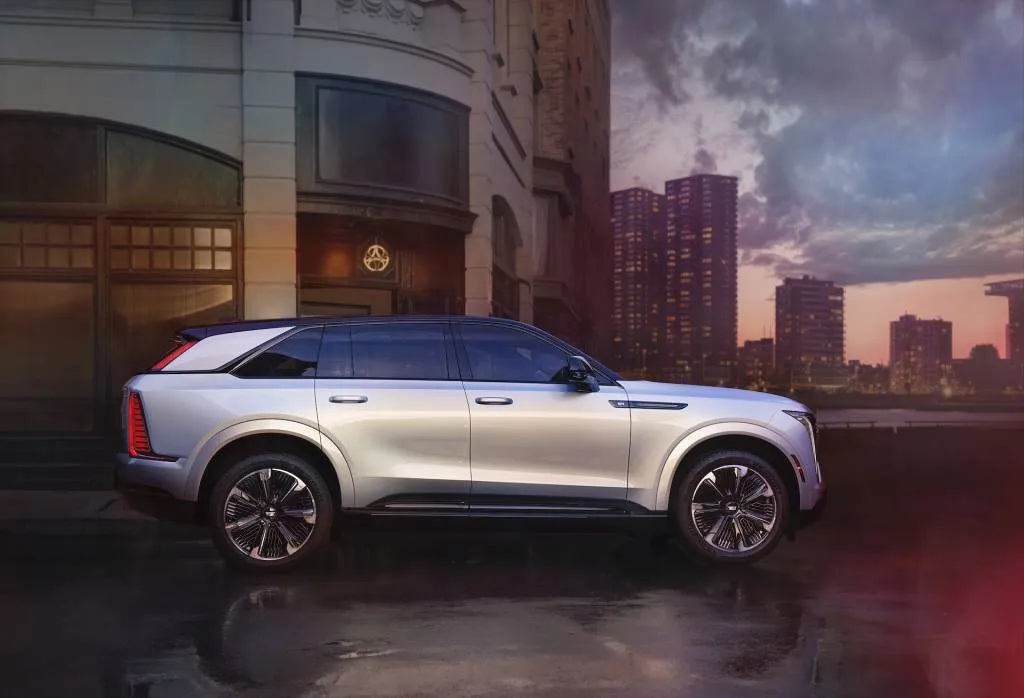
A part of the GM Ultium vehicle family that also includes the Chevy Silverado and GMC Sierra EVs as well as the Cadillac Lyriq, the big Escalade IQ SUV offers a range of up to 450 miles, a battery pack of more than 200 kwh, a vast interior screen that’s 55.0 inches wide, and a price tag near $130,000 when it starts issuing from GM’s Factory Zero.
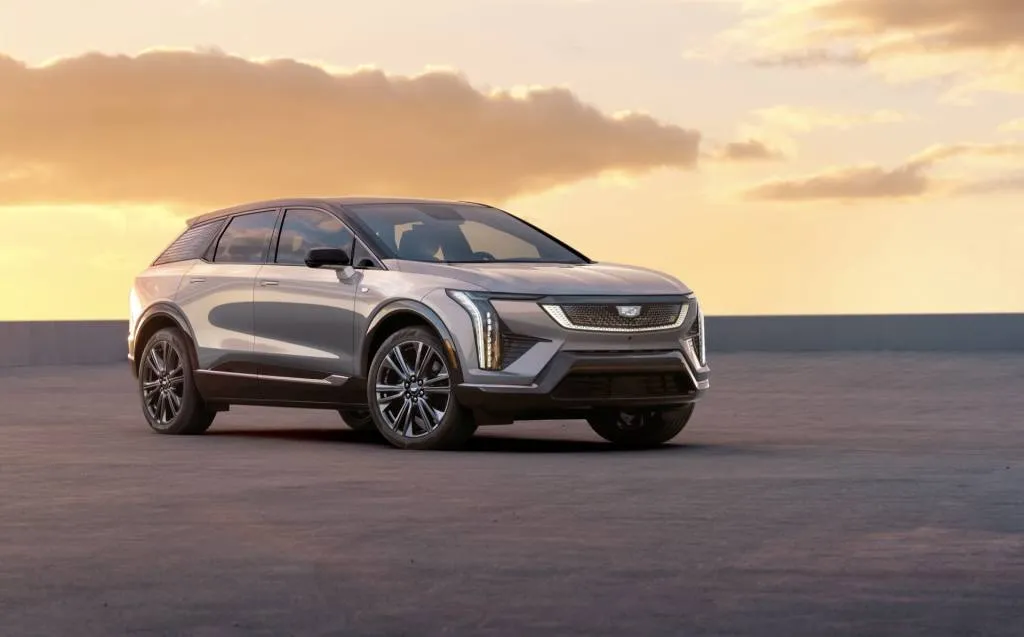
The small Cadillac EV SUV arrives this year with a price of about $54,000 and a range of around 300 miles. It may qualify for the $7,500 EV tax credit—which would bring the price in line with the gas-powered XT5.
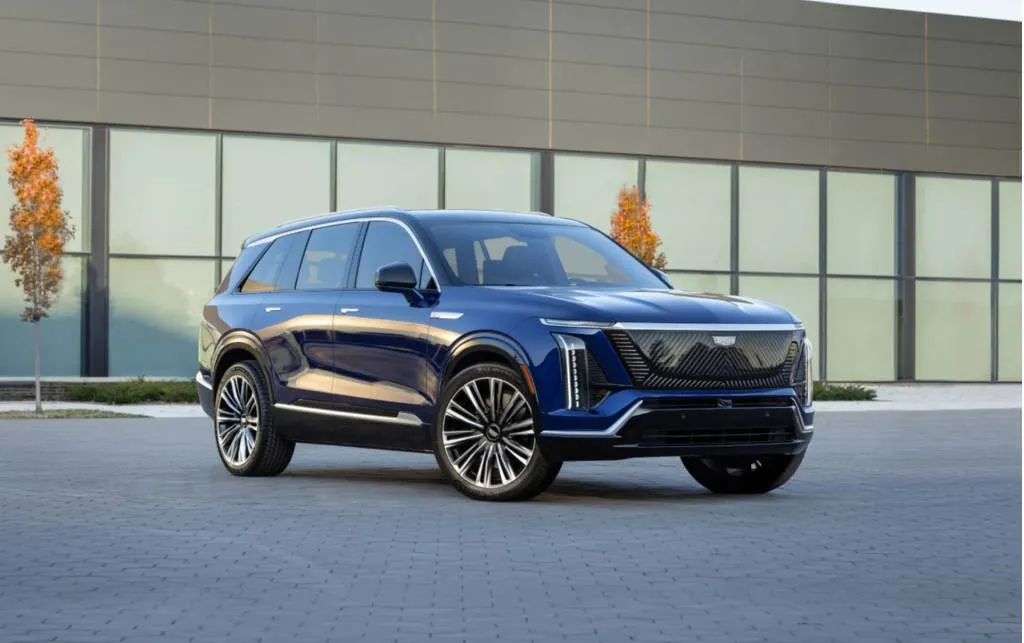
A bigger companion to the Optiq shows up late in 2024. The Vistiq slots between the Lyriq and the Escalade IQ, and shares the same underpinnings as the other large GM Ultium vehicles.
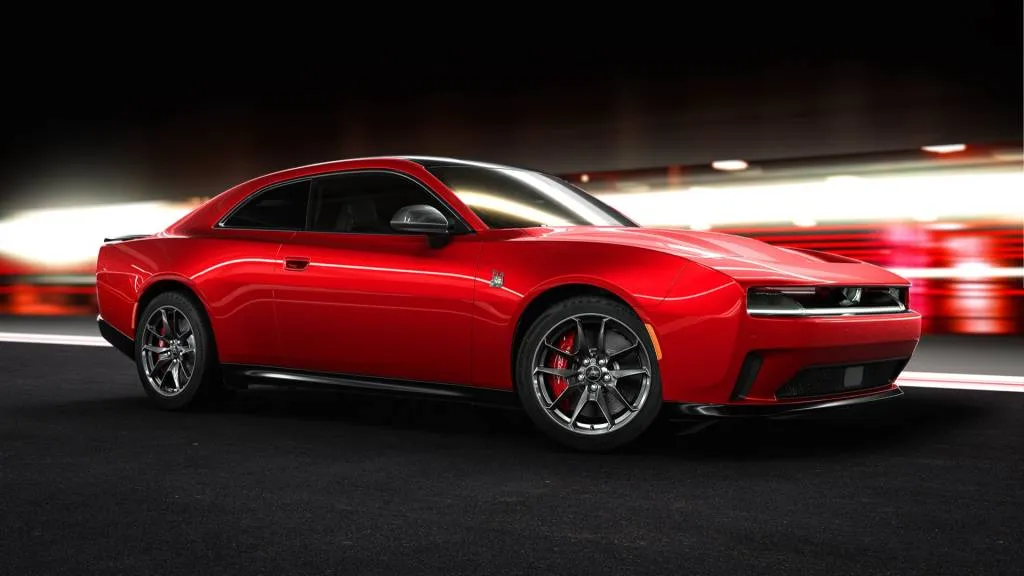
It’s all about PowerShots of battery energy and Fratzonic sounds. The Dodge Charger Daytona EV will be driven by a big battery pack and electric motors at each end, for standard all-wheel drive. This year, R/T and Scat Pack models get the PowerShot, a 15-second boosts of an extra 40 hp, activated via a steering wheel button. That enables it to drill to 60 mph in 4.7 seconds. The PowerShot-enabled Scat Pack edition spins out 670 hp and delivers a 0-60 mph time of 3.3 seconds. Dodge hasn’t settled on the final sound profile it’s programming into the Fratzonic system. It’s also wavered on the EV part: some new Chargers will be offered with a turbo-6 engine.
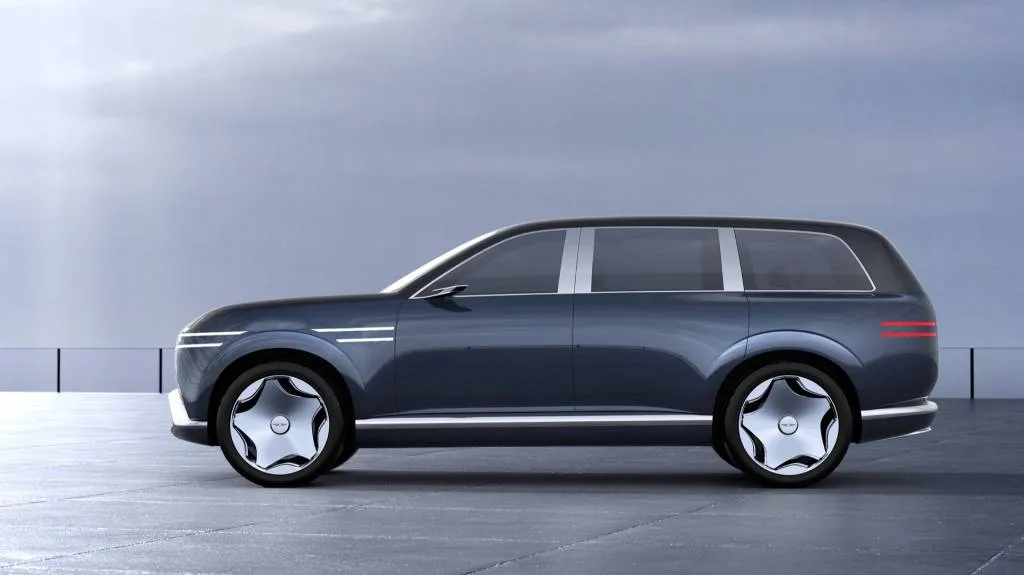
Genesis GV90 and Hyundai Ioniq 7
Hyundai and Genesis have large electric SUVs on the way. Both will share some origin stories with the excellent Kia EV9, which comes with either a 76.1-kwh battery and rear-wheel drive, or a 99.8-kwh battery and rear- or all-wheel drive. The best range for the EV9 falls in at 304 miles. More specs should be published soon, as both vehicles are expected to be on sale by mid-2025.
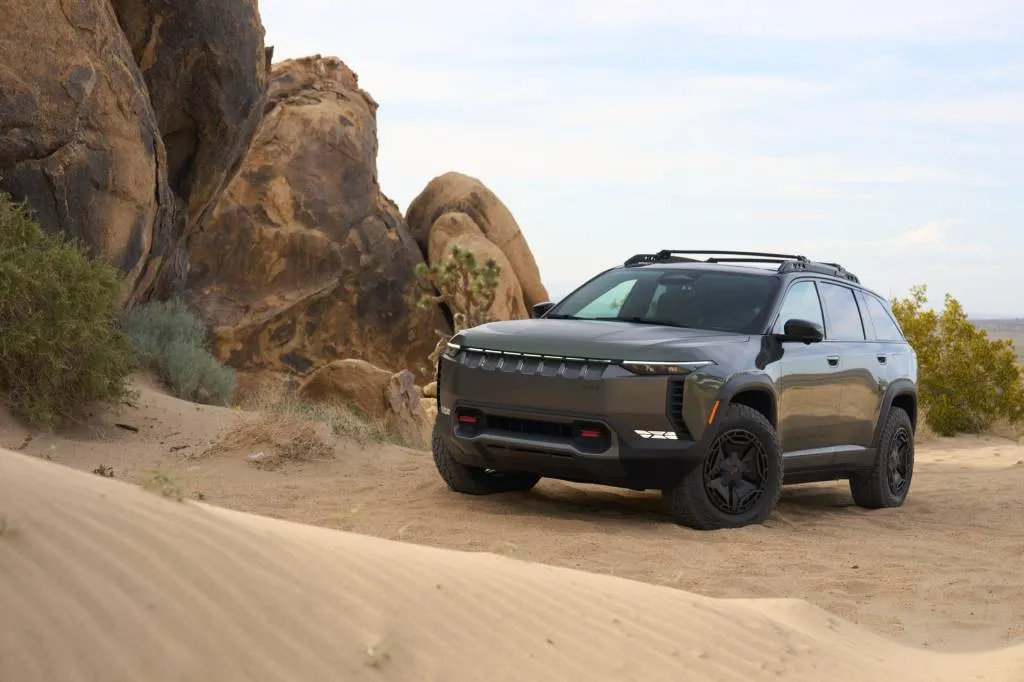
The Wagoneer S is Jeep’s forthcoming battery electric SUV. With a massive pack under the floor, it churns out 600 hp and 617 lb-ft of torque, for a 0-60 mph time of 3.4 seconds. Jeep promises EPA range will exceed 300 miles. Jeep has hinted that a range-extended Wagoneer S will be sold as well.
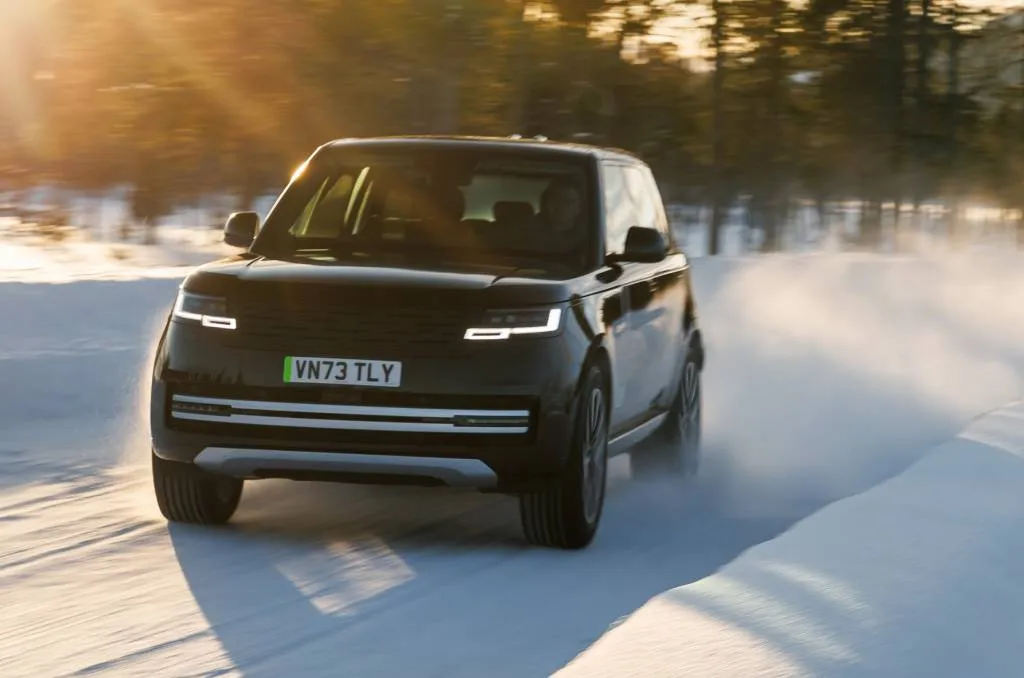
JLR Range Rover EV
The Range Rover Electric debuts late this year, with the same body structure as today’s Range Rover, but with an 800-volt electrical architecture, DC fast-charging, and support for over-the-air updates.
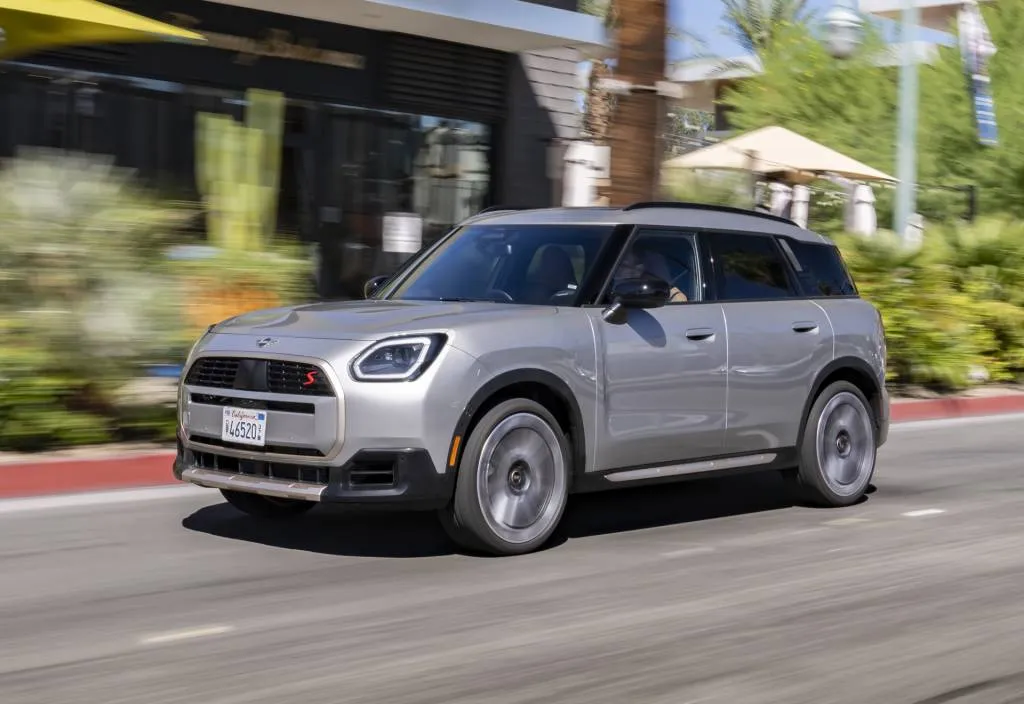
Mini’s next EV comes in the form of the Countryman Electric. It debuts later this year in the U.S., likely with a single motor and 204 hp or a dual-motor setup and all-wheel drive, with 313 hp. Range ratings aren’t expected to exceed 250 miles, if that.
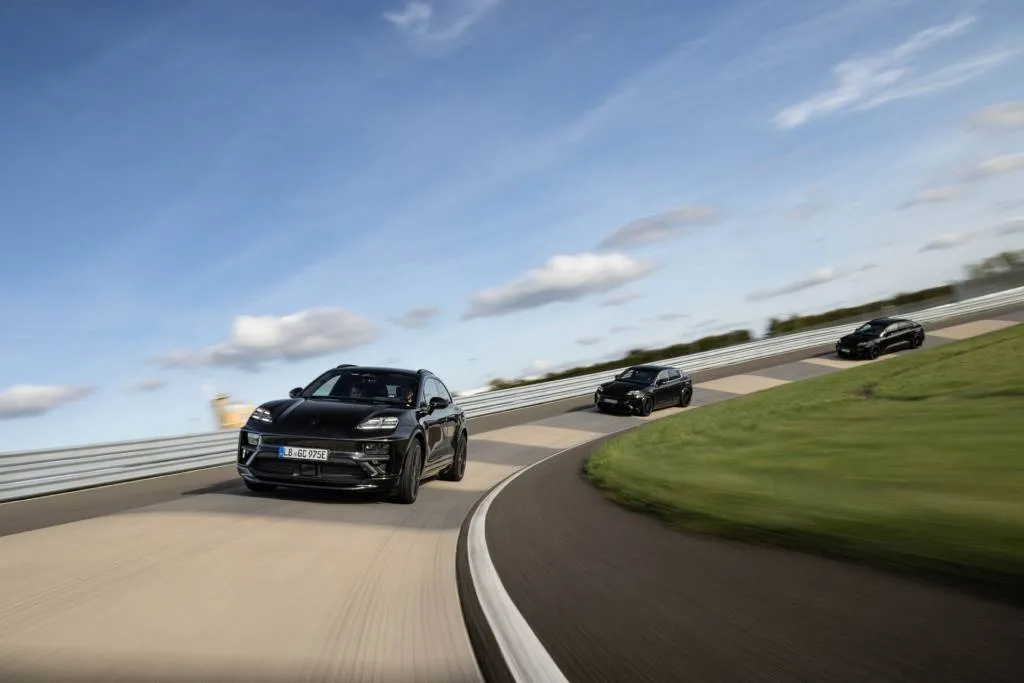
The Macan EV shares some architectural elements with the Audi Q6 E-Tron. All versions will come with two motors and all-wheel drive. Power outputs will range from 382 hp to 630 hp, with 0-60 mph ratings from 4.9 seconds down to 3.1 seconds in the Macan Turbo EV. Porsche will not deliver it with a one-pedal drive mode.
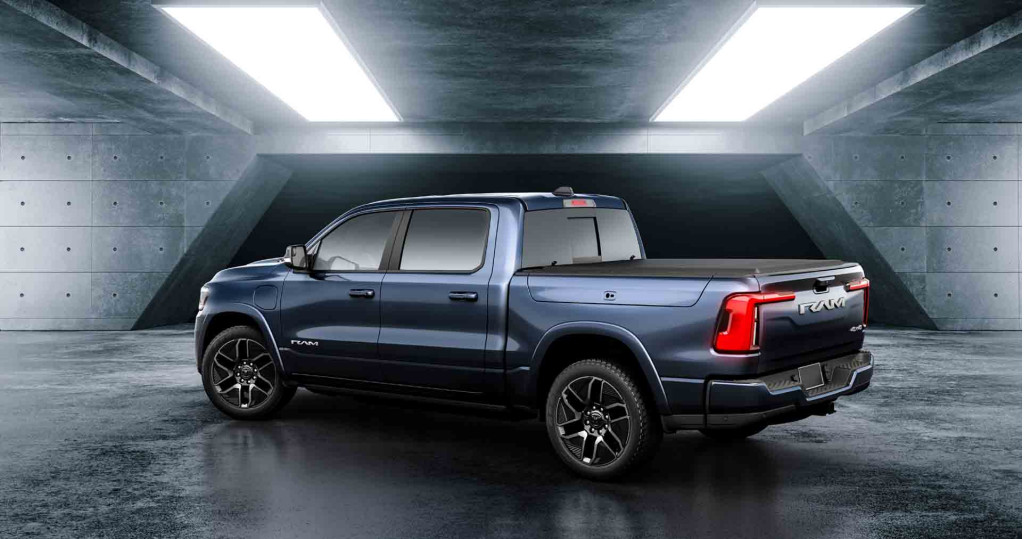
Ram 1500 REV
The Ram 1500 REV spins Stellantis’ large-EV architecture into a pickup body style with an available 229-kwh battery and a targeted range of up to 500 miles. Lesser editions sport a 168-kwh battery pack, which Ram says could deliver up to 350 miles of range. Towing should check in at up to 14,000 pounds—versus the 10,000-pound ratings of rivals Ford F-150 Lightning and Chevrolet Silverado EV.
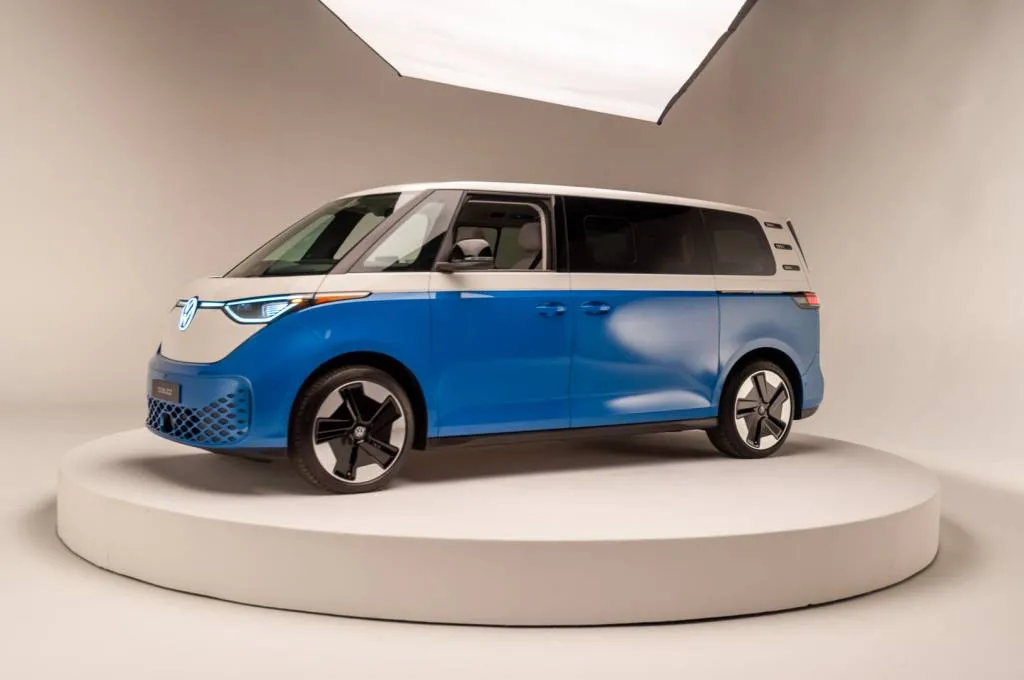
VW’s long-in-gestation Microbus successor finally arrives this fall, with a longer wheelbase and bigger battery pack than early Euro versions. The size of Tesla’s Model X, the ID.Buzz will be priced north of $50,000—at least.
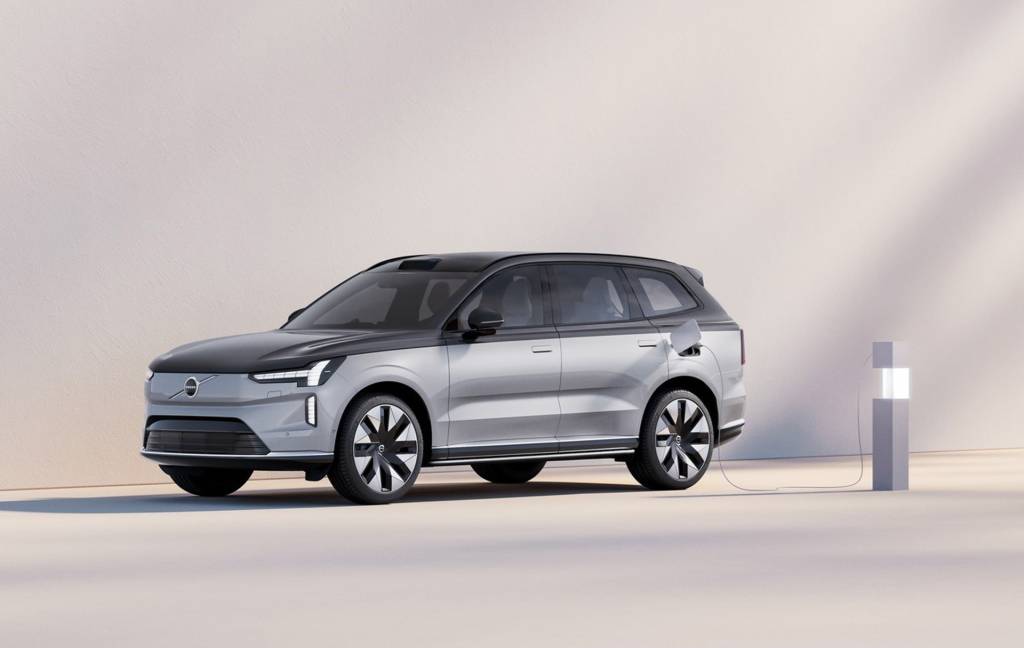
Volvo will finally launch the EX90 this summer. With a base price of $77,990 and seats for seven, the EX90 may qualify for some federal tax incentives. Dual-motor all-wheel drive is standard, with up to 496 hp and 0-60 mph times in the 4.7- to 5.7-second range. Top models get an air suspension, massaging front seats, and a wool-blend upholstery, as well as 25-speaker Bowers & Wilkins surround sound.

Audi E-Tron GT recalled for brake hose tear
- Most Audi E-Tron models are being recalled for a brake hose tear risk
- The same recall was issued for most Porsche Taycan models
- The recall affects the 2022-2024 E-Tron GT and RS E-Tron GT
Audi is recalling 9,653 E-Tron GT models to replace front brake hoses that could tear and leak fluid.
The recall encompasses both standard E-Tron GT and sporty RS E-Tron GT sedans from model years 2022-2024. The affected vehicles may have front brake hoses that can’t stand up to the bending and deflection inherent in normal operation, according to the National Highway Traffic Safety Administration (NHTSA). This can can cause cracks in the fabric material of the hoses, leading to brake fluid leaks.
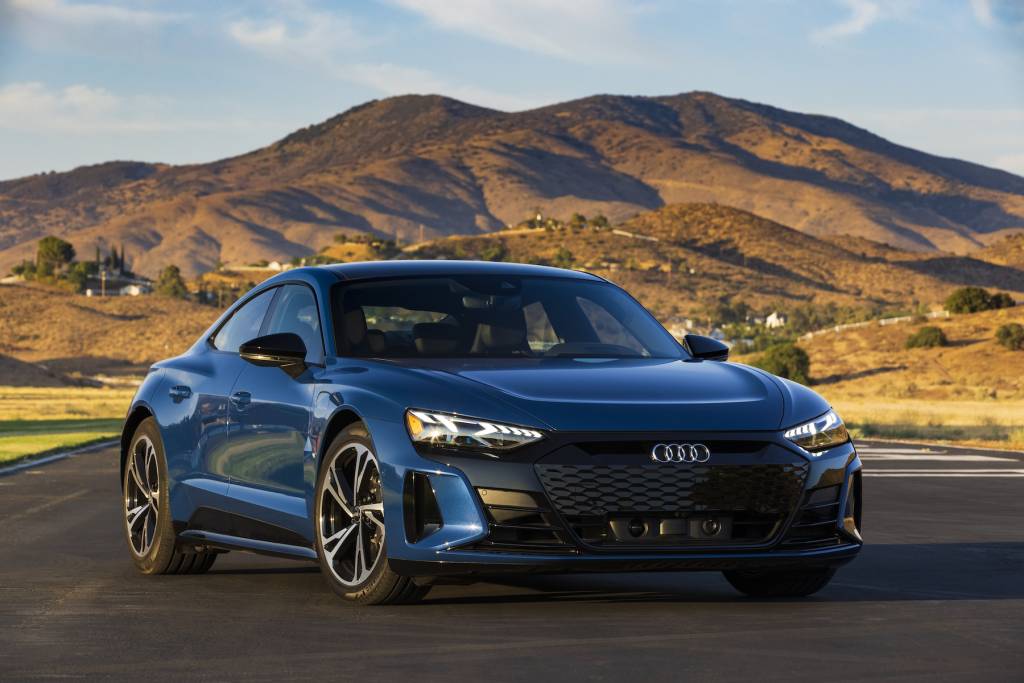
2024 Audi e-tron GT
If this condition occurs, drivers may notice longer brake pedal travel, or see a dashboard warning light, Audi said, adding that while it has received two warranty claims related to this problem, it is unaware of any related crashes or injuries.
Audi dealers will replace the front brake hoses free of charge. The automaker expects to mail owner notification letters on August 16, 2024. Owners can visit Audi’s recall page or contact Audi at 1-800-253-2834 and reference recall number 47UP, or contact the NHTSA at 1-888-327-4236 and reference recall number 24V465000.
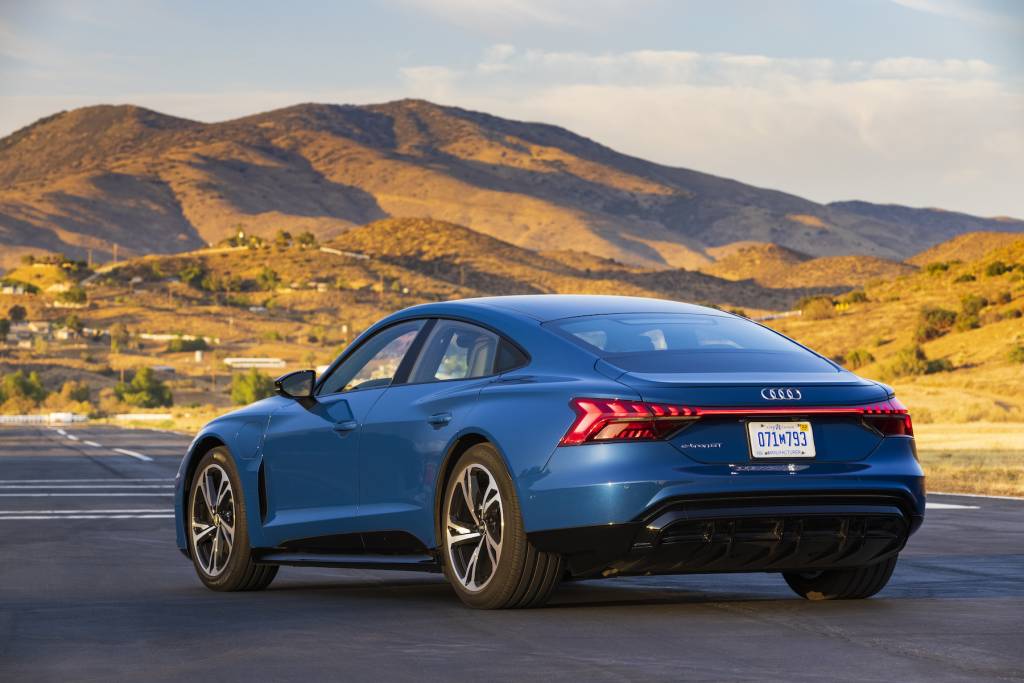
2024 Audi e-tron GT
The related Porsche Taycan, which shares the E-Tron GT’s J1 platform and 800-volt electrical architecture, is also being recalled for front brake hoses that can crack and leak. Porsche is recalling 31,689 cars from model years 2022 to 2025. It’s also replacing front brake hoses free of charge.
The E-Tron GT launched for the 2022 model year and gets an update that boosts efficiency and range. Audi is also reshuffling the lineup, dropping the base E-Tron GT and replacing with a new S E-Tron GT grade. That leaves the RS E-Tron GT as the middle child, with a new RS E-Tron GT Performance grade above it. Launch timing for the U.S. will be announced later this year.

Audi A6 E-Tron to be detailed this summer
- The A6 E-Tron is an all-electric version of the long-running Audi A6 sedan
- Will be based on the Premium Platform Electric (PPE) architecture used by the Audi Q6 E-Tron and Porsche Macan Electric
- Previewed by a 2021 concept
Audi will unveil the A6 E-Tron, an all-electric version of the stalwart sedan, later this summer.
This will be the second Audi model to use the Volkswagen Group’s 800-volt Premium Platform Electric (PPE) dedicated EV platform, which debuted earlier this year on the Audi Q6 E-Tron and Porsche Macan Electric SUVs.
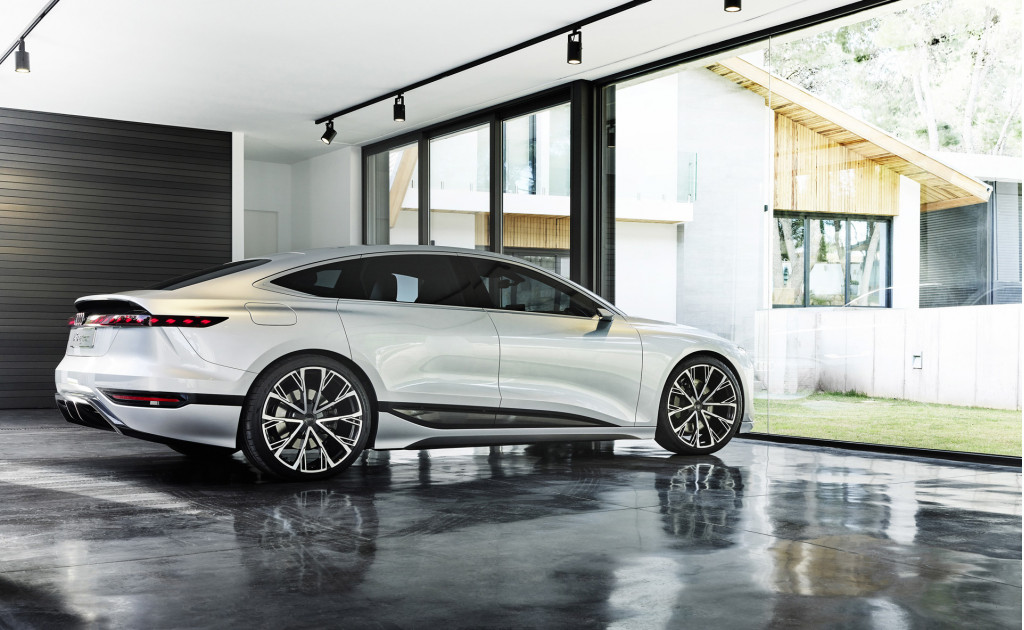
Audi A6 E-Tron Concept – 2021 Shanghai auto show
Audi previewed the A6 E-Tron in 2021 with a concept of the same name. That concept, which Audi at the time said was 95% production ready, featured fastback styling closer to the current Audi A7 than the A6, while being roughly in sync with both models in size.
The concept featured a dual-motor all-wheel drive powertrain rated at 469 hp and 590 lb-ft of torque, with acceleration to 62 mph in less than four seconds. A 100-kwh battery pack was good for 300 miles of range, Audi said at the time of the concept’s unveiling, with charging from 5%-80% in less than 25 minutes thanks to the PPE platform’s 800-volt electronics.
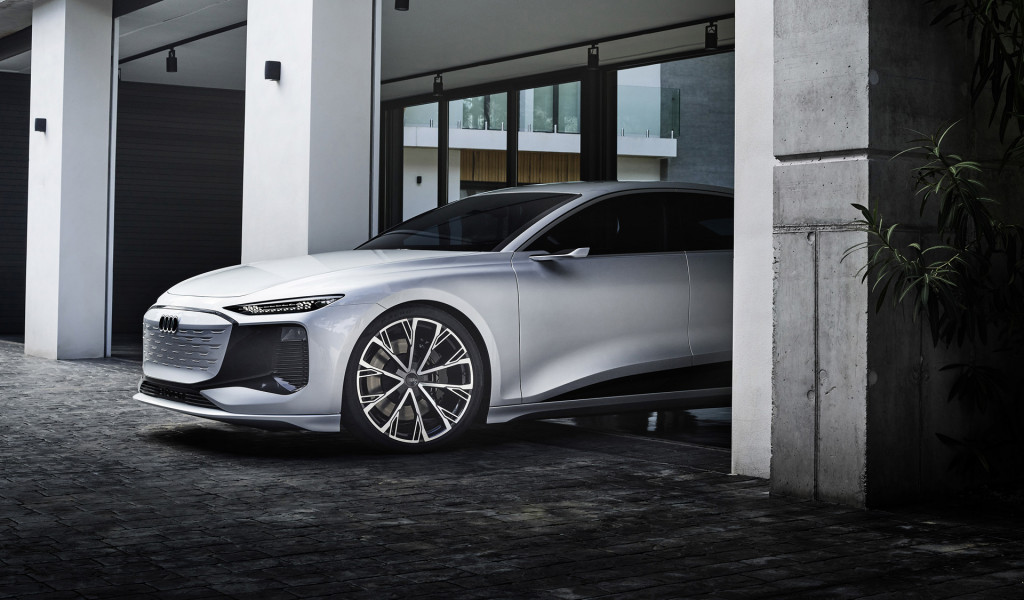
Audi A6 E-Tron Concept – 2021 Shanghai auto show
A wagon version, or Avant in Audi speak, is planned as well, although it may not debut alongside the sedan this summer. It’s also unclear whether an Audi A6 Avant E-Tron will reach the U.S. The BMW i5 Touring, a wagon version of what its likely to be one of the A6 E-Tron’s closest rivals, is not coming here. The A6 E-Tron sedan, though, is expected to reach the U.S. early next year as a 2025 model.
Unlike rival Mercedes-Benz, which has delayed its EV targets and plans to keep combustion models in its lineup into the 2030s, Audi is committed to launching its last gas-powered car in 2026 CEO Gernot Döllner said in March during the announcement of the automaker’s 2023 financial results. That will likely see the A6 E-Tron completely replace the internal-combustion A6 sedan and A6 Avant in the future.

Fisker recalls over 12,000 Oceans because doors might not open
- Over 12,500 Fisker Ocean owners have a new issue
- The Ocean’s exterior door handles could stick and fail to open
- Fisker has filed for bankruptcy
Fisker is recalling 12,523 Ocean electric SUVs globally because of an issue that could cause exterior door handles to stick and fail to open, the company announced Friday.
The recall encompasses 8,204 vehicles in the U.S., 513 in Canada, and 3,806 in Europe, according to a company press release. In the U.S., Oceans were delivered as both 2023 and 2024 models. Fisker estimates that 2.5% of vehicles could have the defect, which the company attributes to a “malfunctioning mechanism.”
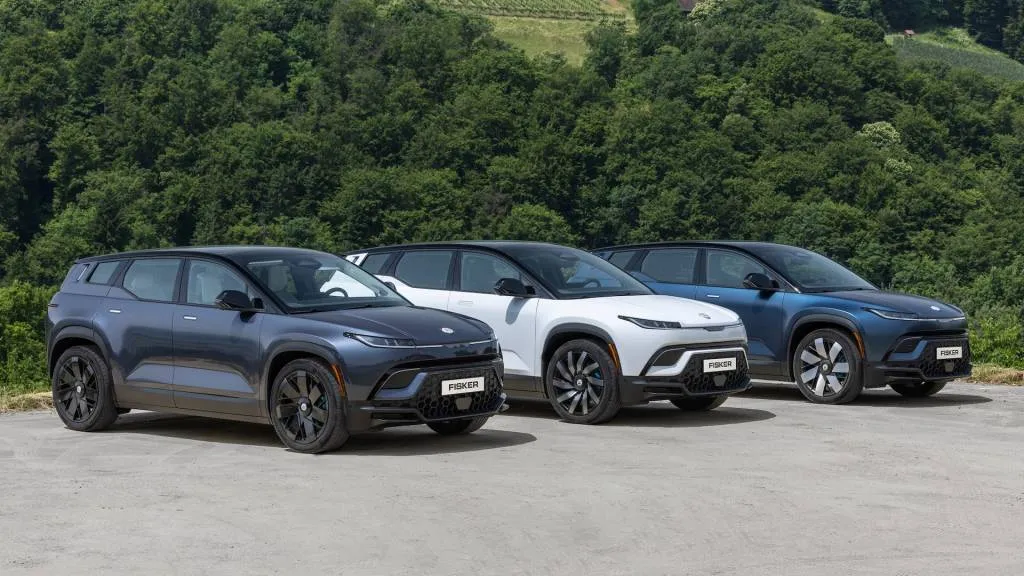
Fisker Ocean
Fisker will inspect all four exterior door handles on affected vehicles with a “specialized force checking tool” provided by the supplier of the door handles, and will replace them if necessary, free of charge.
Owner letters are expected to be mailed August 30. Owners can also contact Fisker at 1-844-347-5371 and reference recall number TSB55062401, or contact the National Highway Traffic Safety Administration (NHTSA) at 1-888-327-4236. The NHTSA’s reference number for this recall is 24V466000.
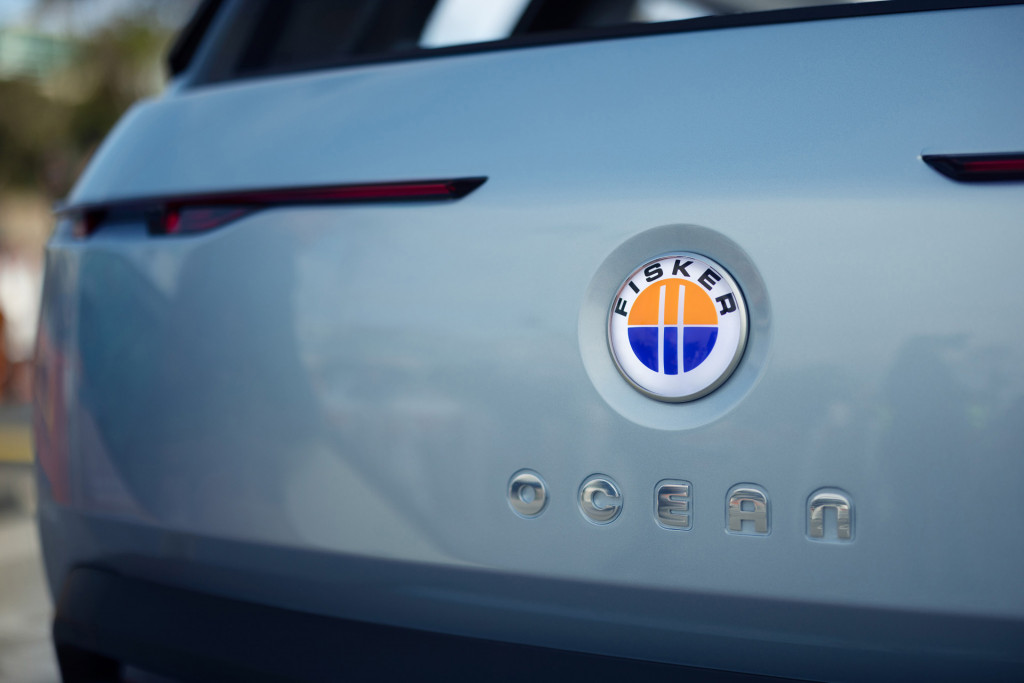
2023 Fisker Ocean
This is the third recall of the Ocean in this month alone, and the NHTSA has four open investigations into issues related to the vehicles, according to Reuters. Fisker, which filed for bankruptcy earlier this month, contracted assembly and some development work to Magna, which built the Ocean at the same Austrian factory where the Jaguar I-Pace is assembled.
Ocean production was slow to ramp up, but once it did, sales were even slower. Left with a glut of undelivered EVs, Fisker paused production in March as it sought to draw down inventory and seek additional funding. Around the same time, Fisker slashed prices by up to $24,000 while, with concerns about quality issues already creeping in, Tesla began freezing Oceans out as trade-ins.

John O’Leary on the affordability gap for zero-emissions vehicles (Episode 257)
Daimler Truck North America’s CEO discusses where he thinks hydrogen fits in commercial trucking and what role incentives play in increasing vehicle affordability. He also shares his perspective on charging infrastructure availability.

Porsche Taycans recalled because brake hoses can crack and leak
- Porsche recalled 31,689 Taycans model years 2022 to 2025
- The recall stems from an issue with the front brake hoses
- Porsche will notify owners beginning July 3
Porsche is recalling 31,689 Taycan models due to the potential for faulty front brake hoses that can crack and leak fluid.
The affected vehicles include those from model years 2020 to 2025, from when the Taycan was first introduced right up to the current model year, which saw an updated Taycan range.
These vehicles have front brakes hoses that may become stressed at the point of minimum bending radius, potentially leading to damage of the hoses’ inner fabric liner, according to a National Highway Traffic Safety Administration (NHTSA) recall report. This stress can occur when the hoses are compressed during “certain steering and driving conditions,” the report said.
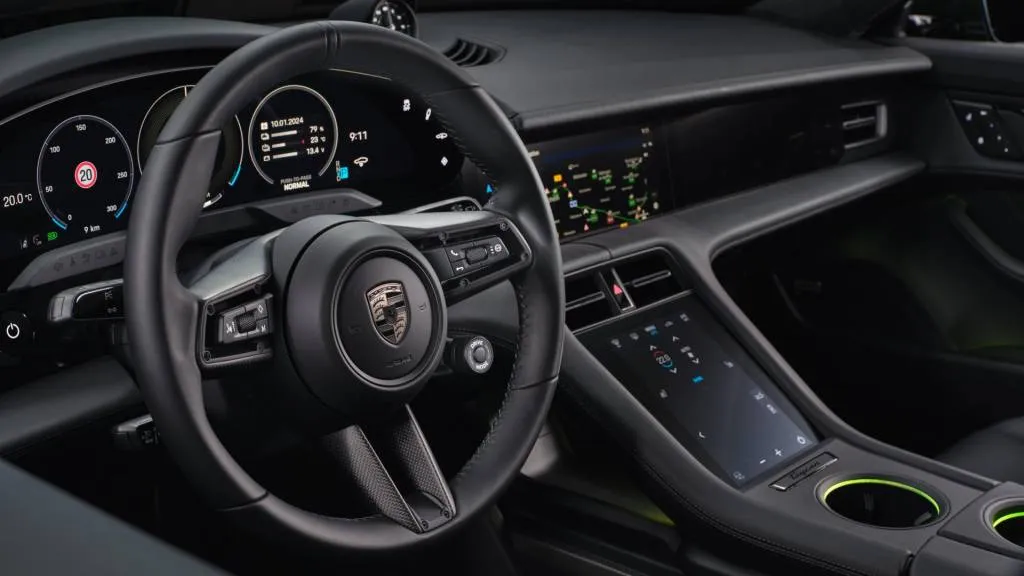
2025 Porsche Taycan
“The safety of our customers is of paramount importance,” a Porsche spokesperson told Green Car Reports. “Out of abundance of caution, Porsche recently decided to conduct a recall to replace front brake hoses in the affected Porsche Taycan vehicles due to potential for a leak. If this occurs the driver is alerted via notification messages in the instrument cluster. Customers will be notified in due course, and the remedy will be free of charge.”
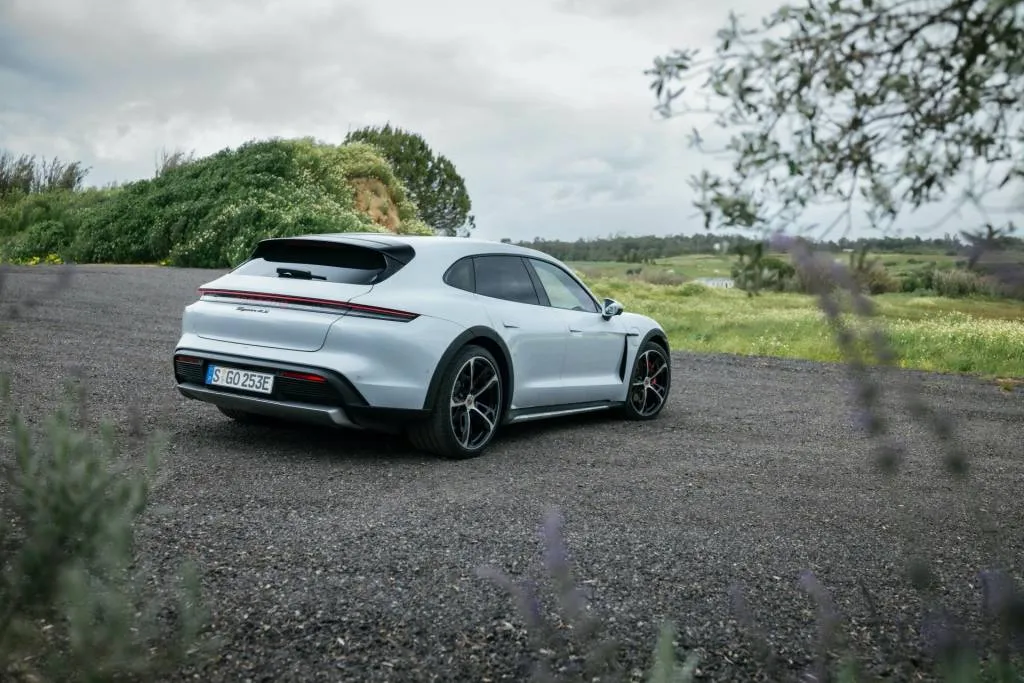
2025 Porsche Taycan
Dashboard warning messages may include “brake fluid low” or “PSM failure.” The new brake hoses being installed by dealers have an increased bending radius. These new hoses were also implemented in production on May 13, 2024, so vehicles built after that date already have them from the factory.
Owner notification letters are expected to be mailed on July 3. Owners looking for further information can contact Porsche at 1-800-767-7243 or visit Porsche’s recall page. Owners can also call the NHTSA at 1-888-327-4236. The agency’s reference number for this recall is 24V455000.

2025 Volvo EX90 launching with battery drain issue
- The three-row electric crossover SUV can lose up to 3% of charge while parked, initially
- Features such as Apple CarPlay and front cross-traffic alerts will activate later with a software update
- Plug & Charge and bidirectional charging initially won’t be available either
Production of the 2025 Volvo EX90 electric SUV started earlier this month in South Carolina, but the first vehicles will be delivered without certain software-based features—and with an unresolved battery-drain issue.
Volvo sent an email to customers, first spotted by a Motor1 reader, stating that vehicles will initially lack Apple CarPlay and some promised safety features, front cross-traffic alerts with forward automatic emergency braking, a feature designed to detect obstacles crossing the vehicle’s path, and functionality for the EX90’s built-in lidar unit.
In addition, while the first vehicles will feature adaptive cruise control and Volvo’s Pilot Assist highway-driving system, they will initially lack a planned feature that automatically reduces speed for curves.
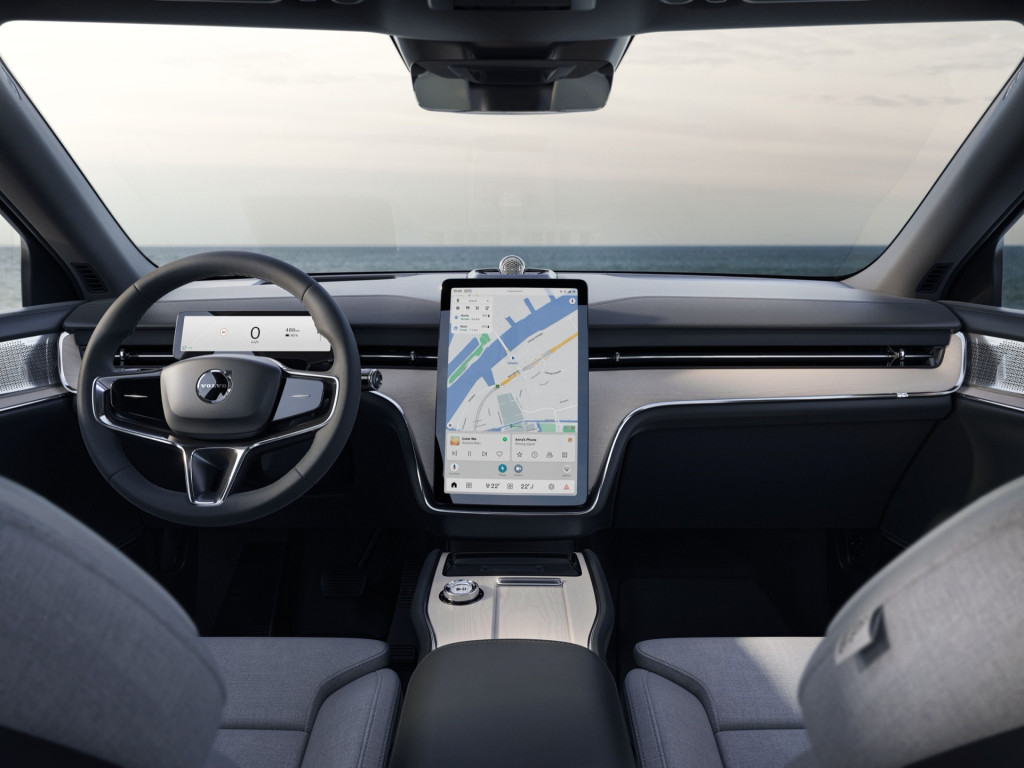
2025 Volvo EX90
Vehicles will also initially use some energy while parked to keep the core computer powered up. Volvo claims this will be less than 3% of battery capacity over 24 hours, and will stop if the vehicle is parked without charging for more than 72 hours. Plug & Charge and bidirectional charging will also be disabled at launch.
The missing features will be added free of charge with future over-the-air updates, which will also add a light theme for the central touchscreen and digital instrument cluster. A Volvo spokesperson added that the requirement to use battery power to run the core computer while parked will also be addressed with a future update.
Unveiled in November 2022, the EX90 was originally scheduled for first deliveries in early 2024, but was held back due to software issues that apparently weren’t completely resolved. Volvo now plans to deliver the first U.S. customer cars in the second half of this year.
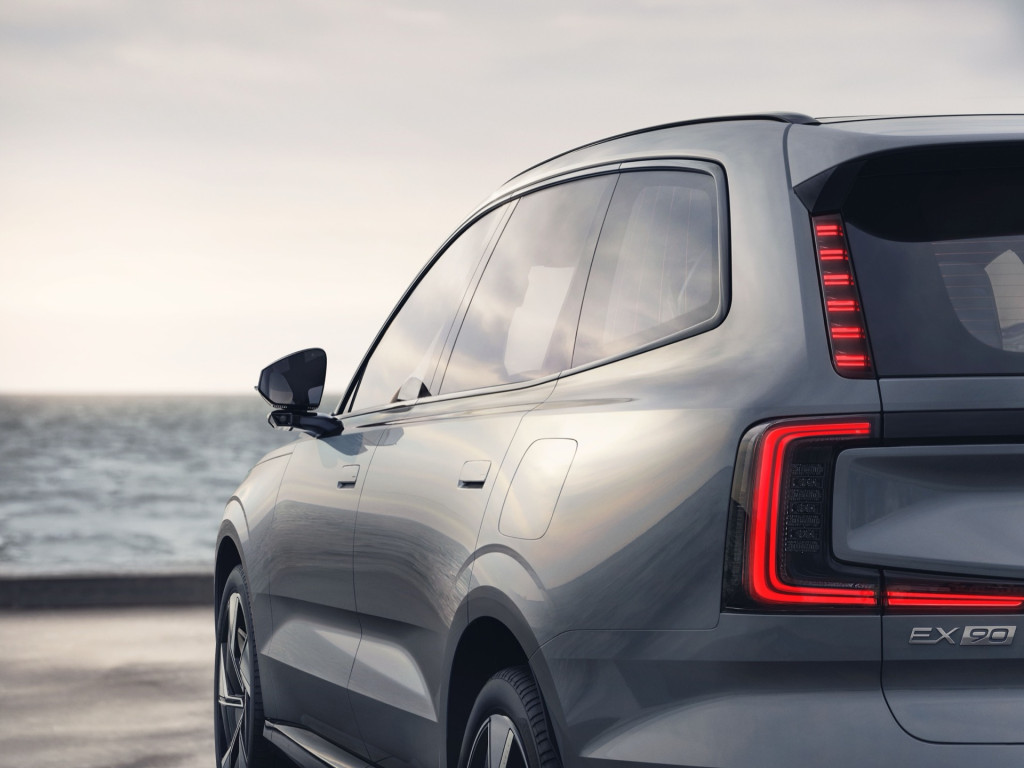
2025 Volvo EX90
The same software-related delay also affected the Polestar 3, which is slated to start production alongside the EX90 in South Carolina in August. It’s unclear if the Polestar will also ship with missing features.
The two SUVs share a platform, but the Polestar is a two-row model while the EX90 is sold in three-row form with either a second-row bench or captain’s chairs. Those configurations are priced from $77,990 and $78,490 with destination, respectively, meaning at least some of the lineup will likely land under the $80,000 federal EV tax-credit price cap.
Volvo this week also confirmed that the entry-level 2025 EX30 will be delayed. Instead of arriving in the U.S. this summer as originally planned, deliveries of the small electric crossover have been delayed to 2025. This will allow Volvo to source vehicles for the U.S. from Ghent, Belgium, rather than China as originally planned—which avoids possible new tariffs on China-made vehicles.

Ferrari may offer $7,500 subscription for EV battery service, replacement
- Report suggests Ferrari will offer an annual subscription for its EV battery warranty
- The subscription would cost about $7,500 per year
- It would include battery replacements after eight years
Ferrari plans to launch its first electric vehicle next year, and the company may offer an extended warranty for the battery to ease concerns of buyers looking to make the switch from gas to electrons. It could also establish a new source of revenue for the company.
Citing people familiar with the matter, Bloomberg reported on Wednesday that Ferrari is readying a battery extended warranty for both its future EVs and hybrids.
Per the report, the warranty would be offered in the form of an annual subscription costing around 7,000 euros (approximately $7,500). It would cover all aspects of maintaining the battery, as well as defects related to the battery.
It would also include regularly scheduled battery replacements after eight years, ensuring there’s no major loss in performance over the life of the vehicle. This is vital for Ferrari, whose cars are often kept on the road for decades.
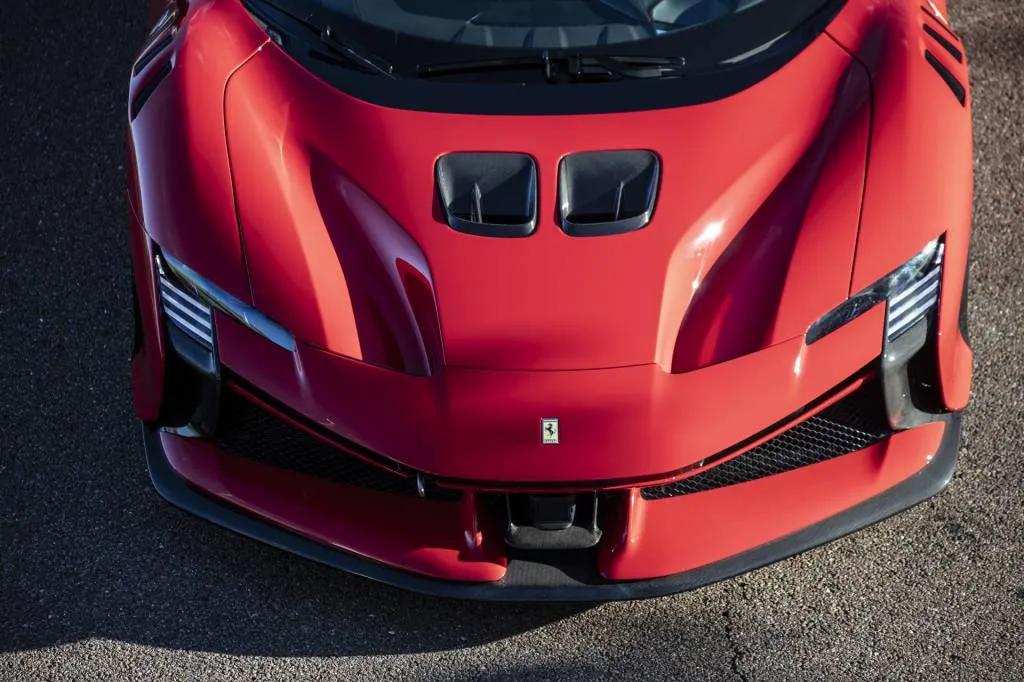
Ferrari SF90 XX Stradale
Ferrari’s cars currently include a standard three-year factory warranty. For hybrid models, this warranty extends to five years, covering the battery and related components. According to Bloomberg’s sources, Ferrari’s EVs will also receive this standard level of coverage.
Most automakers with EVs are offering warranties around eight years for the battery, including pure-play EV companies like Rivian and Tesla.
Ferrari hasn’t said much about its first EV, apart from it debuting in late 2025 and starting volume production the following year. It’s thought to be a low-slung SUV, like the V-12-powered Purosangue, and will cost more than $500,000, according to a report earlier this month from Reuters. Such a price will make it one of the most expensive Ferraris that is not in limited production.

Ferrari e-building
Production of the EV, and future EVs from the automaker—a second is thought to already be in the works—will be handled at a new plant dubbed the E-Building located next to Ferrari’s existing plant in Maranello, Italy. The plant’s flexible production system means gas, hybrid, and electric vehicles can be built there, allowing Ferrari to adjust the mix depending on demand.
The additional capacity provided by the plant will allow Ferrari to increase its annual production to approximately 20,000 vehicles, up from the current 14,000.