
Category: General

2026 Genesis Electrified G80 goes long on luxury and comfort
- Genesis has updated its midsize sedan with a long-wheelbase model
- Luxury touches include power door closers and airline-style rear seats
- U.S. versions will be 2026 models, with prices to come
Genesis has revealed an updated version of its Electrified G80 just two years after the battery-powered midsize sedan first went on sale.
The car made its formal debut on Thursday at the 2024 Busan auto show in Korea, and will be available in the U.S. as a 2026 model. This points to an arrival in showrooms sometime next year.
The current Electrified G80 is already an impressive sedan, and rather than mess with the winning formula, Genesis focused on further refining the sedan, as well as dialing up the luxury features.
The key update is a wheelbase that’s about 5.1 inches longer, which results in more legroom for rear-seat passengers. Genesis also made changes to reduce noise, vibration, and harshness levels.
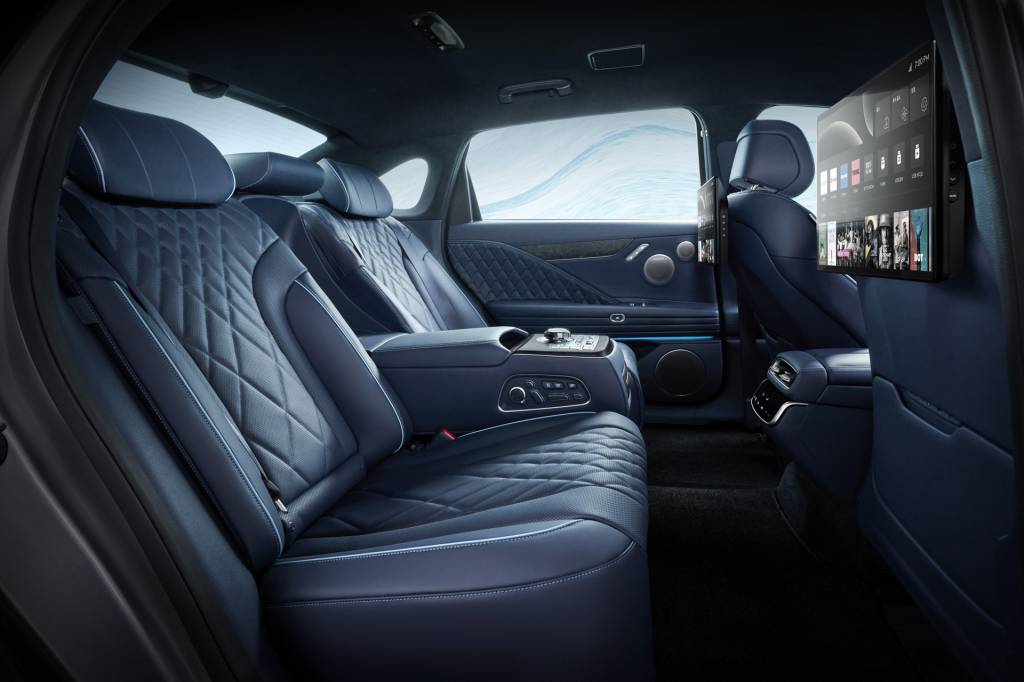
2026 Genesis Electrified G80 (Korea spec)
There are also new options normally reserved for luxury sedans in much pricier segments than the $80,000-bracket in which the Electrified G80 sits. These include a pushbutton system for closing the doors, as well as a rear-window curtain, and executive-style seats with leg rests.
Other changes include a new 27-inch display combining a digital gauge cluster and infotainment system, a revised front fascia, new dish-style 19-inch wheels, an electronically controlled charging port cover, and headlights with micro-lens array technology. This uses thousands of tiny lenses that help focus the light emitted from an LED, resulting in a brighter, cleaner light.
Genesis hasn’t mentioned any change to the powertrain. The current Electrified G80 comes with a dual-motor all-wheel-drive powertrain rated at 365 hp. The sole battery is an 87.2-kwh unit. The EPA’s range estimate for the car is 282 miles.
Genesis said U.S. specifications for the 2026 Electrified G80 may differ and will be announced at a later date.

Election 2024: Where the candidates stand on EVs, climate science, and more
On November 5, 2024, voters will head to the polls to choose the 47th President of the United States. To describe this election as unprecedented perhaps sells it short. In no other election in the past century have the stakes been so high for the automotive industry—and on a higher plane, for climate science and for democracy itself. With the two major-party candidates set to square off in a debate, it’s time to examine their past, present, and future—and their qualifications to become our next leader.
How can I watch the presidential debate on June 27, 2024?
On June 27, 2024, the major-party candidates will debate in Atlanta. The debate will be hosted by CNN and will be aired live on that network and streamed on its website. The 90-minute debate also will be carried by other major news networks including ABC, CBS, NBC, Fox and News, and will be streamed on YouTube and dozens of other services.
In order to qualify for the debate, candidates had to earn at least 15% of interest from those polled in four national polls of registered or likely voters—a list vetted by the news network. They also would have to appear on enough state ballots to have a legitimate chance to earn 270 electoral votes, the minimum required to be elected President without the election being decided by the House of Representatives.
There will be no studio audience in Atlanta, and in a set of rules written by the network and agreed to by the candidates, microphones will be coordinated to minimize candidates speaking over others’ response times. It begins at 9:00 p.m., Eastern Time, and will be moderated by Jake Tapper and Dana Bash. Only two candidates have qualified for this debate: President Joseph Biden and former president Donald Trump.
Here’s where all of the candidates stand on the issues above—first, the major-party candidates, then others, in alphabetical order:
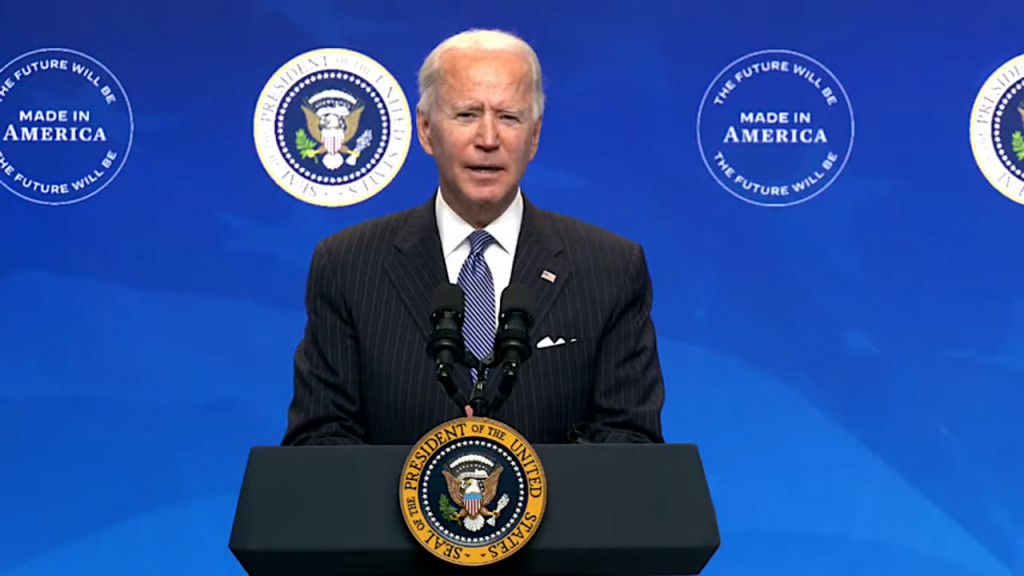
Biden aims to make federal fleet all-electric
President Joseph R. Biden
Party: Democratic
Vice President: Kamala Harris (since 2021)
Experience
- Vice President, 2009-2017
- U.S. Senator from Delaware, 1973-2009
- Former Presidential candidate, 1988 election (dropped out of the race in 1987)
Policy and positions
Climate science: Biden successfully campaigned for and implemented a massive infrastructure bill that vastly increased public support for electric vehicles, charging infrastructure, and climate-change mitigation. But while the Biden administration has pushed hard for tough new standards that should reduce the effects of carbon pollution, it also has presided over massive increases in domestic oil production.
Electric vehicles: The Biden administration has had to dial back its hopes for stringent new EPA fuel-economy standards, though those due to become law in the next decade are still expected to stimulate demand for electric vehicles as well as for plug-in hybrid vehicles. Biden has also been a highly visible advocate for new EVs, taking rides in the GMC Hummer EV and inadvertently suggesting that an electric Corvette is on the way (he owns a classic model of the sports car).
Democracy: President Biden has voiced support for various voting-rights actions including the John Lewis Voting Rights Advancement Act, which would ease access to mail-in balloting, make Election Day a federal holiday, and would supplant measures invalidated by the Supreme Court’s 2013 Shelby decision. The Shelby decision gutted the standards for voter redistricting in states that had been under Federal Election Commission oversight. Biden has laid out his opinion of his predecessor in stark terms: for his culpability for the events of January 6th, 2021, the former president, Biden says, remains a threat to democracy.
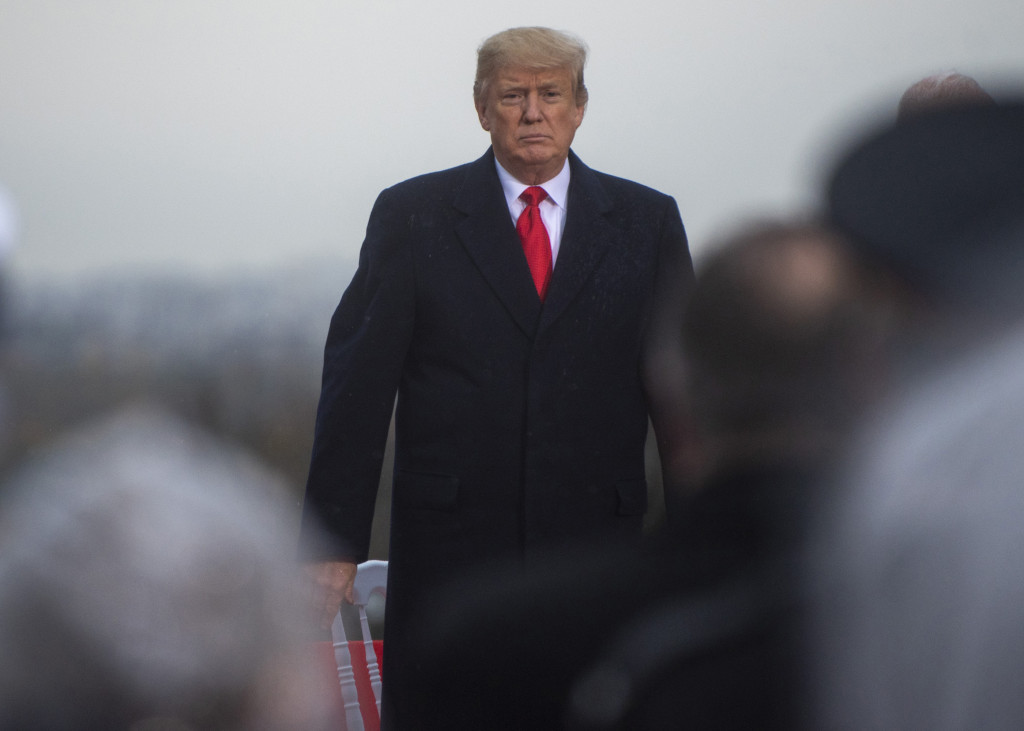
President Donald Trump (Photo courtesy DoD)
Donald J. Trump
Party: Republican
Vice President: Yet to be named
Experience
- Former President, 2017-2021
Policy and positions
Climate science: Trump told major oil-industry donors at a recent fundraiser at his Mar-A-Lago resort that, were they to donate $1 billion to his campaign, that he would gut all of the current administration’s actions that would boost the sales of electric vehicles. During his administration, Trump attempted to revoke California’s authority to set its own emissions standards, part of a larger campaign involving Supreme Court cases that would diminish or disrupt the work of agencies such as the EPA, the so-called administrative state. He has deemed climate change to be “a hoax.”
Electric vehicles: Though he once owned a Tesla Model S, former president Trump has repeatedly voiced disdain for electric vehicles: he has threatened to levy a 100% tariff on Mexico-made EVs, which would slam the brakes on a host of popular EVs sold in the U.S., including the Chevrolet Equinox EV and the Ford Mustang Mach-E.
Democracy: The former president has been charged with a range of crimes in connection to plots to disrupt the transfer of power after the November 2020 election, which he lost to Joseph Biden. Both the criminal trial on charges filed in the District of Columbia, and that filed in Georgia for state-related election interference, have been delayed while the Supreme Court debates whether U.S. presidents enjoy complete or partial immunity for crimes committed while in office.
In unrelated cases, Trump was found guilty on 34 counts of falsifying business records in New York State, in relation to hush-money payments made to adult actor Stormy Daniels. Prior to that, he was held liable for the sexual abuse of E. Jean Carroll and for asset inflation in New York that resulted in a $450 million civil penalty.
Trump also faces charges that he mishandled classified documents in a Florida court. No trial date has been set.
A host of Trump Cabinet members have indicated that they will not vote for him for a second term—as has former Vice President Michael Pence (R.-Ind.).
Other Candidates
Robert F. Kennedy, Jr.
Party: Independent
Vice President: Nicole Shanahan
Experience
- Attorney and talk-radio host
- Founded clean-water advocacy group Waterkeeper Alliance
- Boosted Children’s Health Defense Fund into its current place as the prominent anti-vaccine advocacy group
Policy and positions
Climate science: As a lawyer, Politico points out, Kennedy served clients who sued for stronger environmental protections. As a candidate, he has criticized the Biden administration’s spending on clean energy, and has called climate change “hysteria.” His shifting positions on not just climate but other humane issues such as vaccinations have been called “weird” and “baffling” by MSNBC.
Electric vehicles: Kennedy has advocated for UAW members who assemble electric cars, but his positions on Biden administration policies that would boost EVs in the U.S. have equated those policies with totalitarianism.
Democracy: Kennedy, in response to what he believes is censorship of his social media channels, told CNN that he could make the argument that President Biden is a bigger threat to democracy than Donald Trump. He suggested that he would choose NFL quarterback Aaron Rodgers as his Vice President, before he ultimately chose Silicon Valley attorney Nicole Shanahan.
Jill Stein
Party: Green
Vice President: Yet to be named
Experience
- Physician and previous presidential candidate
Policy and positions
Climate science: Stein believes that prior efforts for a “Green New Deal” didn’t go far enough, and warns about “climate collapse.” Shy on specifics, Stein posted on X that what’s needed is “massive investment in green jobs & technologies to revitalize the American economy, improve our lives, protect our planet and safeguard our children’s future.”
Electric vehicles: Stein advocates for a full ban on new fossil fuel infrastructure, The Washington Post reports, and a universal switch to renewable energy sources by 2030.
Democracy: Stein believes that the system of two political parties has ruined our democracy. “Voters have a right to choose and to try to shove down the throats of voters two zombie candidates from two zombie parties,” she told News Nation, “that really have been serving the economic elites…is incredibly undemocratic.” Critics suggest that any votes Stein draws in the handful of states where she will appear on the ballot will draw from Biden totals, thus handing the presidency to Trump.
Cornel West
Party: Independent
Vice President: Yet to be named
Experience
- Political activist
- Professor at a clutch of Ivy schools, including Harvard and Princeton
- Theologian and philosopher
Policy and positions
Climate science: West believes that “only through unity, sustainable development, and unwavering commitment to renewable energy can we hope to restore balance and ensure a thriving planet for all.” He proposes climate reparations for communities harmed by global warming.
Electric vehicles: West’s platform advocates a quick and complete end to fossil fuel dependency.
Democracy: West said in 2003 that “democracy means more choices, not backroom deals; it means freedom to vote your conscience without being shamed or bullied.” He has described former president Trump as a “bonafide gangster and neofascist.” NBC News has reported that Republican politicos have been trying to find ways to boost West’s prospects in competitive states where he has gained ballot access.

EV owners report more new car problems than industry average
- Electric vehicles fall far below gasoline-powered vehicles in initial quality, in J.D. Power’s latest survey
- Polestar, Rivian and Tesla weren’t ranked, but the survey didn’t score them highly
- Owners don’t like vehicle functions embedded in touchscreens
On average, owners of new EVs reported more problems than owners of internal-combustion vehicles in the 2024 J.D. Power Initial Quality Study.
The annual study is based on owner reports of problems with new vehicles, and assigns a score to individual models and brands based on problems per 100 vehicles. This year, J.D. Power surveyed 99,144 purchasers and lessees of 2024-model-year vehicles in the U.S., and also incorporated data on repair visits to franchised dealerships for the first time. The results weren’t encouraging for EVs.
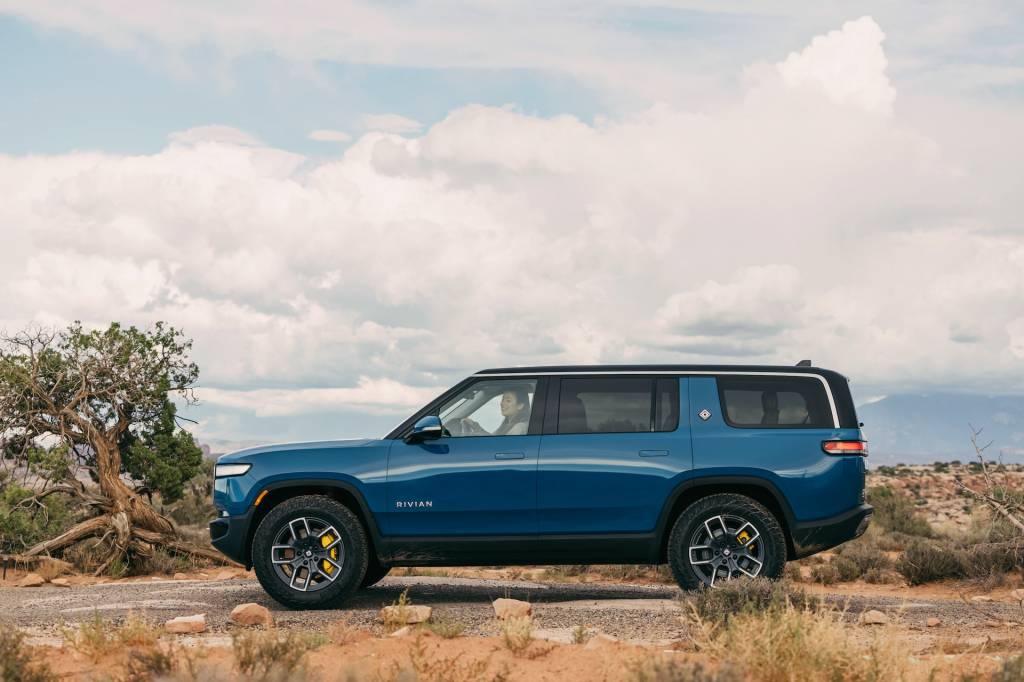
2024 Rivian R1S
Electric cars averaged 266 problems per 100 vehicles, compared to 180 problems per 100 vehicles for gasoline and diesel vehicles. The industry average for brands, across all powertrain types, was 195 problems per 100 vehicles. Mass-market brands averaged 181 problems per 100 vehicles, while premium brands were higher at 232 problems, which J.D. Power attributes to the often more-complicated tech features these brands deploy.
Among the all-EV brands included in the study, Polestar averaged 316 problems per 100 vehicles while Tesla and Rivian both average 266 problems. These brands didn’t qualify for rankings, but J.D. Power noted that Tesla’s initial quality was roughly level with that of EVs from traditional automakers.
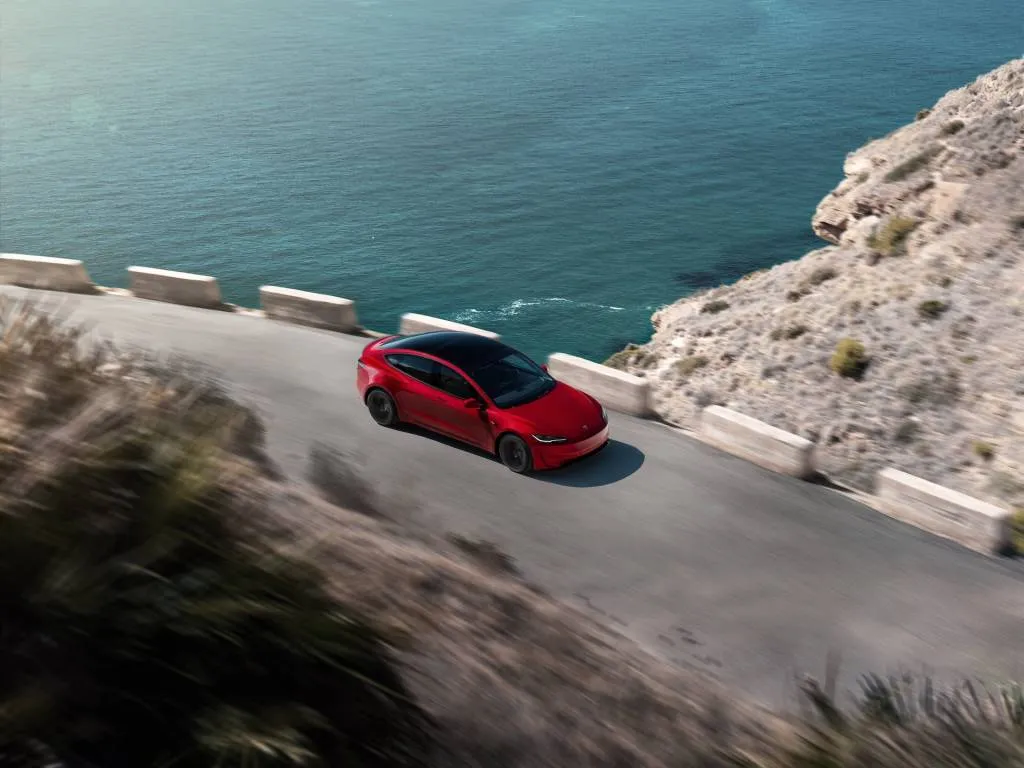
Tesla Model 3 Performance
Tesla has performed better in the past, J.D. Power noted, adding that the removal of conventional controls like turn signal and wiper stalks “has not been well received by Tesla customers.” Indeed, some of those customers are adding them back to the Model S, Model X, and the recently introduced Model 3 refresh, known as the Highland. But controls, displays, and tech features were a problem for EVs overall, the study found, with 30% higher problems per 100 vehicles compared to gasoline models.
These findings echo other recent J.D. Power studies. In its 2025 Vehicle Dependability Study, which looked at owner-reported issues in the first three years ownership, J.D. Power found that EVs and plug-in hybrids were more trouble-prone than hybrids. In its 2022 Initial Quality Study, J.D. Power emphasized that EV powertrains aren’t especially trouble-prone, but all the other tech is.


Rivian teases five vehicles in investor presentation
- Rivian teased five future vehicles that are in the works
- The teaser comes alongside the new that VW invested $5 billion into Rivian
- The upcoming vehicles might include a smaller pickup truck and SUVs along with less expensive EVs
Rivian hinted at five new electric vehicles in the works in an investor presentation held on June 26 to outline Volkswagen Group’s planned investment of up to $5 billion to establish a technology joint venture.
The slide was first made public by Bloomberg’s Corey Cantor and shows vehicles, some of them shrouded, stacked in four columns corresponding to the platforms the vehicles will sit on.
The Gen 1 column shows Rivian’s current R1S SUV and R1T pickup truck, plus the commercial van the company originally developed for Amazon.
The Gen 2 column represents the updated platform that Rivian presented earlier this month in updated versions of the R1S and R1T arriving for the 2025 model year. It’s safe to assume the mystery vehicle in the Gen 2 column is an updated version of the commercial van.
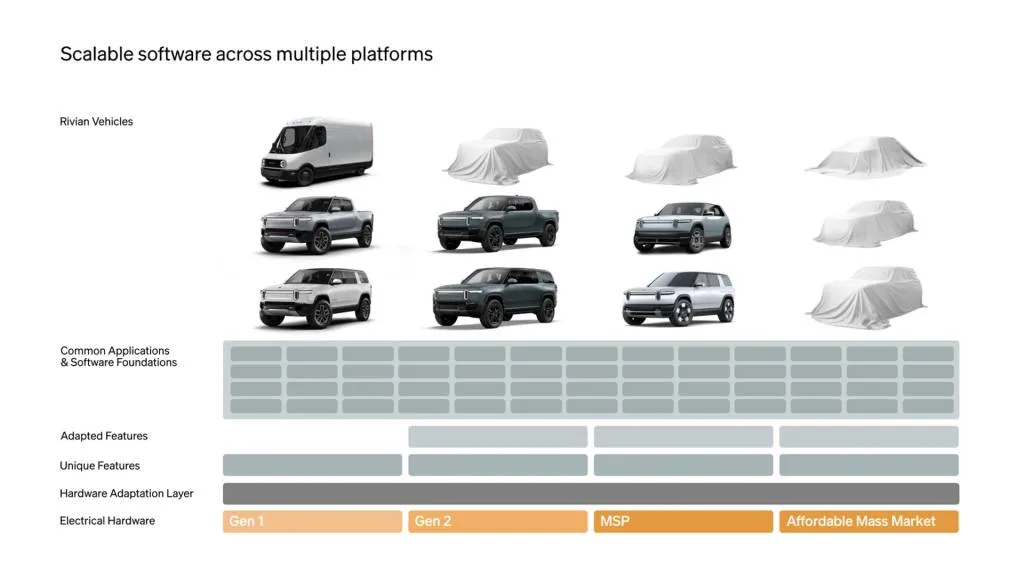
Slide from Rivian investor presentation outlining deal with Volkswagen Group – June 2024
The third column is for a platform Rivian refers to as the MSP, short for “Midsize platform.” This is the platform for the upcoming R2 crossover and R3/R3X hatchback, and images of those vehicles are featured on the slide in the MSP column. There’s also a shrouded vehicle, the identity of which is unknown. A smaller pickup truck based on the platform is one possibility, though it may also be a smaller commercial vehicle.
Perhaps the biggest surprise on the slide is what Rivian refers to as the Affordable Mass Market platform. There are three shrouded vehicles associated with this platform, the identities for which are also unknown.
Considering Rivian has already confirmed a starting price of $45,000 for the R2 crossover, the R3 range will presumably be priced lower than that. With the Affordable Mass Market platform, Rivian may be planning to launch EVs priced to compete with Tesla’s affordable EV which Tesla CEO Elon Musk has hinted at costing as low as $25,000.
Rivian is scheduled to hold another investor presentation later today and may provide additional information on the mystery vehicles during the event.

Volvo EX30 delayed until 2025 in US due to tariffs

- Volvo’s newest model, the EX30 small electric crossover has been delayed until 2025
- Volvo cited tariffs imposed by the U.S. on EVs made in China, where the EX30 was set to be produced
- Volvo accelerated the shift in production away from China to its factory in Ghent, Belgium
The Volvo EX30 small electric crossover will not arrive for the U.S. market this summer, as originally planned. On Wednesday, Volvo Car USA told dealers that deliveries have been delayed until 2025.
Volvo said it will offer customers with preorders unspecified options to drive other new Volvos until the most affordable vehicle in Volvo’s stable arrives.
Originally, the base EX30 Core with a single motor and rear-wheel drive was priced at $36,245, including destination. That made it one of the most affordable EVs except for the Nissan Leaf. In testing of March this year, the fun-sized hatch felt like a deal too good to be true. The dual-motor AWD Ultra topped the lineup at $47,895.
Volvo spokesperson Russell Datz cited reasons beyond Volvo’s control for the delay.
“There have been a lot of changes in the global automotive landscape since we made the announcement (late in 2023),” Datz told Green Car Reports in a phone interview. “Tariffs did play a role in that decision.”
Last year, Volvo planned to shift production of the affordable EV from China to Ghent, Belgium, starting in 2025. That was before the Biden administration announced in May 2024 a hike in EV tariffs from 25% to 100%. The tariff on lithium-ion batteries and other critical elements in the battery parts supply chain increases from 7.5% to 25%.
In another salvo aimed at cheap electric cars from China flooding the global market, the European Union last week proposed a 38% tariff on imports of EVs from China.
Currently, there is no domestically produced EV with a starting price as low as what was planned with the EX30.
As Volvo accelerates its production ramp in Ghent, the delivery date for the EX30 in the U.S. is sometime in 2025. There are no plans for domestic production, such as at the Swedish brand’s plant in Charleston, South Carolina, that started producing the 2025 Volvo EX90 electric three-row crossover SUV in June.
Volvo could not commit on if the EX30 would still be badged a 2025 model when it eventually arrives.

Used EVs to avoid? Model S, Chevy Bolt top Consumer Reports’ list
- Certain used model year hybrids, plug-in hybrids, and EVs have higher-than-average problems
- Consumer Reports advises to stay away from the 2019-2022 Chevy Bolt and 2019-2021 Tesla Model S
- EVs often launch with new and complicated interfaces that frustrate owners
Used car prices have fallen 10% over the past year, with EVs seeing some of the biggest drops. But an unreliable used car can erode some of the savings from a low purchase price with heftier repair bills.
Consumer Reports on Monday highlighted used cars to avoid—with several hybrids, plug-in hybrids, and EVs among them. The list is based on data from the publication’s Annual Auto Surveys, in which owners report problems with their vehicles for specific model years. The model years of EVs listed here showed higher-than-average rates of problems.
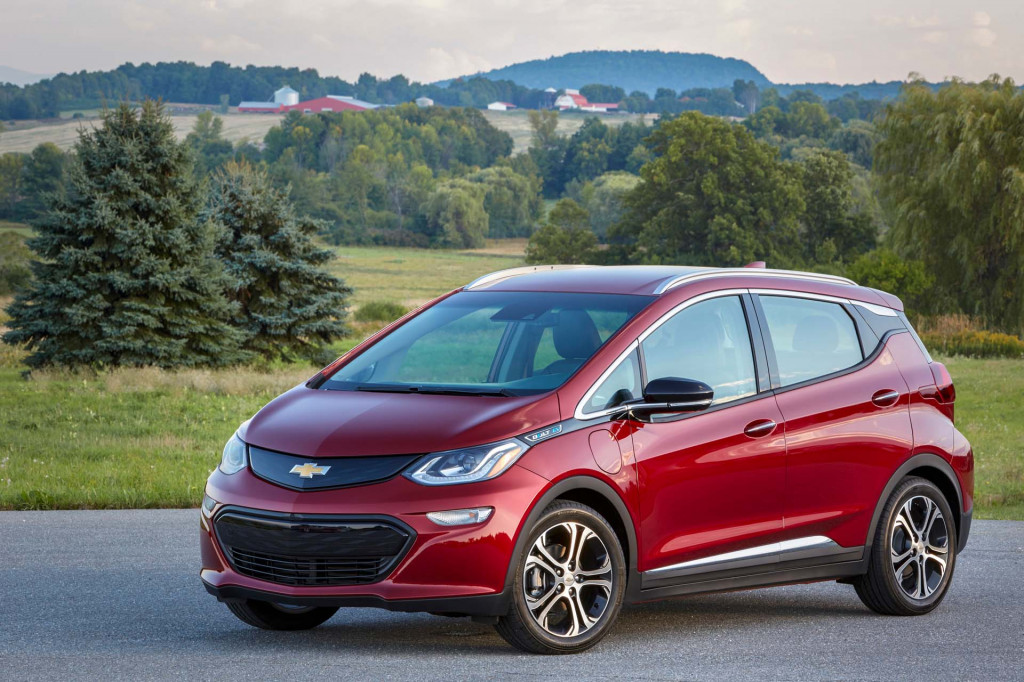
2019 Chevrolet Bolt EV
Electrified vehicles—including hybrids, plug-in hybrids, and EVs—accounted for more than 20% of the 60 models flagged as particularly unreliable. These included the 2022 Rivian R1T and Chevrolet Bolt EVs from model years 2019-2022, as well as certain model years of Tesla Model S and Model X.
While not exactly a reliability issue, the Tesla Model S and Model X model years listed overlap with the introduction of a steering yoke that Consumer Reports previously described as a pain to use—and possibly a safety concern.
This follows a 2023 survey in which Consumer Reports found that vehicles that plug in are more trouble-prone. On average, EVs had 70% more problems than internal-combustion vehicles, while plug-in hybrids averaged 146% more problems than non-hybrids vehicles.
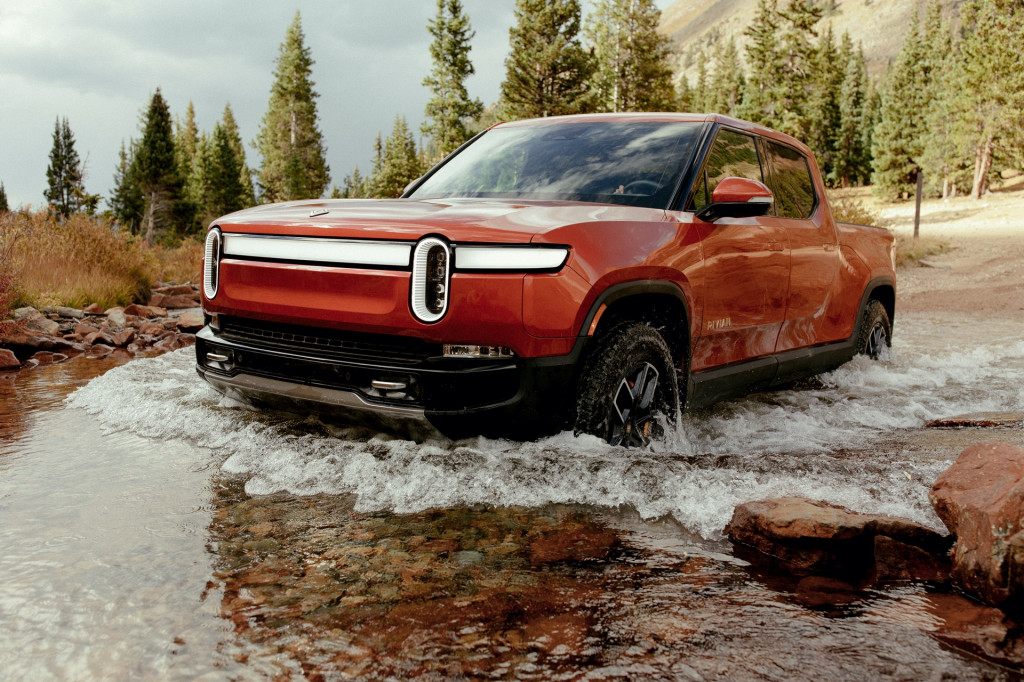
2022 Rivian R1T
Multiple studies have underscored that EVs are more trouble-prone than other vehicle types not necessarily because of their powertrains but often because of overly complex interfaces that automakers choose to adopt with them. Automakers’ impulse to push high-tech features alongside electric powertrains appears to be the issue.
Here are the used hybrids, plug-in hybrids, and EVs to avoid by make, model, and year, according to Consumer Reports.
Used hybrids to avoid
- 2020 Ford Escape Hybrid
- 2021-2022 Ford F-150 Hybrid
- 2020 Hyundai Ioniq
- 2019 Kia Niro
Used plug-in hybrids to avoid
- 2018, 2021-2022 Chrysler Pacifica Hybrid
- 2022-2023 Volvo XC60 plug-in hybrid
Used EVs to avoid
- 2019 Audi E-Tron
- 2019-2022 Chevrolet Bolt EV
- 2022 Hyundai Ioniq 5
- 2019 Hyundai Kona Electric
- 2022 Rivian R1T
- 2019-2021 Tesla Model S
- 2018, 2022 Tesla Model X
- 2021, 2023 Volkswagen ID.4

GM supplying batteries to the military for evaluation of future platforms
- The U.S. military is evaluating EV batteries from GM
- The military’s looking at how to handle its energy-storage needs
- The project may lead to pathways for domestically supplied energy storage
General Motors is supplying EV batteries for a military research project.
The automaker’s GM Defense subsidiary is providing Ultium battery hardware to the University of Texas at Arlington’s Pulsed Power and Energy Laboratory for a Defense Department-funded evaluation that “will help provide pathways and options for domestically supplied energy storage for use in future military platforms,” according to a GM press release.
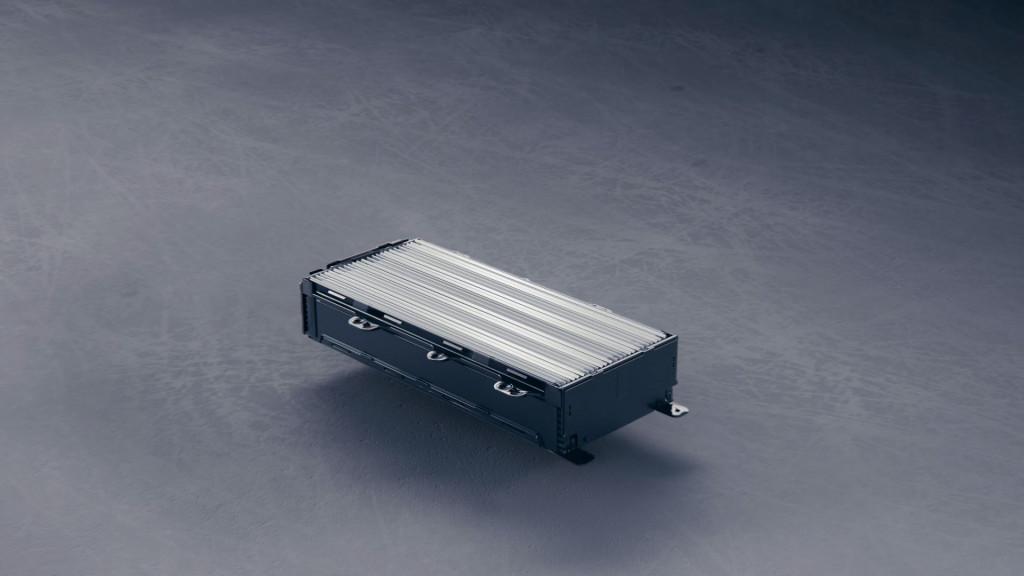
General Motors Ultium batteries
The project will look at any design changes needed to make the Ultium hardware suitable to the military’s energy-storage needs. GM claims a high degree of modularity that can accommodate different chemistries and cell types for uses beyond the current EV applications. That fits with GM CEO Mary Barra’s 2023 statement that the automaker is flexible on battery cells, and could shift to cylindrical cells in the future.
GM was already looking at ways to utilize Ultium for stationary energy storage in the civilian world. The automaker is marketing an Ultium-based home backup power system, part of a new GM Energy business announced in 2022.
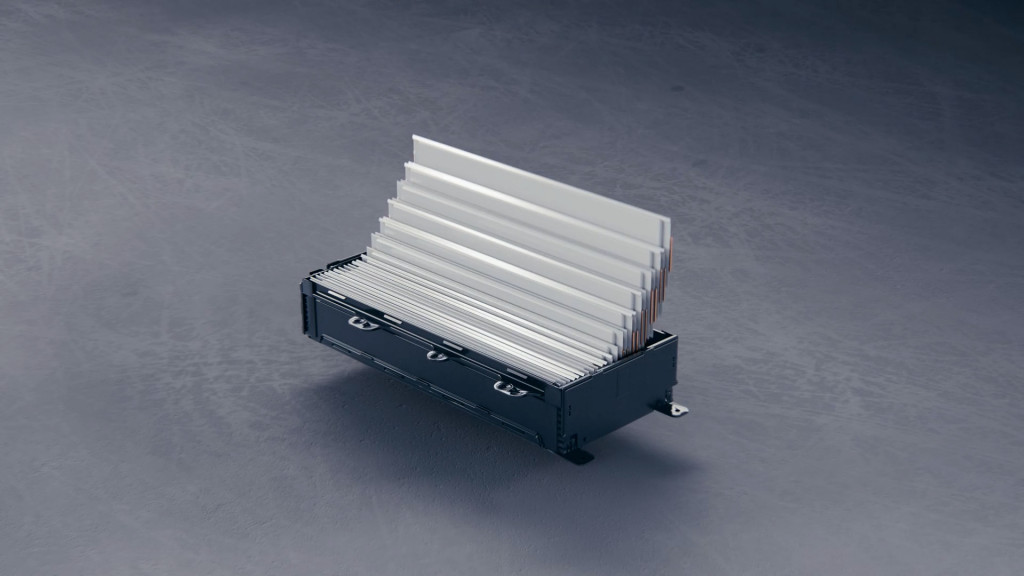
General Motors Ultium batteries
GM Defense previously supplied a prototype Ultium-based battery system for another Defense Department project, which also involved integration of a GM battery pack “into a light tactical vehicle,” the release noted.
In 2021, GM Defense president Steve duMont said in an interview that GM planned to build prototypes of an electric military vehicle based on the civilian GMC Hummer EV, using the civilian Hummer’s frame, motors, and battery system, but with stripped-down bodywork. That follows the template of GM Defense’s Infantry Squad Vehicle, which is based on the previous-generation Chevrolet Colorado ZR2 pickup truck.

Volkswagen takes a $5B stake in Rivian
- Volkswagen just bought a $5 billion stake in Rivian
- The cash infusion will help bring the smaller Rivian R2 to market
- The deal gives VW access to Rivian’s software and zonal electronics platform
The Volkswagen Group will invest up to $5 billion in Rivian, laying the groundwork for collaboration on future EVs, the two automakers announced Tuesday.
VW will initially invest $1 billion through an unsecured convertible note, pending regulatory approval and other conditions, according to a Rivian press release. That will be followed by additional investments of up to $4 billion, for a total of $5 billion.
Collaboration between VW and Rivian will include a joint venture “to create next-generation electrical architecture and best-in-class software technology,” the release said. Rivian’s software and zonal electronics platform are expected to form the basis for this joint venture, which VW and Rivian aim to launch before the end of the year. Both automakers aim to launch vehicles resulting from the joint venture in the second half of the decade.

Scout EV plant groundbreaking
VW will also “utilize Rivian’s existing electrical architecture and software platform” in the short term. A more specific timeline wasn’t given, but the release noted that “significant” work has been done over the past few months to validate the compatibility of Rivian’s electrical architecture and software with VW vehicles.
The two automakers also didn’t specify what VW vehicles might benefit from Rivian tech, but the obvious candidates are models from the new Scout EV brand that’s slated to build electric off-roaders at a $2 billion factory in South Carolina. Leveraging nostalgia for trucks made by International Harvester from 1960 to 1980, Scout has promised a lineup of pickup trucks and SUVs based on a “newly-designed all-electric platform.”
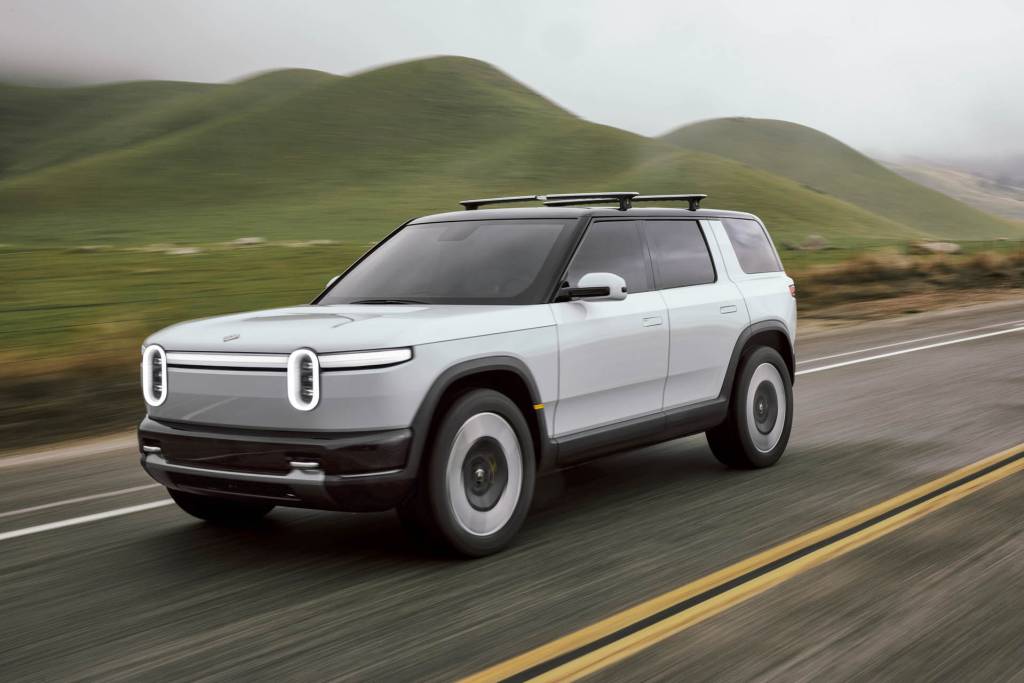
Rivian R2
Scout has released little other information on its vehicles and platform. According to a November report, VW was considering turning to Austria’s Magna rather than using its own engineering and development resources.
Green Car Reports reached out to Scout. A spokesperson declined to comment.
Scout CEO Scott Keogh said in a 2023 interview that Scout was aiming for a $40,000 starting price range, fairly close to the $45,000 base price Rivian is targeting for its R2 electric SUV due in 2026. The cash infusion from VW will likely help bring that model to market.