
Author: EVAI

Stellantis CEO Tavares: U.S. plants building too many vehicles that need rework
Shipments of the Ram 1500 and other vehicles have been slowed by problems that need to be repaired after they come off the assembly line.

Electric Porsche Cayenne to live alongside gasoline-fueled models
- The next-generation Porsche Cayenne will be electric
- Porsche said the (plug-in) hybrid and non-hybrid third-gen Cayenne will live alongside the EV
- Porsche recently revised its EV timeline with plans to keep gasoline-fueled models longer
Porsche has confirmed that its current Cayenne models, including plug-in hybrids, will be sold alongside a fourth-generation, fully electric Cayenne for the rest of this decade and some time in the next decade, too.
The current Cayenne models, which have been on sale since the 2019 model year and given an update for 2024, will be given further updates to keep them fresh alongside the newer electric version which is expected to start sales in 2026, likely as a 2027 model in the U.S.
It means the popular midsize performance SUV will be offered with the choice of three powertrains for years to come.
The announcement, made on Thursday, comes just days after Porsche said the EV transition will take longer than originally thought. Porsche also said it is backing away from its previous target of having EVs make up 80% of its sales by 2030, though the automaker remains ready to hit that target should demand warrant it.
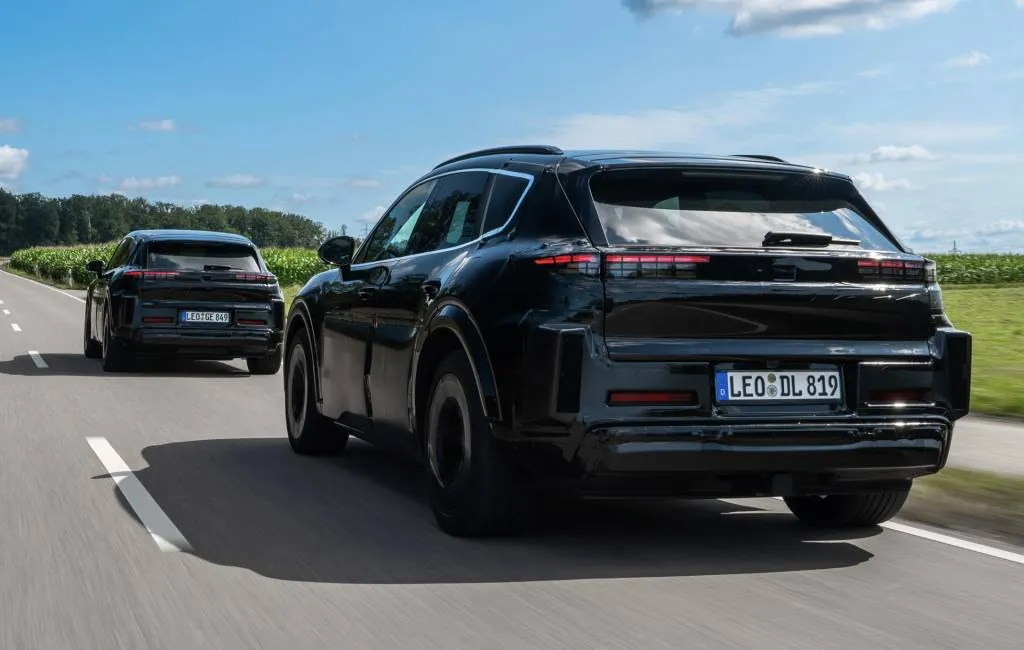
Electric Porsche Cayenne prototype
Prototypes for the electric Cayenne have been spotted in the wild for several months. The vehicle uses a further development of the 800-volt PPE (Premium Performance Electric) platform that debuted in the 2024 Macan and has since appeared in the 2025 Audi Q6 E-Tron.
In addition to Porsche’s typical performance attibutes, the automaker will also target high-capacity and stable charging, plus high efficiency for the electric Cayenne, Michael Steiner, Porsche’s R&D chief said in a statement.
The prototypes are heavily camouflaged but the design looks to share some similarities with the electric Macan. Porsche is also selling the current gas Macan alongside the new electric version, though production of the gas Macan will end in 2026, Porsche has previously announced.
Production of the electric Cayenne is expected to take place at Volkswagen Group’s plant in Bratislava, Slovakia. It’s where the current gas and hybrid Cayennes are built.
Stellantis awaits 1st shipment of Leapmotor cars from China
Sales of the T03 small EV and C10 midsize SUV from Stellantis’ “15th brand” are set to start in September in nine countries.

Honda Pilot vs. Ford Explorer: Compare SUVs
 The Honda Pilot and Ford Explorer are family SUVs that tend to make the shortlist when three rows of seats are on order but the vehicle still needs to fit in the garage. While both lineups cover an array of expectations, the differences between these two SUVs have become a little more pronounced with recent refreshes given to both. The 2025 Honda…
Dealers should adopt some practices now ahead of CARS Rule decision, experts say
The Federal Trade Commission’s CARS Rule is on hold pending a legal challenge in the U.S. 5th Circuit Court of Appeals by the National Automobile Dealers Association and Texas Automobile Dealers Association, but dealerships might still wish to take some actions today, experts said.
FTC CARS Rule could put auto lenders at risk
The Federal Trade Commission’s CARS Rule poised to take effect upon car dealerships might have created risk for auto lenders, too, under the federal Holder Rule, experts say.

1,527-hp Xiaomi SU7 Ultra aims for Porsche Taycan Turbo GT
 Chinese startup Xiaomi aims to topple Porsche’s lap times at the ‘Ring A high performance version of the SUV7, dubbed Ultra, packs 1,527 hp Xiaomi said it plans to set an official Nürburgring lap time in October Smartphone giant Xiaomi this week revealed a prototype for a hardcore version of its first car, the SU7 electric sedan. The new…

2024 Kia EV9 earns top safety ratings
 Changes to the headlight aim helped the Kia EV9 earn a Top Safety Pick The EV9 is one of only two three-row electric SUVs to earn a TSP It has not completed the new crash test to earn a TSP+ The 2024 Kia EV9 protects families as well as it transports them, based on the latest safety results from the Insurance Institute for Highway Safety. Meeting…

What are the fastest-charging EVs?
- 10-80% is typically seen as a benchmark for EV road-trip charging
- Peak charge power can be misleading, and in many cases it’s more about efficiency
- Relatively few of today’s EVs charge from 10-80% in less than 30 minutes
There’s much ado about getting electric vehicle charging times closer to the five minutes or less needed to fill a gasoline tank.
Getting there—and focusing in on the market’s fastest-charging EVs—is more nuanced. Within the limitations of modern EV battery and charging technology, it takes more than simply looking for EVs that can accept the highest-power charge connectors.
Thus, the fastest-charging EVs aren’t necessarily the ones with the highest peak charging power. They’re those that not only accept high charge power across their charge curve but also make the most of the energy held in the battery pack.
Put simply, they need to be capable of storing energy away quickly and going far with it.
Volkswagen ID.4 at Electrify America, Hazel Dell WA
Why 10-80% charge time estimates matter most
So it follows, the fastest-charging EVs aren’t necessarily the ones with the best burst rates either. Some automakers boast that their EVs are able to pack in a certain number of miles in five or 10 minutes in ideal situations—the Lucid Air can gain 200 miles in 12 minutes, for instance, and the Model 3 and Model Y claim up to 200 miles in 15 minutes—but these are best-case scenarios. This hardly represents real-world use on a road trip.
What truly represents real-world use is the 10-80% charge time. It’s a figure frequently seen as a benchmark for fast-charging as it’s often the portion of the battery pack’s charge that can typically be charged most quickly.
Based on their best-rated EPA range, we’ve calculated what that 10-80% charge amounts to in miles gained.
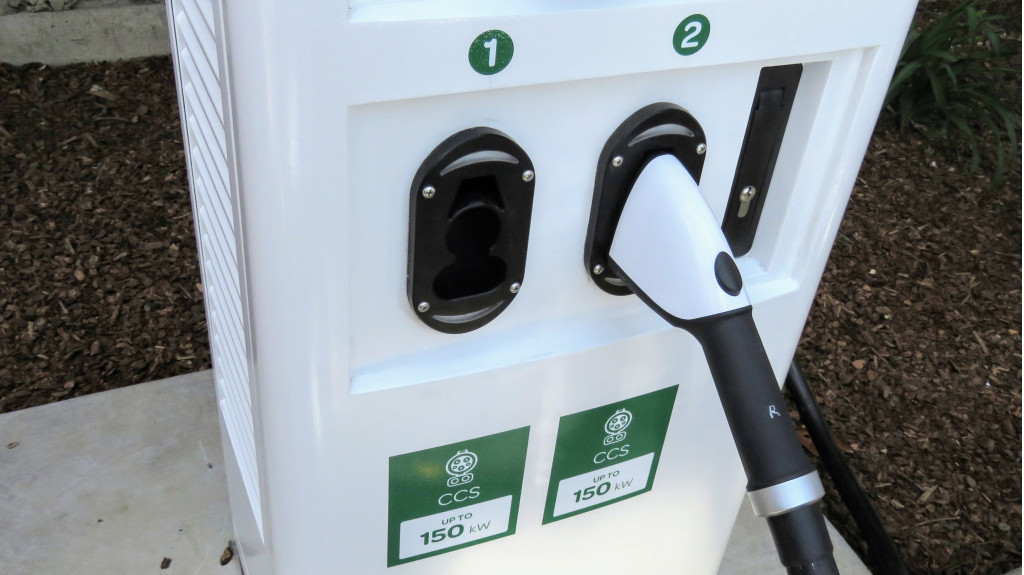
150-kw Electrify America charger – The Cannery, Sacramento CA
Making sense of the charge connectors
Typically, U.S. highway fast-chargers are 150-kw or 350-kw for CCS—with some hardware and network exceptions—while Tesla Supercharger hardware allows up to 250 kw. We’ve included the max charge power so you can choose a connector that matches or exceeds what you need, to assure you can get the most out of your charging stop. In most cases, as we’ve noted before, there won’t be that much of a difference between the 150 kw and the 350 kw in real-world road-trip stops for most EVs—except for those with huge battery packs.
To make this list even more useful, we’ve taken that 70% figure of EPA range and divided it by the minutes from 10-80%, to get a miles-per-minute speed factor for this typical road-trip stop. Our list is ordered with the best first.
Few EVs charge from 10-80% in less than 30 minutes
We looked at models that accomplish that 10-80% charge in less than 30 minutes—by official numbers wherever possible, in versions currently being delivered. In a few cases we’ve otherwise resorted to what automakers have estimated or, in a few cases, what has been widely reported.
Here’s the list of new 2025-model-year EVs that charge the fastest.
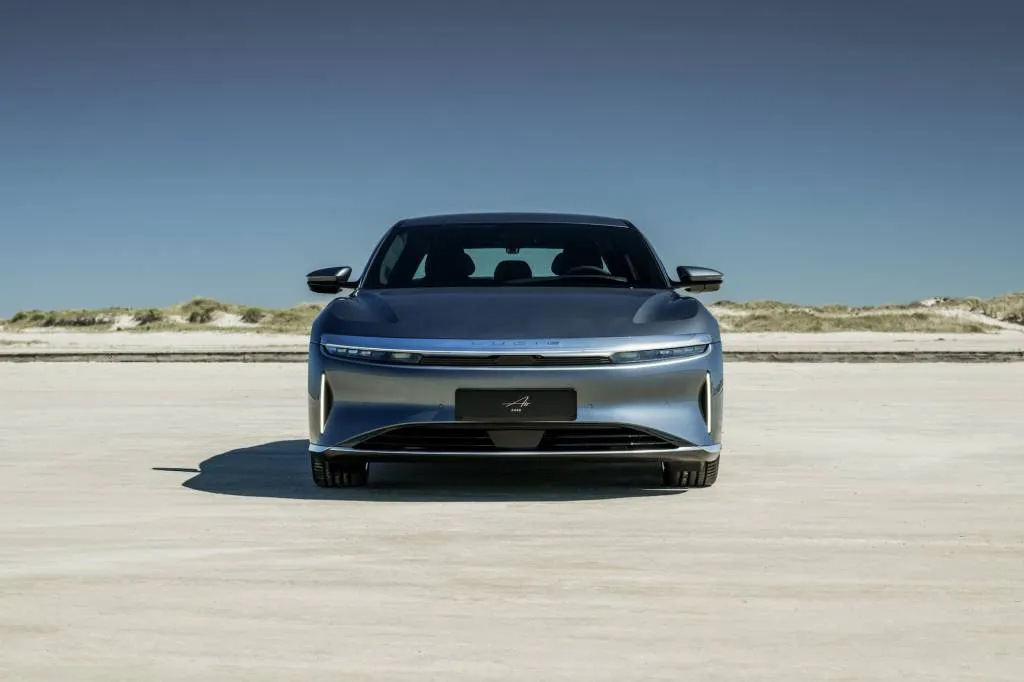
2025 Lucid Air Pure
Lucid Air
10-80%: 22 minutes (Grand Touring and Sapphire)
Max power: Over 300 kw
Miles recovered (70% of EPA range): 358 miles
Speed factor: 16.3 mi/min
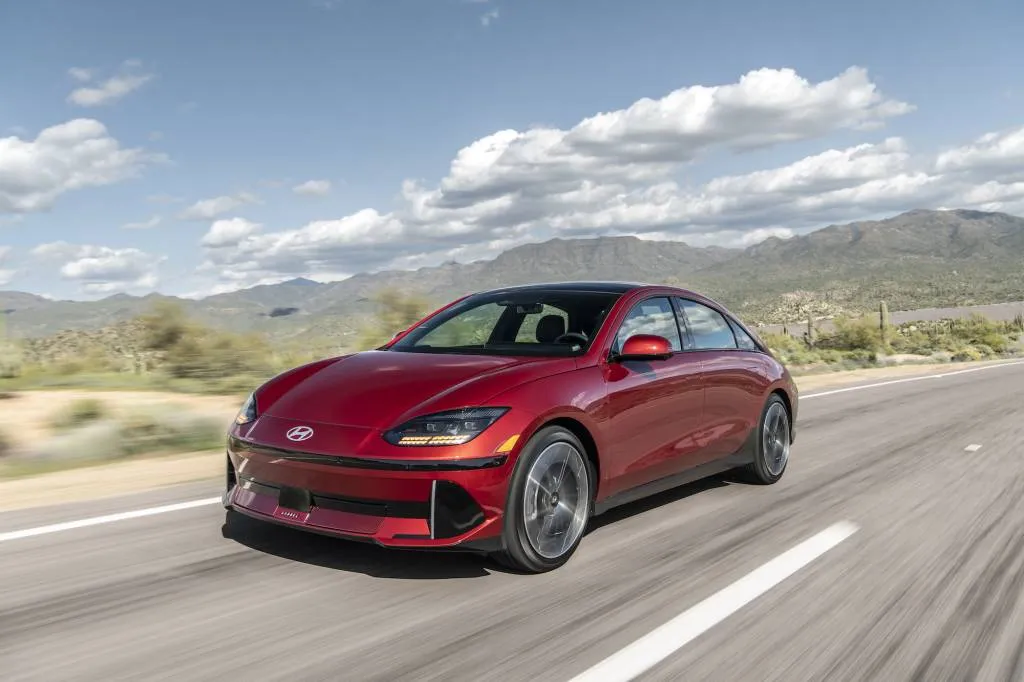
2025 Hyundai Ioniq 6
Hyundai Ioniq 6
10-80%: Under 18 minutes
Max power: 235 kw
Miles recovered (70% of EPA range): 253 miles
Speed factor: 14.1 mi/min
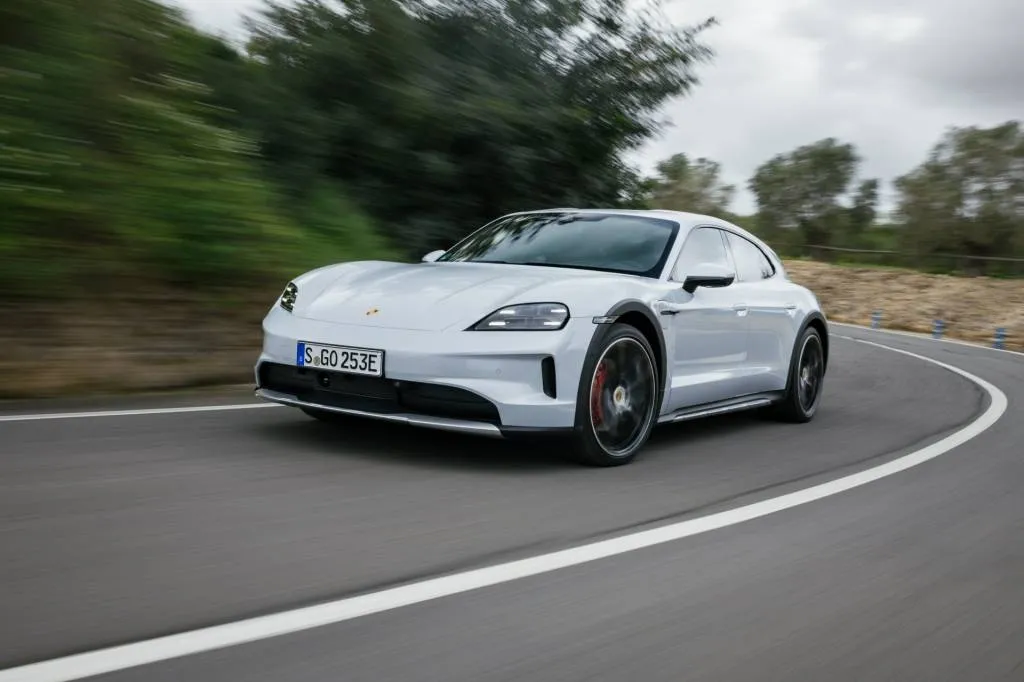
2025 Porsche Taycan
Porsche Taycan
10-80%: 18 minutes
Max power: 320 kw
Miles recovered (70% of EPA range): 223 miles
Speed factor: 12.4 mi/min
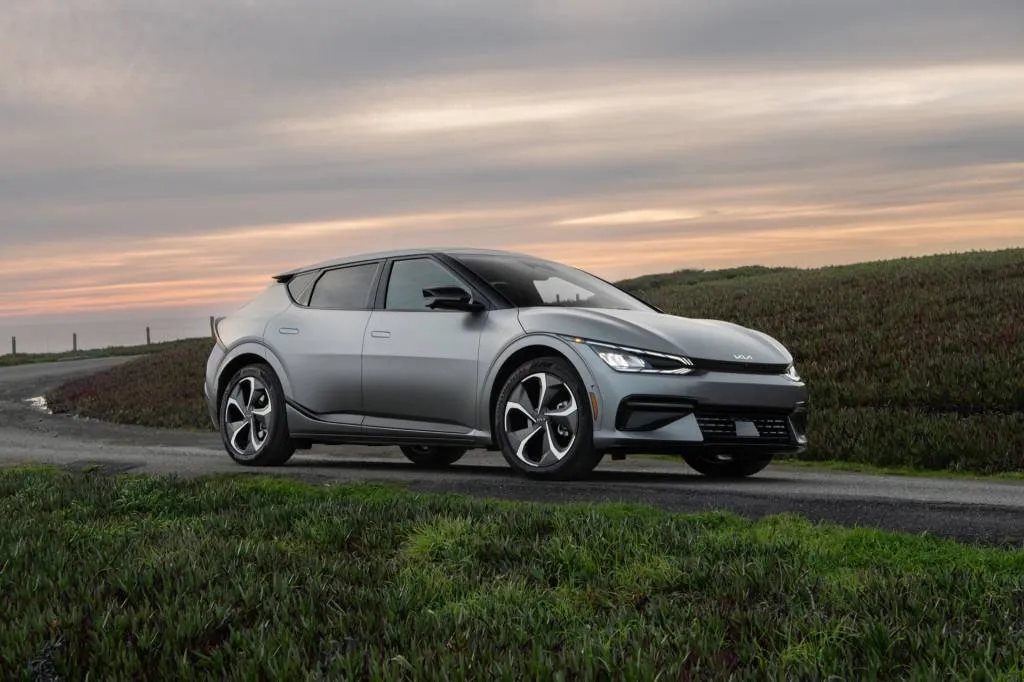
2024 Kia EV6
Kia EV6
10-80%: 18 minutes
Max power: 235 kw
Miles recovered (70% of EPA range): 217 miles
Speed factor: 12.1 mi/min
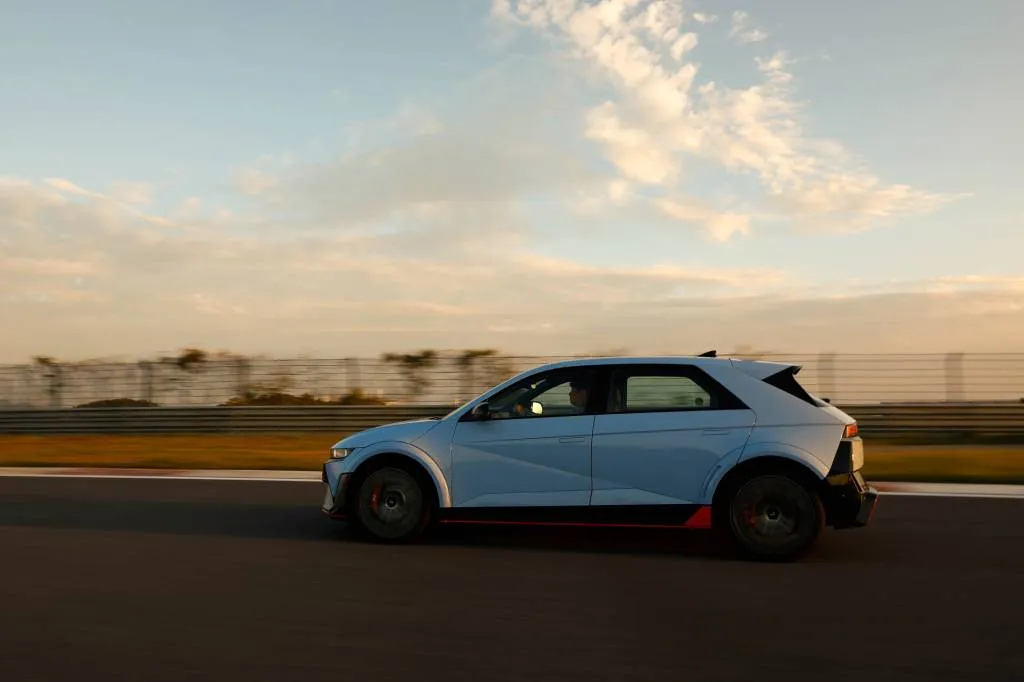
2025 Hyundai Ioniq 5
Hyundai Ioniq 5
10-80%: 18 minutes
Max power: 235 kw
Miles recovered (70% of EPA range): 212 miles
Speed factor: 11.8 mi/min
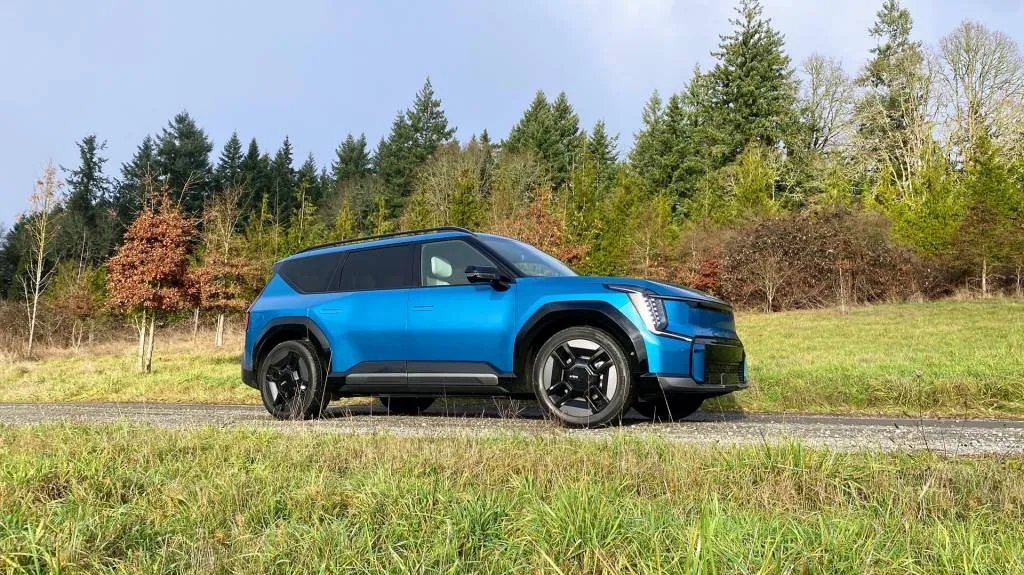
2024 Kia EV9
Kia EV9
10-80%: 24 minutes
Max power: 210 kw
Miles recovered (70% of EPA range): 213 miles
Speed factor: 11.8 mi/min
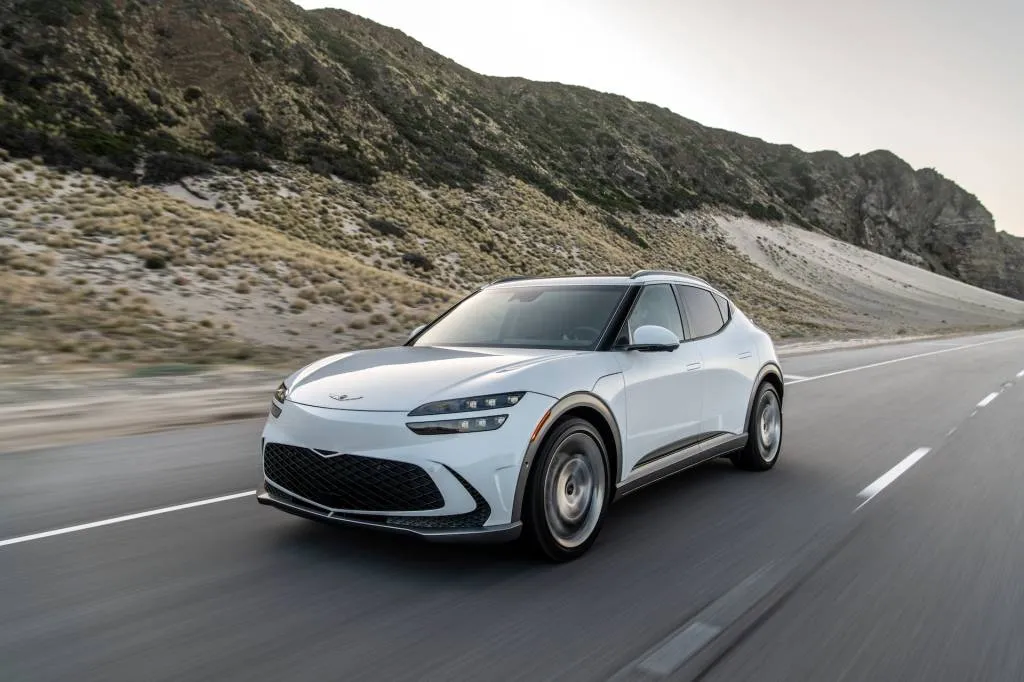
2024 Genesis GV60
Genesis GV60
10-80%: About 18 minutes
Max power: 235 kw
Miles recovered (70% of EPA range): 206 miles
Speed factor: 11.4 mi/min
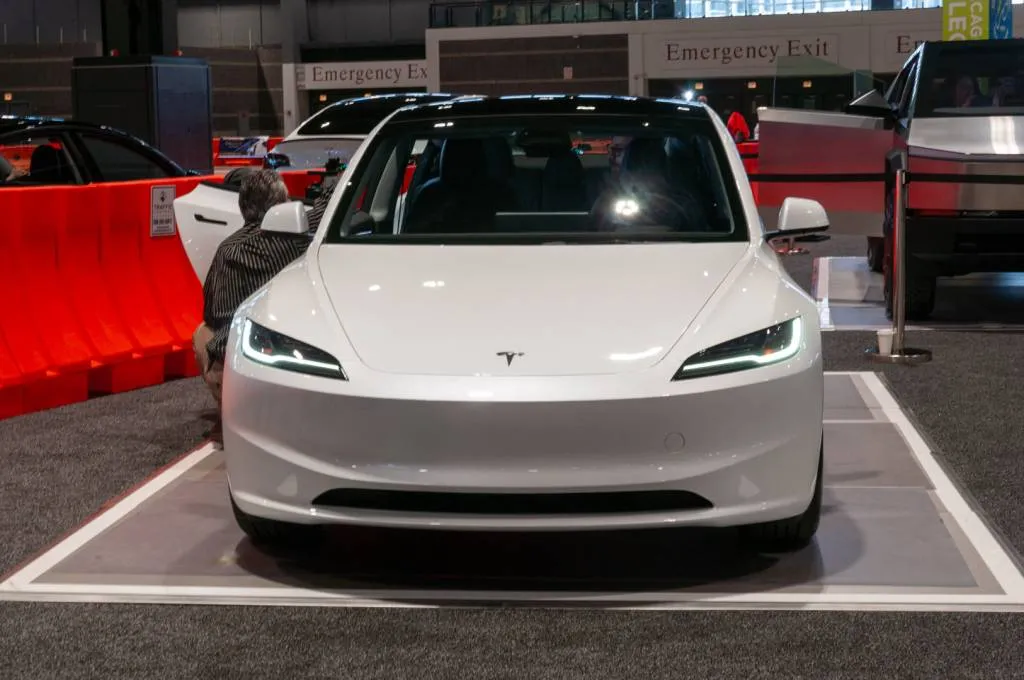
Tesla Model 3
Tesla Model 3
10-80%: About 25 minutes
Max power: 250 kw
Miles recovered (70% of EPA range): 254 miles
Speed factor: 10.2 mi/min
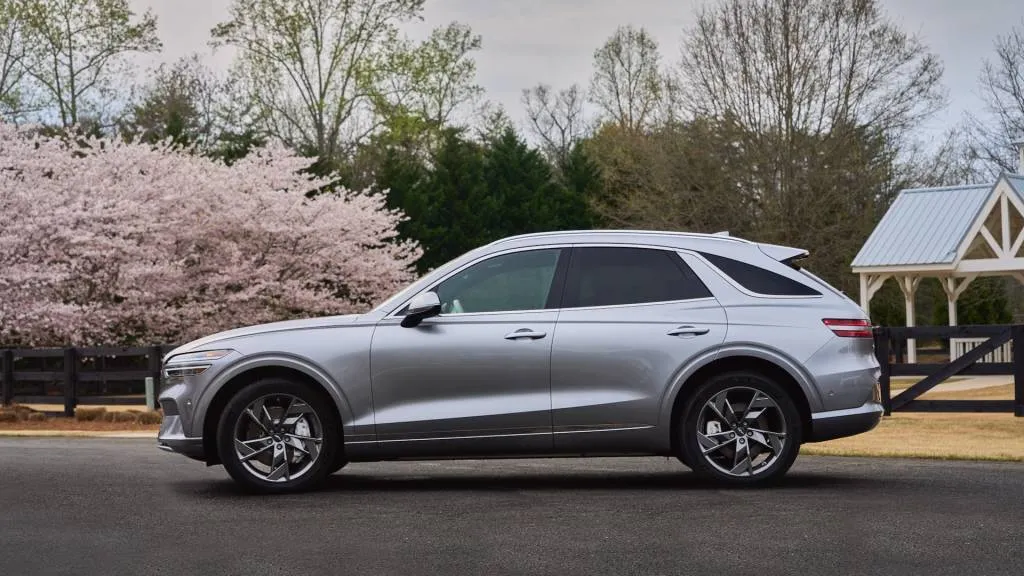
2025 Genesis Electrified GV70
Genesis Electrified GV70
10-80%: About 18 minutes
Max power: 235 kw
Miles recovered (70% of EPA range): 165 miles
Speed factor: 9.2 mi/min
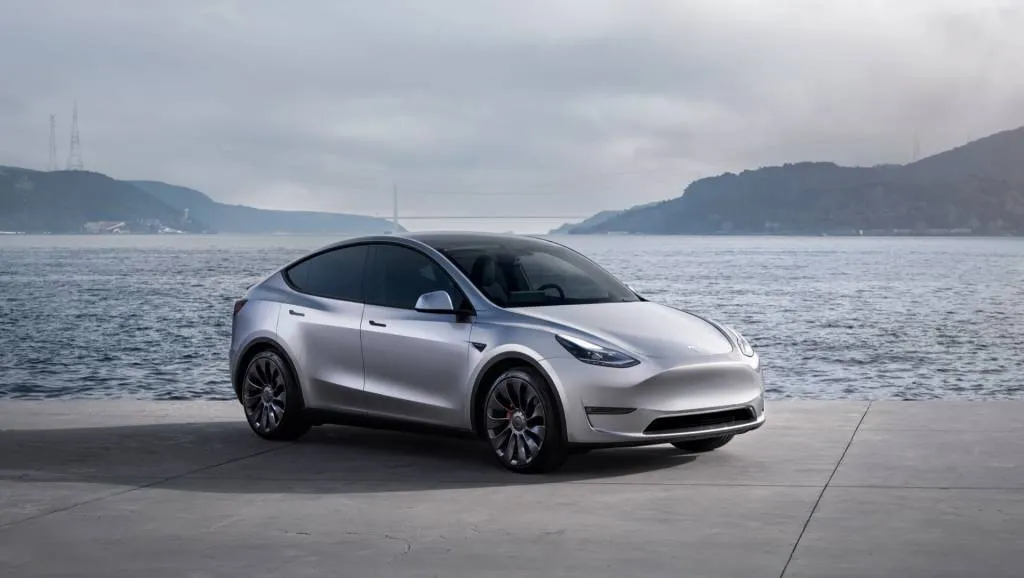
2024 Tesla Model Y. – Courtesy of Tesla, Inc.
Tesla Model Y
10-80%: About 25 minutes
Max power: 250 kw
Miles recovered (70% of EPA range): 224 miles
Speed factor: 9.0 mi/min
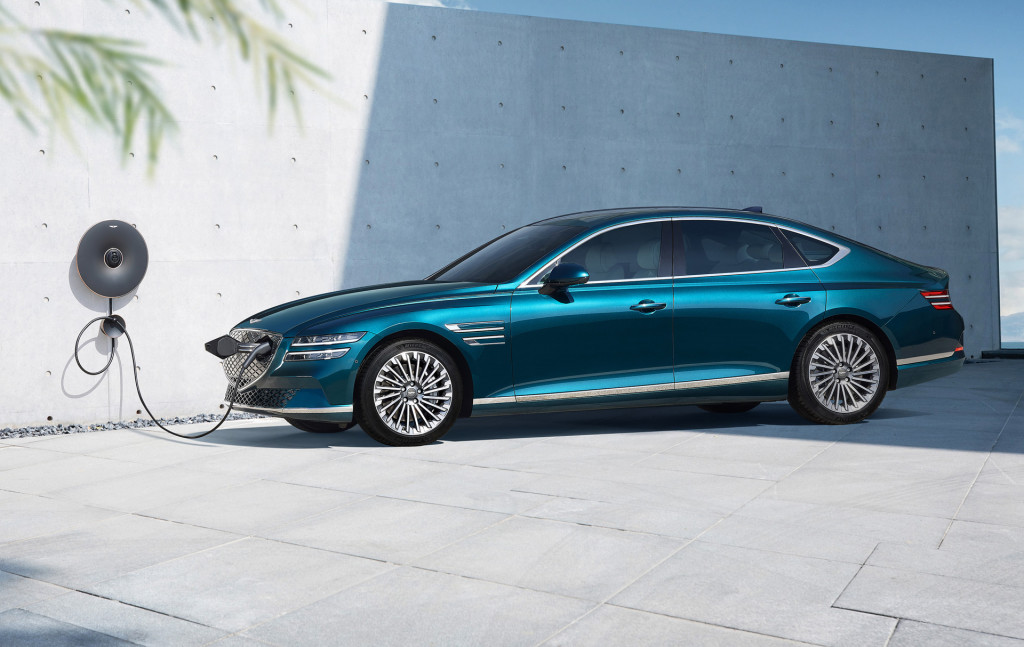
Genesis Electrified G80
Genesis Electrified G80
10-80%: About 22 minutes
Max power: 187 kw
Miles recovered (70% of EPA range): 197 miles
Speed factor: 9.0 mi/min

2025 Tesla Cybertruck – Courtesy of Tesla, Inc.
Almost there: EVs that miss the fastest-charging cut
If the 18 minutes to just under 30 minutes that the above models take to charge up from 10-80% is about the time to eat a quick lunch and take a bathroom break, another cohort of EVs doesn’t quite get there—and you’d better plan on your stops being more leisurely.
Current EVs from Mercedes-Benz and BMW narrowly missed the under-30-minute cut, as did the the Tesla Model S and Model X, and the GMC Hummer EV and Chevy Silverado EV. The VW ID.4 also missed the list, at 30-36 minutes for the refreshed 2024 and 2025 models. So does the Ford Mustang Mach-E, at about 32 and 36 minutes, officially, with its Standard and Extended Range packs.
The Rivian R1T and R1S take around 40 minutes, while other GM Ultium models like the Chevy Blazer EV and Equinox EV were farther off, in the vicinity of 45 minutes.
The Tesla Cybertruck may look leading-edge, but it doesn’t make the cut either. Anecdotally, it’s in the 35-minute range from 10-80%, and even considering the burst rates well above 300 kw that some have observed on non-Tesla hardware, it’s likely still above 30 minutes.