
Category: General

Study: Traditional brands’ EVs surpass Tesla in satisfaction
- J.D. Power’s 2024 APEAL study shows non-Tesla EVs higher in satisfaction than Teslas
- Buyers of traditional brands’ EVs are more satisfied than buyers of gas or PHEV models
- Value-minded mainstream Tesla buyers are more critical than the brand’s fans
Tesla appears to be having a much harder time charming EV buyers who are new to the brand, while various EV efforts from mainstream brands are winning over shoppers.
It’s a market turnaround that may have seemed hard to imagine just a couple of years ago: Owners of non-Tesla EVs are more satisfied with their vehicles than Tesla owners are with theirs, according to the annual J.D.Power APEAL study, out Thursday.
But it’s more than just a lead over Tesla. Power says that non-Tesla EVs rank higher in satisfaction than Tesla vehicles, and higher than gasoline and plug-in hybrid models.
APEAL, which stands for Automotive Performance, Execution, and Layout, includes responses from 99,144 owners of new 2024-model-year vehicles after 90 days of ownership. As J.D. Power points out, the study has correlated over decades to the resale value of vehicles, so don’t hold out for that Tesla in the driveway to become an appreciating asset.
Mainstream brands’ EVs were not resonating as well in recent years, when J.D. Power pointed out that battery electric vehicles from mainstream and non-Tesla brands had underperformed comparable gasoline vehicles in overall satisfaction. But they’ve been gaining. In 2020 and 2021, Tesla (unofficially) topped the study. By last year J.D. Power pointed out that non-Tesla BEVs had closed the gap with gasoline models.
J.D. Power pointed to improved interior storage and better-quality materials as a couple of the reasons traditional full-line automakers are doing better in satisfaction.
“For BEVs, recent launches from traditional manufacturers have surpassed perennial leader Tesla when it comes to owners’ level of emotional attachment and excitement with their new vehicle,” said Frank Hanley, J.D. Power’s senior director of auto benchmarking.
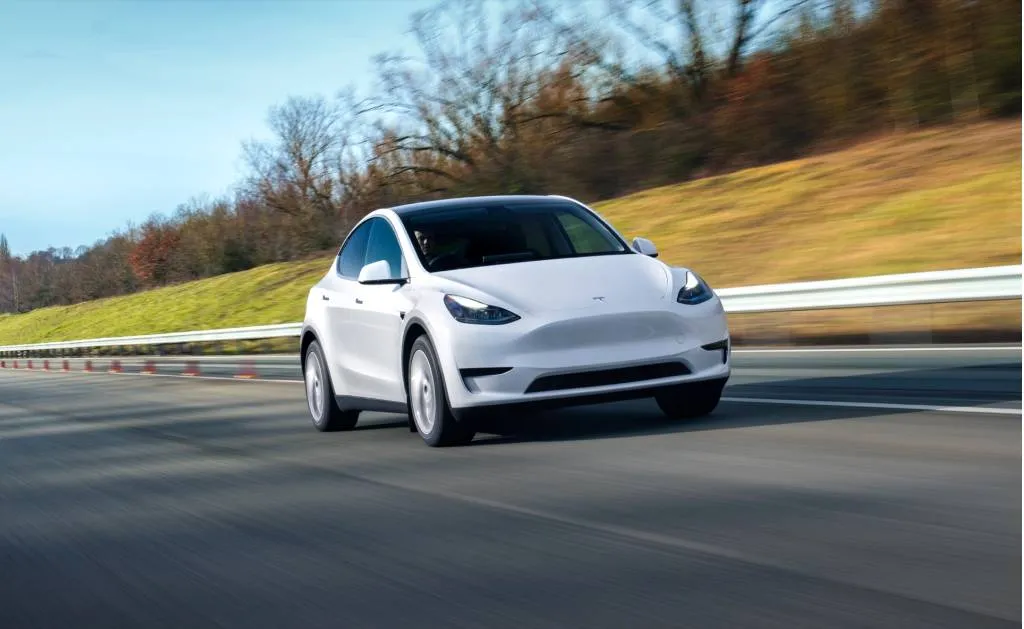
2024 Tesla Model Y. – Courtesy of Tesla, Inc.
Tesla needs to impress newbies, not just fans
Part of the issue is that Tesla buyers are diverging into a mix of loyal repeat buyers (the “Tesla fans”) and new “conquest” buyers who jumped from other brands to an EV for the first time, in some cases. And it appears Tesla vehicles aren’t impressing the conquest group all that much.
“Their buyer is changing,” Hanley said to Green Car Reports. “At first they had a lot of tech buyers, but obviously with their price change, they’re becoming more mainstream and getting a different buyer type.”
The conquest buyers are now coming from all over, Hanley explained, especially to the Model 3 and the Model Y. A series of Tesla price cuts made those models more obtainable to a wider array of customers.
And the gap in owner satisfaction between those who have previously had a Tesla versus those new to the brand is huge—a bigger gap overall than what spans all premium brands, according to Hanley. For those conquest Tesla buyers, there’s not a single point of criticism, he said; the negative responses relate to nearly all aspects of the vehicle experience.
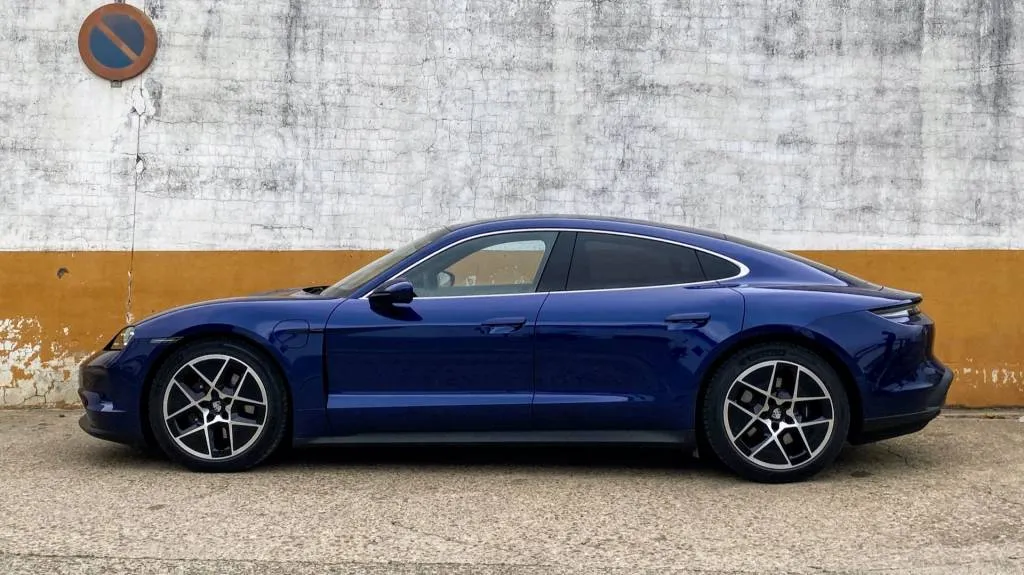
2025 Porsche Taycan
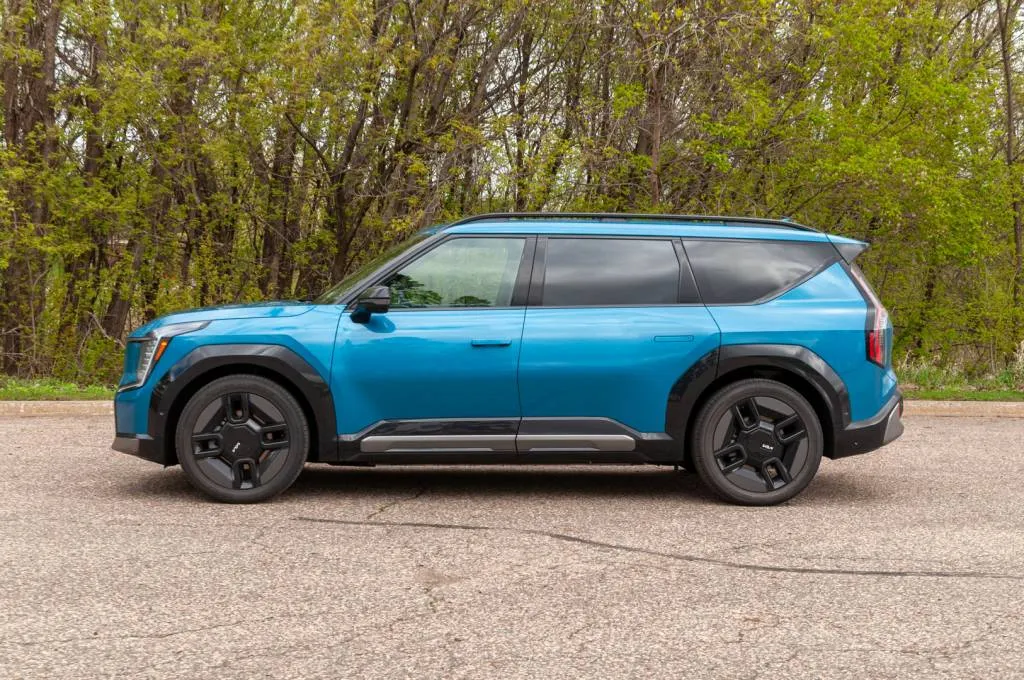
2024 Kia EV9
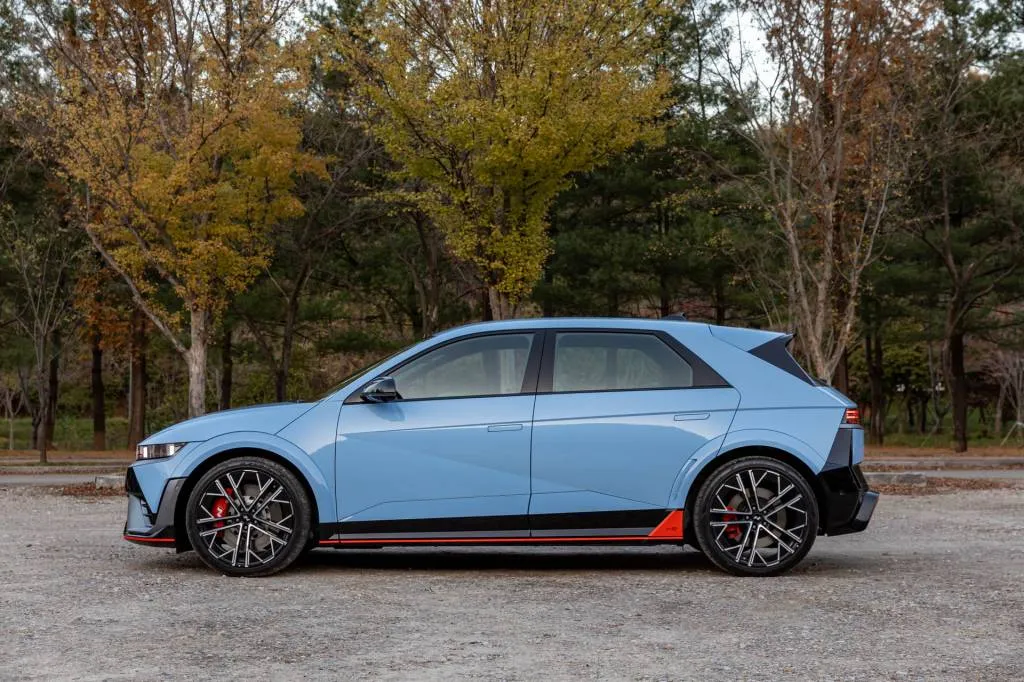
2025 Hyundai Ioniq 5
Porsche, Kia, Hyundai among top brands for EV appeal
Porsche was the highest-ranked premium brand in this year’s study, and J.D. Power notes that the Porsche Taycan does just as well as Porsche’s other models. Hanley also noted that EVs from BMW, Cadillac, and Genesis all performed above the average. “They’re definitely going in the right direction with their battery electrics,” he said of those brands.
Among mainstream brands, Kia and Hyundai were both in the top five offering multiple EVs, supporting that market appeal with popular models such as the three-row Kia EV9 electric SUV and Hyundai Ioniq 5 electric crossover.

Ford CEO: Bigger isn’t always better for EVs
- Ford’s CEO acknowledged small EVs are key to mass adoption and profitability
- Ford currently doesn’t make a small EV in the U.S.
- Ford was a proponent of pickup trucks and SUVs, killed its cars and small SUVs
Ford is shifting away from large EVs like the F-150 Lightning pickup truck to emphasize smaller models in response to high battery costs, reports Business Insider.
After declaring that Americans needed to move away from “monster vehicles” like the pickup trucks and SUVs that are currently Ford’s bread and butter, CEO Jim Farley told investors in an earnings call Wednesday that the smaller EVs would be key to mass adoption and profitability.
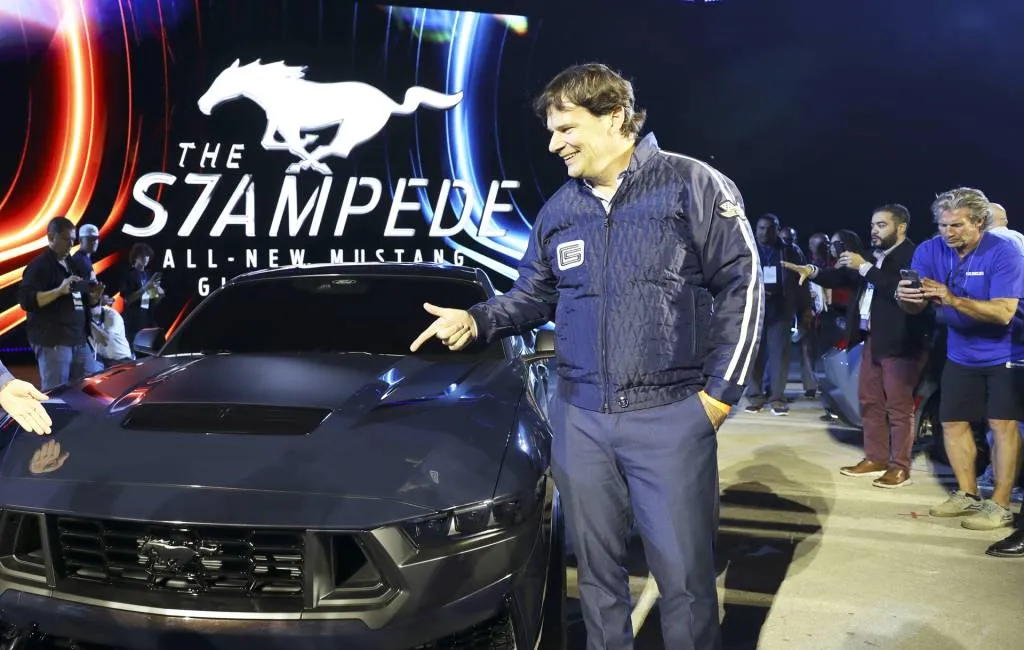
Jim Farley
“We believe smaller, more affordable vehicles are the way to go for EV volume,” Farley said. That’s largely down to battery costs. While the mantra for internal-combustion vehicles is “the bigger the vehicle, the higher the margin,” it’s a different matter with EVs, the CEO said.
“The larger the vehicle, the bigger the battery, the more pressure on margin because customers will not pay a premium for those larger batteries,” Farley said. That appeared to play out in Ford’s Q1 earnings, where the automaker promised more affordable EVs while reporting significant losses on the EVs it was already making.
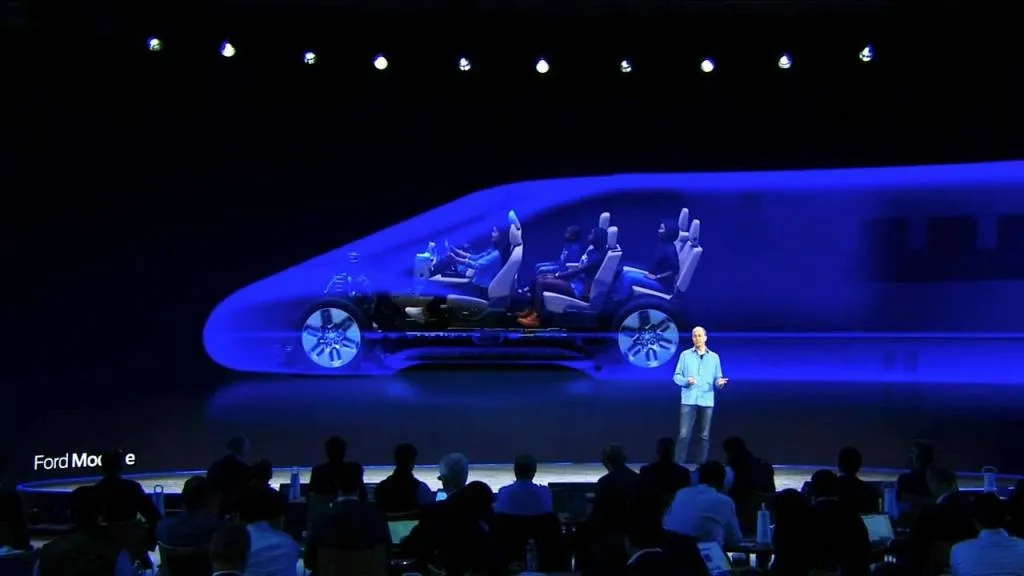
2025 Ford 3-row SUV –
Ford initially tried to replicate its success with large internal-combustion vehicles, launching the Lightning and intending to follow up that full-size pickup with a next-generation electric truck and three-row SUV that have now been delayed. But a shift in thinking by Farley and other executive has been apparent for months. Farley said during the automaker’s Q4 2023 earnings presentation that Ford seeks smaller, lower-cost EVs to address a “new market reality.”
Affordable EVs may be winning out against bigger, more expensive models in Ford’s product plan, but all EVs still need to compete for resources with the automaker’s very profitable internal-combustion trucks and SUVs. Ford last week announced that a Canadian plant previously slated to build EVs would make Super Duty heavy-duty pickups instead.

GM-backed startup promises cheaper, longer-lasting EV batteries
- Addionics developed a new foil current collector
- General Motors’ GM Ventures backed Addionics with funding
- Addionics plans to build a factory in the U.S.
A startup aims to make EV batteries cheaper by focusing on an oft-overlooked battery component.
Addionics, which is backed by General Motors’ GM Ventures venture-capital arm, has developed a new foil current collector, updating a component that “hasn’t changed much in 30 years,” CEO Moshiel Biton said in a recently published interview with TechCrunch.
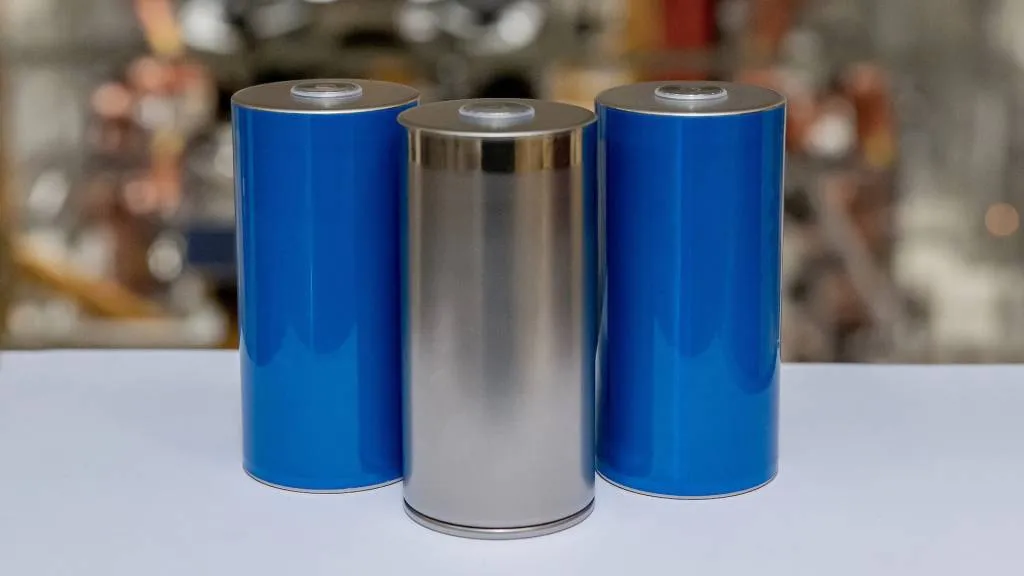
BMW cylindrical battery cells
Current collectors help gather ions in battery cells, a process Addionics believes can be improved by creating aluminum and copper foils with tiny holes and undulating peaks and valleys. The idea of adding texture to improve current collectors isn’t new, but it hasn’t been commercialized at scale, Biton claims.
Foil material is made wavy and porous using techniques from the semiconductor industry. Addionics uses electroetching on the aluminum foil for battery cathodes. For the copper foil used for anodes, the startup uses electricity to deposit copper ions in a given configuration.
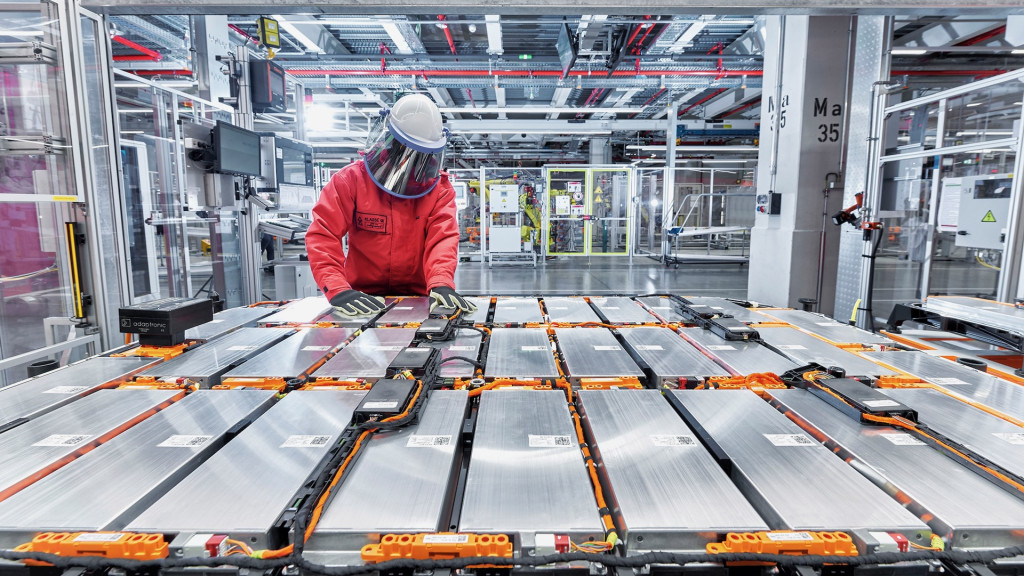
Audi battery assembly at Brussels, Belgium, factory
The result is a three-dimensional current collector that is easy to manufacture, while improving battery-level efficiency (already very high for EV batteries) and—most notably here—potentially doubling lifespan, Addionics claims. While Goldman Sachs earlier this year declared that EV battery prices are in the midst of dropping by 40%, some automakers like Toyota claim battery prices need to decrease further to make EVs truly affordable.
The startup announced earlier this year that it was planning to build a $400 million U.S. factory, and has also said it has letters of intent from unnamed automakers. As TechCrunch notes, sourcing battery materials from Addionics’ U.S. factory could help automakers meet federal EV tax credit requirements for domestically-sourced content.


Electric Porsche Cayenne to live alongside gasoline-fueled models
- The next-generation Porsche Cayenne will be electric
- Porsche said the (plug-in) hybrid and non-hybrid third-gen Cayenne will live alongside the EV
- Porsche recently revised its EV timeline with plans to keep gasoline-fueled models longer
Porsche has confirmed that its current Cayenne models, including plug-in hybrids, will be sold alongside a fourth-generation, fully electric Cayenne for the rest of this decade and some time in the next decade, too.
The current Cayenne models, which have been on sale since the 2019 model year and given an update for 2024, will be given further updates to keep them fresh alongside the newer electric version which is expected to start sales in 2026, likely as a 2027 model in the U.S.
It means the popular midsize performance SUV will be offered with the choice of three powertrains for years to come.
The announcement, made on Thursday, comes just days after Porsche said the EV transition will take longer than originally thought. Porsche also said it is backing away from its previous target of having EVs make up 80% of its sales by 2030, though the automaker remains ready to hit that target should demand warrant it.
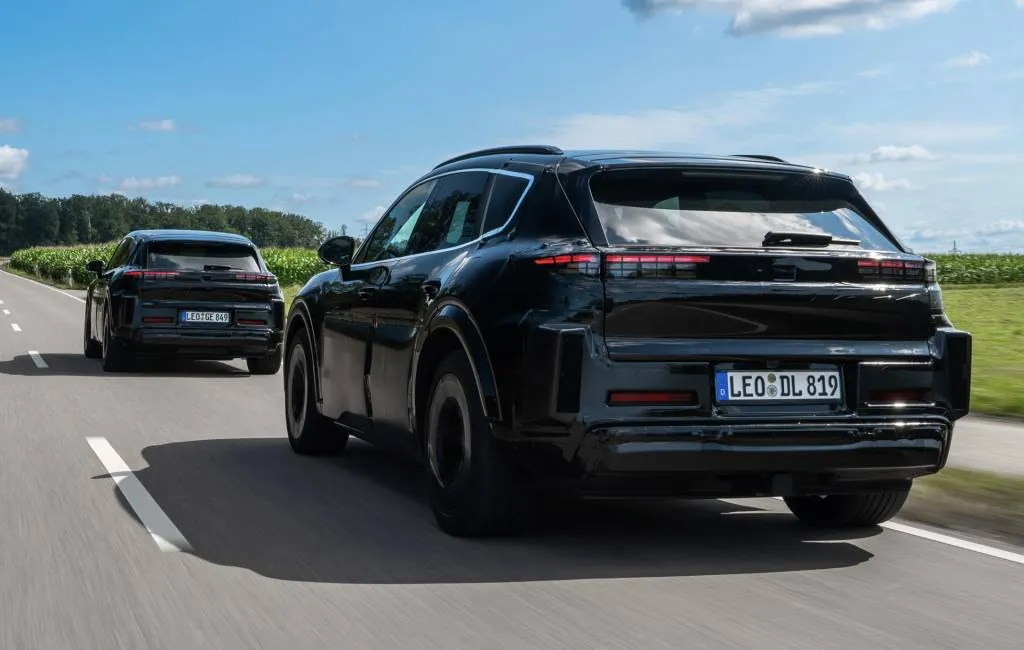
Electric Porsche Cayenne prototype
Prototypes for the electric Cayenne have been spotted in the wild for several months. The vehicle uses a further development of the 800-volt PPE (Premium Performance Electric) platform that debuted in the 2024 Macan and has since appeared in the 2025 Audi Q6 E-Tron.
In addition to Porsche’s typical performance attibutes, the automaker will also target high-capacity and stable charging, plus high efficiency for the electric Cayenne, Michael Steiner, Porsche’s R&D chief said in a statement.
The prototypes are heavily camouflaged but the design looks to share some similarities with the electric Macan. Porsche is also selling the current gas Macan alongside the new electric version, though production of the gas Macan will end in 2026, Porsche has previously announced.
Production of the electric Cayenne is expected to take place at Volkswagen Group’s plant in Bratislava, Slovakia. It’s where the current gas and hybrid Cayennes are built.

What are the fastest-charging EVs?
- 10-80% is typically seen as a benchmark for EV road-trip charging
- Peak charge power can be misleading, and in many cases it’s more about efficiency
- Relatively few of today’s EVs charge from 10-80% in less than 30 minutes
There’s much ado about getting electric vehicle charging times closer to the five minutes or less needed to fill a gasoline tank.
Getting there—and focusing in on the market’s fastest-charging EVs—is more nuanced. Within the limitations of modern EV battery and charging technology, it takes more than simply looking for EVs that can accept the highest-power charge connectors.
Thus, the fastest-charging EVs aren’t necessarily the ones with the highest peak charging power. They’re those that not only accept high charge power across their charge curve but also make the most of the energy held in the battery pack.
Put simply, they need to be capable of storing energy away quickly and going far with it.
Volkswagen ID.4 at Electrify America, Hazel Dell WA
Why 10-80% charge time estimates matter most
So it follows, the fastest-charging EVs aren’t necessarily the ones with the best burst rates either. Some automakers boast that their EVs are able to pack in a certain number of miles in five or 10 minutes in ideal situations—the Lucid Air can gain 200 miles in 12 minutes, for instance, and the Model 3 and Model Y claim up to 200 miles in 15 minutes—but these are best-case scenarios. This hardly represents real-world use on a road trip.
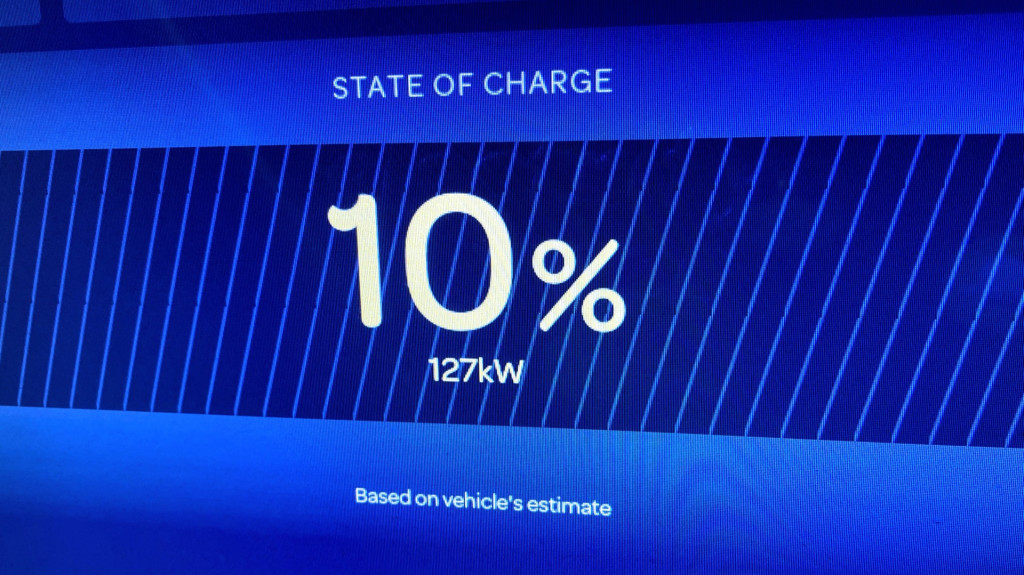
What truly represents real-world use is the 10-80% charge time. It’s a figure frequently seen as a benchmark for fast-charging as it’s often the portion of the battery pack’s charge that can typically be charged most quickly.
Based on their best-rated EPA range, we’ve calculated what that 10-80% charge amounts to in miles gained.
150-kw Electrify America charger – The Cannery, Sacramento CA
Making sense of the charge connectors
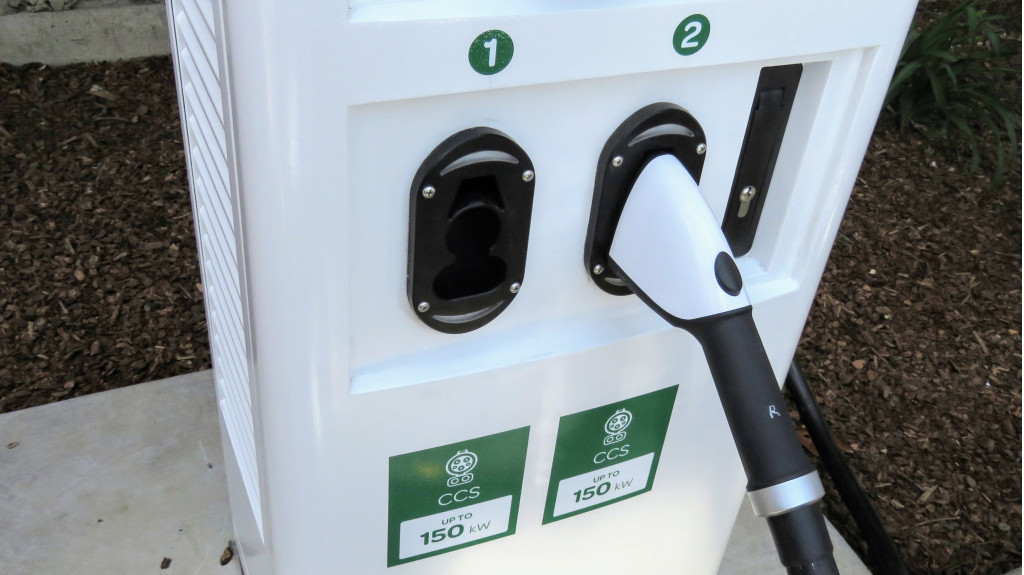
Typically, U.S. highway fast-chargers are 150-kw or 350-kw for CCS—with some hardware and network exceptions—while Tesla Supercharger hardware allows up to 250 kw. We’ve included the max charge power so you can choose a connector that matches or exceeds what you need, to assure you can get the most out of your charging stop. In most cases, as we’ve noted before, there won’t be that much of a difference between the 150 kw and the 350 kw in real-world road-trip stops for most EVs—except for those with huge battery packs.
To make this list even more useful, we’ve taken that 70% figure of EPA range and divided it by the minutes from 10-80%, to get a miles-per-minute speed factor for this typical road-trip stop. Our list is ordered with the best first.
Few EVs charge from 10-80% in less than 30 minutes
We looked at models that accomplish that 10-80% charge in less than 30 minutes—by official numbers wherever possible, in versions currently being delivered. In a few cases we’ve otherwise resorted to what automakers have estimated or, in a few cases, what has been widely reported.
Here’s the list of new 2025-model-year EVs that charge the fastest.
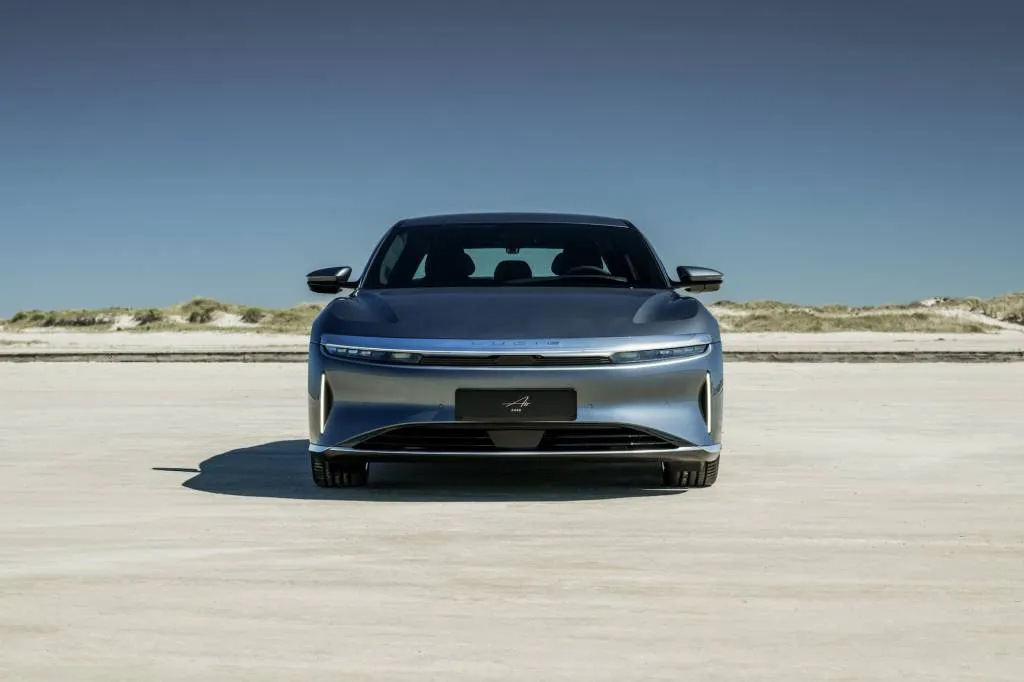
2025 Lucid Air Pure
Lucid Air
10-80%: 22 minutes (Grand Touring and Sapphire)
Max power: Over 300 kw
Miles recovered (70% of EPA range): 358 miles
Speed factor: 16.3 mi/min
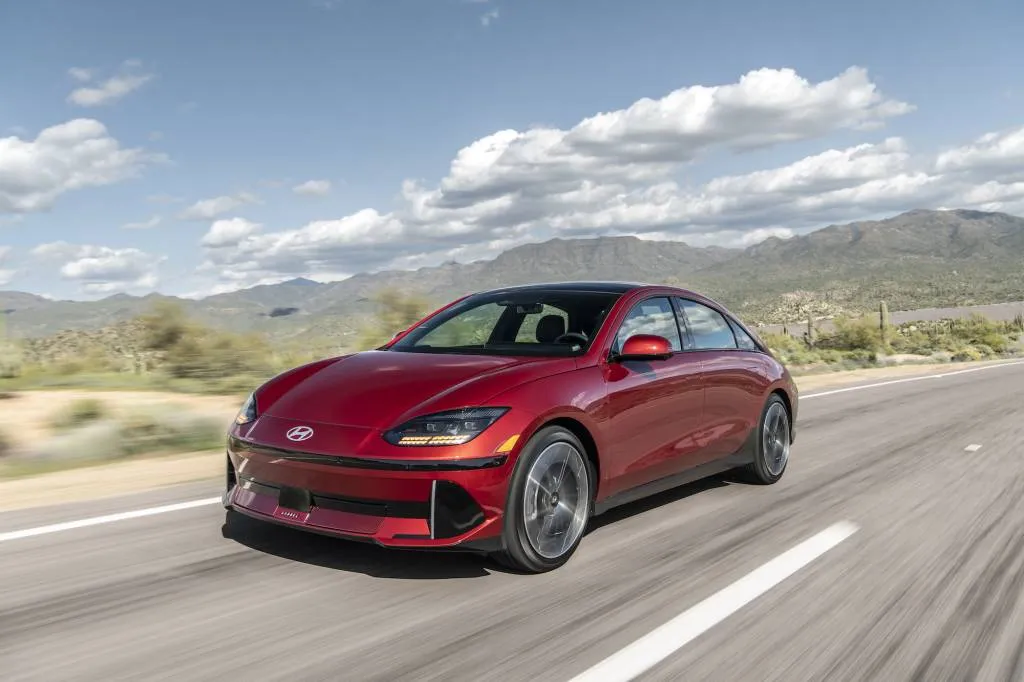
2025 Hyundai Ioniq 6
Hyundai Ioniq 6
10-80%: Under 18 minutes
Max power: 235 kw
Miles recovered (70% of EPA range): 253 miles
Speed factor: 14.1 mi/min
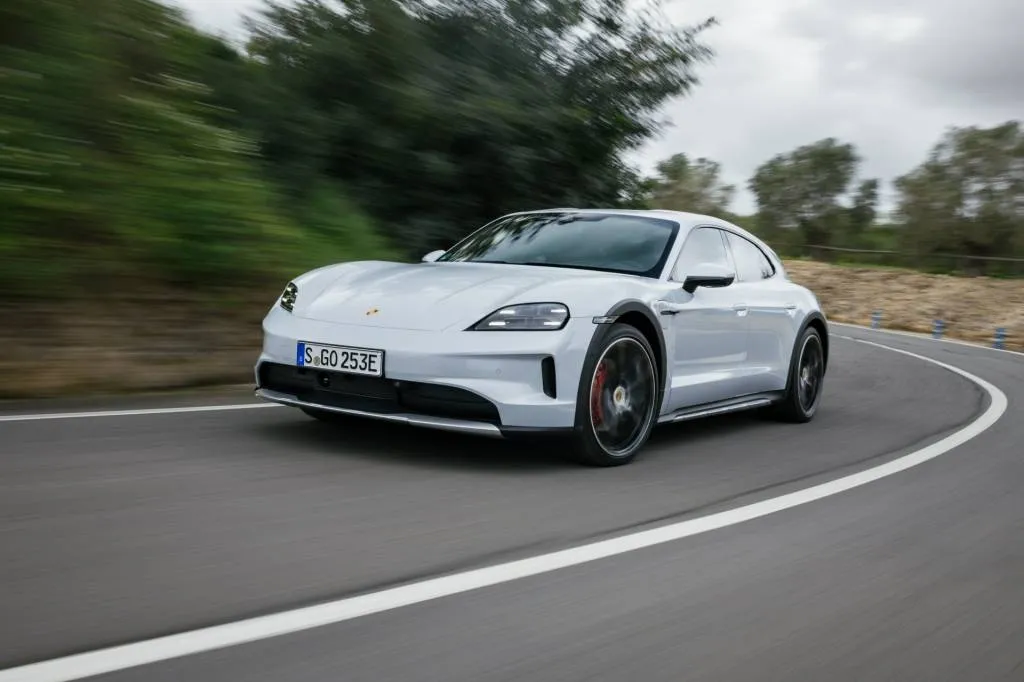
2025 Porsche Taycan
Porsche Taycan
10-80%: 18 minutes
Max power: 320 kw
Miles recovered (70% of EPA range): 223 miles
Speed factor: 12.4 mi/min
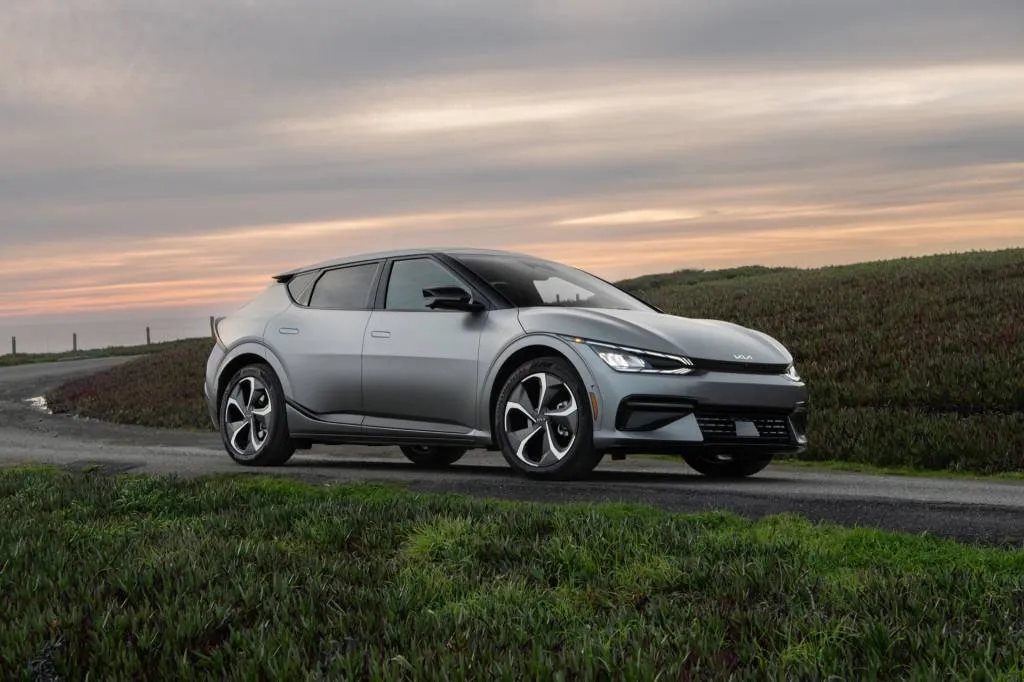
2024 Kia EV6
Kia EV6
10-80%: 18 minutes
Max power: 235 kw
Miles recovered (70% of EPA range): 217 miles
Speed factor: 12.1 mi/min
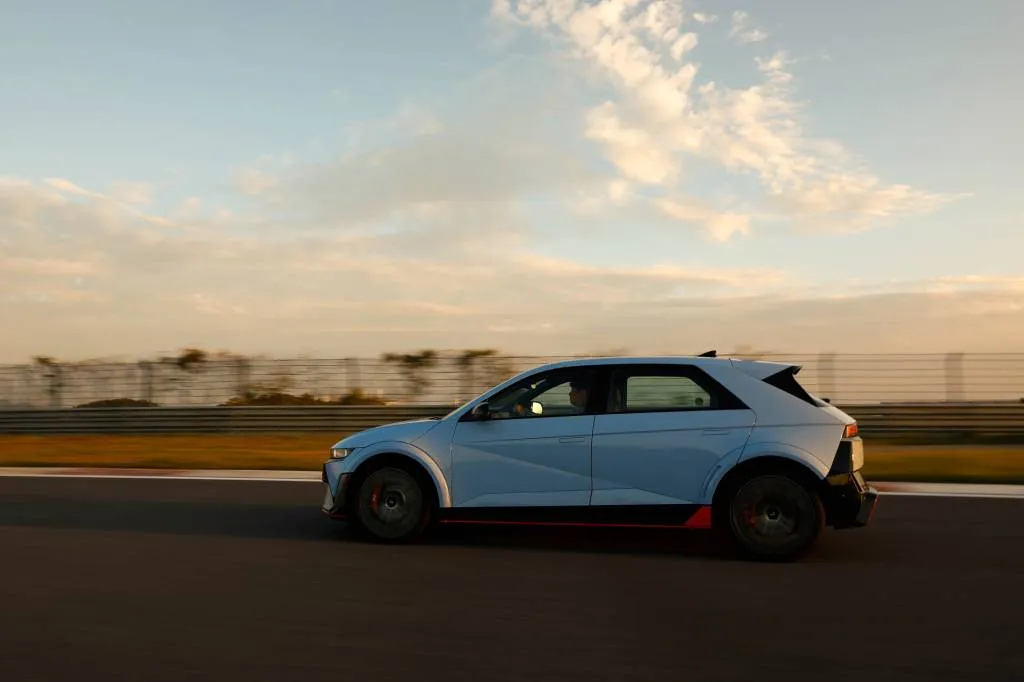
2025 Hyundai Ioniq 5
Hyundai Ioniq 5
10-80%: 18 minutes
Max power: 235 kw
Miles recovered (70% of EPA range): 212 miles
Speed factor: 11.8 mi/min
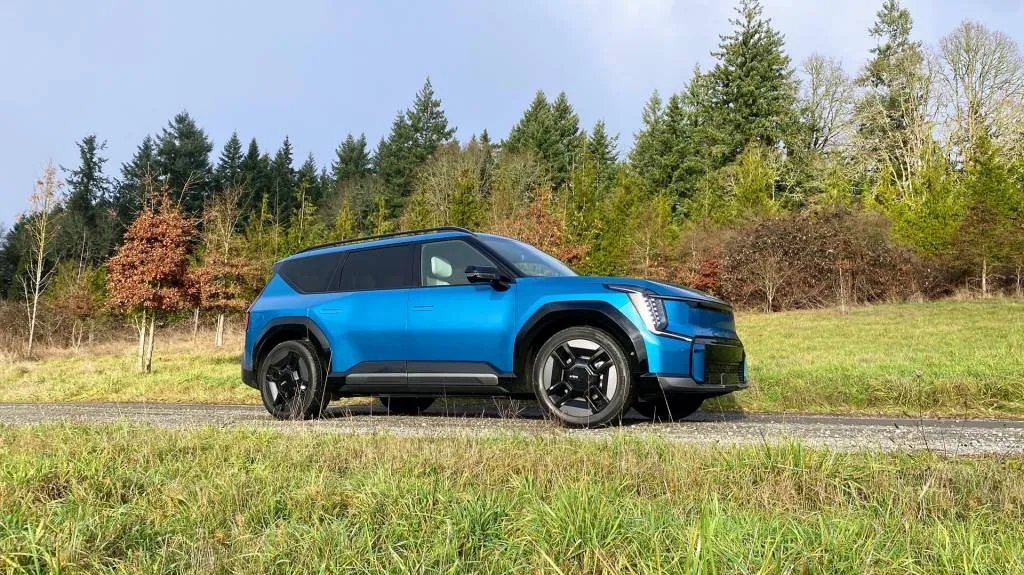
2024 Kia EV9
Kia EV9
10-80%: 24 minutes
Max power: 210 kw
Miles recovered (70% of EPA range): 213 miles
Speed factor: 11.8 mi/min
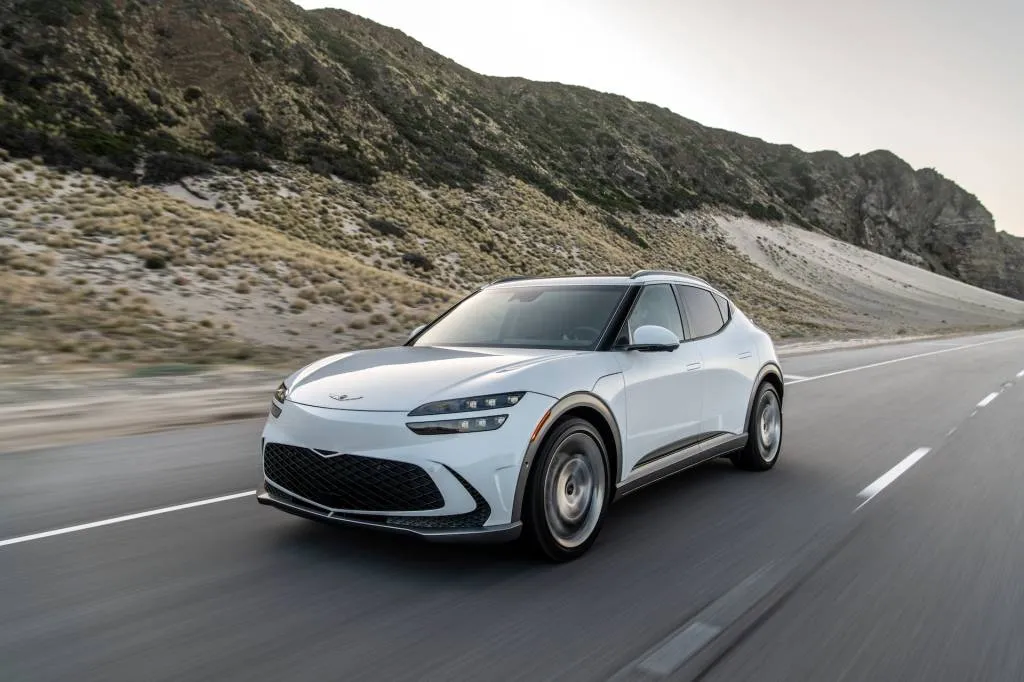
2024 Genesis GV60
Genesis GV60
10-80%: About 18 minutes
Max power: 235 kw
Miles recovered (70% of EPA range): 206 miles
Speed factor: 11.4 mi/min
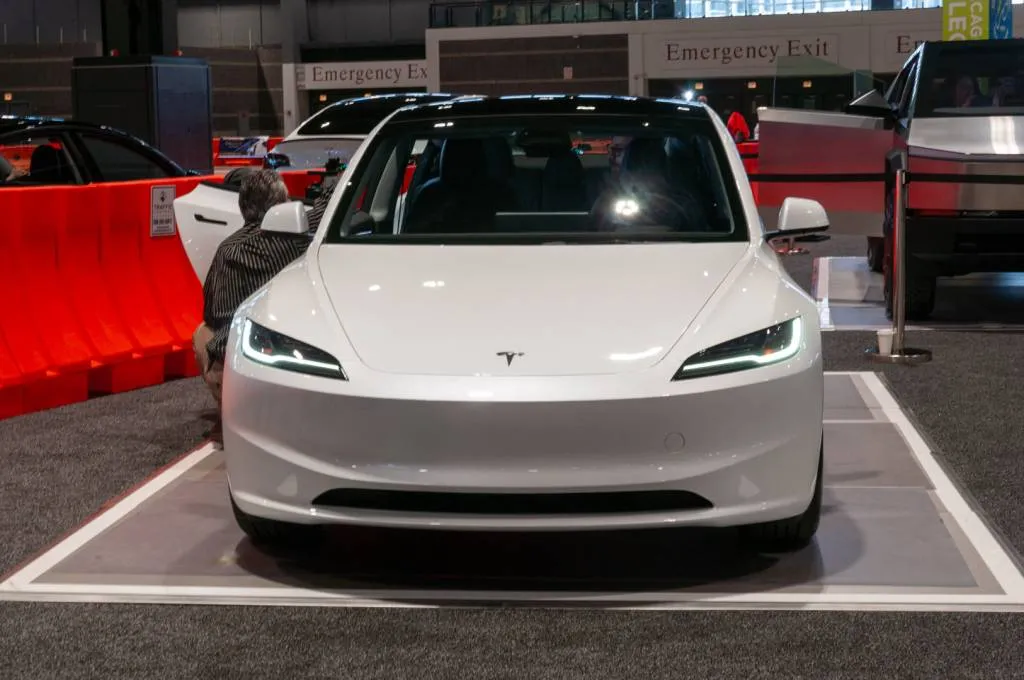
Tesla Model 3
Tesla Model 3
10-80%: About 25 minutes
Max power: 250 kw
Miles recovered (70% of EPA range): 254 miles
Speed factor: 10.2 mi/min
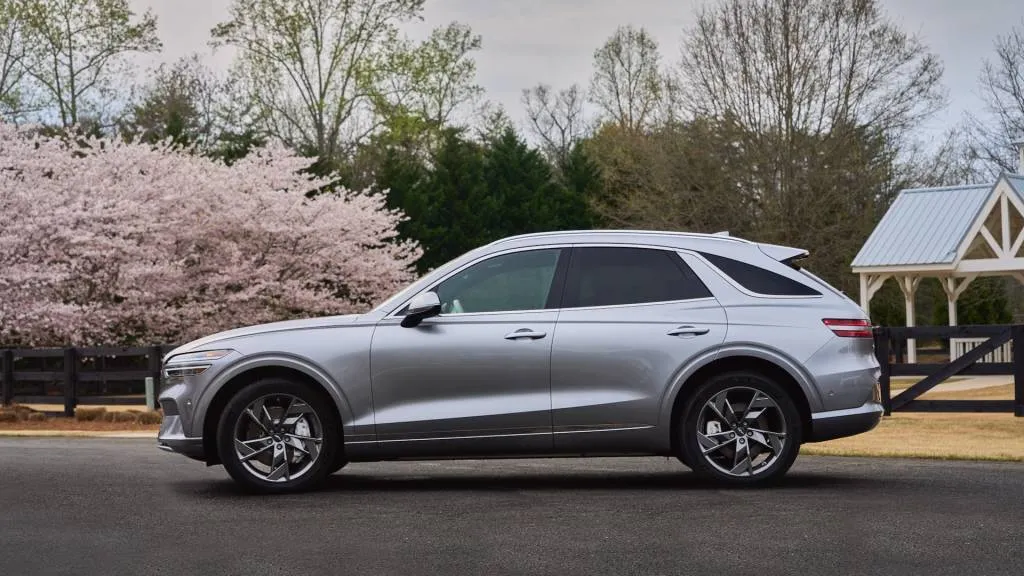
2025 Genesis Electrified GV70
Genesis Electrified GV70
10-80%: About 18 minutes
Max power: 235 kw
Miles recovered (70% of EPA range): 165 miles
Speed factor: 9.2 mi/min
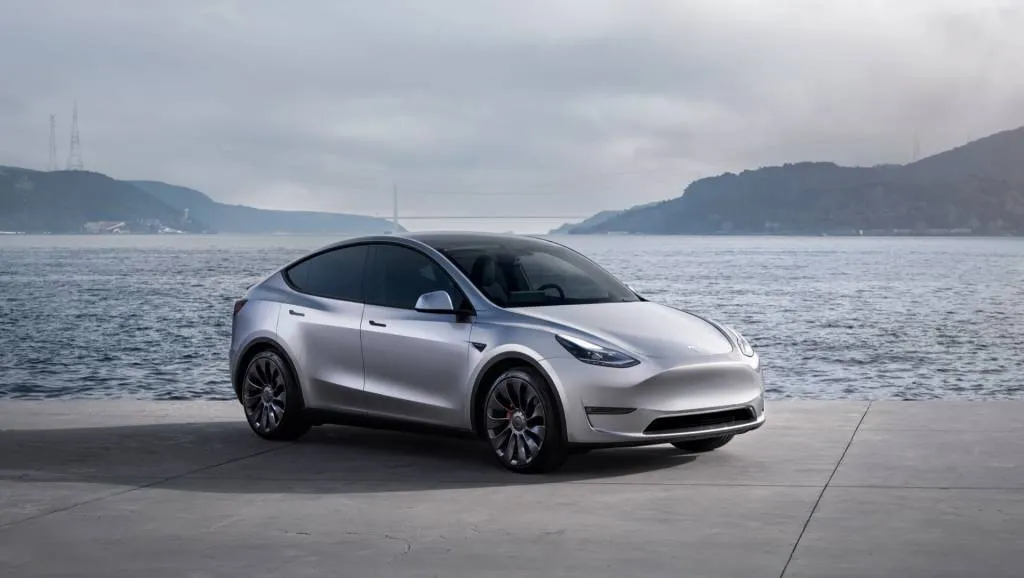
2024 Tesla Model Y. – Courtesy of Tesla, Inc.
Tesla Model Y
10-80%: About 25 minutes
Max power: 250 kw
Miles recovered (70% of EPA range): 224 miles
Speed factor: 9.0 mi/min
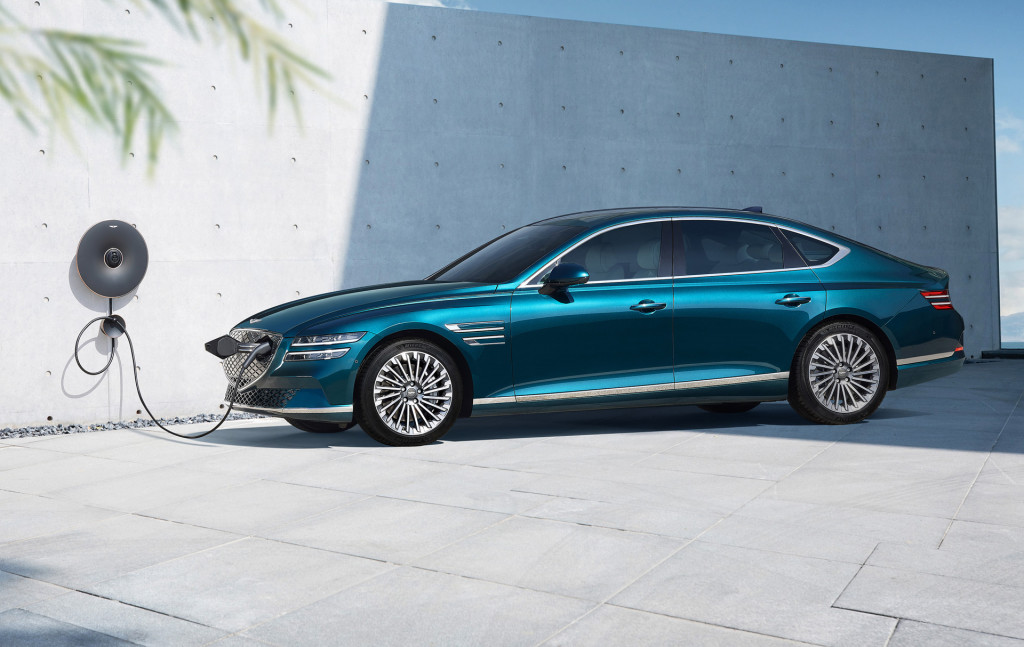
Genesis Electrified G80
Genesis Electrified G80
10-80%: About 22 minutes
Max power: 187 kw
Miles recovered (70% of EPA range): 197 miles
Speed factor: 9.0 mi/min
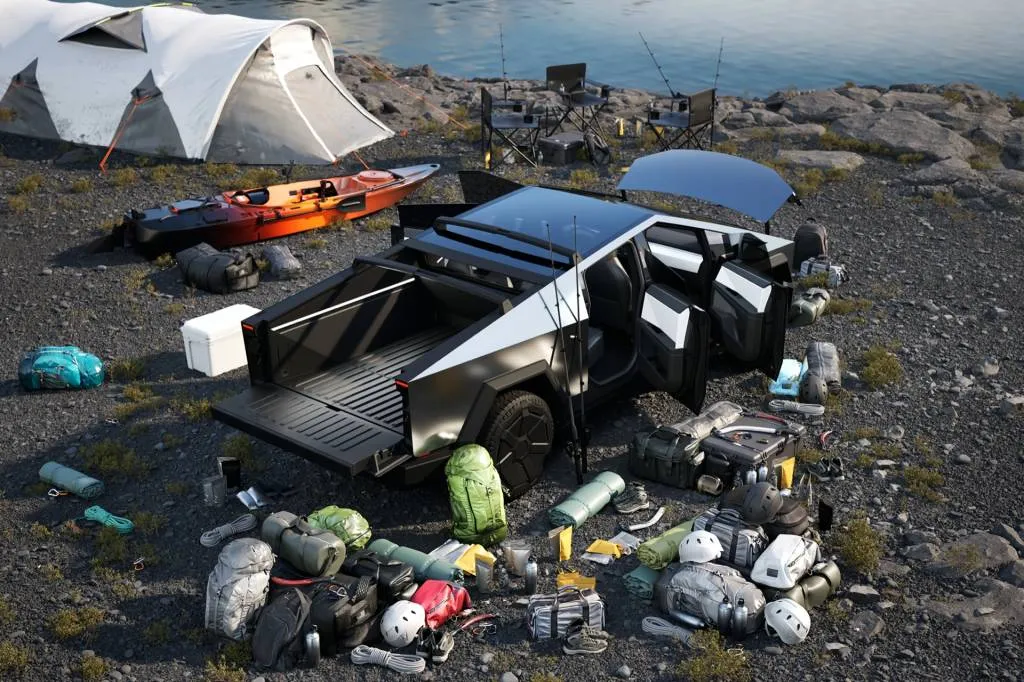
2025 Tesla Cybertruck – Courtesy of Tesla, Inc.
Almost there: EVs that miss the fastest-charging cut
If the 18 minutes to just under 30 minutes that the above models take to charge up from 10-80% is about the time to eat a quick lunch and take a bathroom break, another cohort of EVs doesn’t quite get there—and you’d better plan on your stops being more leisurely.
Current EVs from Mercedes-Benz and BMW narrowly missed the under-30-minute cut, as did the the Tesla Model S and Model X, and the GMC Hummer EV and Chevy Silverado EV. The VW ID.4 also missed the list, at 30-36 minutes for the refreshed 2024 and 2025 models. So does the Ford Mustang Mach-E, at about 32 and 36 minutes, officially, with its Standard and Extended Range packs.
The Rivian R1T and R1S take around 40 minutes, while other GM Ultium models like the Chevy Blazer EV and Equinox EV were farther off, in the vicinity of 45 minutes.
The Tesla Cybertruck may look leading-edge, but it doesn’t make the cut either. Anecdotally, it’s in the 35-minute range from 10-80%, and even considering the burst rates well above 300 kw that some have observed on non-Tesla hardware, it’s likely still above 30 minutes.

Tesla Robotaxi event rescheduled for Oct. 10
- Tesla CEO Elon Musk said the automaker Robotaxi will now debut on Oct. 10
- The new date means the reveal was pushed back two months
- Musk has provided no details about the Robotaxi
The Tesla Robotaxi reveal originally scheduled for Aug.8 has been pushed back to Oct. 10, CEO Elon Musk confirmed during the automaker’s second-quarter earnings call on Tuesday.
Musk announced the event earlier this year, but Bloomberg already reported earlier this month that the unveiling of the Robotaxi, expected to be an autonomous vehicle aimed at ride-sharing, would likely be delayed to give engineers more time to work on the prototype.
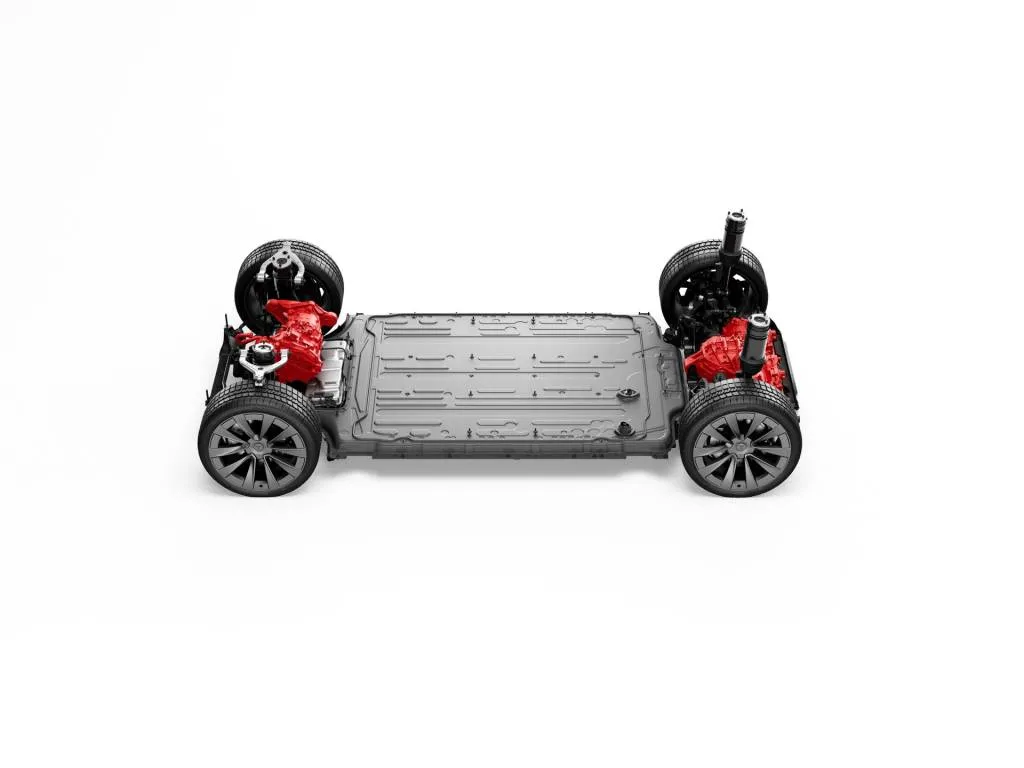
2024 Tesla Model X
Musk hasn’t provided any details on the vehicle since announcing it in April, and remained vague during the earnings call.
He wouldn’t confirm whether the Robotaxi would have a steering wheel and pedals, deletion of which could lengthen the timeline for its deployment due to a more complicate regulatory approval process, The Verge reports. General Motors’ Cruise subsidiary recently confirmed that it would mothball the Origin EV, which lacks manual controls, for its ride-sharing service, opting for a modified version of the next-generation Chevrolet Bolt EV instead.
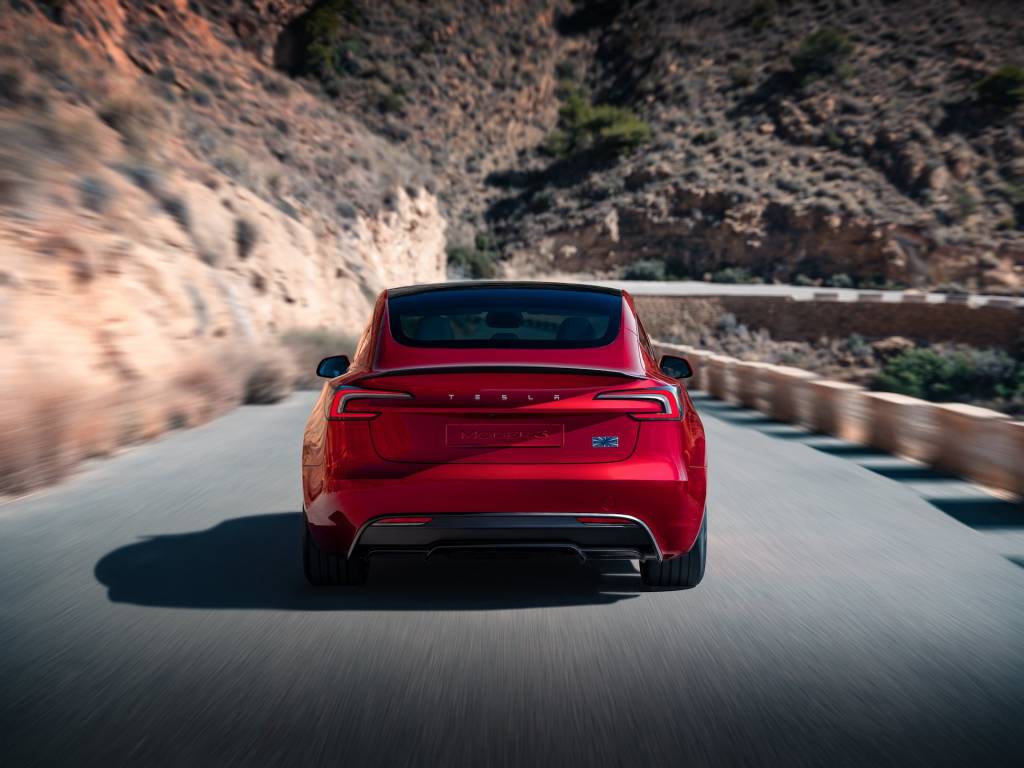
Tesla Model 3 Performance
Musk has periodically talked about this idea of revenue-generating self-driving taxis since 2019. At that time Musk suggested that Tesla would provide the interface and support to owners who would then rent out their cars as taxis, collecting a fee of 25% or 30% that still left some room for owners to generate income from their vehicles.
Building a dedicated robotaxi is a greater challenge than repurposing existing vehicles. Previous efforts by startup Arrival to develop an EV for Uber haven’t gone anywhere, and Tesla would likely need a completely different and more sophisticated hardware set, as its Full Self-Driving system continues to attract scrutiny from regulators and won’t be a system allowing the driver to hand over full responsibility anytime soon. Although, if reports prove true, the robotaxi project might improve the chances of eventually seeing Tesla’s $25,000 EV to production.

GM delays electric truck plant, punts Buick EV
- GM’s Orion Assembly Plant won’t build electric trucks until mid-2026
- Buick’s EV timeline just became TBD
- The Cruise self-driving robotaxi will no longer use the Origin purpose-built vehicle
General Motors is again delaying a planned ramp-up of electric pickup trucks, as well as the first Buick EV for the U.S., reports Bloomberg (via Autoblog).
Manufacturing of Chevrolet Silverado EV and GMC Sierra EV pickup trucks at GM’s Orion Assembly plant in Michigan has been postponed until mid-2026, CEO Mary Barra said during an earnings conference call Tuesday.
The delay is the main reason why GM won’t be able to meet a previous goal of having production capacity for one million EVs in 2025, according to the report. Barra announced last week that GM would miss that goal, blaming slow demand. But the automaker has also struggled to ramp up production capacity of new EVs using its Ultium battery tech.
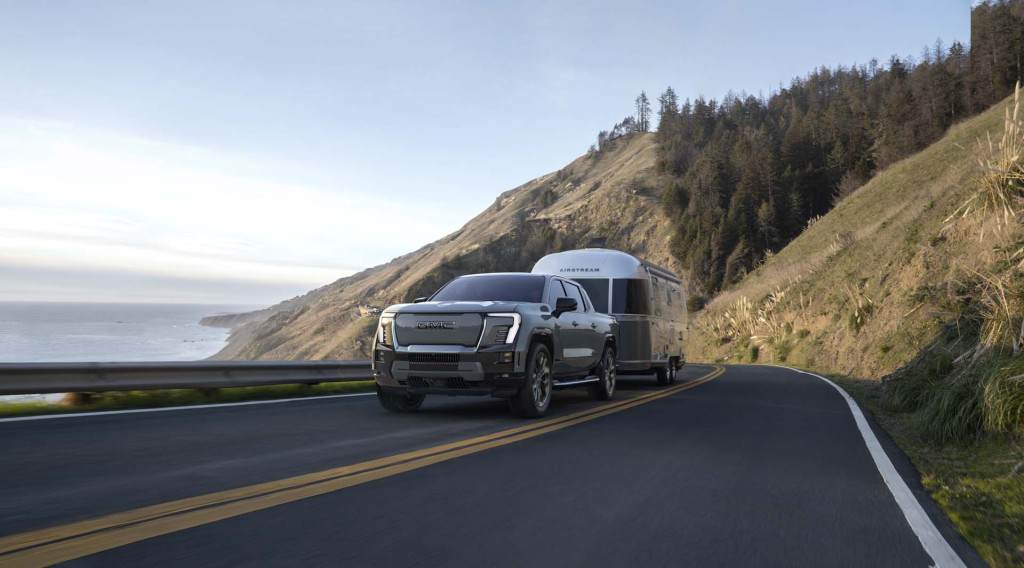
2024 GMC Sierra EV Denali Edition 1
This is the second delay for the repurposing of the Orion plant, which previously built the Chevy Bolt EV until that model was discontinued at the end of 2023. That move was meant to make room for electric trucks at the Orion plant.
This is the second time that GM has pushed back scaled-up truck production. In late 2023 it announced that this wouldn’t happen until 2025, with the Orion plant remaining idle in the meantime rather than continuing Bolt EV production. A next-generation Bolt EV is due for the 2026 model year.
Low-volume production of the Silverado EV is already underway at GM’s Factory Zero plant in Detroit. GM said in its Q2 financial results that it delivered 3,257 of the trucks in the first half of 2024. The automaker said in April that Sierra EV deliveries would start this summer, with initial production also expected to be sourced from Factory Zero.
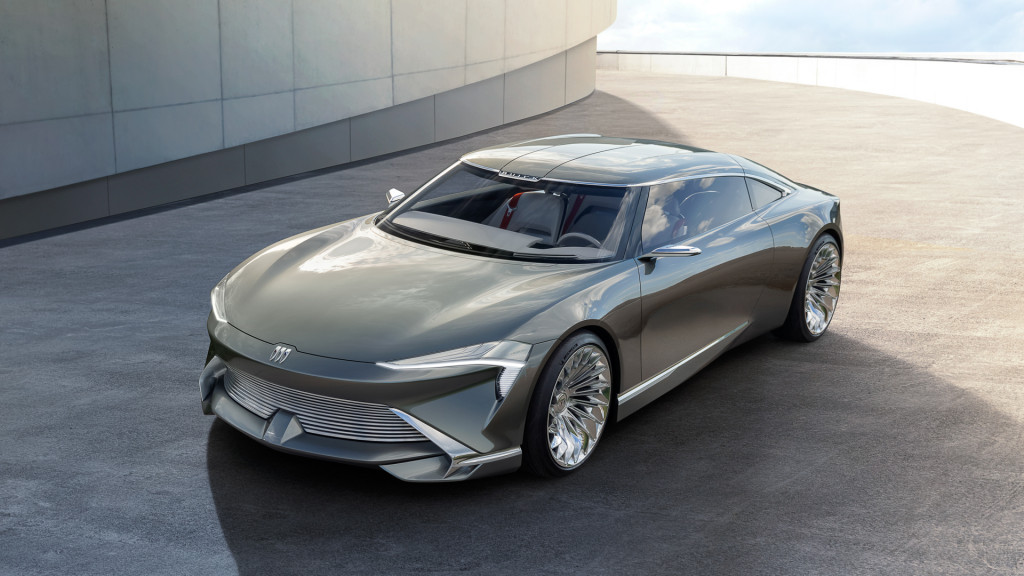
Buick Wildcat EV concept
Buick remains the only GM brand in the U.S. without an all-electric model. Its first EV for the U.S. was scheduled to be revealed later this year as the first in a series dubbed Electra, and with styling inspired by the Buick Wildcat concept shown in 2022. Buick also began offering dealer buyouts in 2022 in anticipation of an EV remake.
GM this week also confirmed that its Cruise self-driving technology subsidiary would no longer use the Origin, a purpose-built vehicle lacking a steering wheel and pedals, but utilizing the same Ultium battery tech as the automaker’s other EVs. That project had already been on hold for months, after various issues last year set back the firm’s plans and timeline. Cruise will instead use the next-generation Bolt EV for its robotaxi fleet.

Porsche says EV transition to “take years,” Audi refocuses on PHEVs
- Porsche and Audi acknowledge the electric transition will take longer than anticipated
- Audi said plug-in hybrids will be the stepping stone, especially in the U.S.
- Both Porsche and Audi still plan to go all-electric
Two Volkswagen Group brands now expect the EV transition to take longer than originally thought.
Porsche previously said it was aiming for 80% EV sales by 2030, but the automaker said Monday that this would only happen if customer demand and technological developments allowed.
“The transition to electric cars is taking longer than we thought five years ago,” Porsche said in a statement first reported by Reuters. “Our product strategy is set up such that we could deliver over 80% of our vehicles as all electric in 2030—dependent on customer demand and the development of electromobility.”
In the meantime, Porsche will keep a greater amount of combustion-engine cars in its product mix.
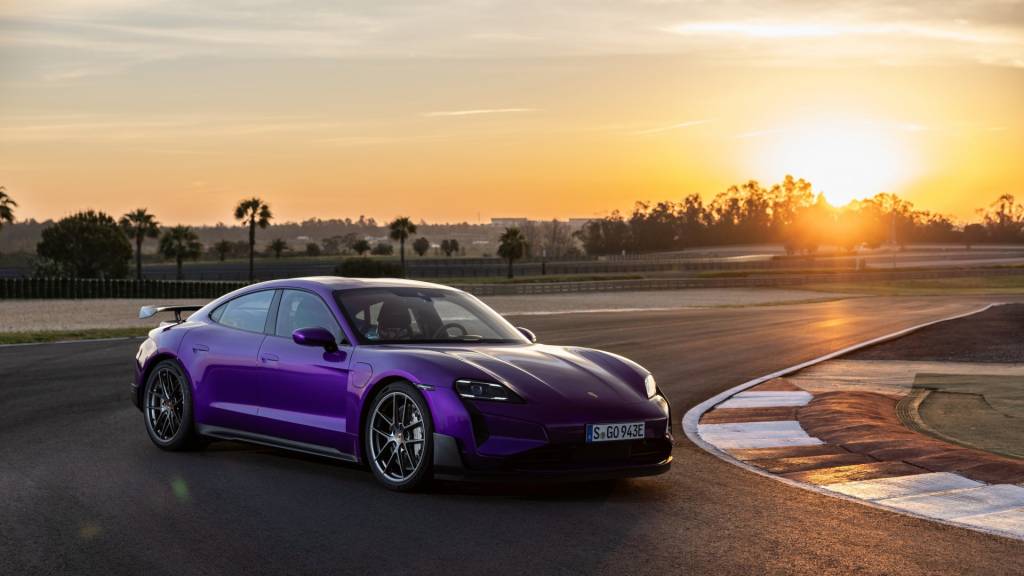
2025 Porsche Taycan Turbo GT Weissach package
“Our double strategy is more important than ever,” Porsche said, referring to its continued development of both internal combustion and electric vehicles.
Fellow VW Group brand Audi still aims to have an all-electric lineup by 2033, but CEO Gernot Döllner said in an interview with Autocar published Monday that there will be an extended “transition phase” to get to that point, adding that Audi is looking to plug-in hybrids to help smooth out that transition.
“We recognized early on that plug-in hybrids were a relevant project technology and now we see that the bridge is longer than we initially thought,” Döllner said.
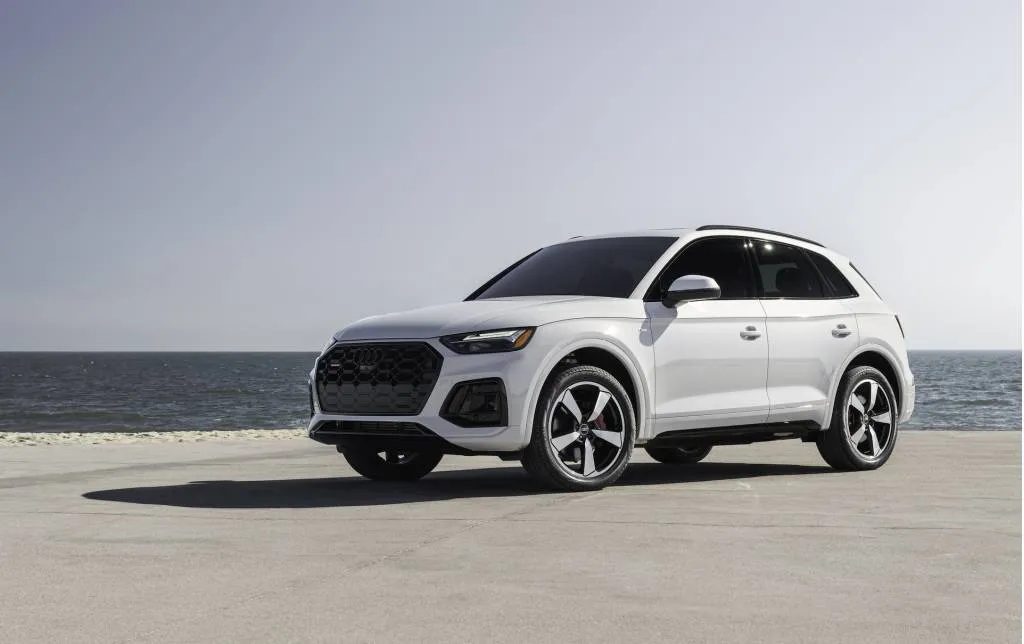
2025 Audi Q5
The 2025 Audi Q5 plug-in hybrid is the only such model in Audi’s current U.S. lineup, but the automaker is planning a new generation of plug-in hybrids with up to 62 miles of electric range, as well as a new family of combustion engines, according to Autocar. The Premium Platform Combustion (PPC), Audi’s next-generation platform for internal-combustion models that recently debuted with the new A5 sedan, can also accommodate range-extended powertrains, according to Autocar.
While this transition period could continue through the next decade, Döllner told Autocar that Audi still views EVs as the best solution in the long term.
“We believe, especially with the gradient of innovation in the battery-electric segment, that the battery-electric vehicle is superior,” he said.
The automaker is still rolling out new electric models based on the Premium Platform Electric (PPE) shared with Porsche as it moves on from earlier-generation EVs like the Q8 e-tron.