
Category: General

Lucid midsize SUV to cost less than $50,000
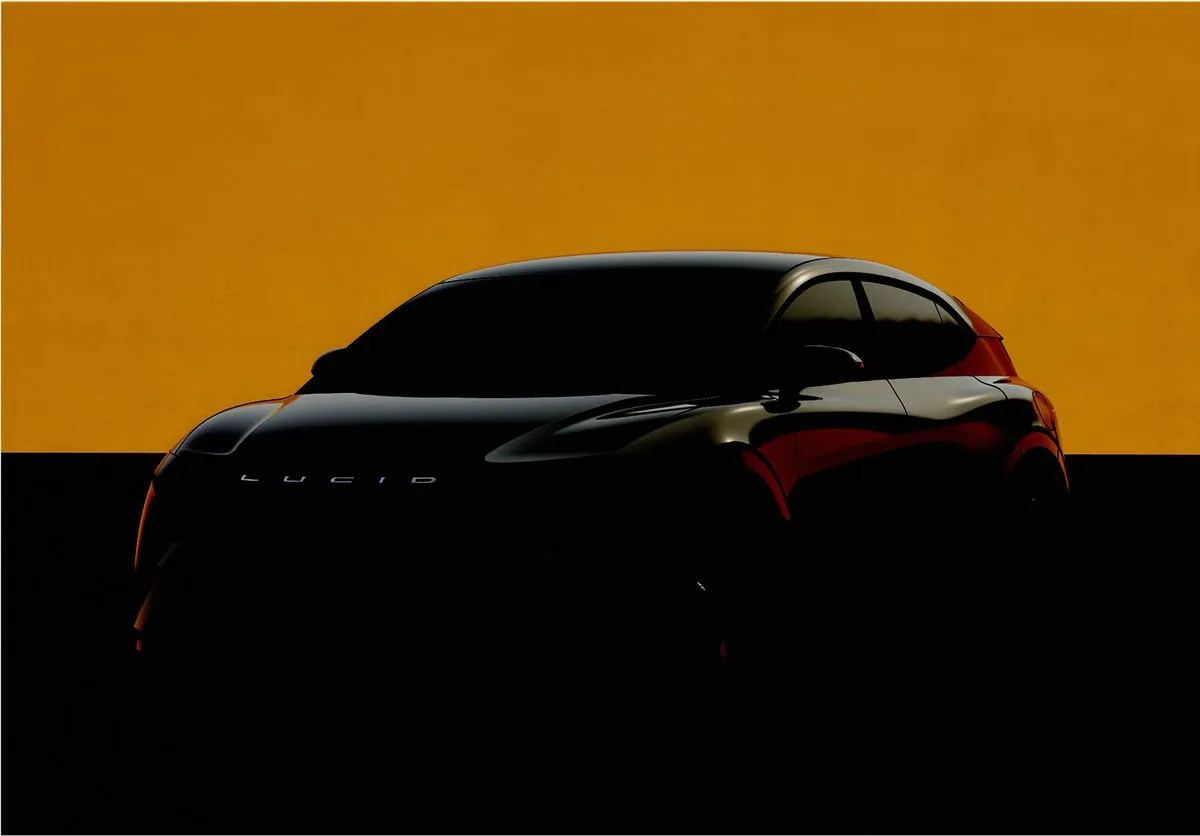
Lucid has given the first sneak peek at its upcoming midsize SUV.
On Tuesday at the automaker’s technology and manufacturing day, Lucid revealed on Twitter (now known as X) a teaser image of a midsize SUV. Lucid said production is set for late 2026 and added that the crossover will cost less than $50,000.
Lucid said the crossover SUV will feature “leading technology and efficiency.” The company said the unnamed vehicle will have the same range as competitors while using a smaller battery.
The electric midsize SUV might be named Earth. Lucid filed a trademark for the Earth name with the United States Patent and Trademark Office in January.
Lucid’s CEO Peter Rawlinson said in August it will take the competition years to catch up to the automaker in terms of efficiency.
The teaser image shows a crossover SUV that has a curved roofline akin to the larger Gravity SUV, but in a package sized similar to the Tesla Model Y. The front end shares its core design traits with the Air and Gravity, such as the horizontal headlights and full-width chrome trim with “LUCID” lettering. Unlike the Gravity, the midsize SUV’s hood appears to have scallops on both sides similar to the Air sedan. The fenders are curved, the side mirrors are fender-mounted, and no door handles are visible.
The midsize crossover is reportedly one of three affordable EVs Lucid is developing.
Lucid design boss Derek Jenkins has said the midsize vehicles will focus on efficiency and aerodynamics. The vehicles will be compact and lighter than the Air. A crossover SUV, a sedan, and possibly an affordable sporty hatchback are all possible.
Pre-production units of the Gravity SUV are now rolling off the assembly line with deliveries set to begin later in the year.
Lucid hasn’t said when the formal unveiling of the midsize vehicles will take place.

VW recalling 98,800 ID.4 EVs because doors could open unexpectedly
Volkswagen is recalling 98,806 of its ID.4 electric vehicles due to defective door handles that could cause doors to open unexpectedly.
The recall includes 2021-2024 models assembled in both Zwickau, Germany, and Chattanooga, Tennessee. The recalled vehicles may have door handles that can’t effectively keep out water. VW believes less than 1% of the affected vehicles have the defect, however.
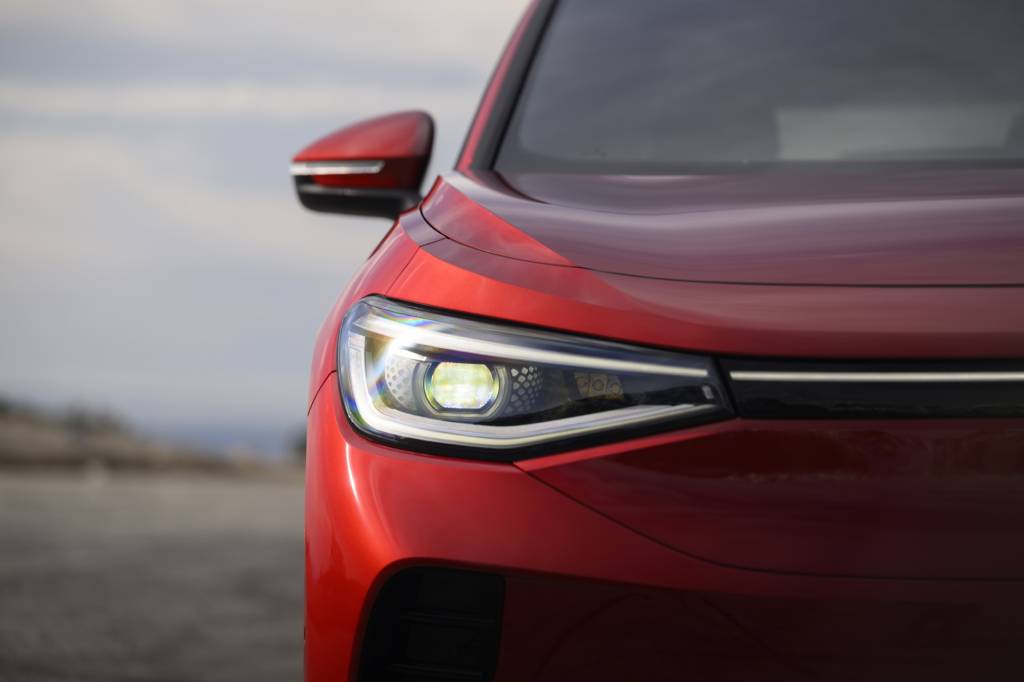
2024 Volkswagen ID.4
In vehicles that do have the defect, water could enter the door handle and reach a printed circuit board, which could cause “communication issues” between the handle and the door control unit, leading to an erroneous command to unlock the door, according to recall documents from the National Highway Traffic Safety Administration (NHTSA). If this happens, the driver may notice a clicking noise similar to the sound made when the door is unlocked normally.
VW is aware of 135 warranty claims from June 2023 to May 2024 related to this issue, but is not aware of any crashes or injuries.
Dealers will inspect the door handles and, if necessary, replace them with improved versions, free of charge. Vehicles will also get a software update, and VW will reimburse customers for any work they might have paid for themselves related to this issue. This recall expands two previous ones. Customers who had recall work performed under either of those will have to bring their cars to dealerships for this recall as well.
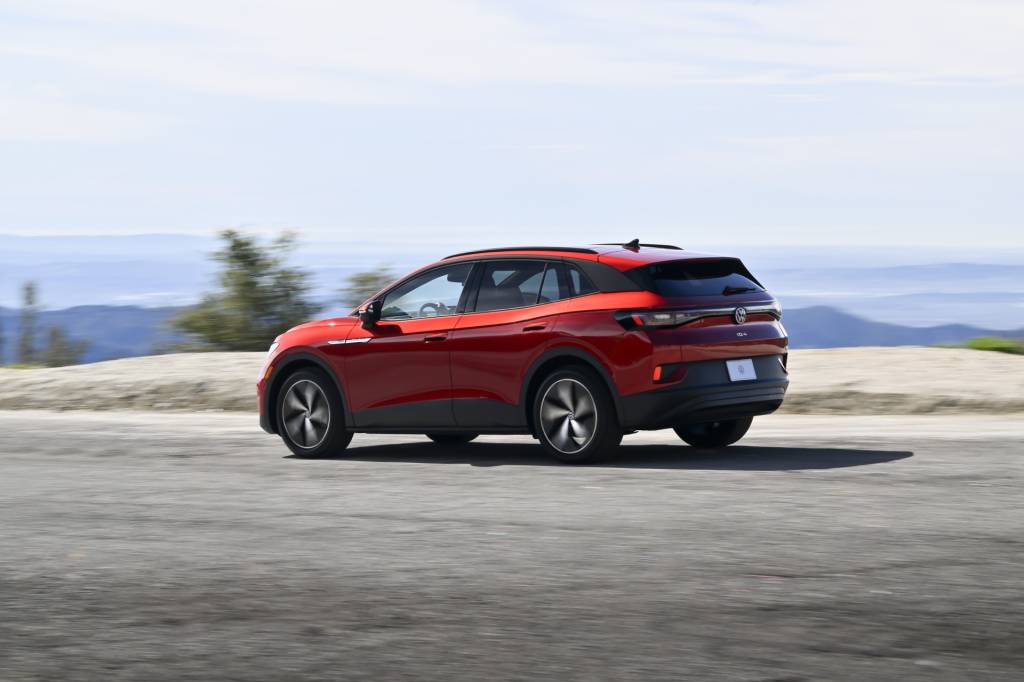
2024 Volkswagen ID.4
VW plans to mail owner notification letters by Nov. 1, 2024. Owners can contact the automaker’s customer service department at 1-800-893-5298 for more information.
This recall follows one earlier this year of nearly 80,000 ID.4 EVs from model years 2021 to 2023 for screen issues and software problems. That recall did not include 2024 ID.4 models, which received a handful of updates, including a larger available screen that seemed to purge many of the issues Green Car Reports found with the interface in earlier models.

EU might lower tariffs on Tesla, Chinese EVs
The European Union will lower proposed tariffs on electric vehicles from Tesla and certain Chinese automakers after hearing comments submitted by the automakers, Reuters reported Tuesday.
Citing an anonymous source familiar with the matter, Reuters reported that the proposed tariff for Tesla EVs will drop from 9% to 7.8%, while the tariff for Geely will decrease from 19.3% to 18.8%. All proposed tariffs are on top of the EU’s standard 10% import duty for cars.
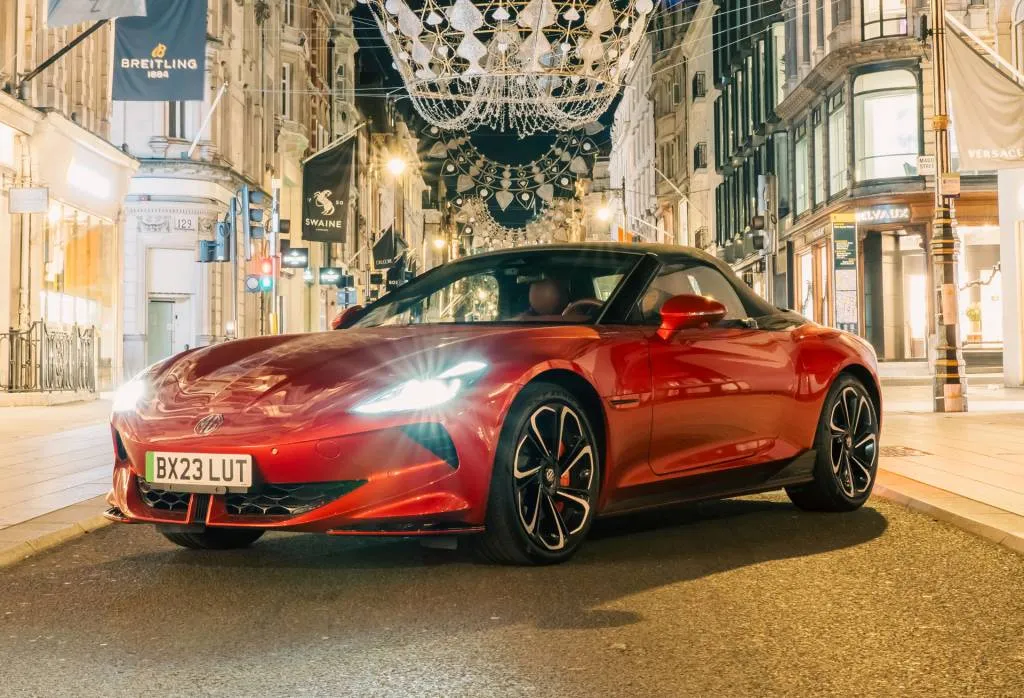
2024 MG Cyberster
Not all automakers will catch a break. China’s BYD will reportedly see no change in a proposed 17% tariffs on its EVs. And automakers that did not participate in the process, such as SAIC, while sells the MG brand in Europe, will see a peak rate of 35.3% applied to their vehicles.
The EU announced the proposed tariff rates last month, giving China and the affected automakers 10 days to submit comments, which the European Commission reportedly took into account when devising the revised, lower rates. Those tariffs are still subject to approval by a vote of the EU’s 27 member states, Reuters noted, and can be overwritten if a qualified majority of 15 member states representing 65% of the EU population votes against them.
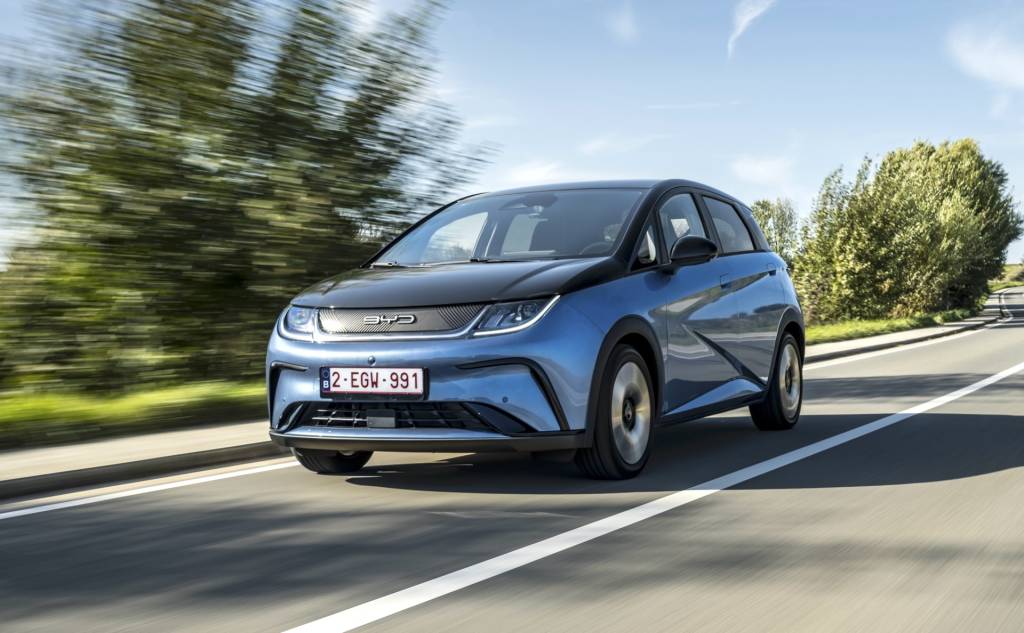
BYD Dolphin EV – Euro spec
The implementation of EU tariff rules may be too late to stop an influx of Chinese EVs, though. BYD has already begun selling its Dolphin compact hatchback for less than $30,000 in some markets, and the BYD Seagull might be sold for less than $20,000 in certain markets.
Last month Canada’s national government announced a 100% tariff on Chinese-made EVs, closely matching the policy adopted by the U.S. by the Biden administration earlier this year to keep Chinese EVs out. Presidential candidate Donald Trump has promised to take the 100% Chinese tariffs a step further—to all vehicle types, EV or not.

Northvolt cutting costs, undergoing strategic review
Swedish battery maker Northvolt is undertaking a strategic review that could lead to job losses as the company aims to cut costs and scale back ambitious expansion plans, Reuters reported Monday.
“No final decisions have been made on the precise nature of any (workforce) resizing,” Northvolt said in a statement to Reuters. The company has decided to suspend cathode active material production at its Skelleftea factory in Sweden, which will reportedly require Northvolt to import the material for assembly of lithium-ion battery cells.

Rendering of Northvolt Six battery factory in Quebec, Canada
Opened in 2021, the Skelleftea factory is Northvolt’s first battery plant. So far it hasn’t reached the full planned production capacity, Reuters reported. It has around 3,500 staff, according to Northvolt’s 2023 annual report. Northvolt has about 5,000 employees in total, according to Reuters.
Reuters reported that Northvolt planned to start talks with “potential partners and investors” regarding its planned factory in Gdansk, Poland, but remained committed to previously discussed new factories in Germany, Canada, and Sweden. The latter is a joint venture with Volvo announced in 2022 that was originally scheduled to open in 2025. But all pending projects could reportedly face delays as Northvolt reevaluates its financial situation.

Artist’s impression of Volvo and Northvolt battery plant planned for Gothenburg, Sweden
Northvolt is one of the startups aiming to create a local EV battery industry for Europe, but it has faced several setbacks recently. In June BMW canceled a battery supply deal estimated to be worth about $2 billion. Northvolt on Friday also announced that it was cancelling plans for a second cathode active material plant in Borlange, Sweden, as part of the ongoing strategic review.
Last month, Northvolt also announced that it was shutting down an R&D center in California, which the company inherited with its acquisition of Cuberg in 2021. The California R&D center was researching lithium-metal battery technology, work that Northvolt indicated would be transferred to its main R&D center in Sweden.

Hyundai Ioniq 5 N gets free charger, or some free charging
More so than almost any other previous EV, the 2025 Hyundai Ioniq 5 N targets driving enthusiasts. Many of those enthusiasts may also be new to EVs and charging, so Hyundai is offering some options to help get them started.
For customers who purchase or lease a new Ioniq 5 N, Hyundai is providing a ChargePoint Home Flex Level 2 charger for free, or a $450 credit for use at ChargePoint’s public charging stations.
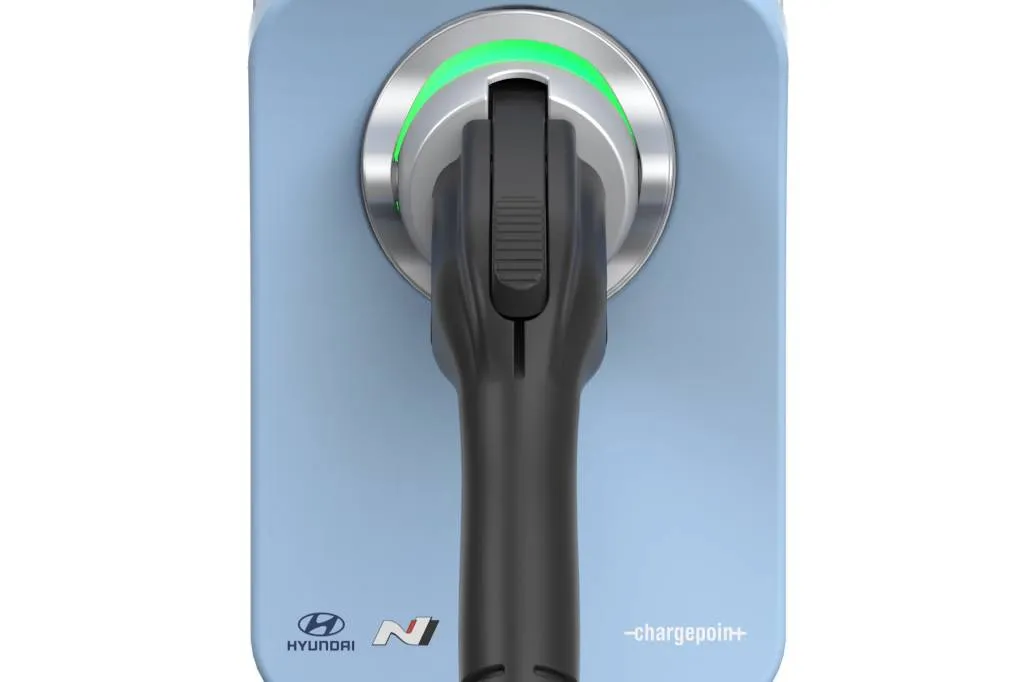
ChargePoint Home Flex Level 2 home charger for 2025 Hyundai Ioniq 5 N
The home charger is the same unit Hyundai began offering to other EV customers last year, and the automaker is once again providing both the charger and installation through its Hyundai Home service. Launched in 2022, this aggregates home-charging possibilities for EV owners, as well as solar and energy storage options and provides bids for installation.
Hardwired installation through a Hyundai Home service provider is required, but Hyundai isn’t covering installation costs or any associated taxes and fees. Customers have 90 days from the date of vehicle purchase or lease to redeem the charger offer, and 180 days from that date to have installation completed. Customers who bought or leased an Ioniq 5 N prior to Jul. 16, 2024, must redeem by Oct. 14, 2024, and have installation completed through Hyundai Home by Jan. 12, 2025.
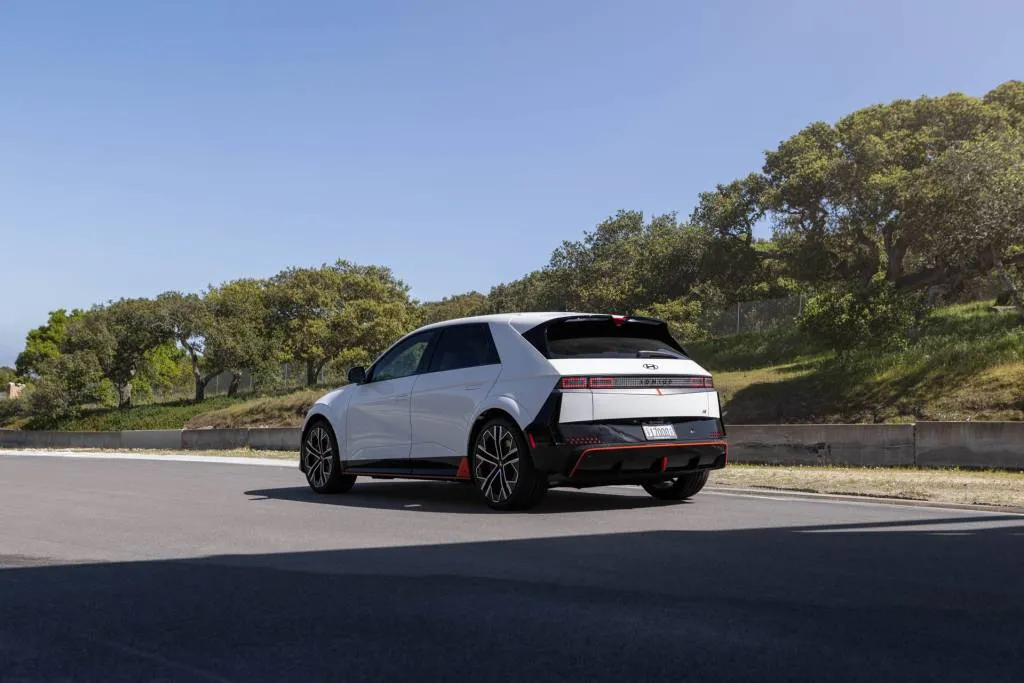
2025 Hyundai Ioniq 5 N
Customers who opt for the public-charging credit also have 90 days from the time of their purchase or lease of an Ioniq 5 N to redeem the credit, and two years to use it.
The Ioniq 5 N itself resets expectations for enthusiast EVs, adding genuine track capability to the incredible straight-line acceleration and accessible power many EVs already offer. While charging at racetracks still requires a bit of sorting, Ioniq 5 N owners now at least have more options for charging before and after track days.

Volvo won’t chase last bit of ICE business, but PHEVs will evolve
- Volvo might end gas models sometime after 2030 even if demand still exists
- Charging infrastructure, slower EV adoption are behind new timeline
- Volvo PHEVs will keep evolving toward EV, with smaller engines too
Although Volvo last week walked back plans to sell only plug-in vehicles by 2030, relaxing the electrified target to 90% by then, its executives were eager to place some nuance on the announcement.
Beneath the recalibrated timeline, Volvo made clear in a series of roundtables with the press last week, that this doesn’t mean it will keep building gasoline models as long as regulators allow them to be sold. And it’s still ready to go 100% plug-in by then if the market demands it.
“We don’t want to chase BMW in building engines,” said Björn Annwall, Volvo’s chief operating officer and deputy CEO. “We want to build the best software-defined vehicles.”
Annwall is referring to remarks from BMW, as recently as earlier this year, affirming that it will continue to invest in engines.
Volvo’s head of engineering and R&D Anders Bell also confirmed that while it might be making a small number of mild hybrids without a charge port into the start of the next decade, this announcement brings no change to Volvo’s end of internal combustion engine work. Volvo several years ago, on the business front, closed the door on ICE and spun off its engine development, with manufacture done by a new company jointly owned by parent Geely, of engines to be used in vehicles across Geely’s brands.
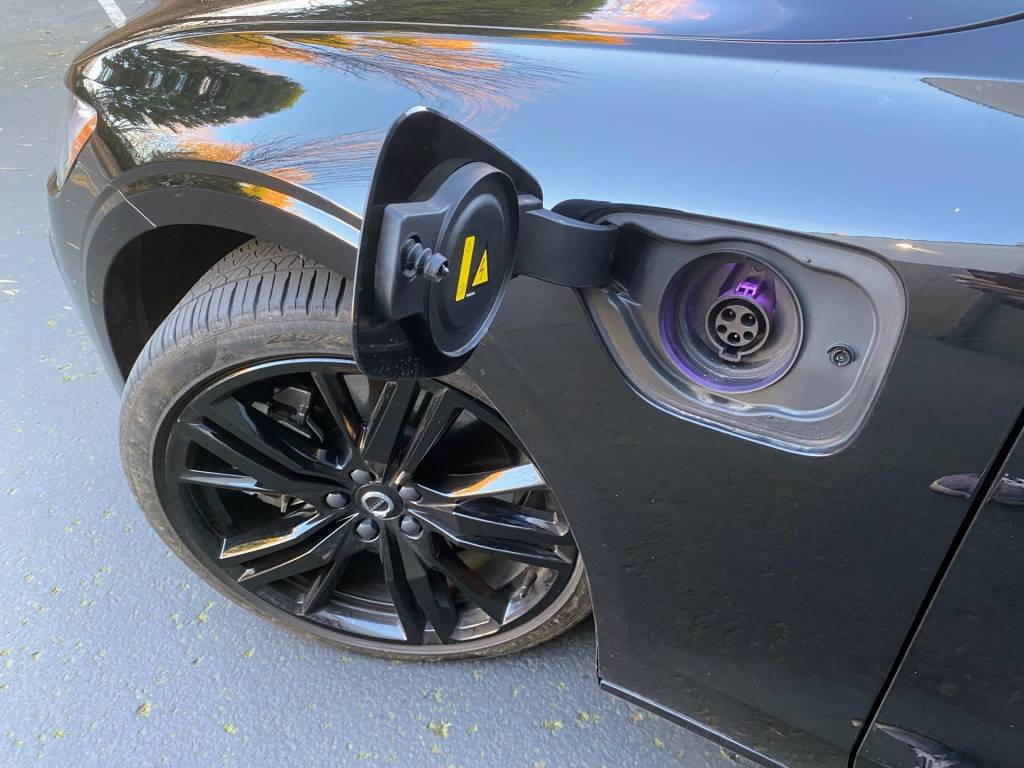
2024 Volvo S60 Recharge
Charging infrastructure partly to blame
“Over the past few years…generally, in the industry, everybody thought there would be adaptation of the battery electric vehicle faster,” said Bell. “Infrastructure didn’t grow in regions as fast as expected, and we need to be pragmatic.”
Volvo currently has about 1.5% of the global market, by sales, Annwall said, and in the early years of the next decade, if the global market is in the range of 50-70% EVs by then, Volvo is fine walking away from that sliver of its non-plug-in business.
“I wish we had a crystal ball, and I think today’s announcement is about the fact that we don’t have a crystal ball,” said Annwall, explaining that it gains Volvo some strategic flexibility in how quickly the market evolves in different parts of the world.
“It’s not about cutting down the vision to become fully electric,” he added. “It’s about the fact that we will keep the current technology fresh and competitive longer, up until 2030 and beyond, if required in order to be able to play in those markets.”
“I believe we’re going to get to fully electric quicker,” the executive said, reflecting on the new target. “If we talk about Northern Europe, if we talk about Norway, we did yesterday.”
Volvo used last week’s announcement as a chance to emphasize its Superset technology stack for software and electrical architecture set to debut on the 2025 EX90 electric SUV, and set to be evolved with subsequent EVs like the upcoming Volvo EX60 electric SUV due to arrive around 2026.
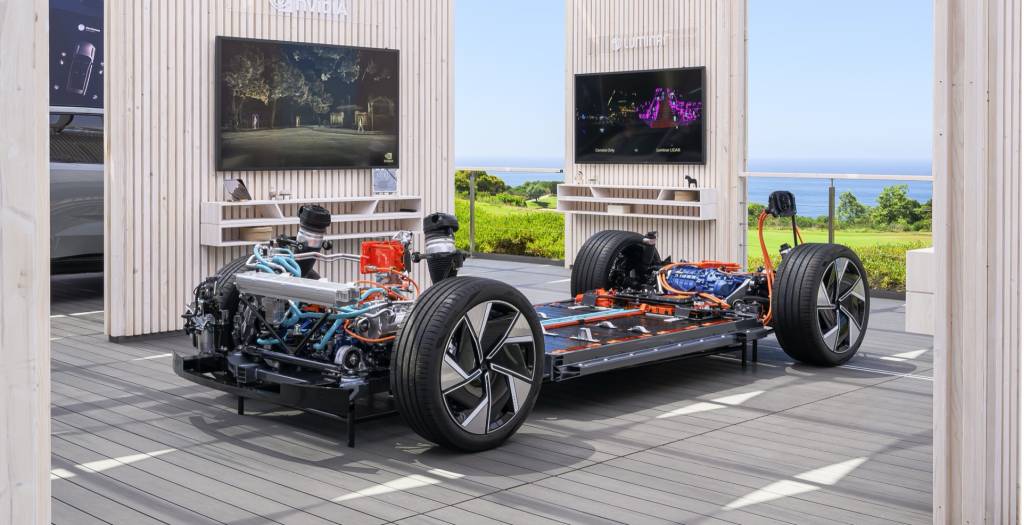
2025 Volvo EX90 propulsion system
Evolving Volvo plug-in hybrid tech?
But to focus on propulsion, Volvo’s recalibrated strategy still means it plans to sell a great many plug-in hybrids by that target and well beyond.
It’s substituted in larger battery packs every few years and raised motor output. The 18.8-kwh battery pack—today’s three-layer battery technology—is actually cheaper to produce than the previous two-layer battery tech, according to Annwall, and in the XC90 it can deliver 33 electric EPA miles and the stronger electric motor output at a lower cost than the previous generation. “I think we can continue to evolve the electrified part of the powertrain, and that’s our strategy.”
That said, the system still runs through a traditional eight-speed automatic transmission, as it did when Volvo phased in this system a decade ago, and the electric propulsion takes second fiddle to the combustion engine by power output and design. Green Car Reports asked several questions about when and how this system might evolve and got some hints.
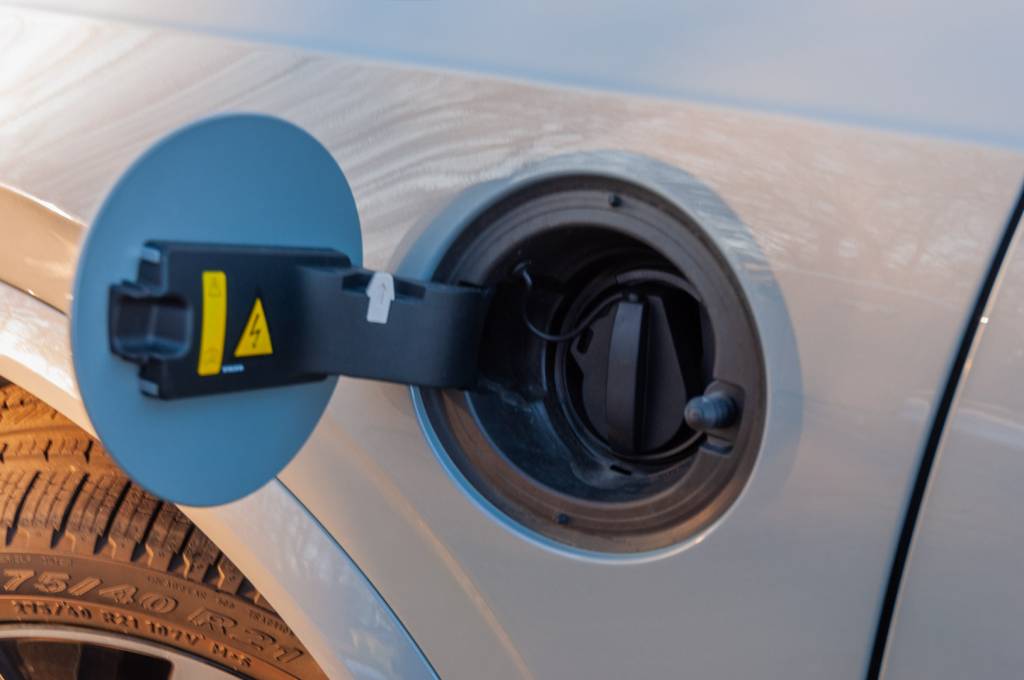
2024 Volvo XC90 Recharge
“The most important thing is to increase the internal efficiency even more,” said Erik Severinson, Volvo’s head of new car programs and operations strategy. Today electric machines are about 90% internal efficiency while combustion engines are around 30% internal efficiency, but there’s room above 90% efficiency, he said. “You will see that development.”
Severinson said that for future PHEVs there will be even less focus on the number of cylinders and more on the ultimate performance of the vehicle. Volvo has already subbed in 3-cylinder engines for its smaller plug-in hybrids.
Volvo says that from its own data, on a globally average, its plug-in hybrids are driven 50% of their miles on electricity, and it’s on the increase.
How much battery capacity and range is enough in a plug-in hybrid? Volvo has run a bunch of scenarios and conducted customer studies to understand how people are using their electric range, but Severinson wouldn’t comment on the tipping point. “At some point the battery gets big, the battery gets heavy, and cost goes up for the PHEV as well.”
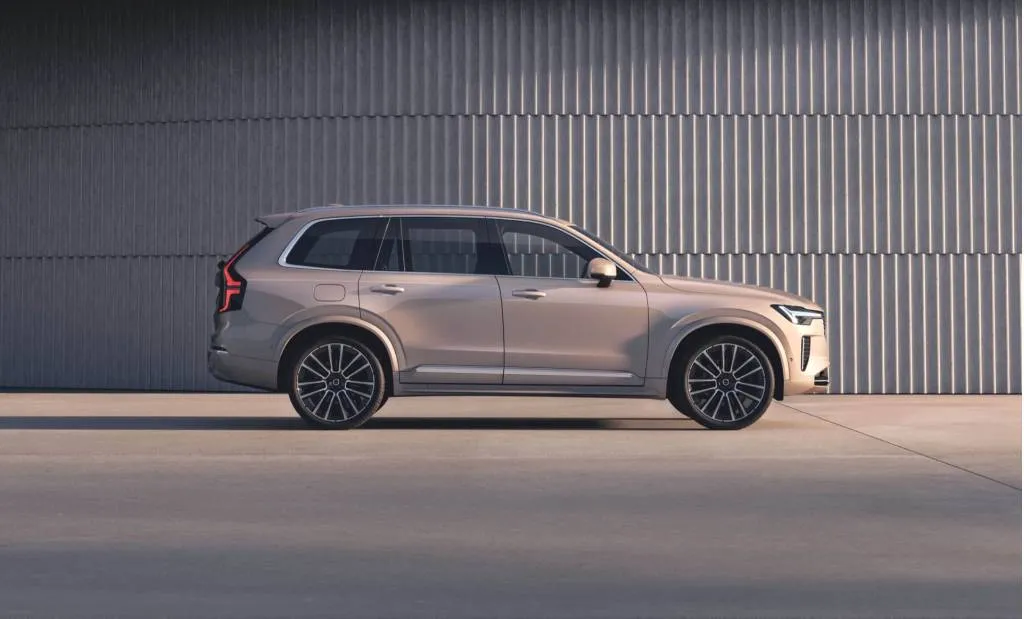
2025.5 Volvo XC90
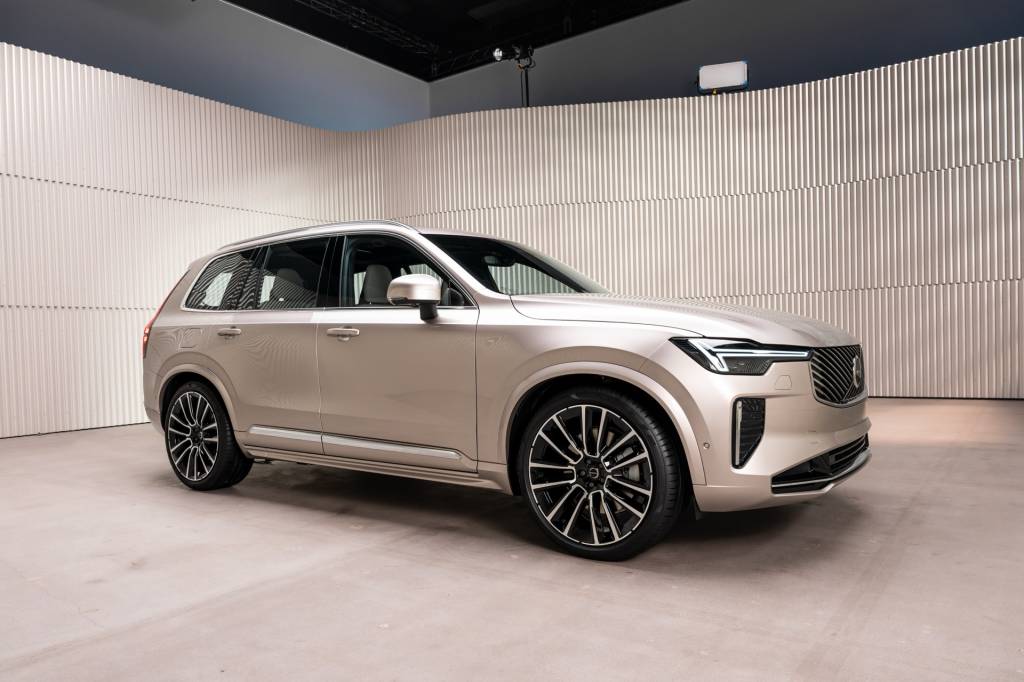
2025.5 Volvo XC90
2025.5 Volvo XC90
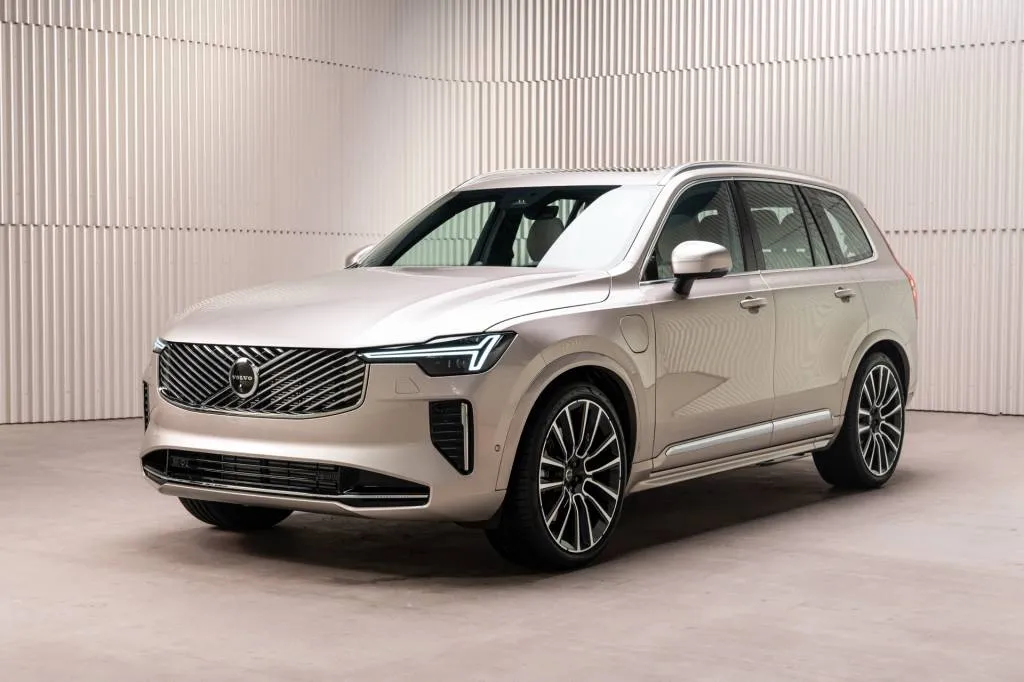
Quicker charging times could make the size of the PHEV batteries less relevant, Severinson said. Although at present Volvo’s PHEVs in the U.S., including the 2025.5 Volvo XC90, still use a very slow, low-power 3.7-kw onboard charger that’s inadequate for midday charges.
Bell would not comment on future tech solutions for PHEV—or for making the gasoline engine secondary with more of a range-extender approach—but he said that “we have a keen eye on what are the right technologies for us and for our customers for sure, and how much benefit.” He quickly added that “we need to be able to make sure that whatever product we do, it needs to be a Volvo. It needs to be a good experience, good NVH, good properties, reasonable towing, etc.—so that part doesn’t change, but the technology to support those choices might.”

DOE: Small SUVs halve lifetime GHG emissions as EVs vs. gas
A small electric SUV with 300 miles of range produces 52% fewer life-cycle greenhouse gas emissions than a comparable gasoline vehicle, according to the U.S. Department of Energy (DOE).
Greenhouse gas emissions from production and distribution are currently around double that of gasoline production and distribution, the DOE notes, but that’s more than offset by the tailpipe emissions of gasoline vehicles, which represent nearly three quarters of their total life-cycle emissions.
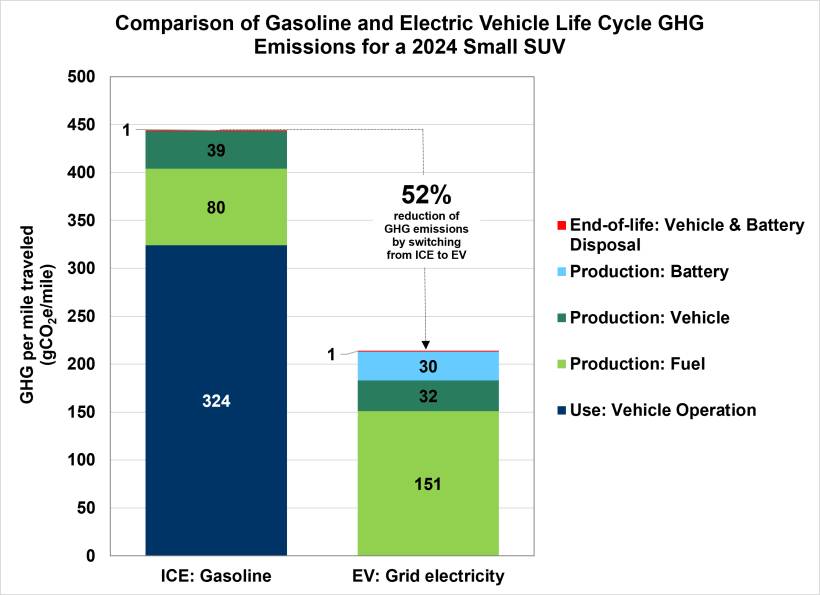
Comparison of 2024 lifetime greenhouse gas emissions of small SUVs (via U.S. Department of Energy)
And while producing and burning fossil fuels will never get cleaner, it’s possible for overall EV emissions to decrease through the use of renewable energy to power the grid. This is already happening. The Union of Concerned Scientists (UCS) in 2020 found that 94% of Americans already lived in a place where, based on the local grid, electric cars were cleaner than 50-mpg gasoline cars.
That being said, other analysis has found that SUVs are still not the best choice for the environment regardless of whether they’re powered by electricity or gasoline. The International Energy Agency (IEA) said earlier this year that SUVs emit 20% more CO2 compared to cars regardless of powertrain type. If those extra emissions were compared to countries, they would make SUVs the world’s fifth largest CO2 polluter, according to the IEA.
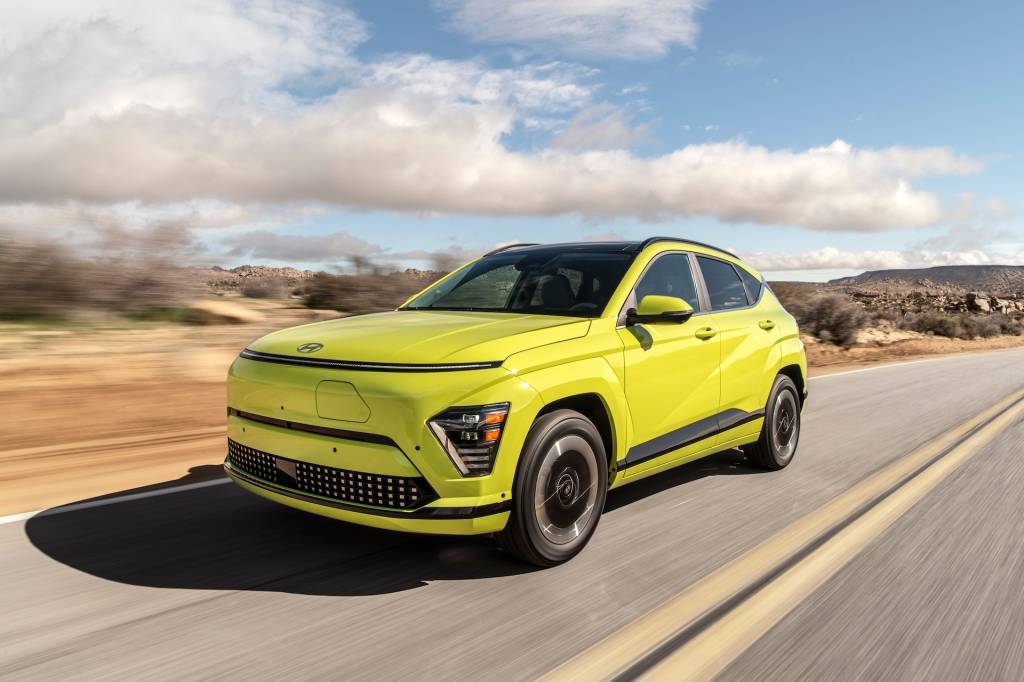
2025 Hyundai Kona Electric
The IEA also warned in 2023 that the SUV market is fueling global oil demand, countering some of the emissions reductions one might hope to see from higher EV adoption. SUVs are generally heavier than cars, which impacts efficiency of combustion and electric powertrains alike. That inefficiency is magnified by increased global SUV sales, which reached a record 48% in 2023, according to the IEA.
In this case the DOE’s distinction between overall SUV emissions and those of smaller models is key. The DOE previously noted that smaller SUVs are better for the environment in terms of CO2 emissions, and that EVs and plug-in hybrids are better still.
Ariel Wolf examines California’s tipping point on self-driving trucks (Episode 267)
The chair of the automated and connected vehicle practice at law firm Venable breaks down California’s new draft regulations regarding autonomous trucks. Further, he details the state of AV laws and regulations –- or absence thereof — across the country.