
Category: General

Are quicker EVs more accident-prone? Insurance data suggests so
- EVs with 300 lb-ft of torque or more are associated with higher insurance loss
- For a range of popular EVs, this means popular AWD versions
- Higher EV curb weights and torque-to-weight ratio add to the correlation
- This signals insurers need smarter rates that navigate EVs’ different risks
Electric vehicles are so often lauded for their loads of “instant torque” and strong, quick acceleration. Some brands even go so far as to claim quicker EV acceleration adds to safety.
But as a broad analysis of insurance industry data points out, many of those high-output EVs—the popular all-wheel-drive ones—may also be the ones linked to the continued surge in EV insurance costs.
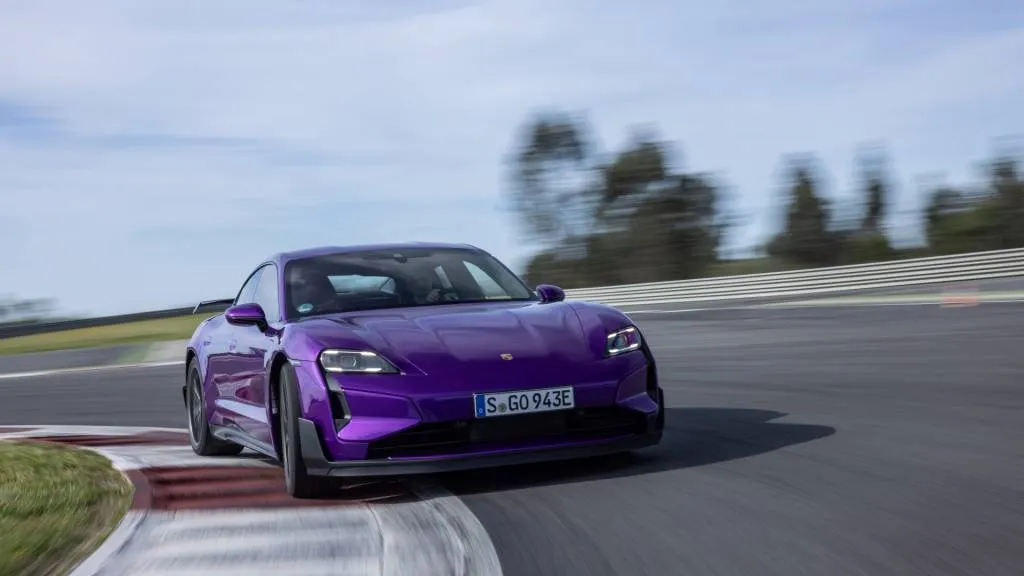
2025 Porsche Taycan Turbo GT Weissach package
“Our data has also shown that the extra torque delivered by the powerful EV motors (is) positively correlated with their loss cost,” said Xiaohui Lu, LexisNexis vice president of global business development, to Green Car Reports.
Specifically, EVs with more than 300 lb-ft of torque correspond with higher insurance loss cost, based on LexisNexis’ internal analysis of insurance claims across EV brands (it declined to say where top-selling EV brand Tesla stands) and across insurers. And factoring in EV curb weight and the correlation between torque-to-weight ratio, the link is even more pronounced.
The data set itself isn’t enough to say whether having so much output and acceleration on tap emboldens drivers and leads to more aggressive driving behaviors, or whether there is anything inherently less safe about high-power EVs.
It’s also hard to make a comparison to models in the gasoline-powered fleet, as such vehicles with more than 300 lb-ft of torque are far less statistically common, and they tend to be in niche performance models, so there may as well be a distinct difference in the types of people who are buying them. But apples to apples, gasoline vehicles don’t demonstrate such an abrupt risk threshold.
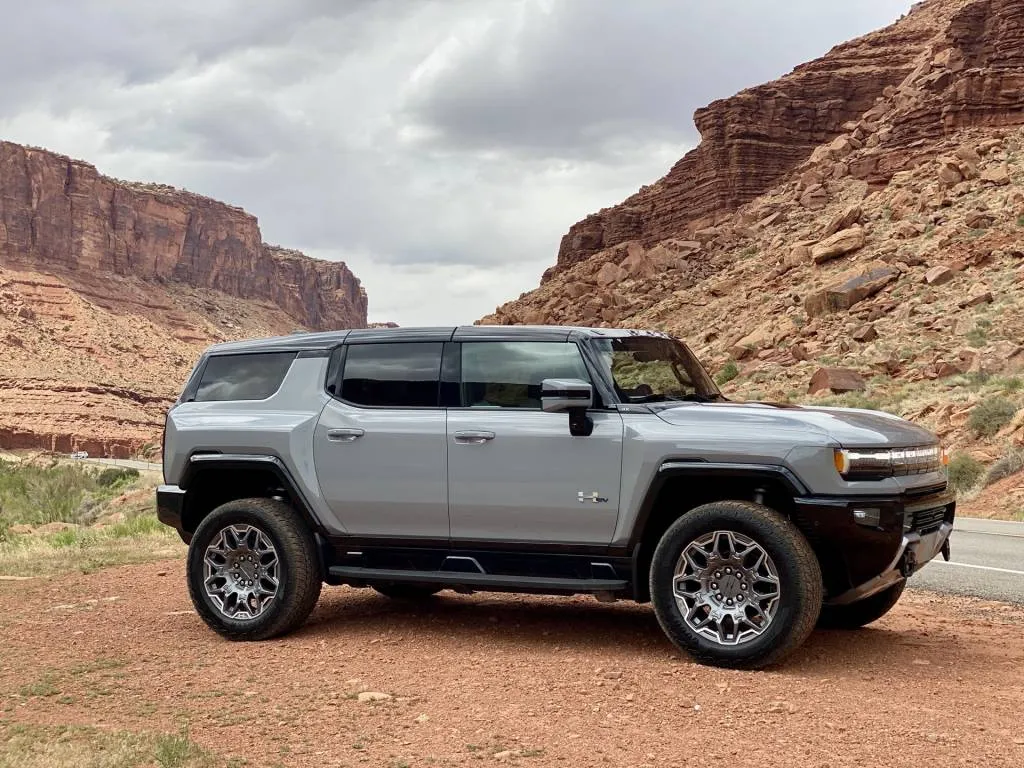
2024 GMC Hummer EV SUV
It’s complicated—not just EV drivers but repair costs and more
Correlation does not imply causation, and insurers will simply need to get a deeper understanding on why high-torque EVs are potentially spiking rates for everyone else.
“While torque contributes to the higher insurance loss cost of electric vehicles, it is important not to view these numbers solely through the lens of torque,” underscored Lu. “For instance, higher torque vehicles often have higher prices, more expensive repair costs, and sometimes even higher daily mileages, all of which are also linked to increased insurance loss costs.”
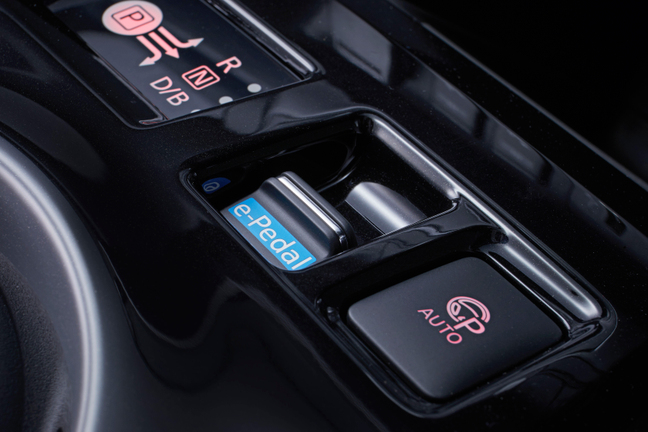
Nissan e-Pedal one-pedal driving mode
The one-pedal driving mode on some EVs is one such example that might conceivably be spurring fender-benders, at least among newbies. “Our data show a distinctive learning curve for the drivers newly switched from ICE vehicles to EVs,” Lu added about risk factors.
According to data from the firm released back in June, EVs cost much more to insure, looking across the board, with a 17% higher claim frequency and 34% higher claim severity versus what it considered to be “traditional segments” of the vehicle market, with both the number of paid claims and the payment amount of claims rising faster than those figures for the market at large.
More EVs in the risk pool didn’t fix things
Some had hypothesized that the relatively small sample set of EVs was part of the problem. But in 2023, U.S. EV sales skyrocketed 54% versus 2022, to 1.4 million, bringing a 40% boost in the overall number of EVs insured—3.9 million vehicles including EVs and PHEVs. And those soaring numbers of EVs in the fleet only extended the trends of higher claims and higher costs.
More involved collision repair for even light EV damage is partly responsible for the higher cost, industry data has shown, as is the higher weight of EVs and corresponding higher levels of vehicle damage—especially to other vehicles.
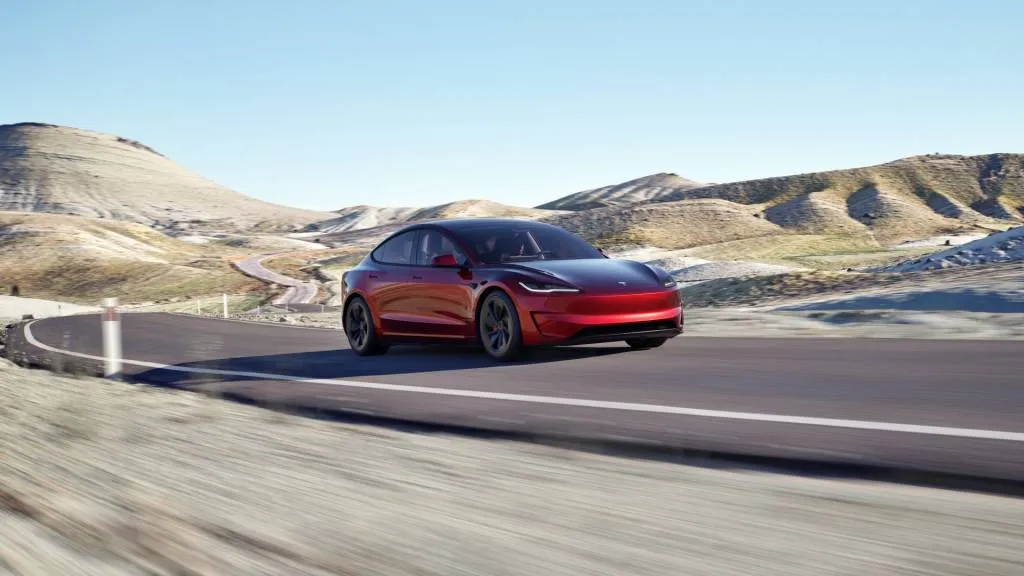
2024 Tesla Model 3 Performance
Those factors amount to an “escalating profitability challenge” for all EV insurers, according to the firm. As we’ve pointed out recently, the soaring cost of battery replacement may be partly linked to those challenges. And with rates still surging for EVs, it appears smart that Tesla created its own insurance in an effort to keep costs down and competition up.
According to the insurance-funded Highway Loss Data Institute, Teslas don’t crash more often than other vehicles, but the consequences are more expensive.
Popular AWD EVs as high-risk?
Lu also emphasizes that its data points out that some EVs do offer lower loss rates and costs, and there are drivers who do use electric propulsion for safer driving, so it’s up to insurers to navigate this new world and come up with smarter, more competitive rates.
All-wheel drive has a reputation for adding safety, but it hasn’t proven true in the way it’s implemented so far for EVs. Unfortunately, as the data accumulates, that may mean insurers not treating all Model Ys or Ioniq 5s or EV6s the same, and treating the strong-selling, higher-power AWD versions of many popular EVs as higher-risk performance models.

Chinese-made Lotus Eletre electric SUV set for US at $229,900
The Lotus Eletre EV is still scheduled to reach the U.S., with deliveries set to start in the first quarter of 2025. But the Chinese-made electric SUV is seeing a major price hike due to new U.S. tariffs.
Lotus on Thursday confirmed that the Eletre Carbon launch model will start at $229,900. The announced price is effectively double what was originally announced—an indication Lotus is willing to swallow little if any of the additional 100% tariff on Chinese-made EVs in the interest of brand-building or building out U.S. sales.
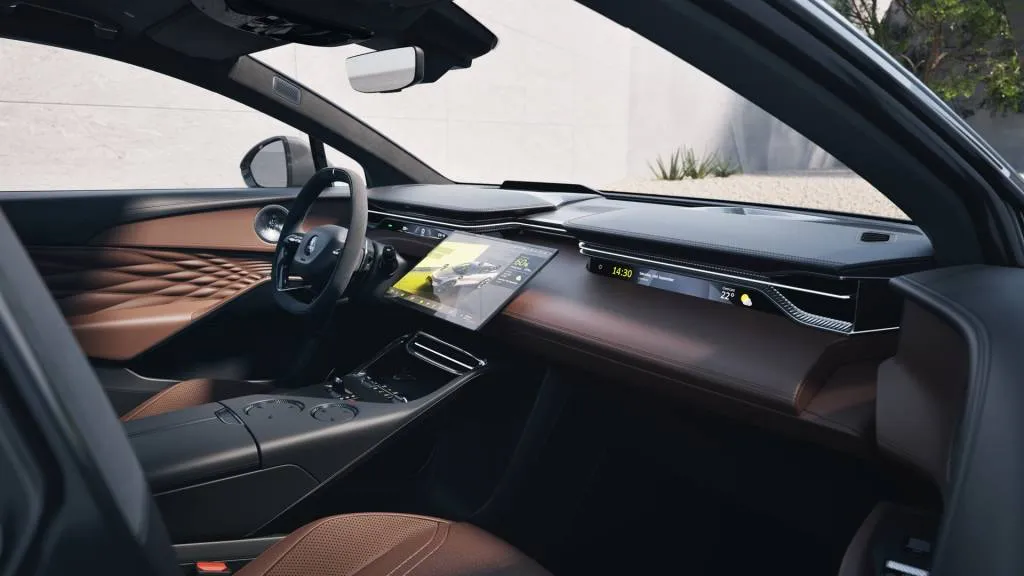
Lotus Eletre Carbon
At 201 inches long, it’s longer than a Range Rover and just 6 inches shorter than the Hummer EV SUV—two vehicles costing much less—but four-wheel steering should help with maneuverability. A standard dual-motor all-wheel drive powertrain produces 905 hp and 727 lb-ft of torque. The output, along with an estimated 0-62 mph time of 2.9 seconds and top speed of 165 mph, is standard fare for today’s high-performance premium-brand EVs.
However the Eletre stands out for its 350-kw DC fast-charging and claims of 20-minute charging of its rather large 112-kwh battery pack. Lotus has shown corresponding fast-charging hardware good for up to 450 kw at the connector—much more than most EVs can handle. EPA range figures aren’t available yet, but Lotus estimates 254-280 miles on the European WLTP testing cycle.
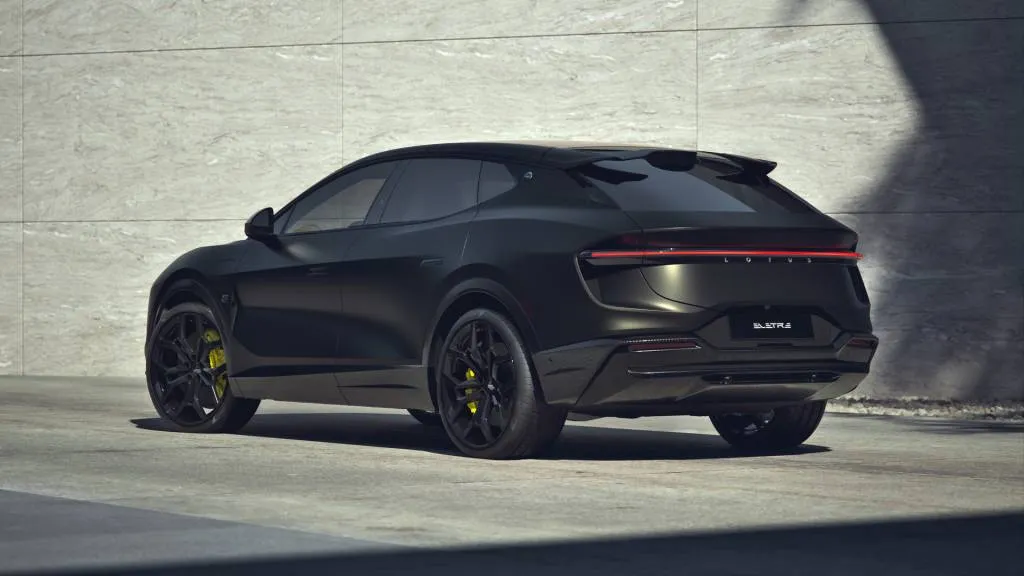
Lotus Eletre Carbon
Lotus, which supplied its Elise as the basis for the original Tesla Roadster while Tesla engineered the battery and propulsion system and more, has also been working on a new battery-packaging platform set to underpin a smaller, lighter sports car for later in the decade.
The Lotus Emeya sedan is set to follow the Eletre, and will face off with the Porsche Taycan, Lucid Air Sapphire, Tesla Model S Plaid, and others. But based on this pricing recalibration it too may be especially rare.

Test drive: 2024 Chevrolet Blazer EV balances efficiency and style
-
The 2024 Chevrolet Blazer EV should make shopping lists
-
We dig the Blazer EV’s design, efficiency, and build quality
-
Blazer EV rear seat comfort varies by person, and the iOS app needs a redo
Unlike soap-bar-styled EVs eking out that extra range the Chevy Blazer EV charts its own distinctly American path.
The 2024 Chevrolet Blazer EV sports a different, eye-catching design that is wrapped around a spacious, well-built cabin. After recently living with one for a week and taking it on a road trip, we found it to be surprisingly efficient. But with a rear seat that won’t fit everyone perfectly, an uneasy range meter, and an underwhelming iOS app, it’s not perfect.
Based on this extended drive, here are the pros and cons of the 2024 Chevrolet Blazer EV.
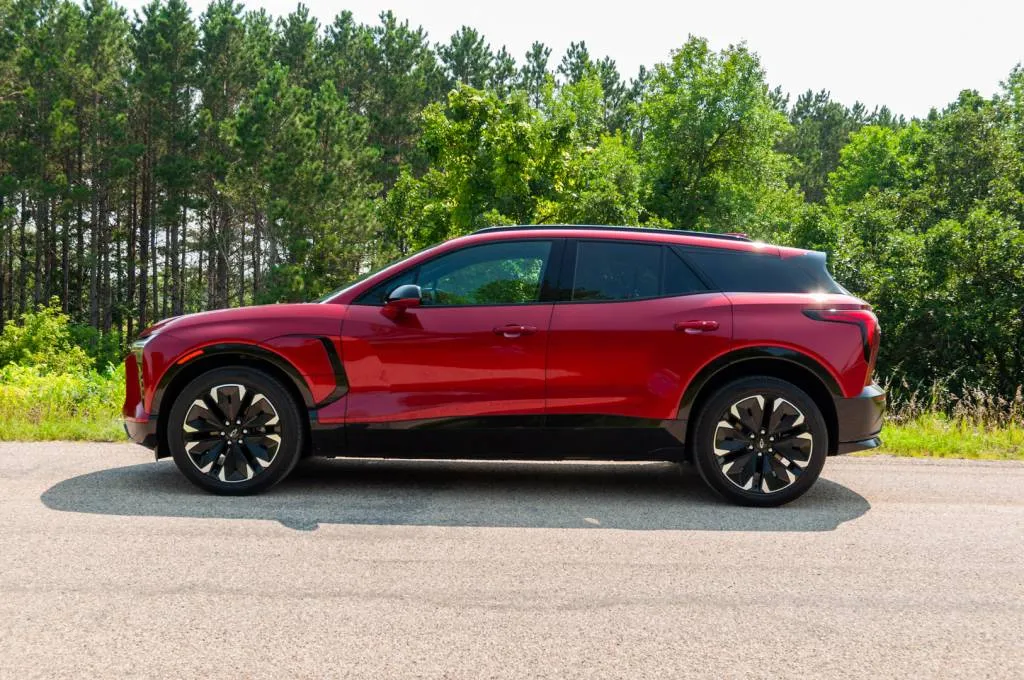
2024 Chevrolet Blazer EV
Pro: Chevy Blazer EV has Camaro-like style
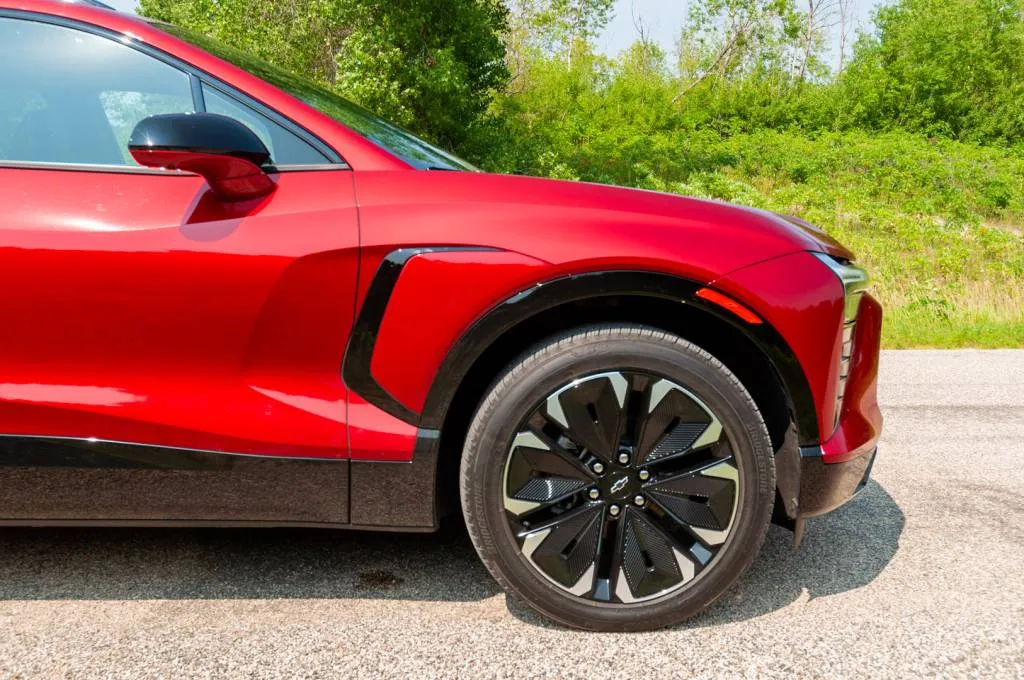
It’s as if designers rolled a Camaro into the studio and just said, “yes.” As in, all of it. Thankfully, they skipped the gun-slit greenhouse. The front end is distinct with the LED daytime running lights emphasizing the Blazer EV’s width. The taillights keep it in the family and are related to the latest Traverse and Equinox. Both have light shows that can be on while charging. The taillights are charge indicators and the bars “fill up” as the battery charges. The curved front and rear fenders also show Camaro influence. Overall, it’s sharp, and distinctive.
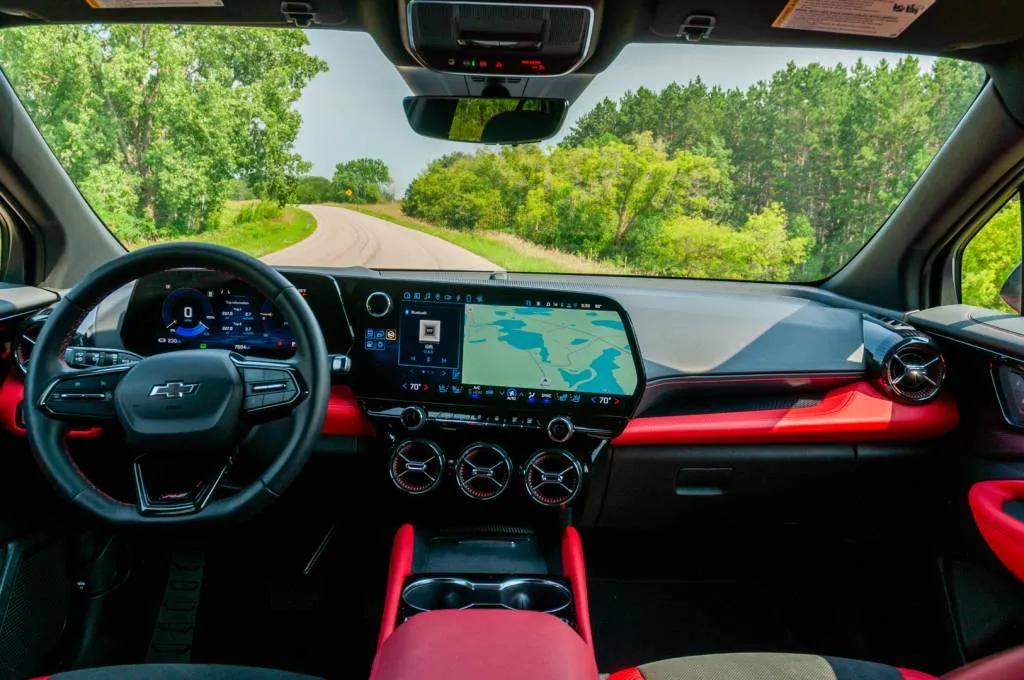
2024 Chevrolet Blazer EV
Inside, there’s a lot going on. My Dad got in and exclaimed: “This is cool! It’s…a bit like the Batmobile. There should be flames that come out of the vents.” My RS tester had a red interior, and it was a lot to take in visually. There are shiny chrome bits, vents with twisty bits, a real volume knob and climate control buttons. It feels normal in a way that fits in with Chevy’s ICE models.
2024 Chevrolet Blazer EV
Con: Rear seat comfort varies by person in the Chevy Blazer EV
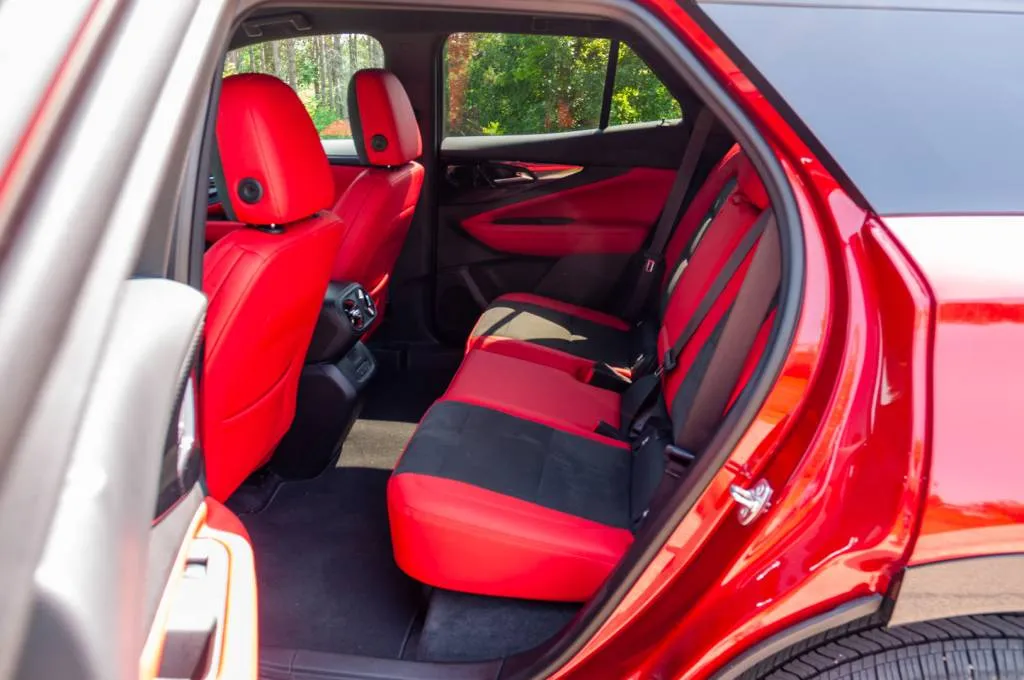
With the front seat positioned properly for my 5-foot-10 build I slid comfortably into the rear seat without issue. There was plenty of leg, knee, foot, and headroom and the outboard seats felt comfortable. However my mother and wife both commented without prompting that the rear seat was uncomfortable. The rear seatback design has child seat LATCH anchor points integrated into the lower portion—rather than recessed between the cushions, as in most vehicles. This splits the lower portion of the seatback and hits some people in an uncomfortable position low in the back. My wife also found the rear seat seat belt mounting point hit her in an uncomfortable position on her neck. The center rear seat is sunken and narrow and it’s not going to be comfortable for anyone.
2024 Chevrolet Blazer EV
Pro: Chevrolet Blazer EV impresses with efficiency
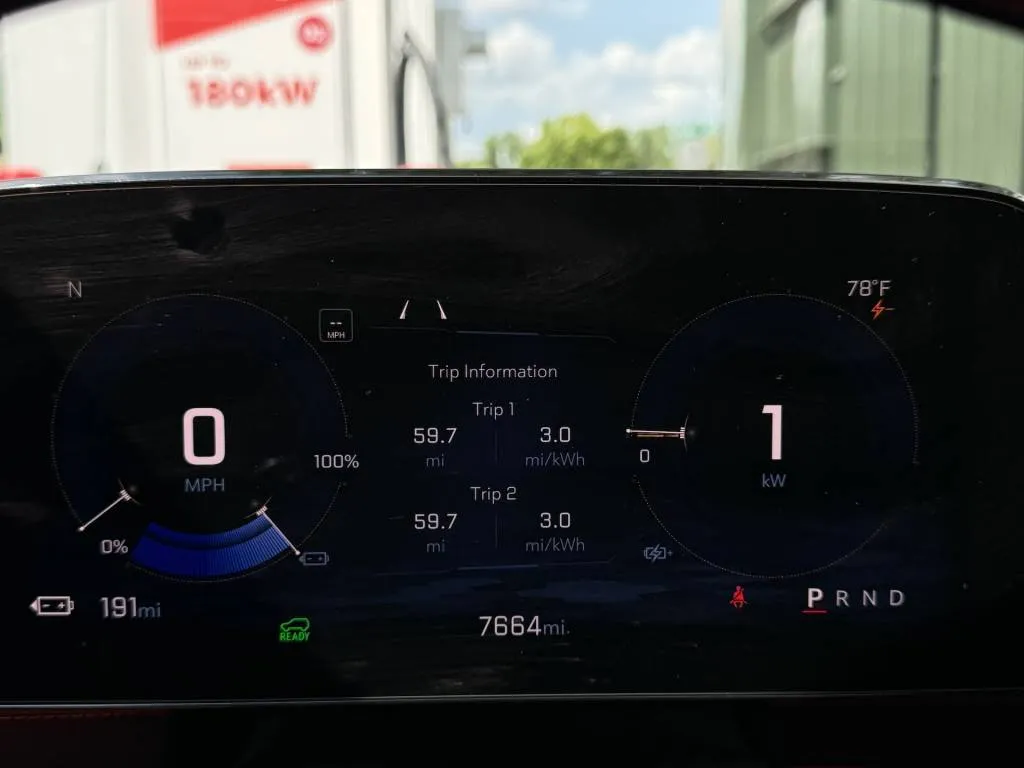
For larger EVs such as this, the bar for excellent efficiency is 3.0 mi/kwh. Around town in mixed suburban driving the Blazer EV had no issues averaging 3.0 mi/kwh despite paying no heed to efficiency and just driving as one would normally. On two highway 200-plus-mile road trips the Blazer EV averaged 2.7 and 2.5 mi/kwh respectively with the cruise control set at over 70 mph, ambient temps hovering in the mid to upper 70s, and the climate control set to 68 degrees Fahrenheit. Strong wind and rain lowered the efficiency on the latter.
2024 Chevrolet Blazer EV
Con: The Blazer EV has trouble guessing its range
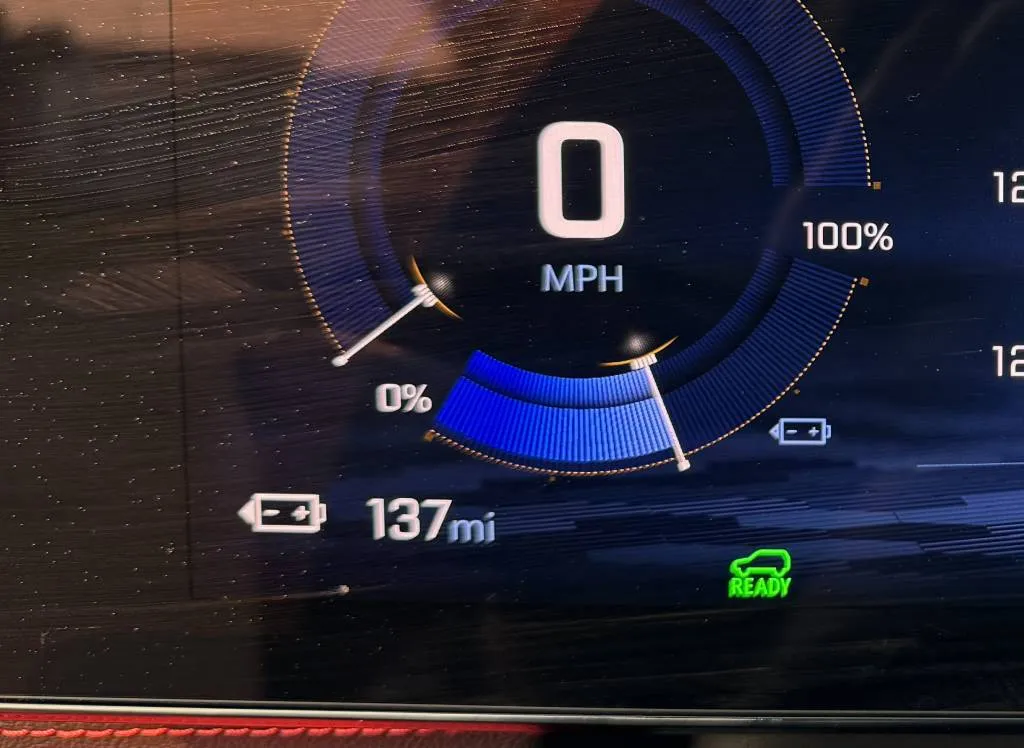
Pay attention to the battery state of charge–just like you would a gas gauge–and don’t put as much stock in the range display in the Blazer EV. While previous GM EVs including the Chevy Bolt EV were right on the mark, range seemed more of a wild guess in this Blazer EV, and consistently the range display would say the Blazer EV could go further than it would be able to (this might have had to do with how it had recently been driven). Interestingly, integrated Google Maps for navigation realized this and told me when I would need to charge to reach my destination—despite the range meter saying I’d make it.
2024 Chevrolet Blazer EV
Pro: Chevy Blazer EV feels well built
Build quality was solid with everything feeling well screwed together. The panel gaps were tight, the doors closed with a solid thunk, and everything I touched, clicked, twisted, or grabbed didn’t wiggle, creak, or feel cheap.
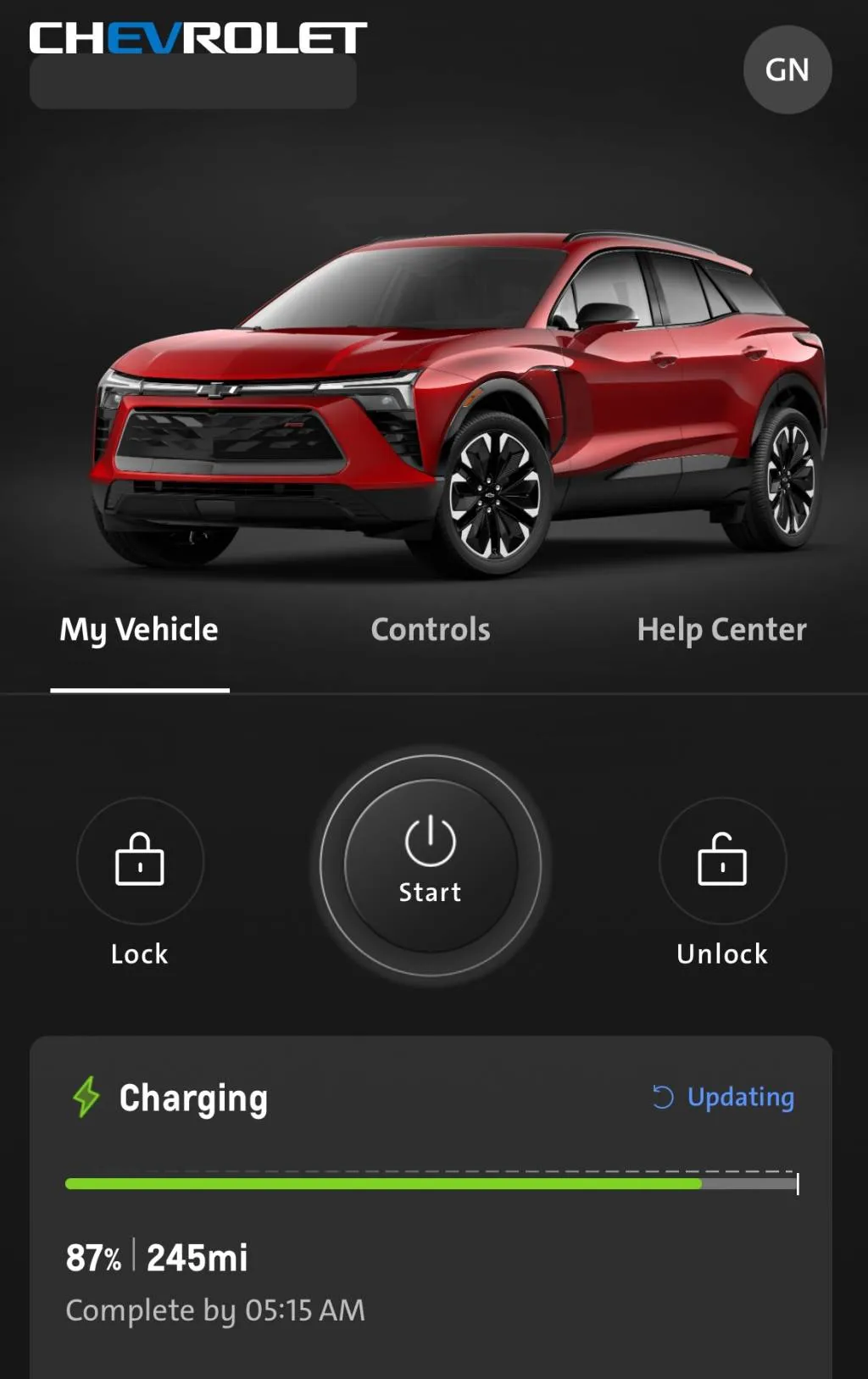
2024 Chevrolet Blazer EV
Con: Chevy’s iOS app feels behind
Software-defined vehicles present an opportunity to be controlled remotely with a smartphone. Chevrolet’s iOS app, which is the same app as the Cadillac and GMC app with a different skin, feels a full iteration behind what you’ll find from Rivian, Lucid, or Tesla. Open the app and it will say when it was last updated. Spoiler: It’ll be a little while ago—usually 30 to 50 minutes. That’s not the car’s current status. Is it charging? Is it locked? Pull down from the top of the screen to refresh the app and it’ll take minutes, not seconds to retrieve the actual status. And executing a command, like starting or unlocking, takes seconds and feels too slow.
The Chevy iOS app aside, the Blazer EV feels like a taste of the Bowtie’s future. A familiar and normal future that happens to be powered by batteries and not gasoline. It’s appealing and should be on Ford Mustang Mach-E and Tesla Model Y cross-shopping lists.
_______________________________________
2024 Chevrolet Blazer EV RS AWD
Base price: $58,590, including $1,395 destination fee
Price as tested: $60,710
Drivetrain: 288 hp combined, dual-motor AWD
EPA range: 279 miles
The hits: Sharp design inside and out, efficiency, solid build quality
The misses: Rear seat comfort for some, range meter is guessometer, iOS app experience

Tifani Sadek on keeping human drivers aboard ‘driverless’ cars (Episode 268)
The director of the University of Michigan’s Law and Mobility Program argues against removing humans from self-driving vehicles and suggests the autonomous-vehicle industry can learn a lot from aviation on building trust.

Italy says Europe’s 2035 gas-engine ban is “absurd”
Italian officials want the European Union to review a plan to end sales of new internal-combustion cars by 2035 earlier than scheduled.
“The ban must be changed,” Italian energy minister Gilberto Pichetto Fratin told Automotive News Europe last week on the sidelines of the TEHA business forum in Cernobbio, on the shores of Italy’s Lake Como, calling it “absurd” and dictated by an “ideological vision” and saying changes were required to address different market realities created by a slowdown of the European auto industry.
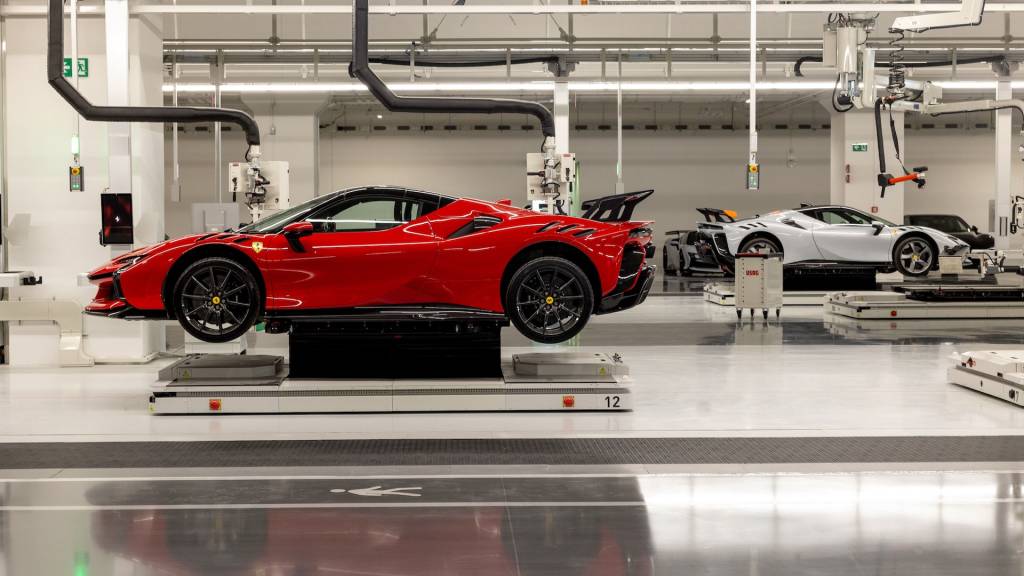
Ferrari e-building
Adolfo Urso, Italy’s industry minister, said a planned intermediate assessment of progress toward meeting the stricter emissions rules that underpin the internal-combustion ban should be moved forward from 2026 to next year, declaring that the EU needs a “pragmatic vision” for the future of the auto industry.
The current right-wing Italian government of Giorgia Meloni wants EU member states to have more freedom in the technologies used to meet emissions-reduction goals, as well as a more gradual shift away from combustion engines, Automotive News Europe notes. Some markets in Northern Europe and Scandinavia don’t need more time for the transition, though, as they’re already at very high rates of plug-in vehicles.
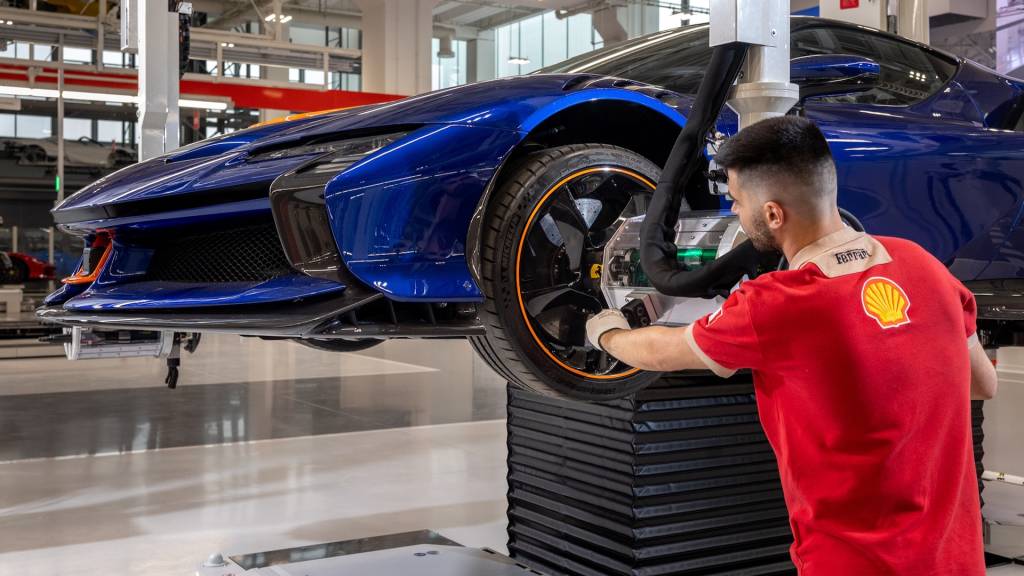
Ferrari e-building
The 2035 end date for internal combustion was first proposed in 2021, with steep cuts in emissions on the way toward that goal. But that policy was softened in 2023 after Germany successfully lobbied for a loophole for vehicles burning e-fuels. These synthetic fuels are billed as having lower overall carbon emissions than gasoline or diesel, and are viewed by some automakers—including Italy’s Ferrari—as a savior for internal-combustion cars.
The U.S. has no national plan for phasing out combustion engines. Current emissions rules could lead to 67% EV sales by 2032, regulators estimate, but they could also be overturned if the Republican Party seizes power in the upcoming election. California has enacted its own strict 2035 emissions rules that would end sales of most combustion-engine vehicles, with an exception for 50-mile plug-in hybrids.

Solar-powered curbside EV charging concept taps streetlights
A California-based company aims to add curbside EV charging and solar and wind power to streetlights.
Beam Global’s BeamSpot incorporates solar panels and small wind turbines to generate some of its own energy, with built-in battery storage to maximize use of it. While normal streetlights generally have only enough power for illumination, the renewable-energy additions provide the power for “meaningful” EV charging, Beam Global said.
Standing 40 feet tall (30 feet without the wind option), the BeamSpot streetlight charger can generate 1 kw each from solar and wind if both are specified. Battery capacity is 15 kwh. Beam Global claims charging output of up to 5.76 kw. Altogether, the company estimates the BeamSpot can add 220 miles of range after a day of charging.
Beam Global claims the BeamSpot can be installed in existing streetlight foundations while avoiding the more complex construction and permitting processes for conventional EV chargers. That could allow for quicker expansion of EV charging infrastructure in urban areas without taking up precious sidewalk space—all while giving apartment dwellers a place to charge.
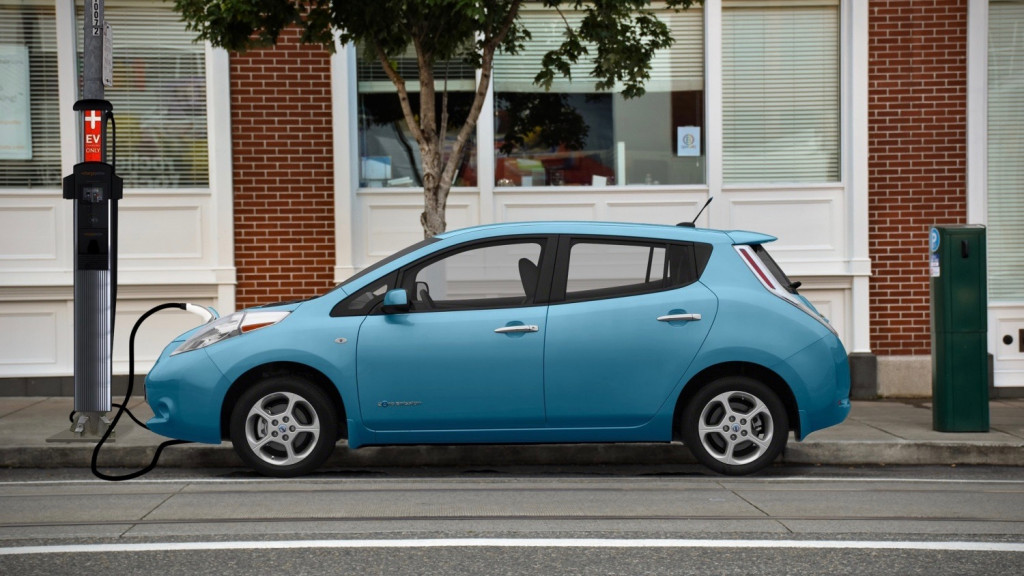
Proposed streetlight charging station for Kansas City (via Kansas City MEC)
Some municipalities in the U.S. have shown interest in streetlight EV chargers, to varying degrees. Two companies—AmpUp and EVSE—announced recently that they had been contracted by the Los Angeles Bureau of Street Lighting to add 150 chargers to streetlight poles in the city. That’s part of a mayoral target to add 10,000 streetlight EV chargers throughout the City of Angels.
Seattle in 2022 announced plans to install curbside EV chargers, albeit only by request. Kansas City and New York began testing the concept in 2021, with the latter reporting high utilization rates.

GM and EVgo crib gas-station look for 400 EV fast-charging stops
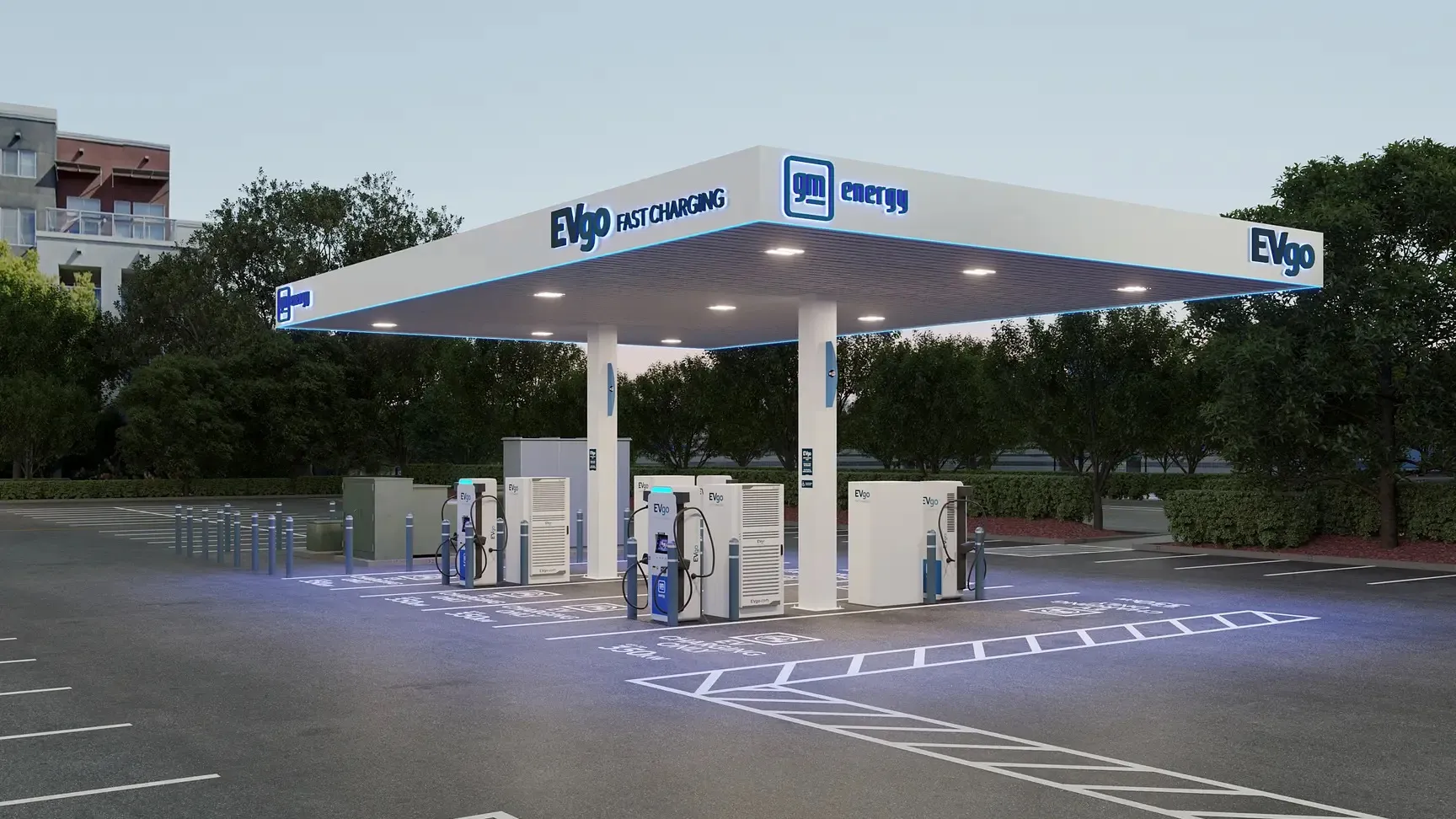
General Motors and EVgo will add 400 EV fast chargers at gas-station-like “flagship” sites in major U.S. metropolitan areas beginning in 2025.
These sites will feature 350-kw DC fast chargers in a pull-through configuration under canopies—much like gas pumps—and they’ll get “ample” lighting and security cameras, GM and EVgo confirmed Thursday with the announcement.
Co-branded for both EVgo and GM Energy, most sites are expected to have up to 20 chargers, with some offering more. GM and EVgo are looking at locations in Arizona, California, Florida, Georgia, Michigan, New York, and Texas..
The new sites will utilize a prefabricated construction process developed by EVgo where possible to expedite construction and offer flexibility for possible future expansion, the companies said, confirming that the first site is scheduled to open next year.
GM and EVgo began collaborating on a coast-to-coast charging network in 2022, with EVgo-supplied chargers installed at Pilot and Flying J travel centers. The first of those locations opened in late 2023, with many sporting the canopies and pull-through stalls GM and EVgo now plan to apply to the urban “flagship” sites, but with more of a focus on locations along highway corridors.
The two companies plan to install 2,850 charging stalls, with most up and running by the end of the year. The effort surpassed 1,000 charging stalls in August 2023, and is expected to reach 2,000 by year’s end. Some funding will be reallocated toward the new metropolitan charging sites to ensure they offer the planned “premium” experience, GM and EVgo noted.

2025 Cadillac Escalade IQ to have 460 miles of range for $129,095
- Cadillac’s Escalade gained an electric sibling that shares nothing but a name
- The Escalade IQ will have 460 miles of range thanks to a 200-plus-kwh battery pack
- The Escalade IQ will cost $129,095
Cadillac’s icon has gained an electric variant.
On Wednesday, the 2025 Cadillac Escalade IQ debuted with a GM-estimated 460 miles, 200-plus-kwh battery pack, 55.0-inches of screens on the dashboard, and trademark design. Cadillac estimates the electric luxury SUV will cost $129,095, including a $1,395 destination charge when entering production in 2024 at GM’s Factory Zero.
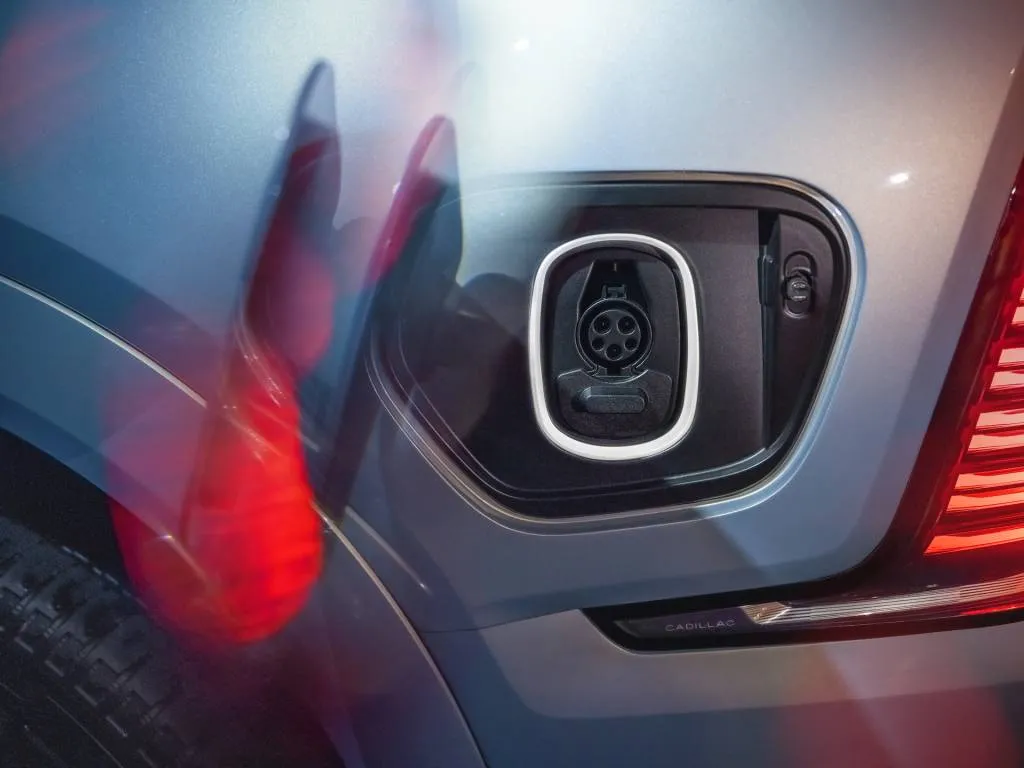
2025 Cadillac Escalade IQ
The electric luxury SUV rides on the same platform as the GMC Hummer EV and Silverado EV pickup trucks. At the center of the chassis sits a 24-module 200-plus-kwh battery pack, which we estimate at 205 kwh. The Escalade IQ features an 800-volt electrical architecture capable of adding 100 miles of range in 10 minutes on a 350-kw DC fast charger, according to GM. Bidirectional charging capability will be standard.
Escalade IQs will have an electric motor on each axle providing all-wheel drive and up to 750 hp and 785 lb-ft of torque. Cadillac said the big SUV will launch from 0-60 mph in less than five seconds when in Velocity Max mode. One-pedal driving and GM’s regen on demand will be standard.
Cadillac estimates the Escalade IQ will tow up to 8,000 pounds.
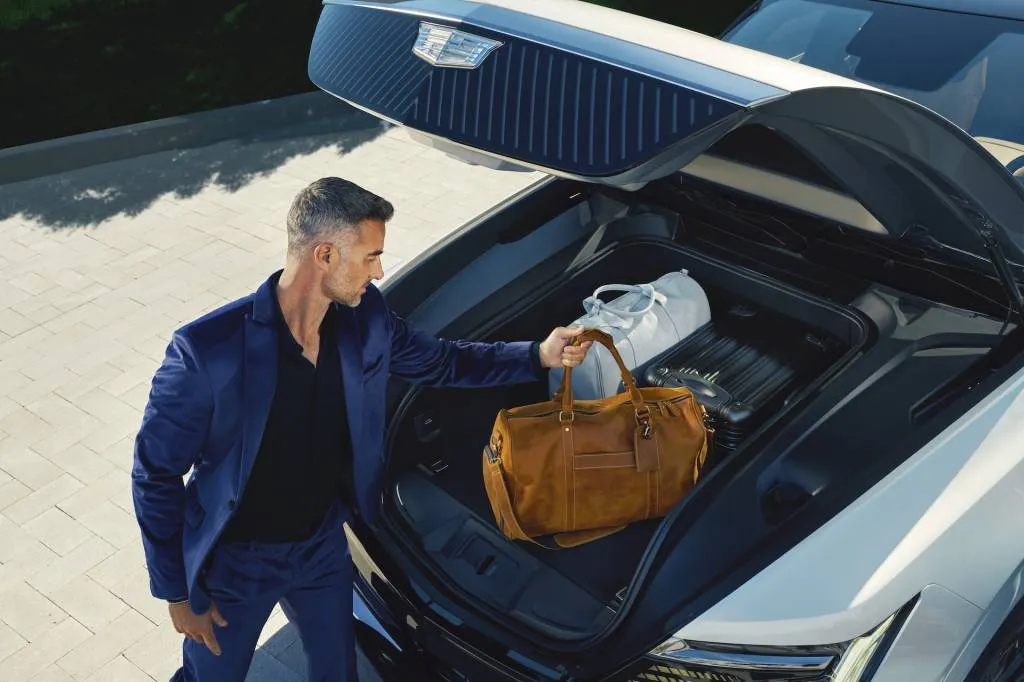
2025 Cadillac Escalade IQ
Cadillac said the Escalade IQ sits between the regular- and long-wheelbase versions of the gas-powered mode, and at 224.3 inches long it’s within 2.7 inches of the long-wheelbase model. Notably, at 136.2 inches long the electric Escalade’s wheelbase is 2.1 inches longer than the gas-powered long-wheelbase Escalade. This was accomplished by moving the futon wheels forward 11.8 inches, which in turn reduced the front overhang. A 12.2-cubic-foot front trunk sits under the long hood.
Cadillac’s cribbed the rear-wheel steering system from the Hummer EV and Silverado EV for the Escalade IQ. This enables the SUV to drive diagonally into a parking spot, though it’s called Cadillac Arrival Mode rather than Crab Walking here, and trims the turning radius by 6.5 feet to 39.4 feet. A four-wheel independent suspension is paired with four-corner air suspension and adaptive dampers.
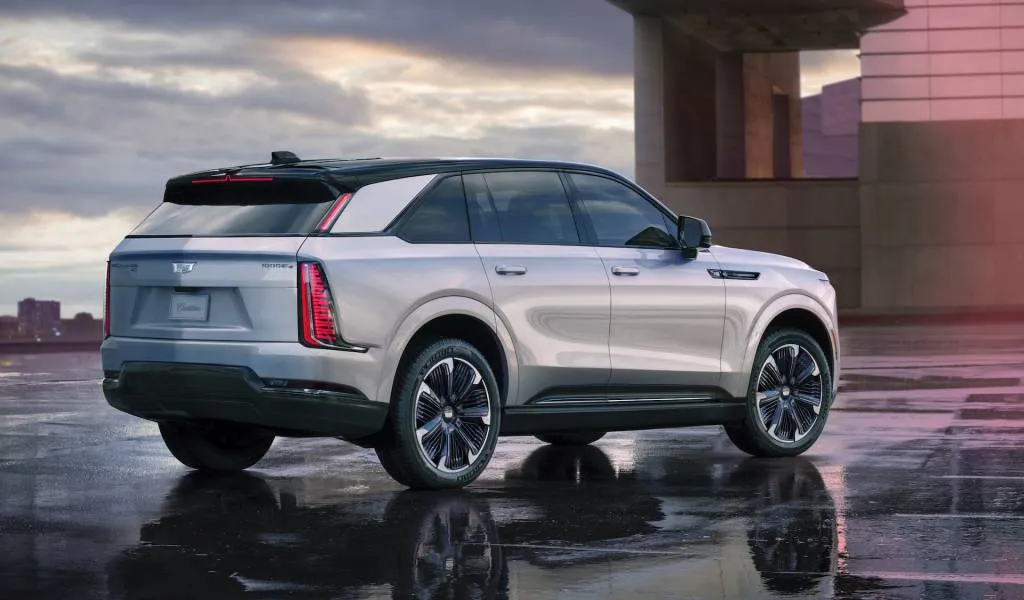
2025 Cadillac Escalade IQ
The Escalade IQ looks like an Escalade, but features its own distinct design. The blocky, squared off shape carries over with vertical lighting elements, but the front reflects the brand’s latest take on its backlight grille design in the shape of a Cadillac shield. The roofline’s a bit more aerodynamic with a gentle slope, and it has a 15% lower coefficient of drag than the gas-powered model. Large 24-inch wheels wrapped in 275/50R24 tires measuring 35 inches fill the wheel wells.
2025 Cadillac Escalade IQ
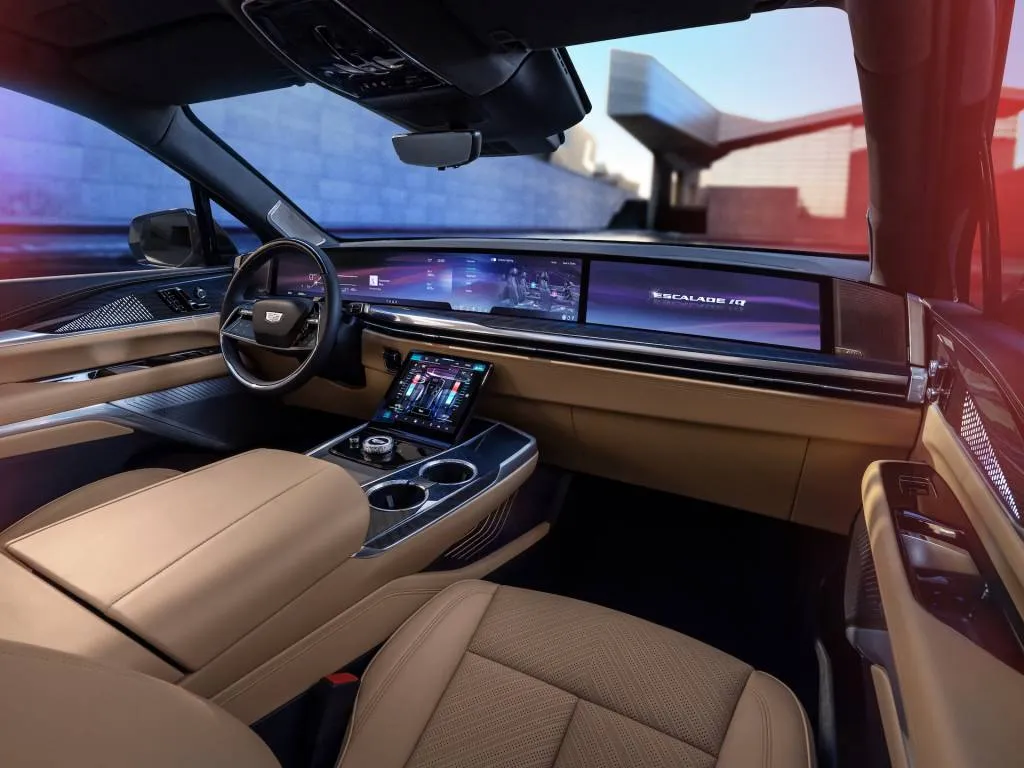
Inside, the Escalade IQ goes big with a full-width 55.0-inch bank of screens consisting of 35.0 inches devoted to the digital instrument cluster and central touchscreen, as well as a 20.0-inch passenger screen. A fourth screen is an 11.0-inch center console touchscreen for climate controls and vehicle settings. Apple CarPlay and Android Auto will not be on board as part of GM’s decision to ditch the smartphone mirroring platforms with its upcoming EVs.
2025 Cadillac Escalade IQ
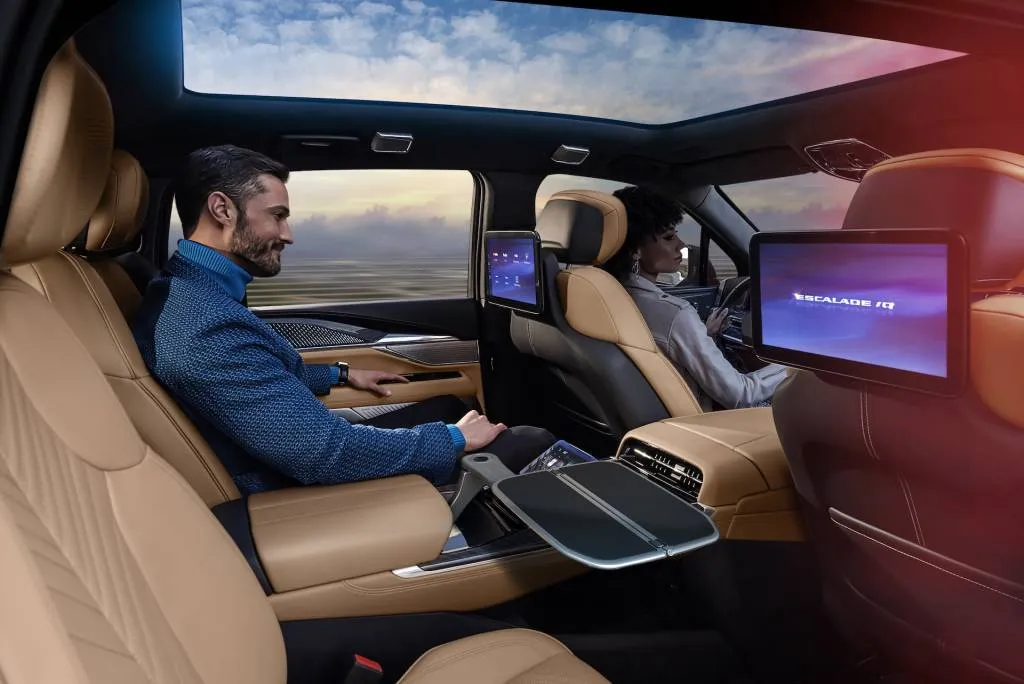
With three rows of seats, the Escalade IQ seats seven passengers. An Executive Second Row package swaps in second-row bucket seats with heating, cooling, and massage functions, same as the front seats. Additionally, the package features a rear center console with fold-out airline-style tables, twin 12.6-inch rear entertainment screens, and wireless smartphone chargers. Controls will be housed in an 8.0-inch touchscreen. But no Escalade IQ will feature real leather upholstery, with Cadillac opting for synthetic leather upholstery.
GM’s Super Cruise hands-free driver-assist system will be standard. Automatic emergency braking with pedestrian detection, blind-spot monitors, automatic parking system, and a surround-view camera system will all be standard.
Note–This story was updated with official pricing and revised range