
Category: General

Study: EV drivers more likely to be at fault in crashes
- A study found EV drivers cause more accidents than those of gas and diesel cars
- EVs cost more to insure and repair than gas and diesel vehicles
- Data shows EVs are still driven less on average than gas or diesel vehicles
EV drivers in Europe are more likely to be at fault in crashes than drivers of gasoline and diesel cars, according to a new study.
First spotted by Green Car Congress, the study was conducted by Irish research organization Lero and the University of Limerick. It used telematics data from 125 million commercial fleet vehicle trips with 14,642 vehicles in the Netherlands from January 2022 to October 2022. The trip data were compared to insurance-claim data from the same period.
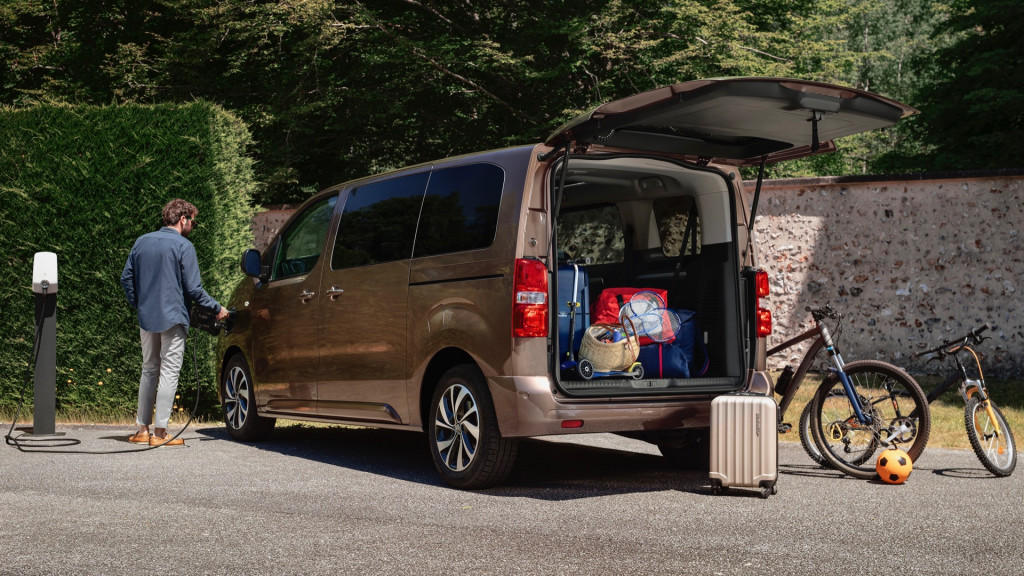
Citroën Ë-Spacetourer
Based on those data sets, researchers found a 4% higher incidence of at-fault insurance claims for EV drivers compared to drivers of internal-combustion vehicles. That’s despite EVs showing lower average mileage than gasoline or diesel vehicles, researchers noted.
Researchers also found that drivers’ behavior changed when switching to an EV, which may have contributed to the number of at-fault incidents. There is indeed a bit of a learning curve for EVs, U.S. insurance data from LexisNexis have shown, both with one-pedal driving modes and instant torque that could make quicker EVs more accident-prone. Data released by the firm in June also showed a 17% higher claims frequency and 34% claim severity.
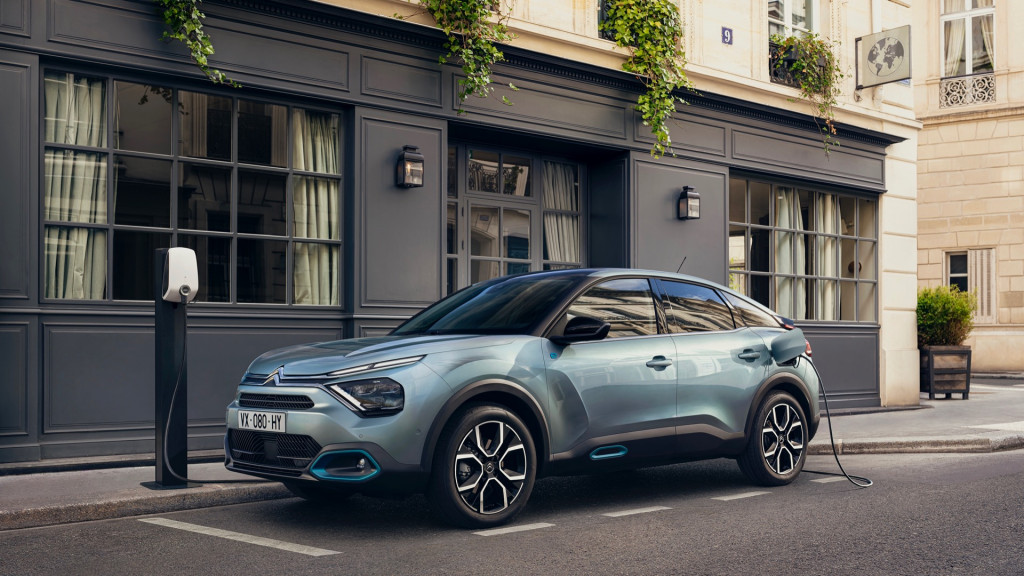
Citroën ë-C4
EVs are also 6.7% more expensive to repair than internal-combustion vehicles, the study found. That also lines up with results for the U.S. A report published earlier this year by Mitchell International, which provides tech to the insurance and collision repair industries, found that EV collision repairs cost 20% more than equivalent repairs to combustion vehicles.
More involved collision repair for even light EV damage is partly responsible for the higher costs, U.S. insurance data has shown, while higher EV weight can also cause more damage to other vehicles and inflate claim amounts in instances where the EV driver is at fault. That, along with high battery replacement costs, means EVs cost more to insure but still present a profitability issue for the insurance companies.

Here’s how a leading utility company has prepared for the EV transition (Episode 271)
Kristy Fleischmann Groncki and Stephanie Leach, both of the clean energy solutions team at Baltimore Gas and Electric, detail first-of-their-kind initiatives which allow EV owners and utilities to explore time-of-use charging cooperation and vehicle-to-home power used in parallel with the grid.

Nissan Leaf batteries get second life at automaker’s headquarters
- Nissan Leaf batteries are getting a second life
- Nissan expects to use the battery packs from about 50-60 Leafs
- The project is projected to reduce yearly carbon dioxide emissions by up to 3.7 tons
Used Nissan Leaf batteries will help power the automaker’s U.S. headquarters in Franklin, Tennessee.
The automaker announced Thursday that it is adding two battery systems at its headquarters, located just outside Nashville, which will be charged during off-peak times and will supply power during periods of peak electricity demand, helping to balance the grid by keeping electricity demand from the office building more consistent while reducing emissions.
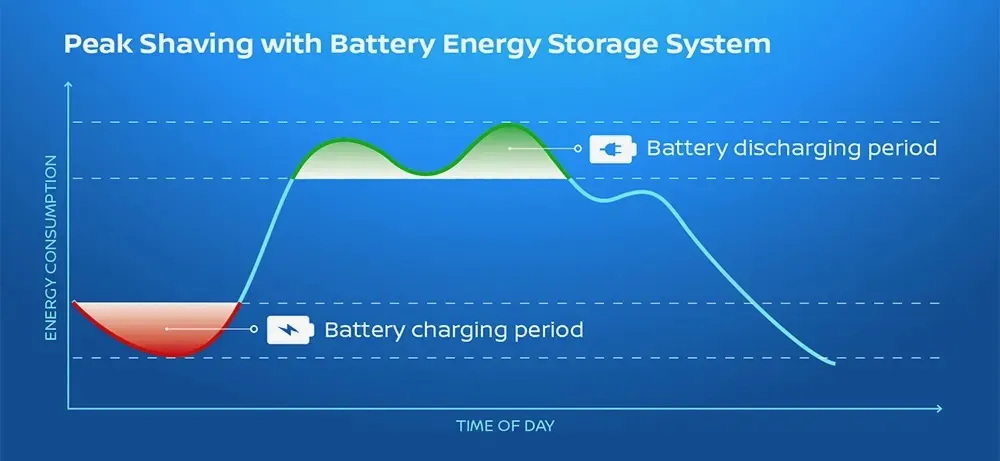
Peak shaving with Nissan Leaf second life batteries
The installation consists of two assemblies using battery components from an estimated 50-60 Leaf electric vehicles. One contains multiple 40-kwh Leaf battery packs adding up to a total capacity of 500 kwh, while the other uses individual modules.
Nissan expects annual carbon dioxide emissions reductions of up to 3.7 tons per year from the project. Technicians will study the battery installations for at least one year, with a particular focus on how used batteries work together despite different states of health. The automaker will also work with Middle Tennessee Electric to study potential demand response uses, similar to projects already being undertaken by General Motors and Ford, to reduce electricity demand from fossil-fuel power plants.

Nissan U.S. headquarters in Franklin, Tennessee
This isn’t the first second-life battery project Nissan has undertaken. In 2015 the automaker unveiled a plan to provide used Leaf battery packs for stationary energy storage units in the U.S., and it’s experimented with the idea in Europe and Japan as well. Other automakers have done the same. Porsche, for example, is using Taycan batteries to help power one of its factories.
The focus on EV batteries’ second life assumes that many batteries will be left over once the cars they’re installed in reach the end of their usable lives. But it may take some time for the EV fleet to reach a large enough size to supply batteries for anything other than modest projects like this Nissan effort. And with fluctuating raw materials prices and the geopolitical and environmental issues surrounding their sourcing, there’s some debate about whether reuse or recycling is the better option.

Yamaha to help develop Caterham Project V electric sports car
Caterham is turning to Yamaha to help develop its Project V electric sports car, the company announced Wednesday.
A production version will use a Yamaha-developed powertrain, as well as technology from the Japanese company for “vehicle motion control,” according to Caterham. A prototype is being developed by Tokyo R&D, an engineering company with experience building manufacturer-commissioned prototypes, and is expected to be completed in 2025.
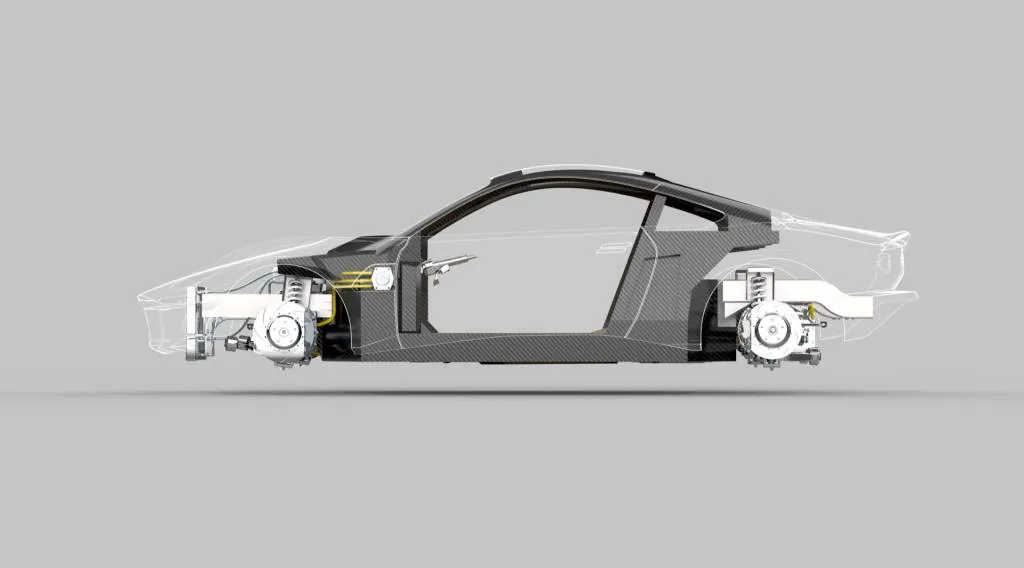
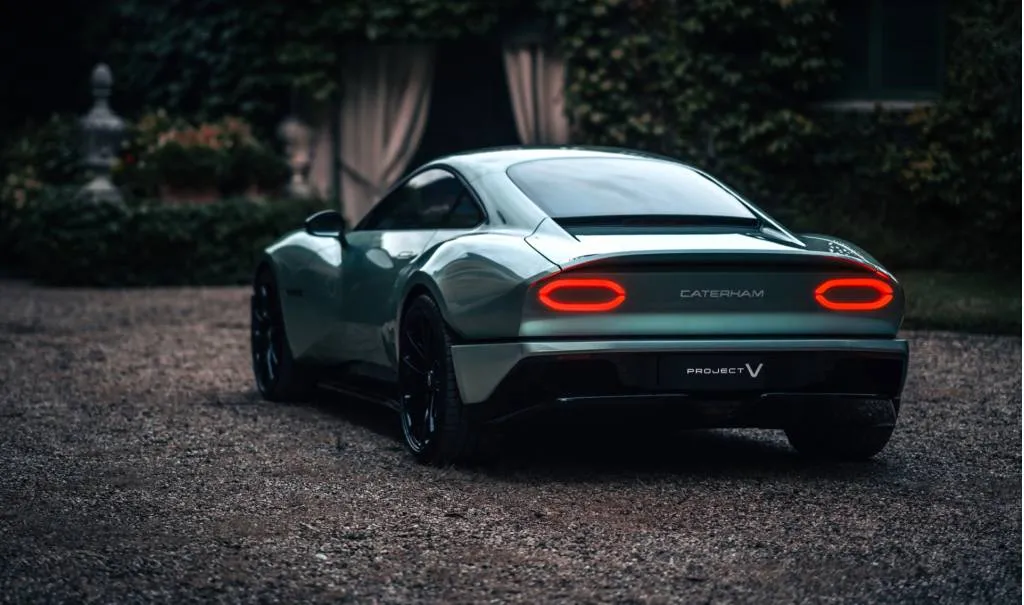
Caterham Project V concept electric sports car
Revealed in concept form in July 2023, the Project V holds true to the light-and-lean formula exemplified by Caterham’s signature Seven. It wouldn’t replace the Seven, Caterham said at the time. But it could be something new in the world of electric vehicles: a truly light, minimalist sports car without the high price of the original Tesla Roadster.
Caterham previously said it was targeting a weight of just over 2,600 pounds for the Project V. That will be made possible in part by a relatively small 55-kwh battery pack. The rear-wheel drive concept version was powered by a single 200-kw (268-hp) electric motor mounted at the rear axle.
Caterham Project V concept electric sports car
Specifications may change for the production version, but Caterham estimated a 0-62 mph time of less than 4.5 seconds and a top speed of 143 mph for the concept version. At the time of the concept’s reveal, Caterham was also targeting 249 miles of WLTP range, which might translate to about 200 miles on the EPA cycle.
Yamaha entered the business of EV motors in 2020, with plans to supply electric powertrains to existing automakers much as it once did with V-8 engines for the Ford Taurus SHO and Volvo S90 and XC90. In 2021, the company followed up its initial announcement with a high-power motor for very fast EVs. Now it’s finally getting a chance to put some of that development work to good use.

Mercedes-Benz Van.EA prototypes out testing
Mercedes-Benz is testing prototypes of its next-generation electric vans ahead of their scheduled debut in 2026.
Unlike the current eSprinter and other smaller electric models sold in Europe that are based on existing combustion models, the new vans will debut a dedicated EV platform called Van.EA. Every Mercedes van introduced after 2026 will use this platform, which provides a shared set of components and modules accommodating midsize and large vans.
Mercedes previously confirmed that this modularity will be accomplished with three main blocks, including front and rear blocks designed to house electric motors. In another difference from the rear-wheel-drive eSprinter, the future Van.EA models will have front-wheel drive in single-motor form, and will also offer dual-motor all-wheel drive.
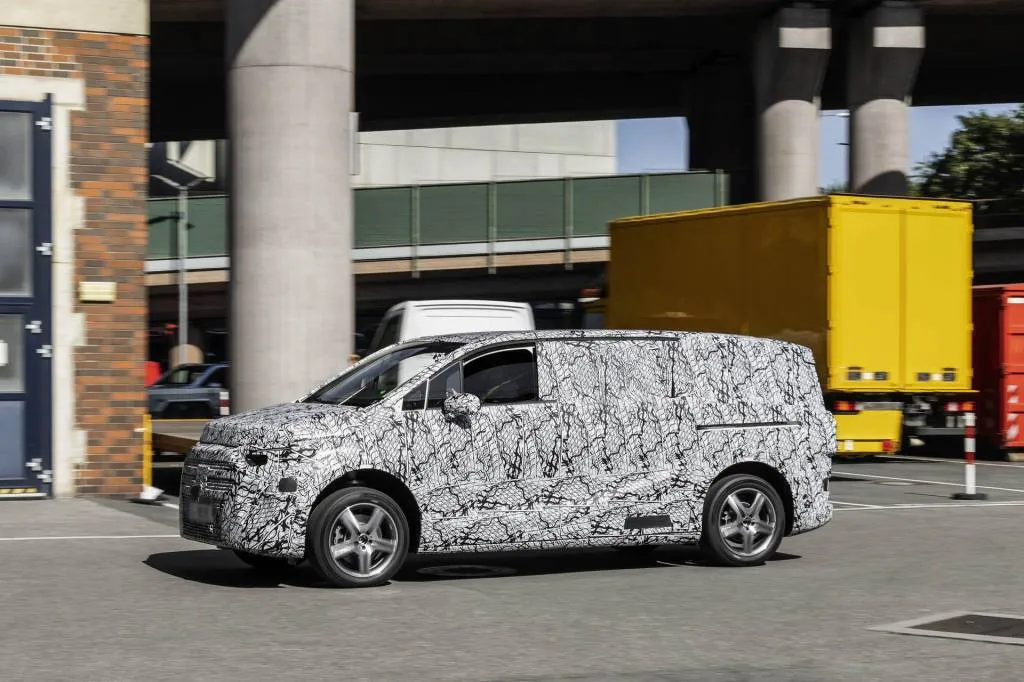
Mercedes-Benz Van.EA prototypes via Mercedes-Benz
Prototypes made a test run from Mercedes’ hometown of Stuttgart, Germany, to Norway’s North Cape in early June of this year, according to the automaker. Next they’ll be sent to Sweden for winter testing.
In addition to typical passenger and cargo vans, Mercedes last year confirmed a U.S.-bound electric luxury van based on the Van.EA platform. Mercedes has also said that its Van.EA plans include electric RVs, although it hasn’t confirmed any for the U.S. as an alternative to the VW ID.Buzz camper van that can so far only be had via aftermarket conversion.
Van.EA is one of several electric architectures being developed by Mercedes, along with the new MMA platform that may support a Tesla Model Y-fighting electric crossover. However Mercedes in February delayed EV sales targets that would have seen it go all-electric by 2030, and still hasn’t confirmed an end date for sales of internal-combustion vans.

First Ionna station flips gas station into EV “Rechargery”
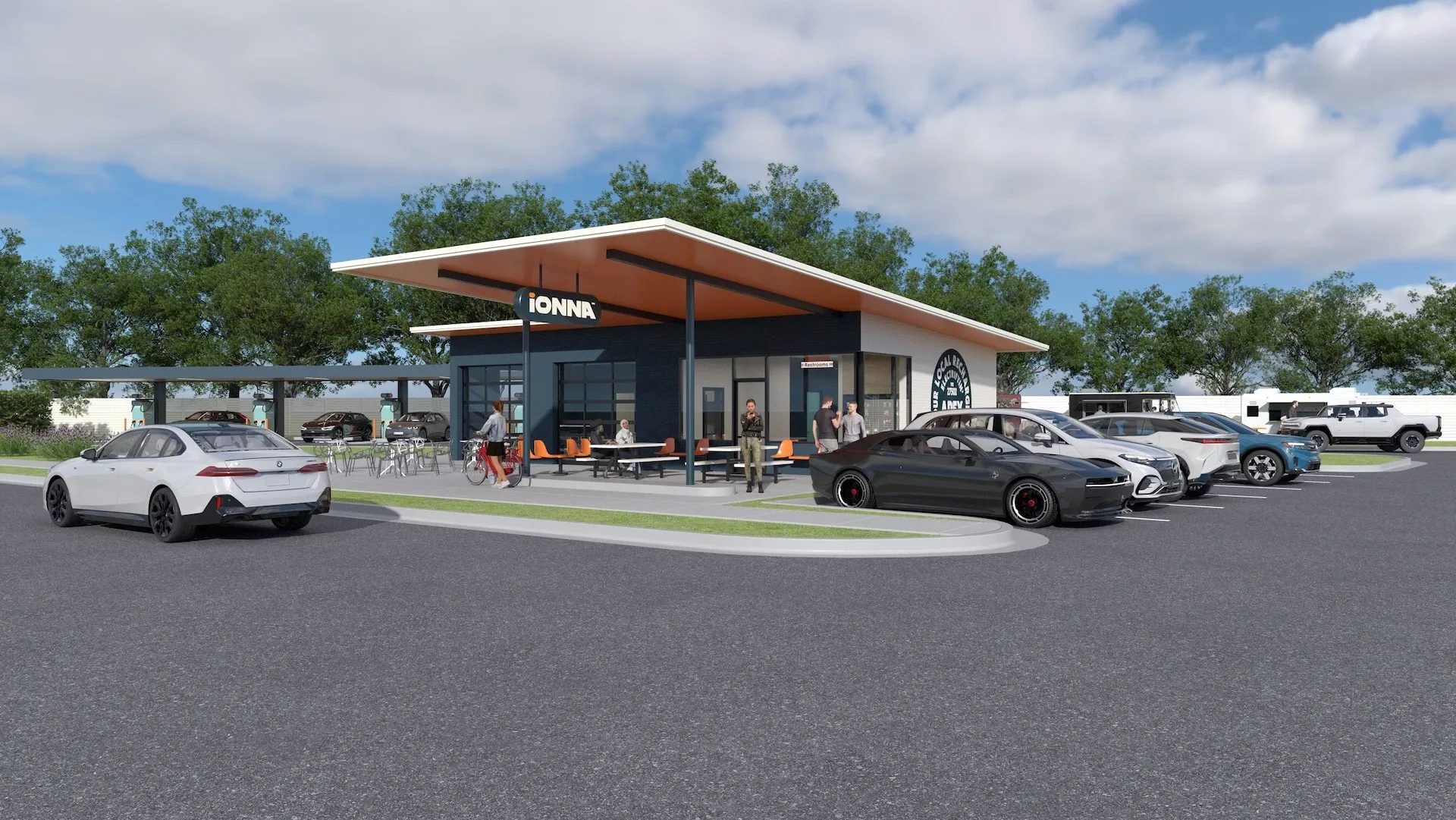
Ionna on Thursday broke ground on its first EV fast-charging site which, symbolically, will be on land once occupied by a gas station.
The inaugural location in Apex, North Carolina, includes one of the town’s first gas stations, which will be restored and incorporated into the new “Rechargery,” according to a press release. The site will include 10 covered parking bays “accessible” to both Combined Charging Standard (CCS) and North American Charging Standard (NACS) connectors capable of up to 400 kw of power, the release said.
The site will also include amenities such as a “driver’s lounge” with food and beverages, bathrooms, and wifi, as well as “outdoor and pet-friendly amenities,” according to Ionna. The dedicated-site format, with covered parking and amenities, is also being adopted by startup Rove, which plans 20 amenity-packed charging sites in California. Electrify America has also opened an indoor EV charging station the company claims will be the prototype for future urban sites.
Ionna was announced in 2023 as the first potential rival to the Tesla Supercharger network. It’s backed by seven automakers, including an undisclosed amount from BMW Group, General Motors, Honda, Hyundai, Kia, Mercedes-Benz, and Stellantis. Ionna plans aims to establish a minimum of 30,000 high-power EV fast chargers, strategically located throughout North America to facilitate long-distance journeys, with the full network completed before 2030.
Ionna said it will “facilitate seamless integration” with participating automakers’ charging apps, allowing for reservations, payment, route planning, and navigation to its charging sites, as well as “transparent energy management” and other features.
Not every major automaker has joined the Ionna project, though. General Motors is partnering with EVgo on 400 fast-charging stops slated to open in major U.S. metropolitan areas beginning in 2025. These will feature canopies and security cameras, but GM hasn’t discussed amenities like those to be offered by Ionna.

Toyota reportedly delays US EV production to 2026
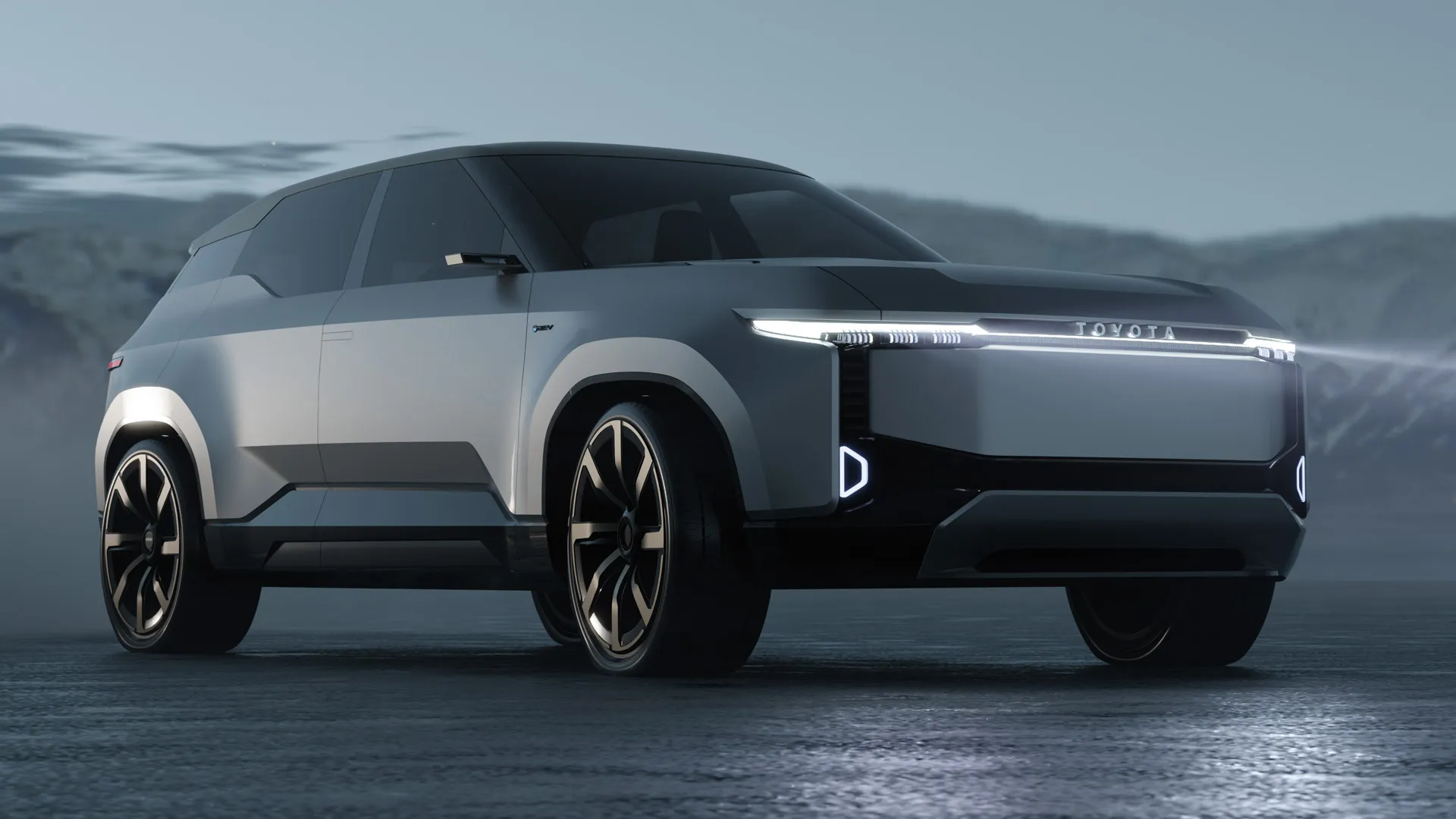
Toyota’s U.S.-built EVs might be coming a year later than planned.
On Tuesday, Nikkei reported the start of production a new three-row electric SUV at a plant in Kentucky won’t take place until 2026.
In 2023 Toyota announced production of the electric three-row SUV would start in 2025.
The delayed production is attributed to the slowing of EV sales, according to Nikkei.
The Kentucky plant was said to be getting a $1.3 billion investment to prepare it for EV production.
Nikkei reported that Toyota adjusted the vehicle’s design and that played a factor in pushing the start of production.
Plans to produce Lexus electric SUVs in the U.S. have been canceled, according to Nikkei. Electric Lexus SUVs will now be produced in Japan and shipped to the U.S. market.
In 2023 Toyota announced it would step up its electric lineup with 10 new EVs ranging from luxury vehicles to compact cars and commercial vehicles. These models would be “mainly in the United States and China,” according to the automaker.
The EV lineup was to get Toyota to the company’s target of 1.5 million battery electric sales by 2026 as a “base volume.” Yet as of 2021 Toyota anticipated that 85% of its U.S. vehicles sold in 2030 would still have tailpipes.
Nikkei reported that Toyota’s scaled back its EV sales ambitions with a new target of 1 million EVs. That represents about 10% of Toyota’s current annual sales.
Toyota spokesperson Scott Vazin told Reuters the automaker plans to introduce five to seven EVs in the U.S. over the next two years.