
Author: EVAI

New Audi A5 launched as proper sedan in China
 Audi A5L launches at 2024 Guangzhou auto show The A5L is a long-wheelbase A5 with a conventional trunk lid A5s bound for the U.S. feature a liftback design The new Audi A5 that goes on sale next spring as the replacement for both the current A5 Sportback and gas-powered A4 is referred to by Audi as a sedan, but that’s a misnomer, as the car is…

GM recalls 461,000 trucks and SUVs due to transmission issues
 General Motors is recalling 461,839 pickup trucks and SUVs equipped with diesel engines because of a potential transmission issue that could cause the rear wheels to lock up. A transmission control valve in the affected vehicles could be susceptible to excess wear over time, according to the NHTSA. This could result in gradual loss of pressure…

Next-gen Jaguar EV prototype teased
Jaguar has finally provided a glimpse of the first of what the automaker claims will be a full lineup of electric vehicles.
The automaker on Thursday showed a heavily camouflaged of a four-door grand tourer, sporting an exaggerated hood and fastback-like profile—likely with a liftgate rather than a trunklid at the rear. It will be one of three EVs in the planned lineup, with the other models expected to be an SUV and a more traditionally-styled sedan.
A concept version of this upcoming EV was first confirmed by Jaguar last year and is expected to debut at 2024 Miami Art Week, which kicks off Dec. 2. The production model has been confirmed by Jaguar as debuting in 2025, with deliveries starting the following year.
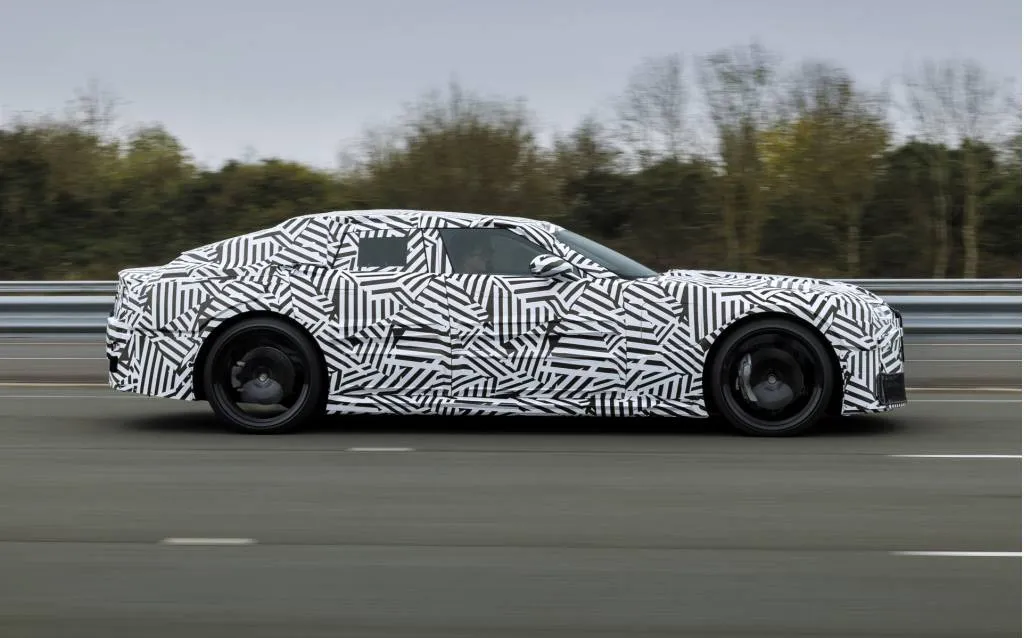
Next-generation Jaguar EV prototype
Jaguar said last year that the EV would be priced from about 100,000 British pounds (approximately $127,000 at current exchange rates), and offer more power than any previous Jaguar road car. It will also aim for at least 430 miles of range on the European WLTP testing cycle, which could still translate to more than 300 miles of EPA range.
All three new Jaguar EVs will get North American Charging Standard (NACS) ports for Tesla Supercharger access, and will be based on a new platform called JEA (Jaguar Electrified Architecture) that won’t be used by sibling brand Land Rover. However, the Jaguar will be built alongside Land Rover models at parent JLR’s plant in Solihull, U.K.
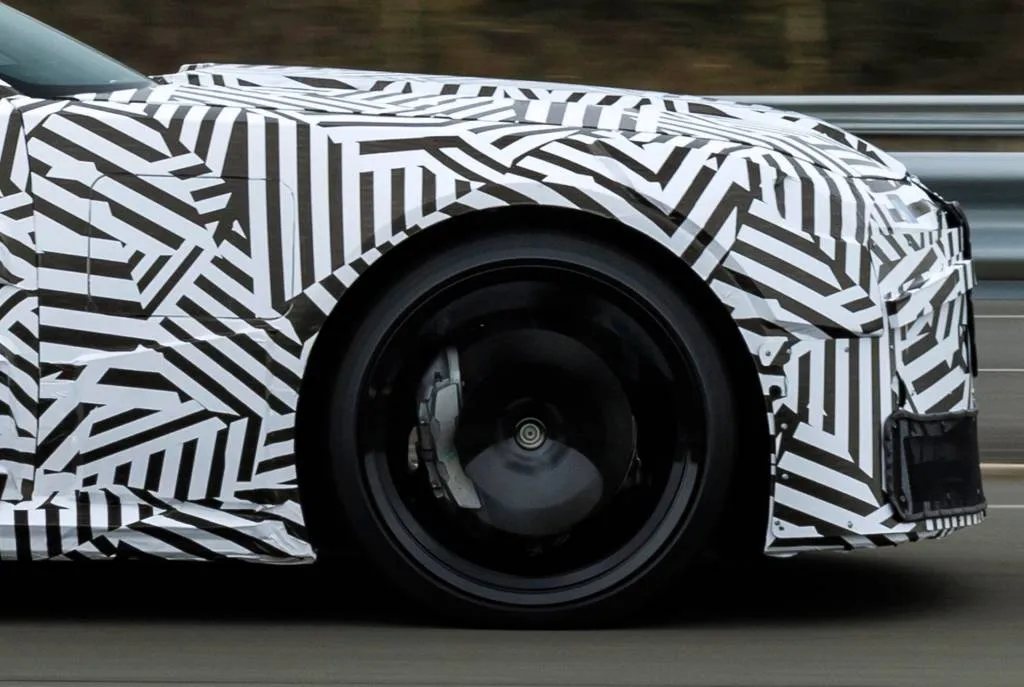
Next-generation Jaguar EV prototype
Jaguar was one of the first established luxury brands to dabble in EVs, launching the I-Pace crossover in 2018. But it has had trouble deciding on next steps. It had planned to introduce an all-electric flagship sedan in 2021 as a replacement for the gasoline XJ, while continuing to evolve the I-Pace with a second generation, but both models were eventually scrapped in favor of a clean-slate approach.
For now, Jaguar is discontinuing nearly all of its current models—including the I-Pace—before introducing its new lineup of EVs. The gasoline F-Pace crossover is slated to remain Jaguar’s only model until they arrive, a situation Jaguar managing director Rawdon Glover has called “hugely frustrating.”

2027 BMW 3-Series spied with gas engine, Neue Klasse styling
 Redesigned BMW 3-Series currently testing with gas and electric powertrains Electric variant will use Neue Klasse dedicated EV platform Gas variant will use updated version of current 3-Series’ CLAR platform BMW has been spotted testing a prototype for the next 3-Series sedan for the first time. The current 3-Series, the seventh generation of the…

Report: Nixing EV tax credit is a Trump priority, with Tesla support
The incoming Trump administration will prioritize eliminating the $7,500 federal EV tax credit, a move that has the support of Tesla, Reuters reported Thursday.
Nixing the EV tax credit is being discussed by Trump’s transition team as part of broader tax legislation, according to the report, which cited two anonymous sourced familiar with the matter. The transition team views the eliminating the EV tax credit as an easy target that would get easy approval from the Republican-controlled Congress, the report said, while noting that the administration needs cost savings in order to pay for trillions of dollars in tax cuts set to expire early in Trump’s term.
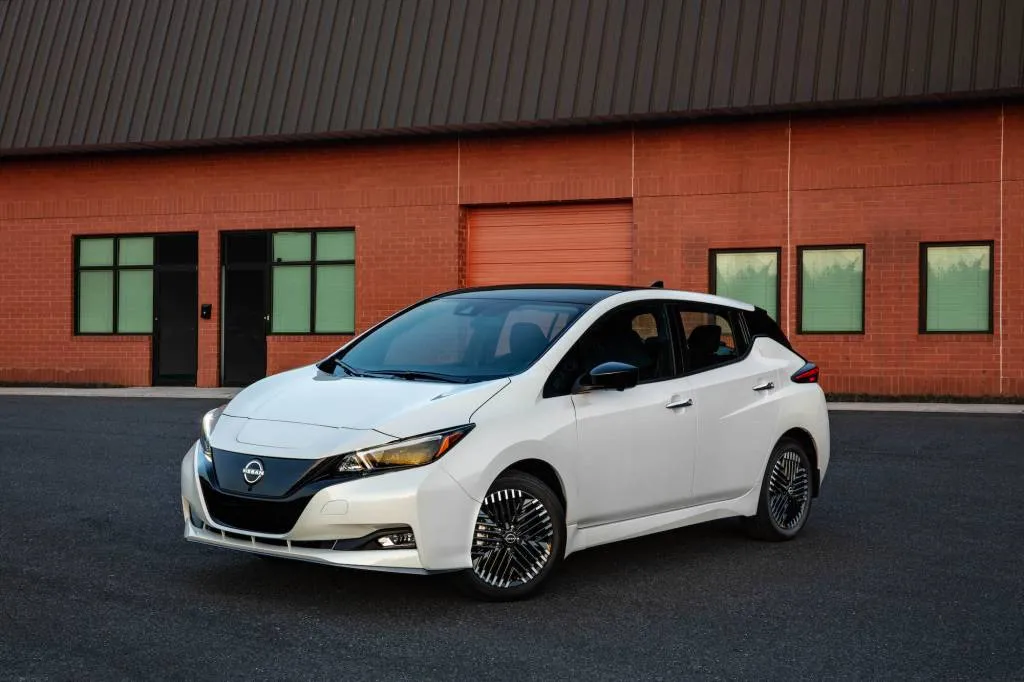
2025 Nissan Leaf
The two sources also told Reuters that representatives of Tesla have told a Trump-transition committee that they support ending the tax credit. Tesla is the largest U.S. EV brand, but the automaker is likely making a bet that ending the tax credit will have a bigger effect on competitors less established in the EV market. It also keeps Tesla CEO Elon Musk—an enthusiastic supporter of Trump—on the same page as the President-elect.
Under the Biden administration, the EV tax credit was revamped under the Inflation Reduction Act (IRA) of 2022. It became an instant dealership rebate at the beginning of 2024, but also added more restrictions on which vehicles qualify. Those related to the origin of battery components and critical minerals, in addition to requirements for North American assembly and price and income caps that were phased in previously.
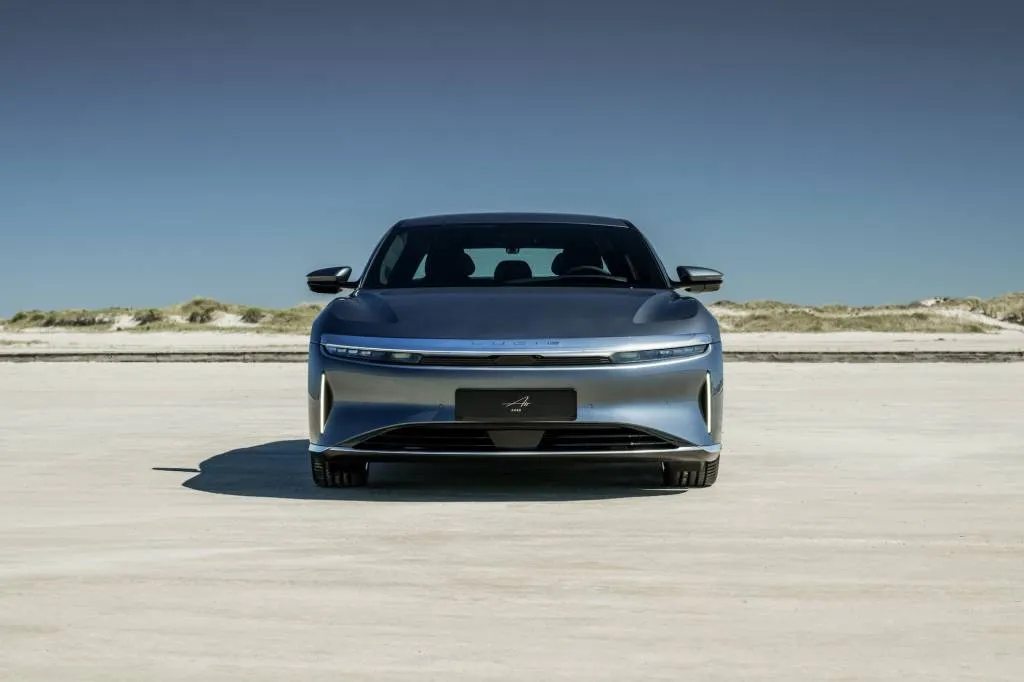
2025 Lucid Air Pure
Considering those sourcing sourcing requirements, the purchase credit depends on paperwork and manufacturing nuance, too. That’s led to some U.S.-made models, like the Nissan Leaf, flowing in and out of qualification.
The most maligned piece of the tax credit may be the so-called “leasing loophole,” which applies $7,500 toward leased EVs no matter where they’re made or the sticker price. Democrats reportedly haven’t touched it in the present session of Congress for risk of sending all the credits back for a vote.

Study: 57% EV in 10 years requires “strategic reset” from automakers
- Rate of acceleration for global EV adoption has slowed, firm suggests focus beyond early adopters
- Study relates EV adoption to Strategist, Individualist, Carer, Conservative, and Frugal psychographic profiles
- Prior to “reset,” 43% of non-EV drivers are already considering an EV next
Automakers stand to substantially grow global EV sales over the next 10 years, but only if they refocus from tech-savvy early adopters to mainstream buyers, argues a new study from consulting firm Accenture.
The study predicts that 57% of drivers will have switched to EVs within the next 10 years, with 43% of non-EV drivers already considering an EV for their next vehicle purchase. And 47% of drivers “are convinced that the future belongs to electric vehicles,” according to the study. That’s based on a survey of 6,000 car buyers in the U.S., China, Italy, Germany, France, and Japan.
EV sales growth isn’t happening at as steep a rate. While global EV sales saw a 35% year-on-year increase in 2023, that was down from 55% in 2022 and 121% in 2021, the study noted. That should still be seen as a feat after the pandemic catch-up years of 2021 and 2022, but analysts believe automakers will need a “strategic reset” to generate more EV sales.
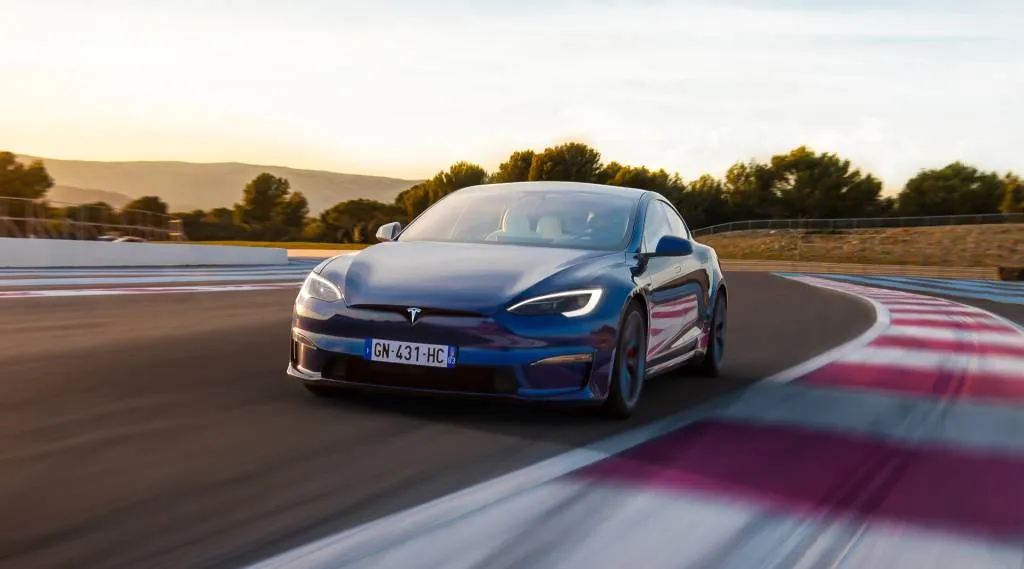
2024 Tesla Model S. – Courtesy of Tesla, Inc.
Instead of focusing on tech features, which has been effective in attracting early adopters, Accenture believes automakers should focus on the more practical concerns of mainstream buyers. The majority of car buyers (80%) prioritize reliability, safety, and affordability, so automakers should prioritize those factors as well, the firm argues.
Accenture assembled psychographic profiles of different types of potential EV buyers. While the “Strategist” and “Individualist” value things like luxury and technology features, respectively, the “Carer” views cars merely as tools, the “Conservative” emphasizes reliability, and late-adopting “Frugal” car buyers will only make the switch to an EV once costs reach a certain threshold.
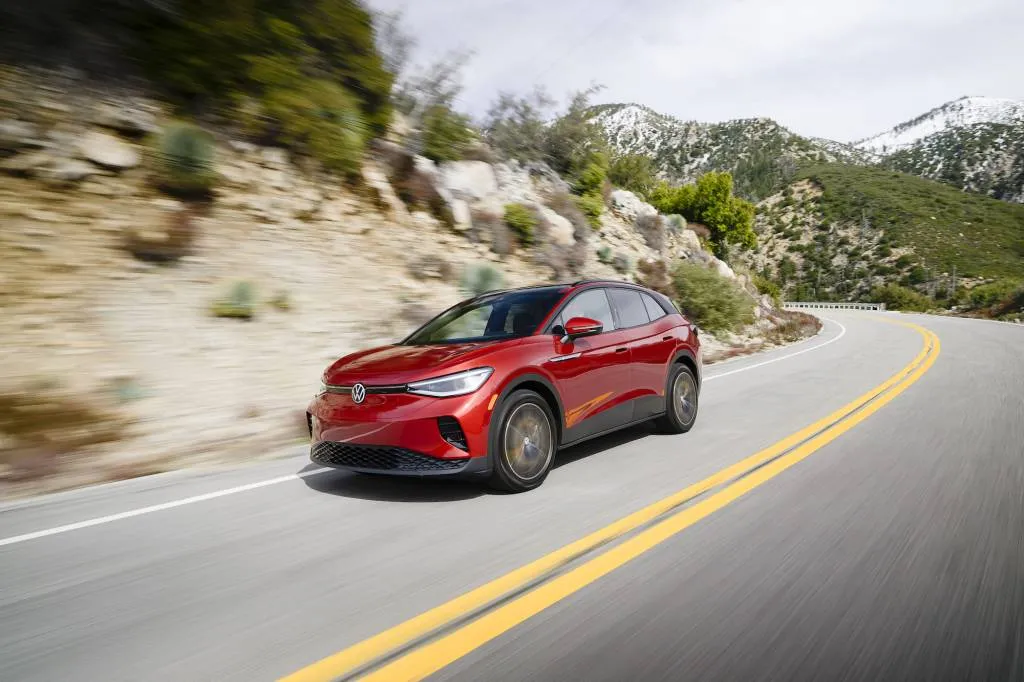
2025 Volkswagen ID.4
Other studies have come back with similar findings on lagging EV interest. A Gallup poll last year underscored that fewer Americans are aspiring to EV ownership than had been the case just a year earlier. And a 2023 J.D. Power study found that U.S. EV adoption is becoming more polarized by state.
More than a decade ago as some paid nearly $40,000 for versions of the Nissan Leaf and other early EVs with sub-100-mile range, it was underscored that those EV pioneers and early adopters are night-and-day different from mainstream auto buyers—in many respects. Focusing on what matters for mainstream shoppers—practicality and cost—may be the obvious direction if automakers truly want to get serious about upping their EV sales.

Why You’re Less Likely To Get Rear-Ended By An Electric Car
But you’re more likely to be rear-ended in one.
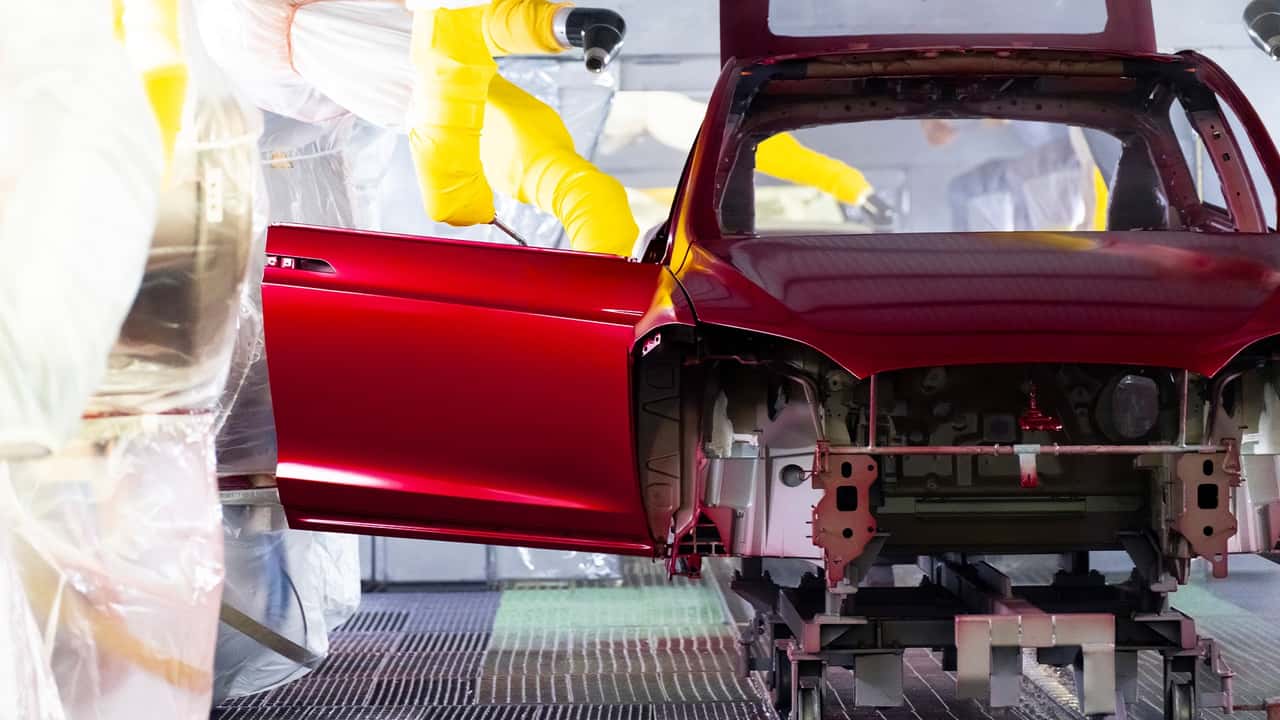

2025 Polestar 3 gets less expensive, longer range RWD model
The 2025 Polestar 3 just got cheaper with the addition of a single-motor, rear-wheel-drive model to the lineup.
Now live on Polestar’s configurator, the rear-wheel-drive powertrain drops the 3’s base price to $68,900 with a $1,400 destination charge. That’s down from $74,800 previously, when only a dual-motor all-wheel-drive setup was available.
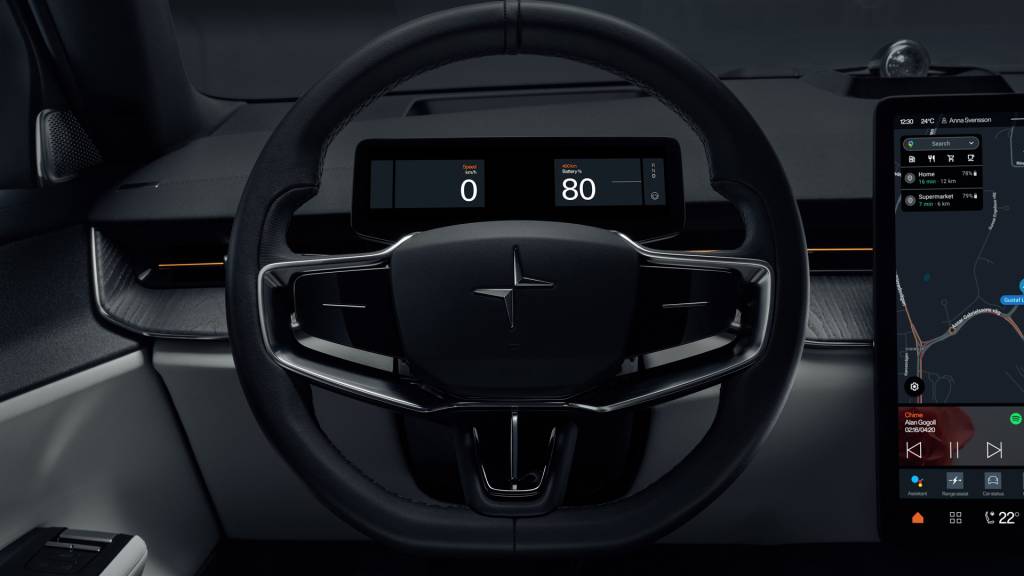
2025 Polestar 3
Losing the front motor drops output to 299 hp versus the dual-motor 3, which is rated at 489 hp in standard form and 517 hp with the optional Performance Pack. But range increases to an EPA-estimated 350 miles, compared to 315 miles for the standard dual-motor model and 279 miles with the Performance Pack. All versions use the same 111-kwh battery pack.
Despite the lower price, the single-motor Polestar 3 features similar equipment to the dual-motor version. This includes 20-inch wheels, Brembo brakes, heated side mirrors, LED headlights, a power tailgate, and Polestar’s Pilot Pack suite of driver aids. That includes a surround-view camera system, cross-traffic warnings, and Pilot Assist highway driver-assist system.
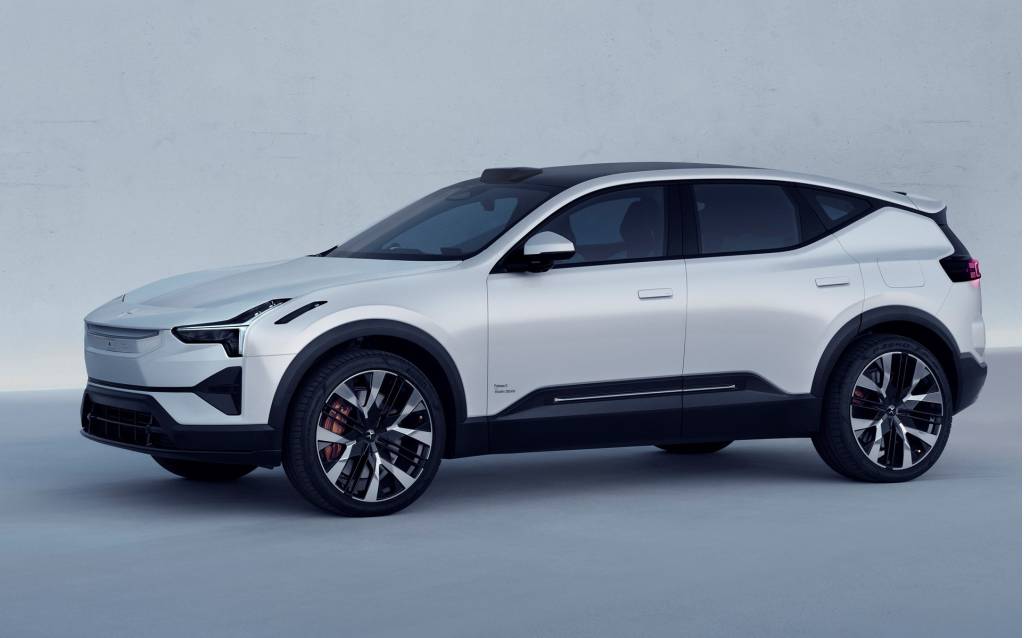
2025 Polestar 3
Built in South Carolina, the Polestar 3 started U.S. deliveries earlier this month after software-related delays. It’s a platform-mate of the Volvo EX90, which is assembled at the same plant, but is offered only with two rows instead of the Volvo’s three, and aims for a sportier character.
Polestar is going in the opposite direction regarding pricing and configurations of its other current U.S. model. The 2025 Polestar 2 drops its single-motor option and is available only in one fully-loaded grade costing $66,200—up from $51,300 from the previous base price of the single-motor model. Nonetheless, Polestar told Green Car Reports that it is committed to a three-model U.S. lineup with the 2, 3, and the new-for-2025 Polestar 4 coupe-like SUV.

Tesla Cybertruck recalled for sixth time, may lose drive power
The Tesla Cybertruck is being recalled due to an issue that could cause a loss of propulsion, which makes for the sixth recall of the electric pickup truck since deliveries started earlier this year.
This recall, which covers 2,431 vehicles, addresses a potential fault with the affected trucks’ inverters that could cause an immediate loss of torque to the wheels, according to the National Highway Traffic Safety Administration (NHTSA).
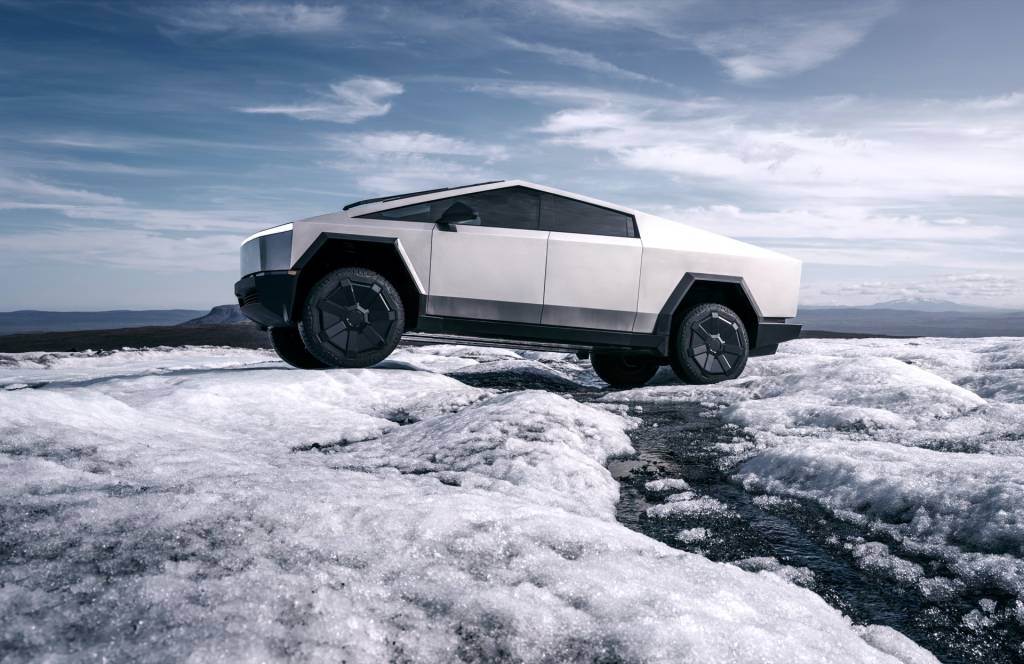
2025 Tesla Cybertruck – Courtesy of Tesla, Inc.
No warning occurs prior to the loss of torque, but once it happens drivers will see a warning on the dashboard display advising them to pull over safely, the agency added. The lack of response from the accelerator pedal might also be a clue that something is wrong.
Tesla estimates that just 1% of the recalled vehicles actually have the fault, which has been the subject of five warranty claims as of Oct. 30. The automaker told the NHTSA it is not aware of any collisions, fatalities, or injuries related to the problem, however.

2025 Tesla Cybertruck – Courtesy of Tesla, Inc.
While Tesla has been able to address numerous issues with over-the-air updates so that customers don’t have to visit service centers, that isn’t the case here. The remedy is replacement of the inverter, which Tesla service centers will perform free of charge. Tesla expects to mail owner notification letters Jan. 4, 2025. Owners can also contact Tesla customer service at 1-877-798-3752 for more information. Tesla’s reference number for this recall is SB-24-40-009.
The Cybertruck was previously recalled five times in the past 11 months. The problems that triggered those previous recalls ranged from busted wiper motors and loose trim to “trapped” accelerator pedals” and rearview cameras with image delay issues.

Bugatti Mistral hits 282 mph, sets world record for open-top cars
 Bugatti Mistral claims land speed record for a production open-top car Record car is a one-off example costing $14.7 million Mistral production capped at 99 units Bugatti’s Mistral roadster has been taken to a top speed of 282 mph, and in the process has claimed the world land speed record for a production open-top car. The run took place on Nov…