
Author: EVAI

The Toyota Previa Minivan May Return As A Plug-In
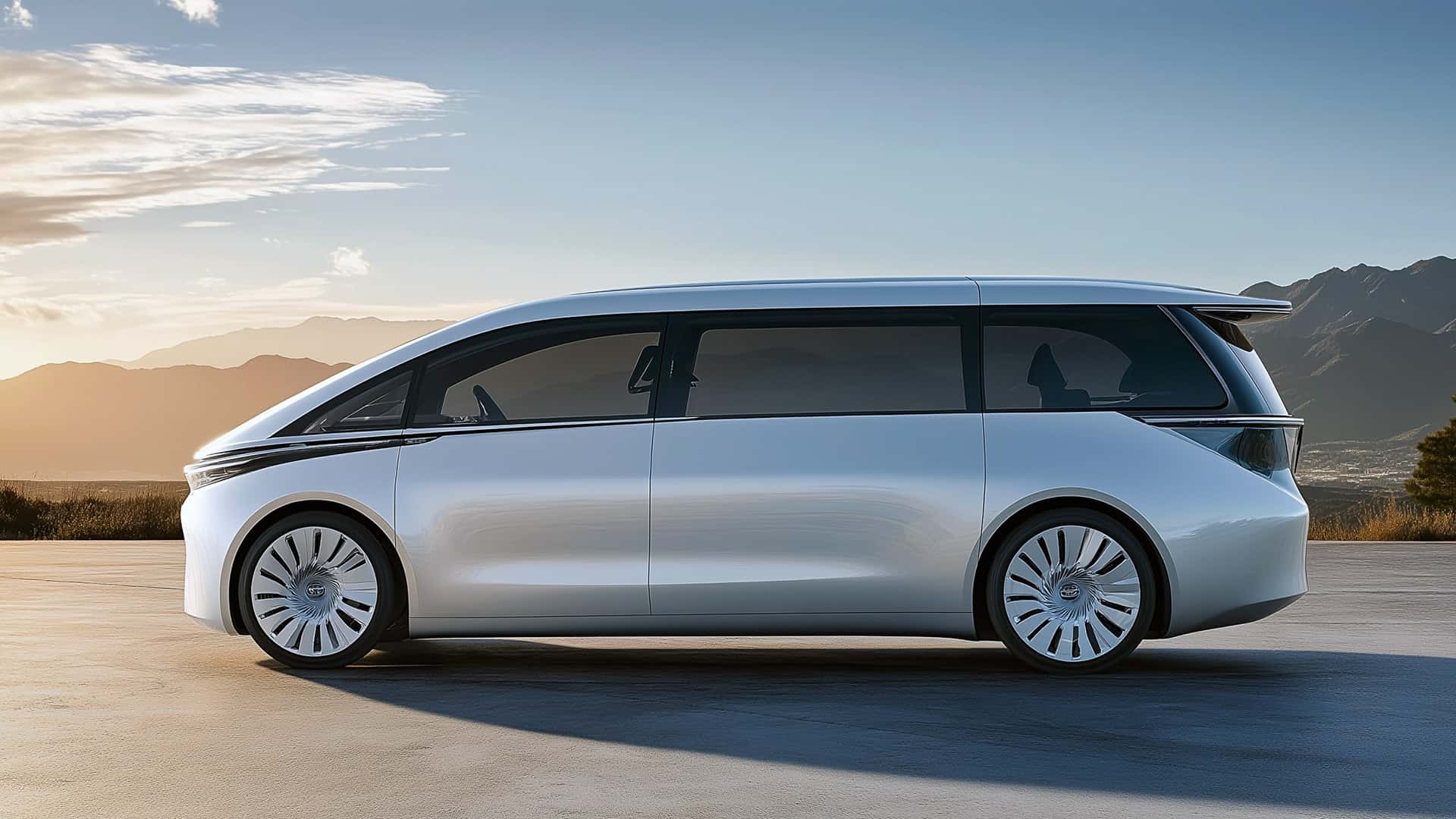
- Toyota is reportedly working on a reborn Previa seven-seater people carrier coming in 2026.
- It will be available with plug-in hybrid or pure electric power, and it will be mechanically related to the Sienna.
- It could become the first battery-electric vehicle built on Toyota’s TNGA-K platform.
The 1990 to 1997 Toyota Previa minivan was never a sales champ, but its unusual, rounded design certainly made it stand out. Now, the automaker wants to renew its lineup, and one report says an all-new Previa that you can plug in is in the cards for launch in the next couple of years.
Forbes, citing local sources from Japan, says Toyota is gearing up to launch the all-new Previa in 2026 with both plug-in hybrid and pure electric powertrains. It reportedly won’t be underpinned by the e-TNGA EV-specific platform used in the bZ4X and Lexus RZ, with Toyota opting for the TNGA-K platform shared with models like the Crown and the Sienna, which is Toyota’s only minivan on sale in the United States.
The Sienna is also the Previa’s more conventional replacement, and it will probably live on alongside the new Previa, as a non-plug-in hybrid alternative with a more traditional design.
According to Forbes’ unnamed insider source, Toyota has chosen the TNGA-K platform to allow for both plug-in hybrid and pure electric powertrains. Had it used e-TNGA to create the new Previa, it would have been limited to offering only a BEV variant in a market where plug-in hybrids are steadily growing in popularity.
The plug-in hybrid Previa could borrow the Prius Prime’s powertrain, which combines two electric motors with a 2-liter engine for a total of 220 horsepower. The Prius Prime has a 13.6-kilowatt-hour battery pack, giving it a claimed WLTP range of 33 miles. The larger and heavier Previa PHEV will go less on one charge, so Toyota may choose to equip it with a larger pack to boost its electric range.
The 18.1 kWh pack that powers the RAV4 Prime seems a much better fit for a seven-seater minivan. It gives the RAV4 PHEV an EPA range of 42 miles, so it should take the more aerodynamic Previa even further.
Toyota doesn’t currently make any EVs on TNGA-K. For the pure electric variant of the Previa, Toyota could adapt the powertrain out of its bZ4X, which has a 201 horsepower single-motor front-wheel-drive configuration in base form and adds a second motor in the rear to for 215 hp, all-wheel drive and a lot more torque.
The bZ4X has a 71.4 kWh battery with a usable capacity of around 64 kWh, giving it an EPA range of 252 miles in single-motor guise. The larger and heavier Previa would probably struggle to get anything over 200 miles on one charge, so the BEV variant will likely feature a bigger battery pack than the bZ4X.
The source also notes that Toyota considered a fuel-cell version too, but that was shelved since this type of powertrain is proving even less popular than before when it still struggled to find buyers. Toyota’s FCV sales took a nosedive in 2024, falling by nearly 70% in the first eleven months of last year compared to 2023.
Toyota’s EVs haven’t been among the best on the market, but a practical, battery-powered people carrier might change that, especially if it has a bold design. It will likely be designed to remind of the 1990s original, whose unusual rounded design may have polarized opinions when it was new, but today it might serve as the basis for a cool retro-futuristic design, something like the transformation of the classic LeCar into today’s sharp Renault 5 electric hatch.
Toyota created the original Previa as a global vehicle, which will likely remain the case with the new model. Even though it was discontinued in the U.S. in 1997, the Previa continued to be sold in other markets. It received a second generation in 2000, which lost some of the original’s roundness and its mid-engined layout, but it remained a boldly-styled minivan. The third-generation model arrived in 2006 and it remained in production until 2019.
What they all had in common was their very slanted nose and aerodynamic profile, with the most significant difference to the second and third generations being their more upright rear. Toyota will likely integrate this same desire for aerodynamic efficiency into the new model’s design, making a lot of sense in an age when streamliners seem to be returning.
We tried to picture what a 2026 Toyota Previa might look like by using Midjourney AI, and you can see the resulting image at the top of this article.
Share this Story

Nissan executive: “I see a very strong recovery”
 Ponz Pandikuthira, chief planning officer of Nissan Americas, sees strong momentum as it refreshes its portfolio Nissan has redesigned profitable QX80 and Armada, sees good demand for entry Kicks “There’s no way we’re going to run out of cash in 12 months,” Pandikuthira said The headlines suggest Nissan is in trouble. Cutting 9,000 jobs, slashing…

VW ID.4 set to resume sales, production with door-handle fix
- Leaky door handles halted ID.4 production and deliveries in September
- With replacement parts ready, VW is soon restarting production
- Fixing customer cars and dealer stock is the priority
Volkswagen on Friday reported some disappointing U.S. delivery numbers for the year for what had been set to be its mass-market electric vehicle. It sold 17,021 ID.4 EVs in the U.S. in 2024—down 55% versus 37,789 sales in 2023.
Partly, the issue was simply that the ID.4 lineup wasn’t on sale for much of the year—first with a pause as refreshed 2024 models rolled in, then with a recall that stopped production and deliveries.
VW also on Friday confirmed that the ID.4 is back on track. It has enough replacement door handle hardware to restart deliveries of its ID.4 and fix a backlog of vehicles in dealer stock—and, within the next few weeks, to resume production at its U.S. plant in Chattanooga, Tennessee.
VW issued the recall of all 2021-2024 ID.4 models in September, amounting to 98,806 vehicles, as it ramped up a remedy for defective door handles that might cause the EV’s door to open unexpectedly. The recall effort has since been expanded to include 99,064 vehicles in the U.S. plus 20,790 vehicles in Canada.
2024 Volkswagen ID.4
2024 Volkswagen ID.4
At that time, VW also issued a stop-sale for the ID.4, covering both new and pre-owned vehicles in dealer inventory, and it stopped production of the model in both Zwickau, Germany, and Chattanooga, Tennessee.
Concerns focused on the design of the door handle itself, and a part that couldn’t effectively keep out water. According to recall documents filed with the National Highway Traffic Safety Administration (NHTSA), water could enter the door handle, reaching a printed circuit board and causing “communication issues” between the handle and control unit. That might result in a clicking noise that VW said in those documents was similar to what the door makes when it’s normally unlocked.
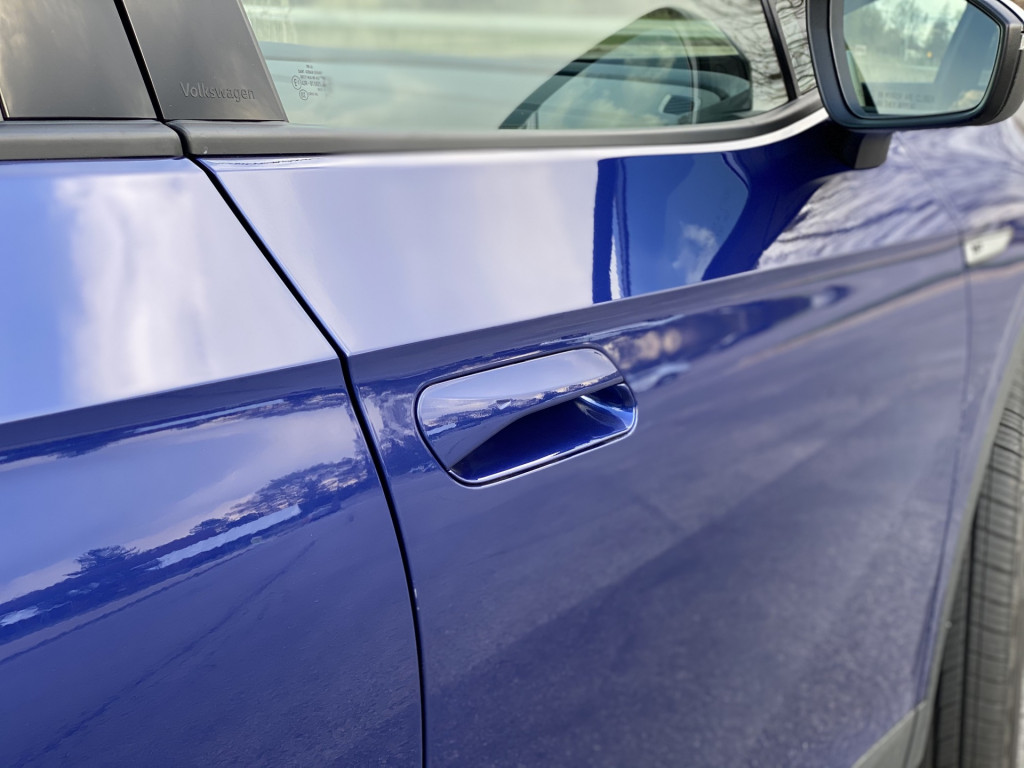
2021 Volkswagen ID.4 1st Edition
VW has already sent letters out to owners, and it’s shipping a redesigned door handle out to dealerships, which will be using them not only to perform the recall fixes but get deliveries of their own stock restarted once again. “The priority is to get existing cars repaired and to get cars that were sitting on dealer lots into the hands of customers,” said Volkswagen spokesperson Mark Gillies.
Under the recall, dealers will inspect and replace the door handles as needed, and update vehicle software. VW stressed that under federal rules, the recall must be completed before delivery.
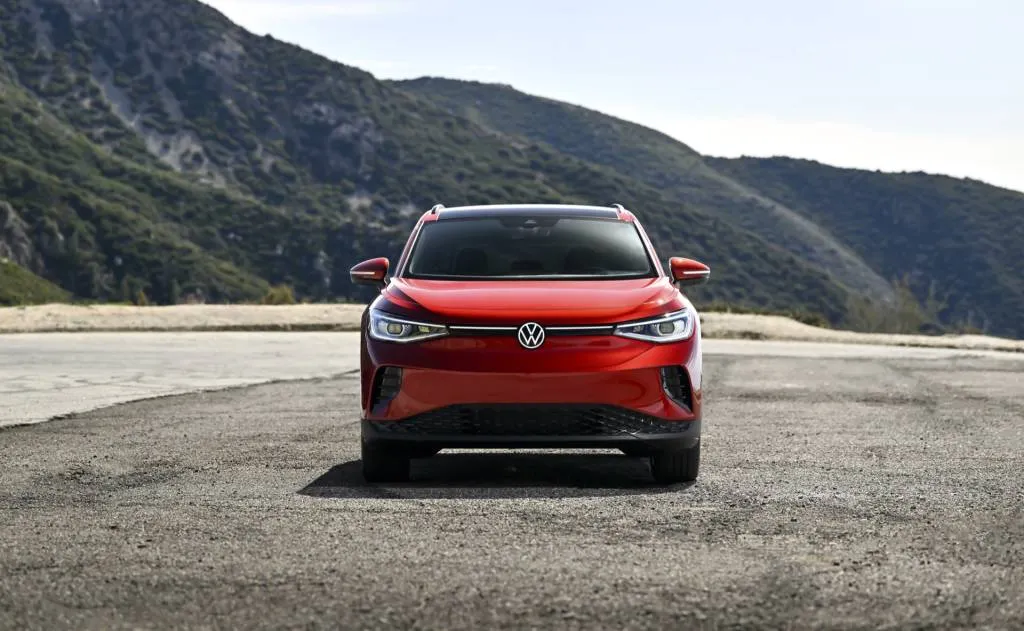
2025 Volkswagen ID.4
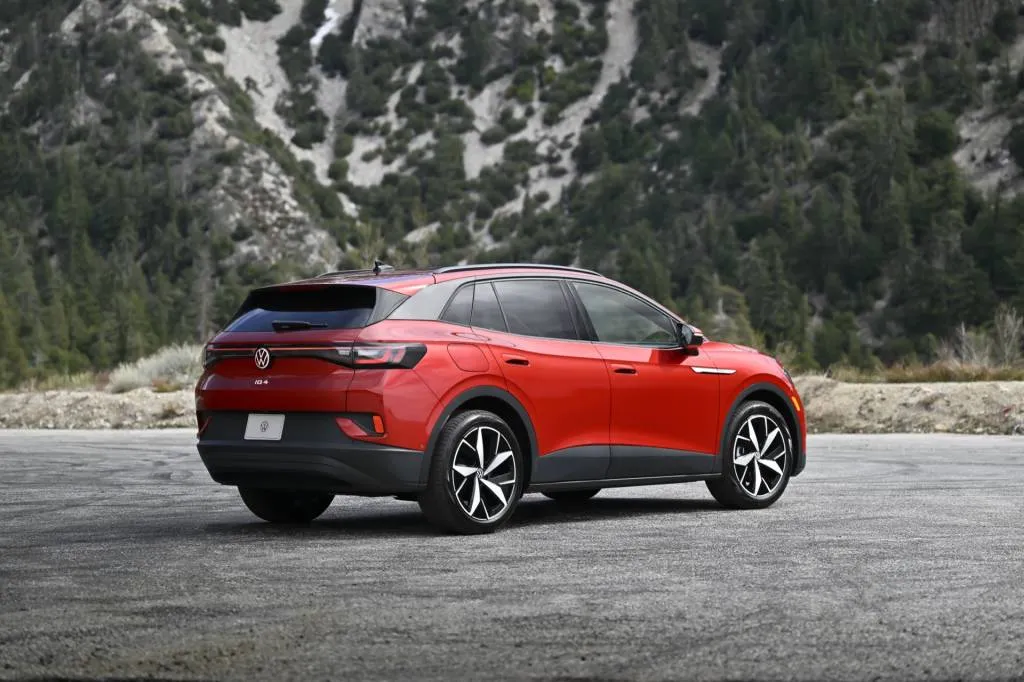
2024 Volkswagen ID.4
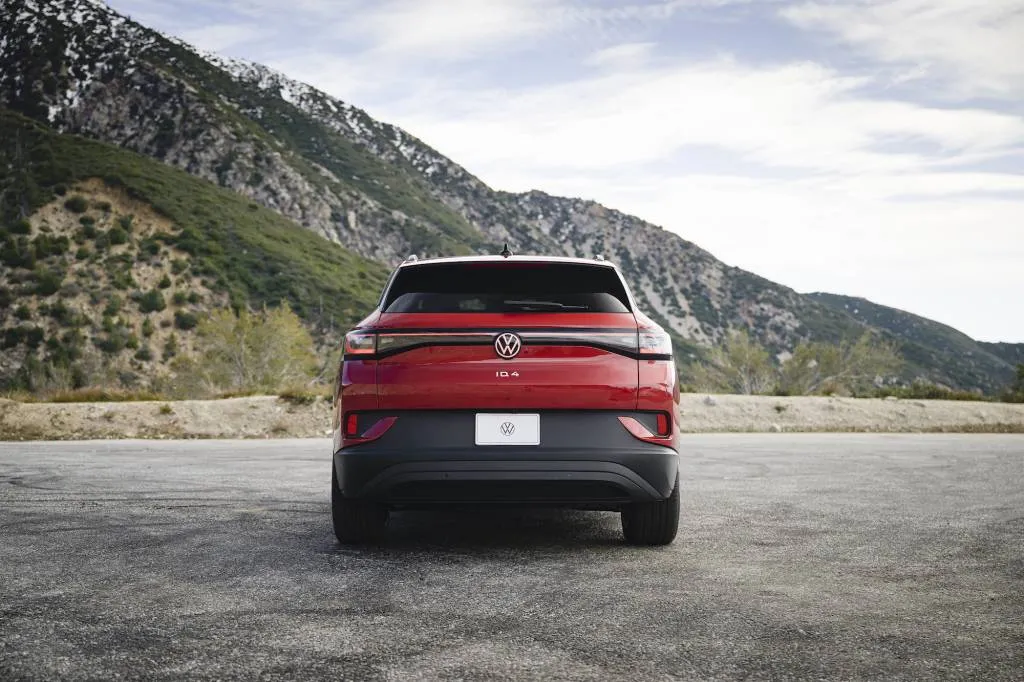
2025 Volkswagen ID.4
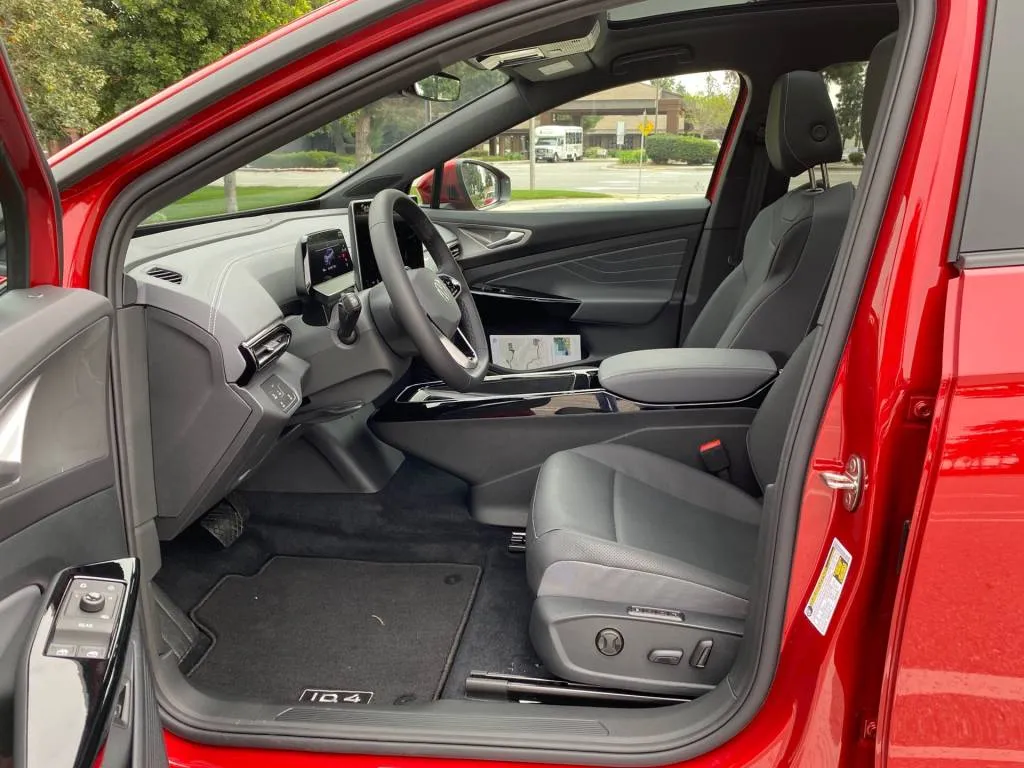
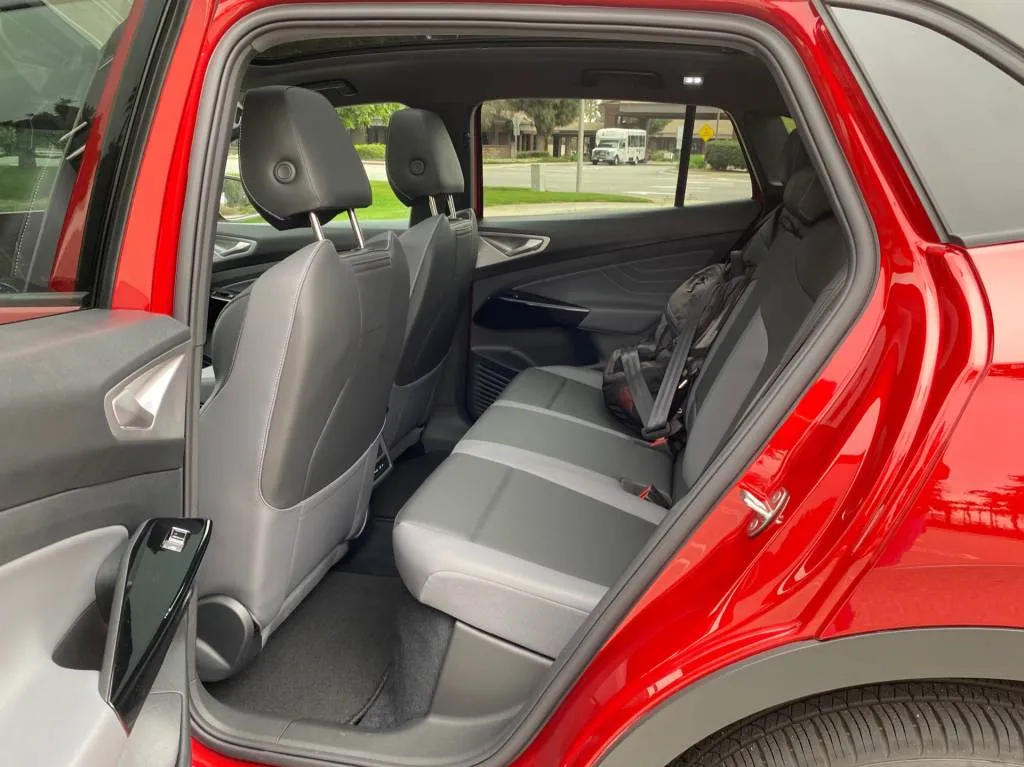
The 2024 Volkswagen ID.4 is a top-seller and up until now received a series of meaningful improvements resulting in quicker acceleration and more range, plus speedier new infotainment hardware and a much-improved interface. The interface had especially soured the experience for some early adopters (it recalled 2021-2023 models for those screen issues). Considering the ride, handling, and packaging advantages this model has had all along, the ’24 now feels like what it was supposed to be at launch.
All 2024 VW ID.4 models have qualified for the full $7,500 EV tax credit—bringing the base $41,160 price effectively to $33,660 for some), while the 2025 VW ID.4 has missed the cut, as of yet. But the 2025 ID.4 gets ChatGPT functionality that sets the stage for a next-generation in-car voice assistant.

Nissan Xterra might return to tackle Toyota 4Runner
 Trademarks for the Nissan Xtrerra name are being renewed, hinting at a possible return of the rugged SUV. Nissan filed trademark renewal applications for “Xterra” and “Nissan Xterra” in the U.S. Dec. 23, 2024. Both trademarks apply to “motor vehicles, namely automobiles, sport utility vehicles, and structural parts thereof.” Trademark filings can…

Future big GM EVs might accelerate charging with multiple connectors
With megawatt charging slow to ramp up, General Motors appears to have an alternative solution to speed up charging for electric commercial vehicles.
This is discussed in a patent filing published by the United States Patent and Trademark Office (USPTO) Nov. 26, 2024, although it was originally filed by GM about two years earlier. In the document, GM notes that medium-duty and heavy-duty electric vehicles require large battery packs that can be time-consuming to charge using conventional methods.
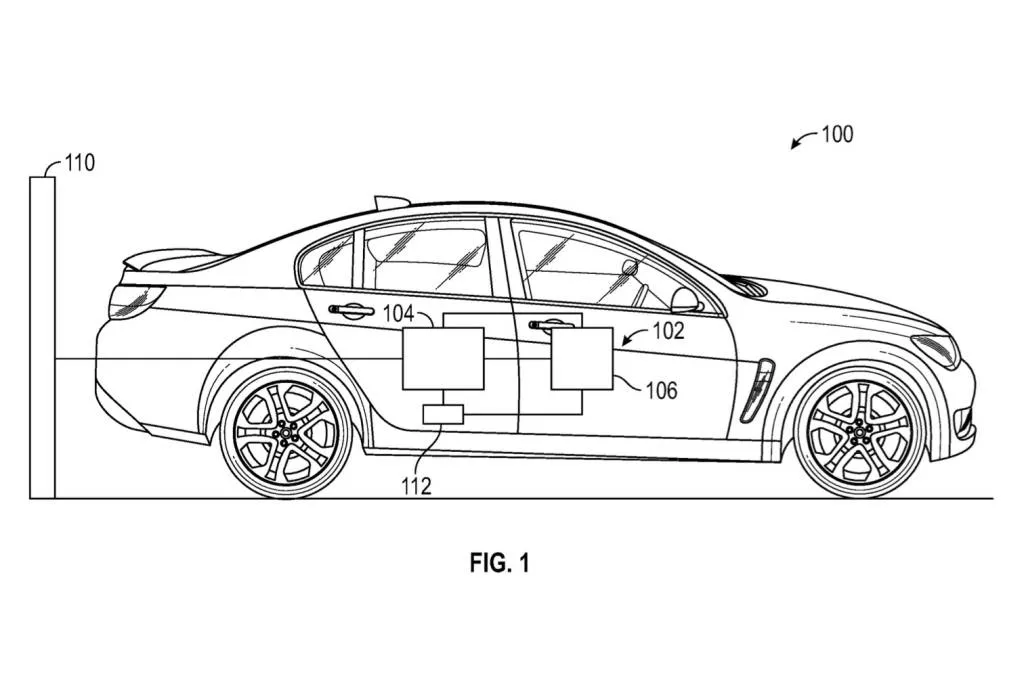
General Motors multi-port charging system patent image
GM’s proposed solution involves equipping vehicles with multiple charge ports and dividing packs into smaller “subpacks” that can be connected in parallel. This allows individual subpacks charged from either a single charge port or both ports simultaneously, instead of charging the entire pack through a single port.
This solution is aimed at larger vehicles that would require bigger packs than the average passenger car (don’t be led astray by the passenger car used in the filing’s example, above), but GM’s inclusion of medium-duty vehicles wouldn’t leave out the GMC Hummer EV or the largest GMC and Chevrolet electric pickups, which do fall into that category based on weight.
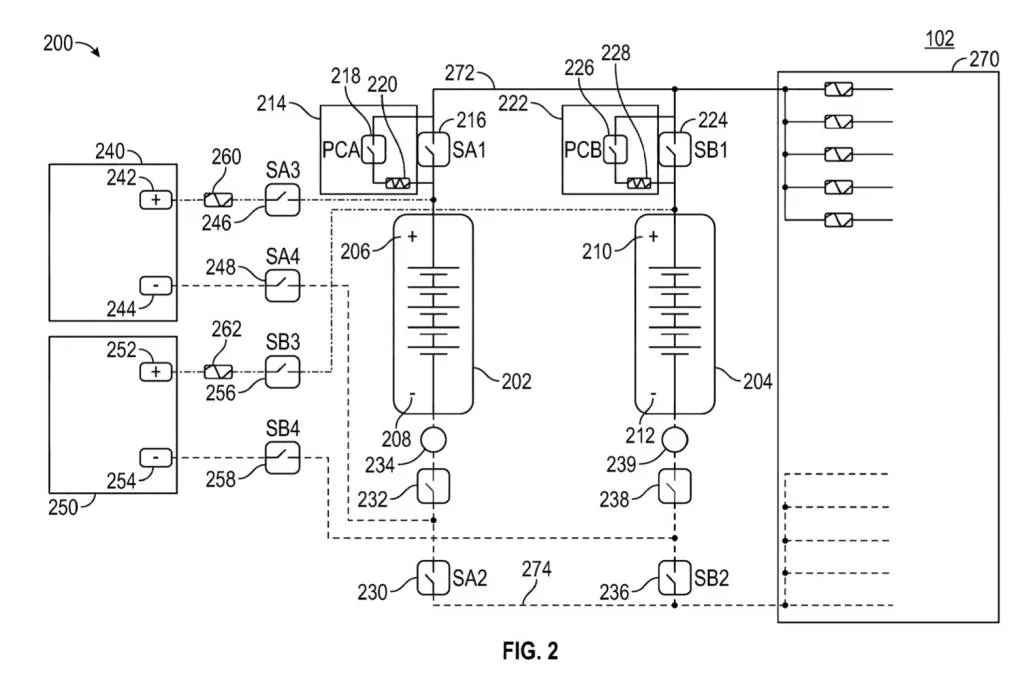
General Motors multi-port charging system patent image
Megawatt charging was announced several years ago as a charging solution for electric big rigs, but it’s been slow to roll out, partly because of the on-the-ground electrical realities. Tesla confirmed megawatt charging for the Cybertruck and Semi, but its Supercharger V4 tech hasn’t truly yet arrived.
We’re already seeing a number of different solutions to speed up charging based on what’s currently available at the connector level. The GMC Hummer EV essentially uses 400-volt battery packs connected in parallel most of the time, albeit with just one charge port. Meanwhile, Porsche splits its 800-volt Macan battery pack into two 400-volt virtual packs to increase charging speed.

Ford Escape and Lincoln Corsair PHEV recalled because they could short circuit
 Ford is recalling about 20,000 plug-in hybrid SUVs due to a manufacturing defect that could cause battery cells to short circuit. The recall encompasses 2020-2024 Ford Escape Plug-In Hybrids and 2021-2024 Lincoln Corsair Grand Touring plug-in hybrids, with 16,480 Fords and 4,004 Lincolns affected. These vehicles may have battery packs with cells…

The death list: These cars have been discontinued for 2025
 The 2025 calendar year ushers in a robust crop of new and redesigned 2025 model years, with highlights ranging the high and mighty Chevy Corvette ZR1 to the cheeky, efficient Honda Civic Hybrid. But on the sadder end of the spectrum, we’re tallying the list of vehicles that didn’t make the cut—the cars, trucks, SUVs, and EVs/hybrids that…

Genesis testing 48-volt metal-coated heated windshield tech
 Heated windshields are a fairly common feature, but Genesis is testing new hardware it claims can defrost windshields faster while using less energy. Instead of the embedded wires used in current heated windshields’ Genesis version relies on 20 layers of transparent metal coating, which can conduct current supplied by a 48-volt electrical system…

2025 Chevrolet Traverse
 What kind of vehicle is the 2025 Chevrolet Traverse? What does it compare to? The 2025 Chevy Traverse is a three-row crossover SUV that compares well with the Hyundai Palisade, Toyota Grand Highlander, and Kia Telluride. Is the 2025 Chevrolet Traverse a good SUV? The Traverse wears classy styling and it rides well. It’s a 6.7 out of 10 here…

Rivian patents heated headlight lenses
 Modern LED headlights have a problem: They’re bright, compact, and energy-efficient, but they don’t generate as much heat as HID or halogen lights. That means they’re more likely to accumulate a coating of snow, ice, or moisture that can disrupt illumination. Rivian appears to be working on a solution. In a patent application filed with the United…