
Author: EVAI

Electric-car charging: The basics
Among those considering the purchase of a new or used battery-electric or plug-in hybrid vehicle, or just curious about EVs, charging can still be the EV dealbreaker.
Unless you don’t have a way to easily install or access home charging, your excuses are quickly disappearing, though. In 2024 public charging kept pace—or better—with the number of EVs on the highways. New EVs are charging quicker and more consistently in road trips; the options along the way have become more reliable; and with Tesla and other brands’ EVs all soon compatible with the same charge connectors, nobody’s excluded.
That said, keeping EVs charged requires a different mindset than you might use in fueling up gasoline cars—even though seeing electricity as fuel isn’t off the mark.
A familiar starting point for EV charging
If you’re an EV newbie, or someone just feeling out EV ownership, you can look forward to a lifetime free of gasoline. But in order to enjoy it and shed the anxiety, you’ll have to break out of the running-on-empty and fill-’er-up mindsets of gasoline vehicles, replacing it with the charge-nightly-or-as-you-can approach you already use for smartphones or tablets.
Becoming comfortable with the routine of charging your EV—and when and where you need to plug in—is an important part of ownership. And it all comes back to what’s likely in your pocket or right next to you, if you’re not already reading this piece on it—your smartphone.

Rivian adds Tesla Superchargers to trip planning app
Over time, some people learn to have confidence in the battery level of their phone, keep an eye on it, and simply plug it in when it gets down to 20% or 10%—the low battery warning—while others get in a routine to plug in every evening to charge up all or most of the way for the next morning, depending on settings.
While EV batteries are bigger, and you can’t plug them in everywhere, keeping your EV charged up is all about what makes the best sense to you. Not everyone is going to come to the same conclusions, and that’s fine as EV ownership can fit all sorts of routines, as long as you first understand charging.
With that starting point in mind, be forewarned: If you’re already an EV fan, much of this will be old hat. But to make the transition easy, Green Car Reports has rounded up some tips on how, where, and when how to charge up that new plug-in vehicle.
We’ve written this piece with the tech-curious newbies in mind—maybe not hitting all the fine details, but helping provide a lay of the land as you shift away from gasoline and toward charge ports and make sure all basics are in place.
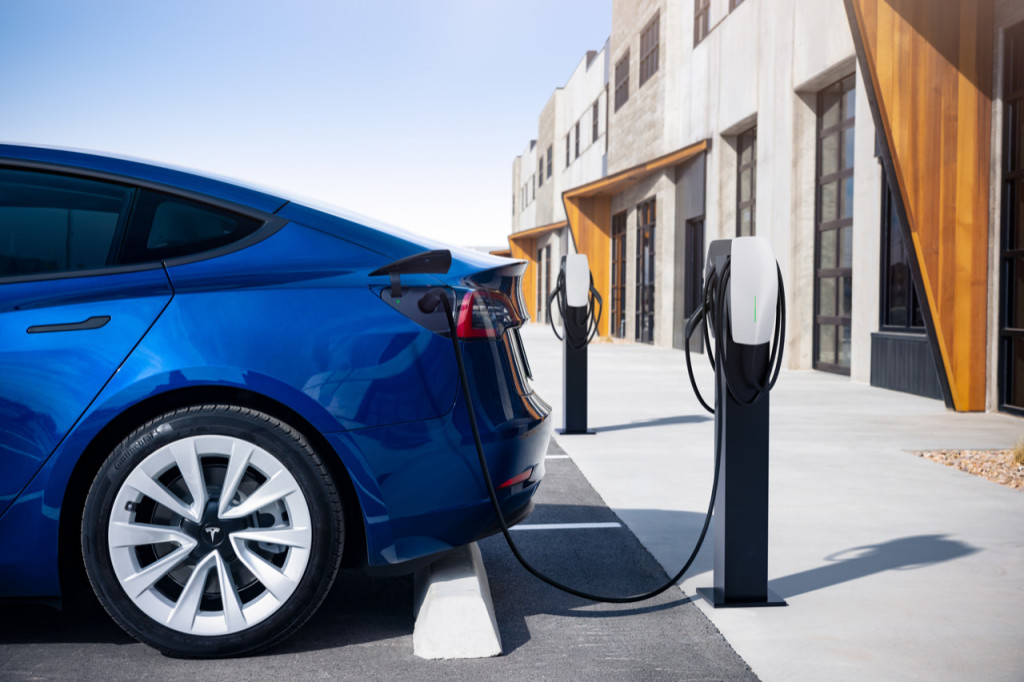
Tesla charging
Types of Charging
AC or DC
Fundamentally, there are two types of charging, based on the format of the electricity—AC and DC.
AC (alternating current) is what’s supplied to your home or what flows through a commercial electrical outlet—or the “destination chargers” that you might plug into for a few hours, or overnight. Whether you plug into it via a mobile connector or a wallbox, the actual charger that communicates with the battery and converts that AC current to DC (direct current) and is within the vehicle.
The mobile connector or wallbox (sometimes called EVSE for the sake of tax credits, rebates, or electrical work) will test the circuit when you plug it in, to ensure that it’s properly grounded and the current is strong enough to power the charger. Even though these connectors and wallboxes aren’t delivering the electricity in any different format than what the outlet provides, they are confusingly often called chargers.
DC itself, on the other hand, is typically supplied by commercial charging-station hardware designed for fast charging (or very specific uses like home backup). Hardware delivers DC current to the vehicle, with two-way communication fine-tuning exactly what voltage and current the battery pack gets in real time to get the fastest charge without overheating the pack or damaging it.
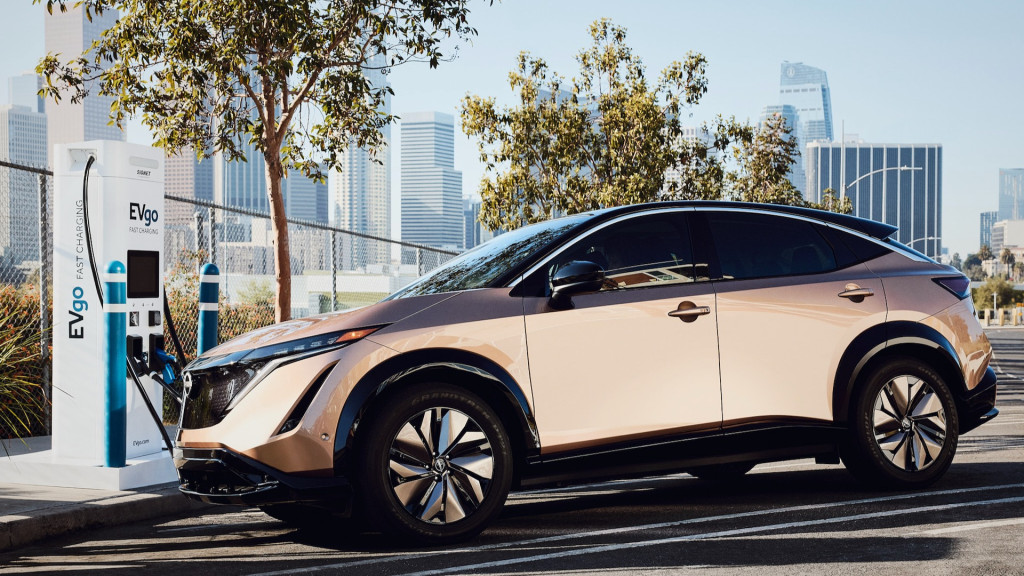
2023 Nissan Ariya at EVgo charging station
L1, L2, and L3
AC and DC charging breaks out into a range of rates, which leads to another way to describe the types of charging: Level 1 (L1), Level 2 (L2), and Level 3 (L3).
Keep in mind that these levels are less relevant in Europe, but they persist in North America, because of the way our AC electricity is delivered.
These roughly correspond to:
Level 1: Up to 2.4 kw
Level 2: 2.4 kw to 19.2 kw
Level 3: 24 kw and up
Fast charging today is shifting to refer to connectors capable of delivering 150 kw or more. Many charging station connectors remain limited to 50 kw, and some older hardware may only be capable of delivering 24 kw, but they still fall under what’s called L3.
An L1 charging rate likely won’t be enough to keep a fully electric vehicle adequately charged up at home, unless commutes are short and it’s plugged in the vast majority of the time otherwise. But it might be fine for a plug-in hybrid. These tend to correspond with 120V AC delivery and thus are usually limited to 1.44 kw (120 volts x 12 amps — and we’ll get to why it’s 12A a bit later). Figuring in a reasonable 10% losses, you’re only putting about 1.3 kwh into the battery pack per hour—or about 5 miles of range per hour in more efficient EVs like the Tesla Model 3/Y or Chevy Bolt EV.
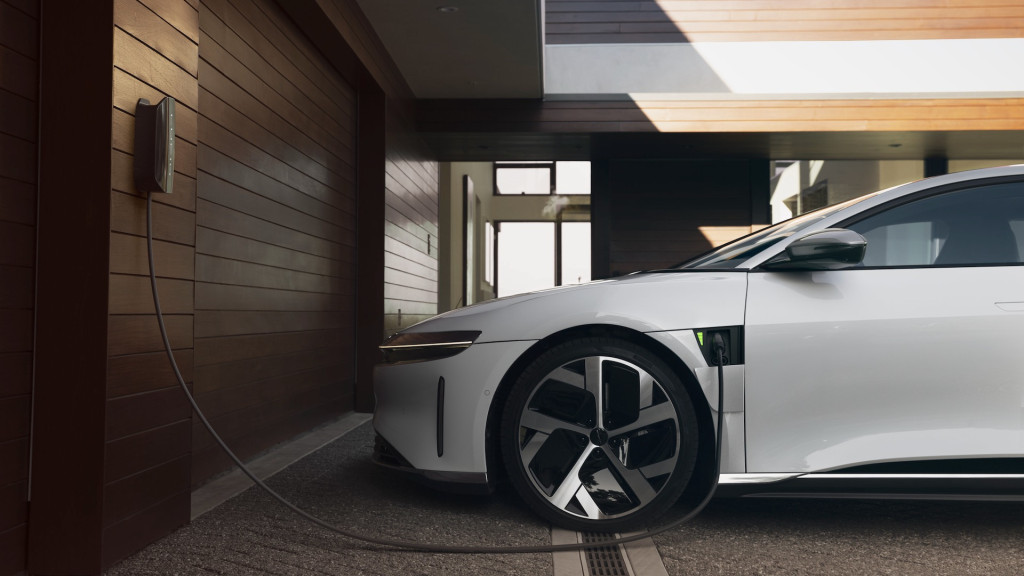
Lucid Connected Home Charging Station
L2 is the easiest and best option to have for EVs, as it can provide a full overnight charge for nearly all EVs—all but those with the largest battery packs. These are typically wallboxes and essentially correspond with 240V AC delivery, and if you have a charging station installed at home, it will require the same type of wiring as an electric stove or clothes dryer. Tesla, for instance, points to up to 44 miles of range recovered per hour from its Wall Connector.
EVs and plug-in hybrids have typically come with a “charging cord” allowing you to plug into 120V AC and get that slow L1 charging when needed. But those really weren’t used very frequently. So automakers have been switching toward 120V/240V mobile connectors, which are instead often optional on new EVs (and standard on a few premium-brand models) but do at an L2 rate add a very useful amount of range if you have access to a spare 240V outlet. Tesla’s mobile connector, for instance, is limited to 32 amps, which corresponds to up to 30 miles of range recovered per hour for the Model 3, according to the automaker.
In the interest of simplification L3 and DC fast charging are one and the same. So keep reading for that.
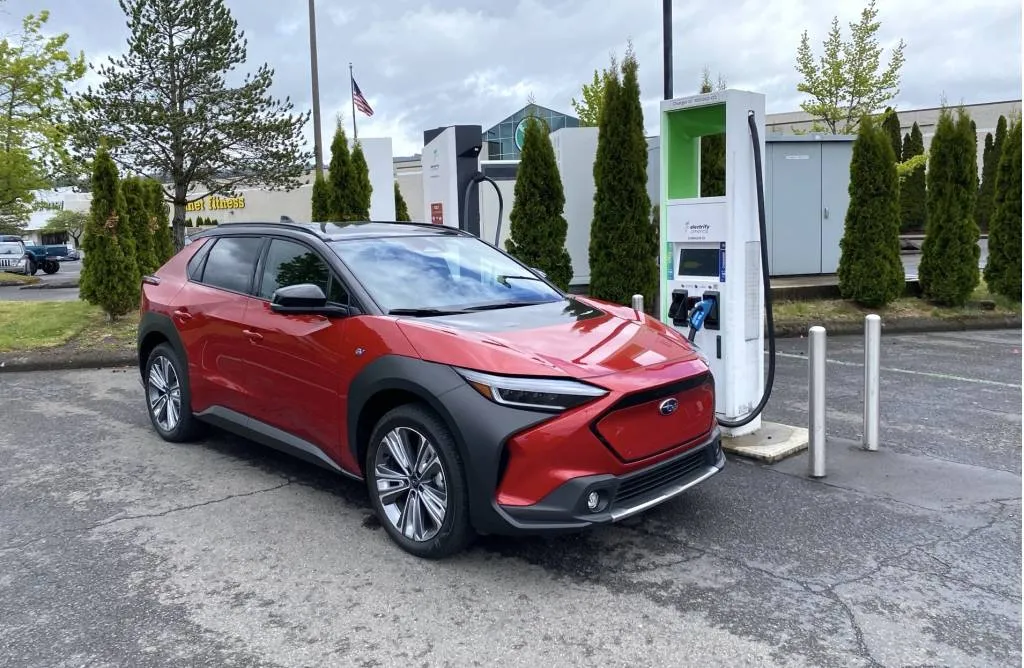
Subaru Solterra EV at Electrify America
DC fast-charging basics
Fast chargers deliver direct current to your battery pack, while communicating with your vehicle. By varying the voltage and current, and accommodating for details like battery temperature and ambient temp, fast chargers deliver as much power as your battery can handle at a given state of charge—up to the rated maximum of the connector, cord, and charging cabinet.
That effectively means that if you choose a charging location and connector rated at or above your vehicle’s maximum, generally, the hardware will be able to charge your vehicle up in as little time as possible.
But the cells need to be in an ideal temperature zone to hit that peak rate. So leading up to a fast-charge session (and in many cases linked to its route planner), your vehicle may precondition its battery pack—which means warm it up to the low end of the ideal zone. They’ll heat up more when charging.
In a DC fast-charging session, the charge rate tends to slow as you approach about 80%. For this reason, automakers typically give fast-charging times from 10-80%—an ideal window to seek on long road trips. Unfortunately that’s only 70% of the range, so for instance to spend the least time charging you’ll need to stop about every 175 miles in a vehicle that can go 250 miles on a full charge at real-world highway speeds (which might correspond to an EPA range rating of 300 miles or more).
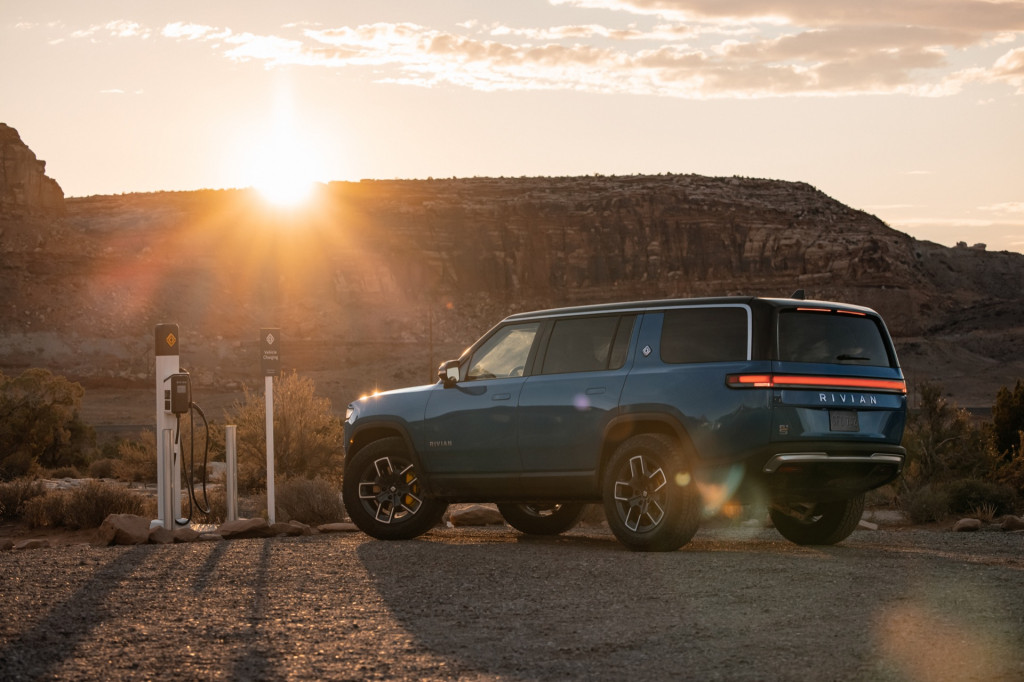
Under Canvas carbon-conscious camp with Rivian Waypoint chargers – Moab
Where to charge: Home, destination, and fast chargers
Distilling AC and DC, L1, L2, and L3 down to some key points, what it amounts to for real-world use is that there are three key types of chargers at which to charge:
- Home chargers, or those that you keep at home or in your trunk (or frunk)
- Destination chargers—often meaning Level 2 chargers that may be at the workplace, a shopping center, or a parking garage and provide a significant charge in a few hours
- Fast chargers that are most likely along highway road-trip routes, to provide a significant charge in less than an hour
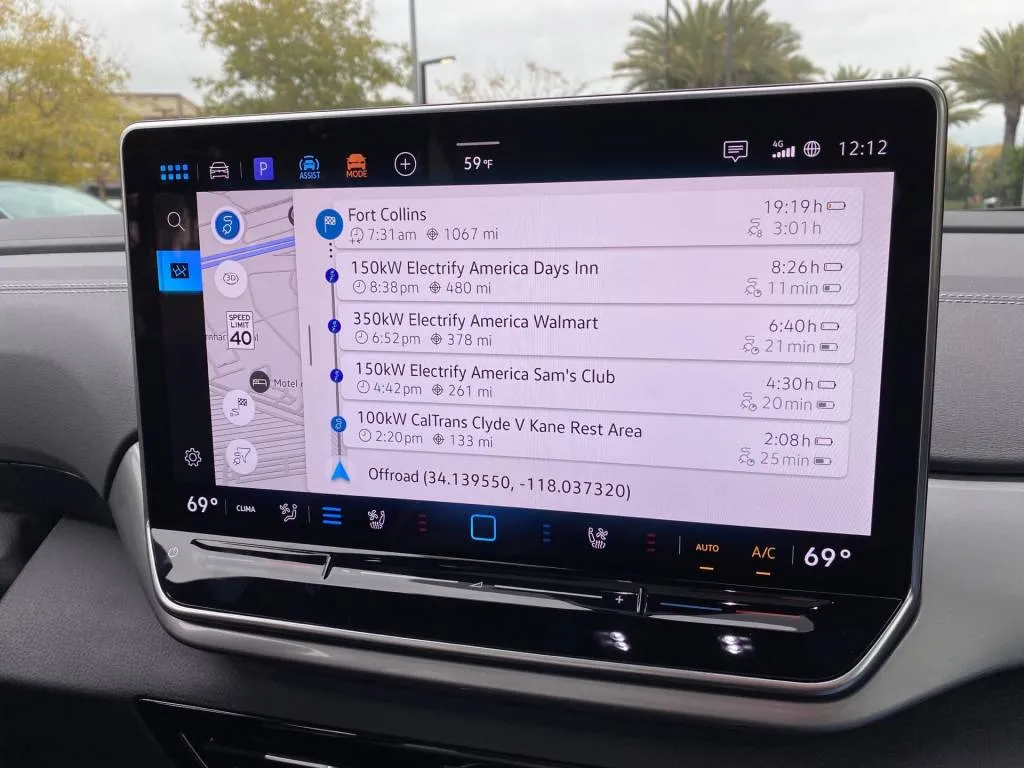
2024 Volkswagen ID.4
How to find chargers
We strongly recommend that you have, on the ready, a combination of methods to find your best charging-station options. So on your smartphone, install not just the official brand app for your vehicle but also an independent app focused on charging and route planning.
Most of today’s EVs do come with some level of charger-savvy route planning that incorporates dynamic range estimates. Not all automaker apps and interfaces provide the tools for the quickest EV road trips, though. Independent EV charging apps we recommend for backing up your in-car interface and making sure you’re choosing the best stops along the way include Chargeway, PlugShare, and A Better Route Planner. Google Maps and Apple Maps do also now include some charger specs.
You’ll then need to initiate the charging session—and pay for it, in many cases. Although in the case of Tesla, you’ll likely only need to plug in. For those with other EVs, Plug & Charge technology allows a similar level of convenience although it’s not yet working everywhere. In other cases you may need to provide a credit-card swipe or smartphone-based payment, but overall the days of separate cards, apps, fobs, and passkeys for each charging network are thankfully on the way to the history books—thanks in part to the federal government’s NEVI rules.
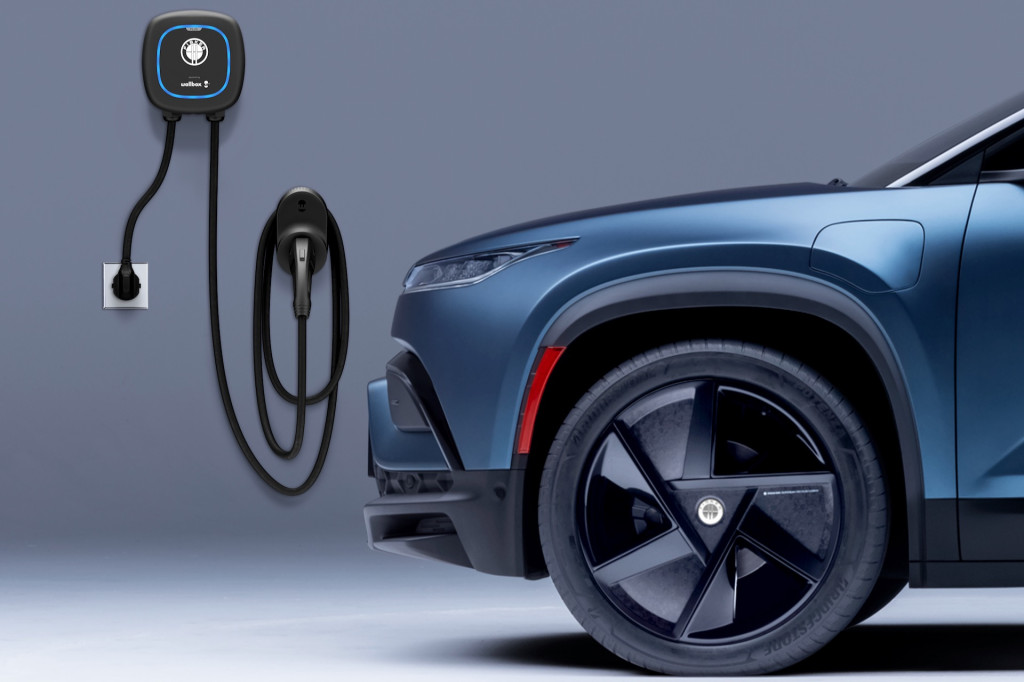
Fisker Wallbox home charger
Installing a home charger
For all of these home chargers, whether they’re plugged into the appropriate socket or hardwired, the 80% rule applies—meaning that you shouldn’t be pulling a constant load that exceeds more than 80% of the max your circuit is wired for. So for instance, for a 50-amp circuit, you should be using a charger that won’t pull more than 40 amps.
Some of today’s long-range EVs are capable of charging at up to 19.2 kw, which indicates an 80-amp charge connector, requiring (given the 80% rule) a 100-amp circuit. With 200-amp service for the entire house quite common today, and some smaller or older homes running on 125 amps or less, that’s an untenable amount to dedicate to EV charging without major (and costly) electrical upgrades.
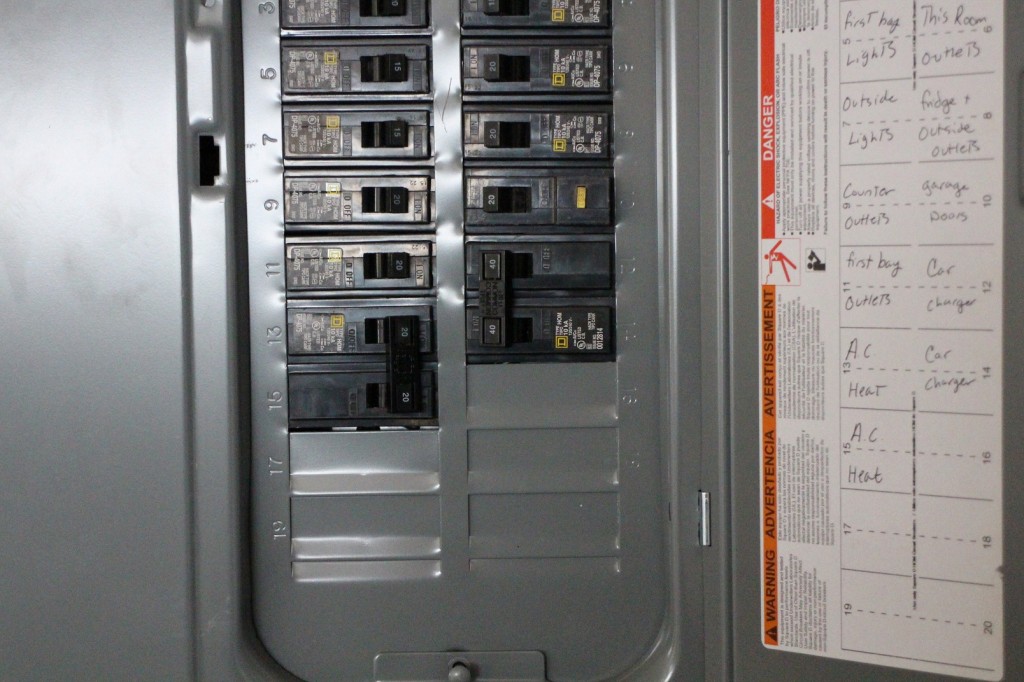
Circuit-breaker box showing 240-Volt circuit for electric-car charging station
To be perfectly pragmatic, a 40-amp circuit and 32-amp home charge connector will be just fine, and plenty adequate for most EVs—amounting to a charge power of up to 7.7 kw. Even for many longer-range EVs, that’s enough for a full charge in 10-14 hours if you’re near zero charge remaining.
But step up the circuit if you can. A 60-amp circuit and 48-amp charger, for instance, will get you added speed for some of the biggest electric trucks or longer-range EVs, and moving all the way up to 100 amps for the circuit and 80 amps for the charger may have advantages for some models.
One final note: It likely makes far more sense to install a 100-amp circuit versus adding two separate 50-amp circuits, as there are dual chargers that will split available amps between EVs. But there are load-balancing and power-sharing options, too. Talk to your electrician.
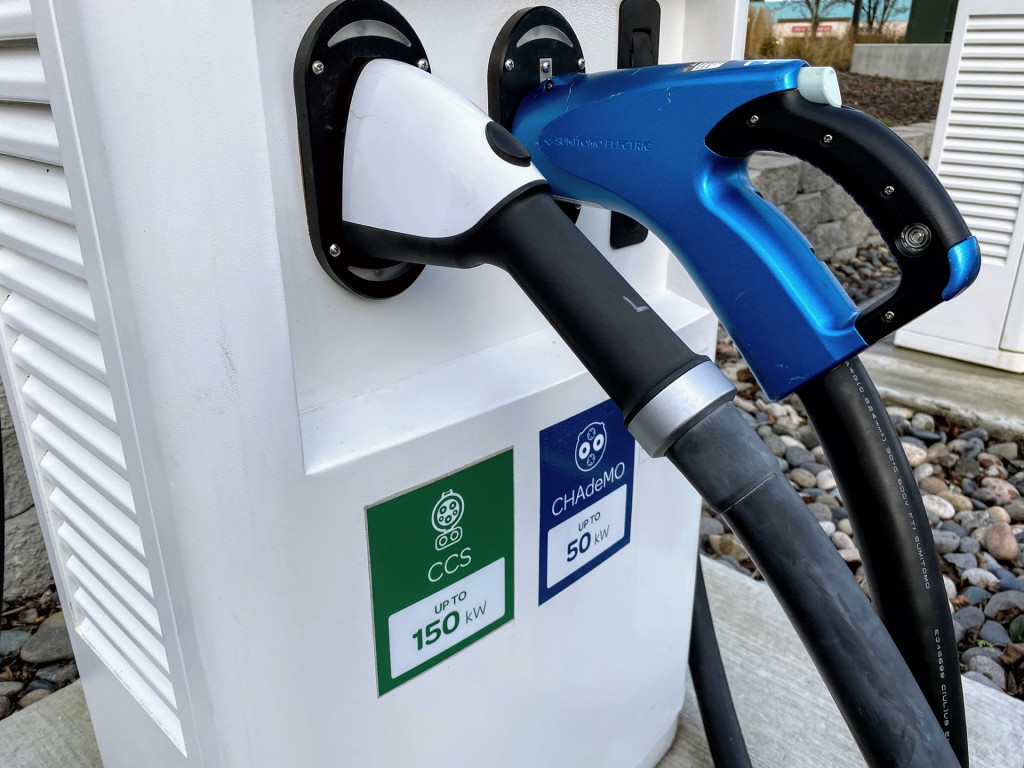
Electrify America DC fast-chargers – CCS and CHAdeMO
Charge connectors—J1772, NACS, CCS, CHAdeMO
Some of today’s EVs come with one charge port, while others come with two. The reason behind this is related to AC and DC charging, but it’s a little more complicated than that.
Most AC charging comes via the round J1772 charge port—the “J” plug that’s become near-universal over the past 15 years in EVs and plug-in hybrids. The same port spans L1 and L2 charging, up to about 19.2 kw.
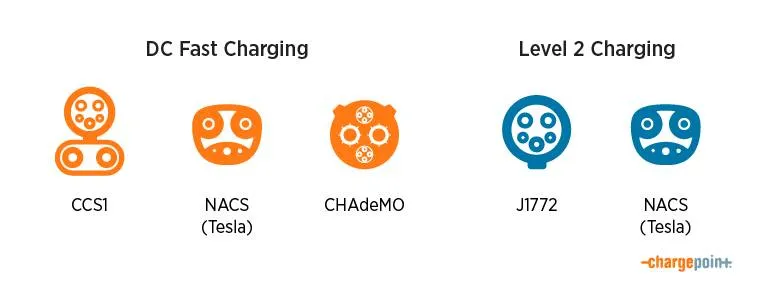
U.S. market EV charging connectors – via ChargePoint
CCS. The Combined Charging System, in the form Americans know it, is that same J1772 port, with two stout DC-charging prongs added just beneath, to enable Level 3 DC fast charging (or perhaps, in bidirectional charging setups, other slower kinds of DC power sharing). In the U.S., CCS arrived in late 2013.
NACS. The North American Charging System, or J3400 as it was termed as an industry-wide standard in 2023, is an adoption and evolution of the Tesla charge port that’s been used since the introduction of the Model S in 2012. NACS is noteworthy for how it combines AC and DC charging together in the same compact charge port that some may simply find easier to use.
CHAdeMO. Conceived in 2009 and 2010 by a group of Japanese companies, CHAdeMO was first rolled out for the U.S. in the 2011 Nissan Leaf. The only two new vehicles using the CHAdeMO port in 2024 are the Nissan Leaf EV and Mitsubishi Outlander Plug-In Hybrid. While the port and standard were ahead of the curve with bidirectional charging fully enabled starting in 2013, CHAdeMO was shunned in Europe. What’s also been rendering CHAdeMO moot is that the big, round port does not include AC/L2 charging—so in EVs the J1772 port needs to be included separately.
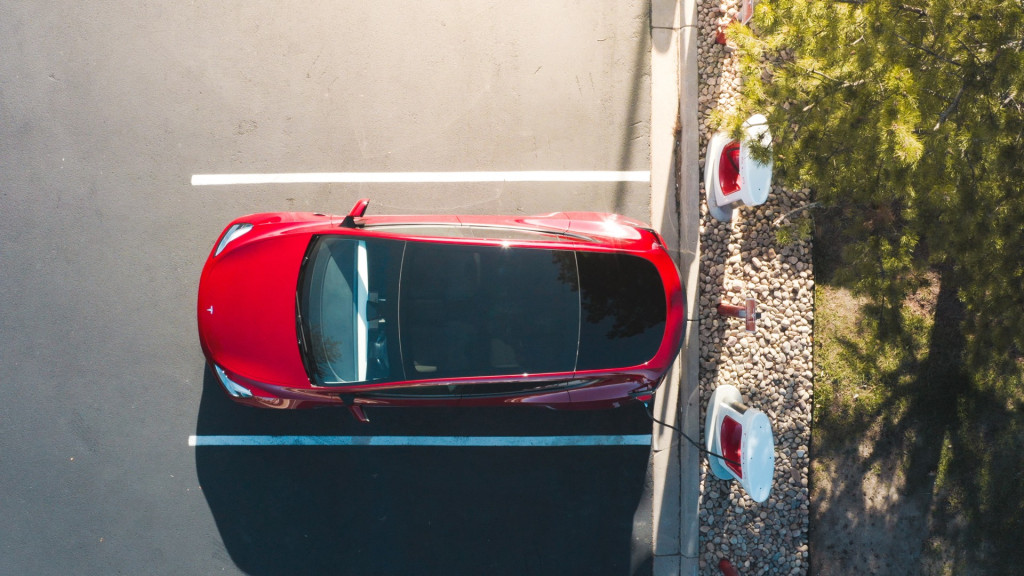
Tesla Supercharger
NACS or CCS: Two takeaways
The future of American EV charging is NACS. Throughout 2023, starting with Ford, every single volume U.S. automaker committed to the Tesla-based NACS format for future EVs—and, in the meantime, access to the Tesla Supercharger network with CCS-NACS plug adapters. But many of these EVs that switch to that format aren’t due until later in 2025 or 2026,
Get used to adapters. While the future is NACS, you may be perfectly fine with CCS for home charging for many years to come. If you rely on public charging, even on road trips, you’ll probably want to have an approved adapter on hand.
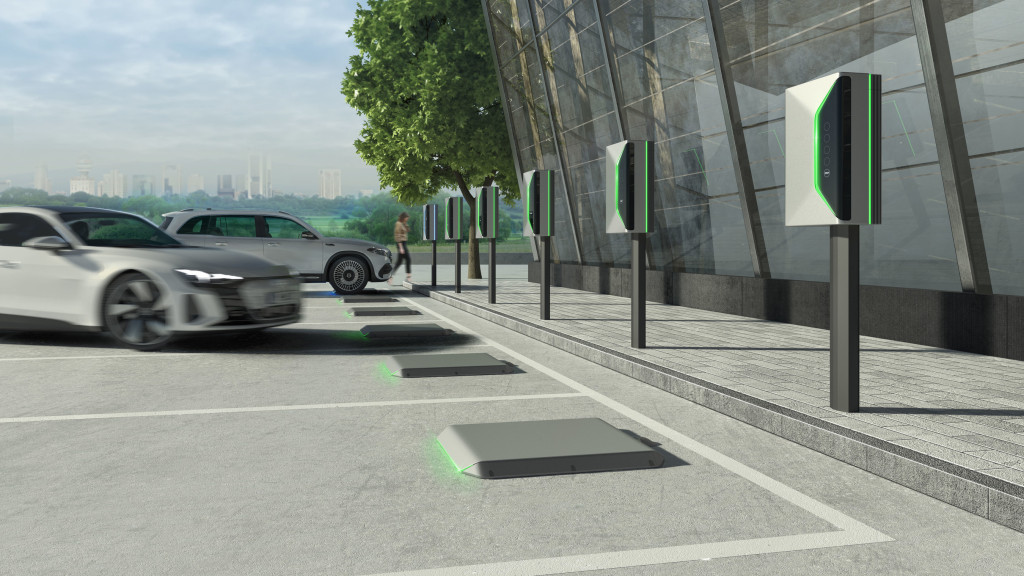
WiTricity and Siemens wireless charging station
Some of the future of charging will be wireless
Cables and connectors might always remain a way of charging your EV, but they won’t be the only way. The technology for fully wireless vehicle charging—also known as inductive charging—has already arrived, and if you fast forward a few years into the future it’s quite likely some U.S. EV drivers won’t ever need to worry about remembering to physically plug in each night.
The technology relies on a set of copper coils at either end—one in a pad on the garage floor, driveway, or parking space, the other at the bottom of the EV. The lower pad creates an oscillating magnetic field, which is then captured by the car’s coil and converted back to electricity.
Why isn’t it everywhere? For one, it’s expensive, with the price tag of a complete wireless charging installation costing several times what a wallbox costs. When luxury EVs—and Tesla—adopt wireless charging, they’ll pave the way to economies of scale, and eventually public wireless charging stations that might make your road trip even easier.
Fast forward even farther into the future and dynamic inductive charging could mean that some EVs, on certain routes, might never need to stop to charge—as the tech might gradually charge your vehicle as you drive, through smaller embedded coils in the road.
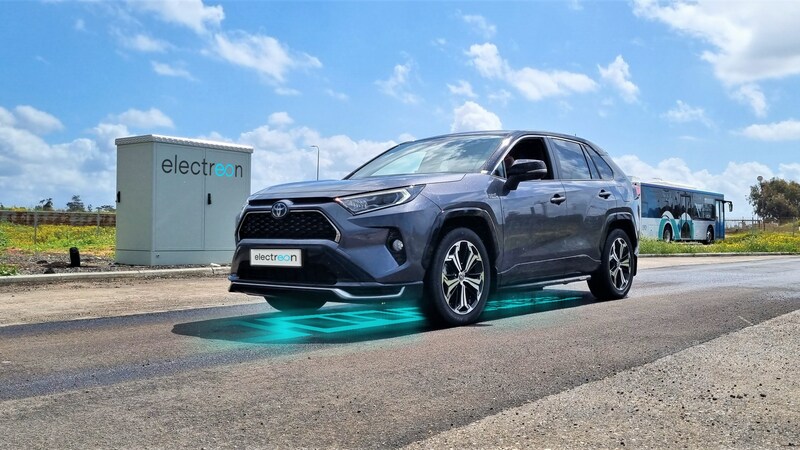
Toyota RAV4 Prime – Electreon dynamic wireless charging
Bidirectional charging is the wildcard
In most cases, today, EV charging involves energy flow in one direction—from the grid to your vehicle. But in the future there might be much more give-and-take to charging as EVs, home hardware, and your public utility, perhaps, embrace bidirectional charging. With it, called out as V2H (vehicle to home), V2G (vehicle to grid), V2X (vehicle to everything), EVs might send power out to campsites or construction sites, power homes during brownouts or blackouts, or help balance energy at different costs or different levels of demand.
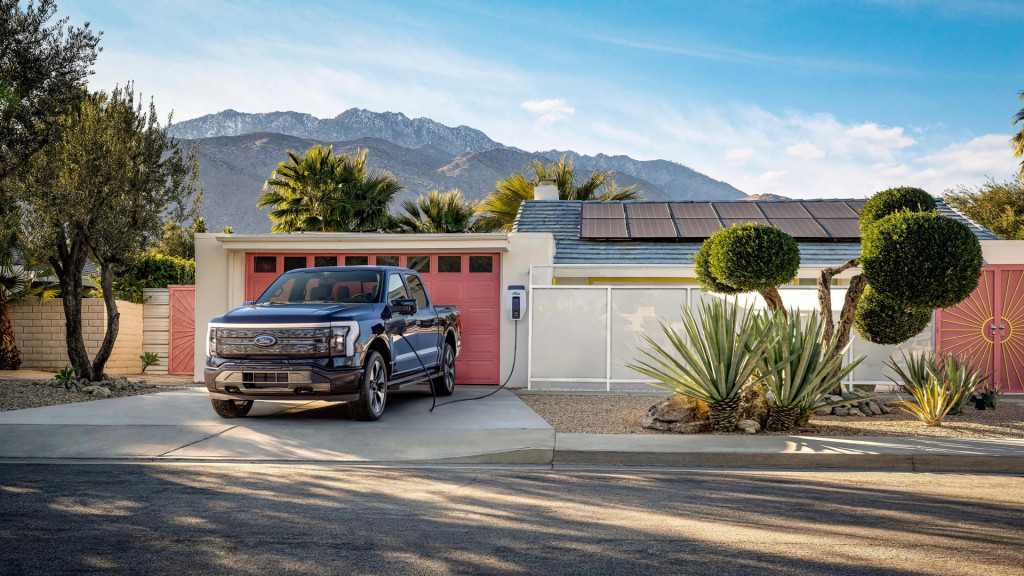
2022 Ford F-150 Lightning Intelligent Backup Power
Farther off, a range of companies, with different terms, technical differences, and proposed rules, have floated the idea of an “open market” for bidirectional charging—in small amounts, over wireless charging. For instance, maybe the grocery store borrows just a kilowatt-hour or two from most of the vehicles in the lot—wirelessly, based on your settings—and in return gives you a discount for lowering its use of more expensive grid electricity on a hot afternoon.
Some forms of bidirectional charging are here right now. CHAdeMO has been fully compatible with bidirectional charging for more than a decade, with the right hardware and software, of course. CCS has also offered this capability for several years. General Motors has expanded bidirectional charging capability to the entire GM EV lineup and it’s readied a GM Energy ecosystem including energy storage. And at present, the Ford F-150 Lightning, Nissan Leaf, and Kia EV9 and EV6 are among the EVs that are compatible with at least some bidirectional hardware. In 2023 Tesla said that within about two years—that’s this year—all Teslas will get bidirectional charging functionality.
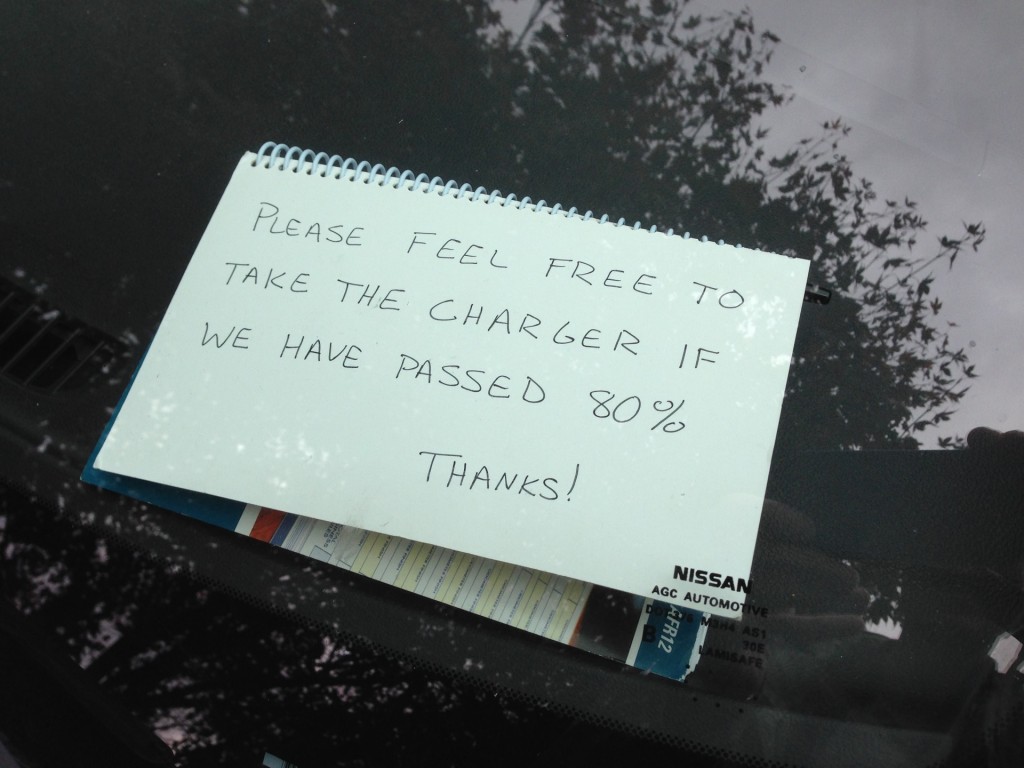
charging etiquette note – DC fast charger, Olympia WA
P.S. Don’t forget your manners: EV charger etiquette
The goal is for all of us just to get along.
Green Car Reports has dug into this issue far more in the past, when driving an EV felt like an exclusive club of tech early adopters in the know. In 2025, it’s a very different scene than it was in say 2015—and the days of leaving passive-aggressive Post-It notes on vehicles or distributing zines to fellow EV drivers (I’ve seen both) are mostly left to stories of how it used to be. But some rules of politeness hold as much now as then.
Don’t overstay your welcome. First and foremost, make sure that you don’t occupy the space longer than it takes your car to recharge. You wouldn’t abandon your car at a gas pump when it’s not fueling, would you? Most charging networks charge idle fees if you remain plugged in, and charging spots aren’t there to provide parking.
Match EV and connector. If you can avoid it, don’t use a connector/charger rated at much higher power than your EV can take advantage of. So Chevy Bolt EV owners, please don’t use the 350-kw connectors, if you can avoid it, while the Lucid Air or Chevy Silverado EV drivers who can make full use of it wait.
Respect! Don’t unplug anyone’s vehicle until the charge is complete, even if it’s just to insert the five minutes of charging you need to get home. Most EVs have interlocks that let you choose whether or not releasing the charge port requires the key present, so make sure you know your vehicle.

Ram might bring back the hood ornament
 Stellantis is considering bringing back hood ornaments for its Ram pickup trucks, a new patent filing indicates. Published by the United States Patent and Trademark Office (USPTO) on Jan. 14, 2025, after being filed by Stellantis on March 13, 2023, the filing shows a hood ornament with the familiar Ram’s head design of the truck brand’s logo…

Acura TLX vs. Lexus ES: Compare Cars
 The midsize sedan might have seen its popularity fade like a pop star from the 1980s but it still delivers an edge over SUVs that has nothing to do with nostalgia. They’re more fun to drive, more efficient, less expensive, and practical enough. The premium and luxury segment present a level of sophistication and distinction not readily found on…

Chevy brings first electric pace car, EV.R prototype to Daytona 500
- Chevy Blazer EV.R NASCAR prototype debuts at Daytona 500
- 2025 Blazer EV SS serves as first electric pace car for signature NASCAR event
- NASCAR remains tied to gas-guzzling V-8s
No major racing series revels in inefficient internal combustion quite as much as NASCAR, but this year its biggest race will kick off with the silence of an all-electric powertrain—and the debut of another glimpse of its fully electric future.
The 2025 Chevrolet Blazer EV SS won’t be racing, but it will serve as the official pace car, leading the field of gas-guzzling V-8 race cars to green flag at this Sunday’s Daytona 500, the kickoff race for the 2025 NASCAR season and the most prestigious event on the calendar.
Pace cars are used to keep the field in formation ahead of the start of the race, as well as during caution periods when cars circulate at slower speeds due to on-track hazards. A 2016 Toyota Mirai hydrogen fuel-cell vehicle previously handled these duties at a 2015 NASCAR race, but this will be the first time a battery-electric vehicle has served as pace car at Daytona.
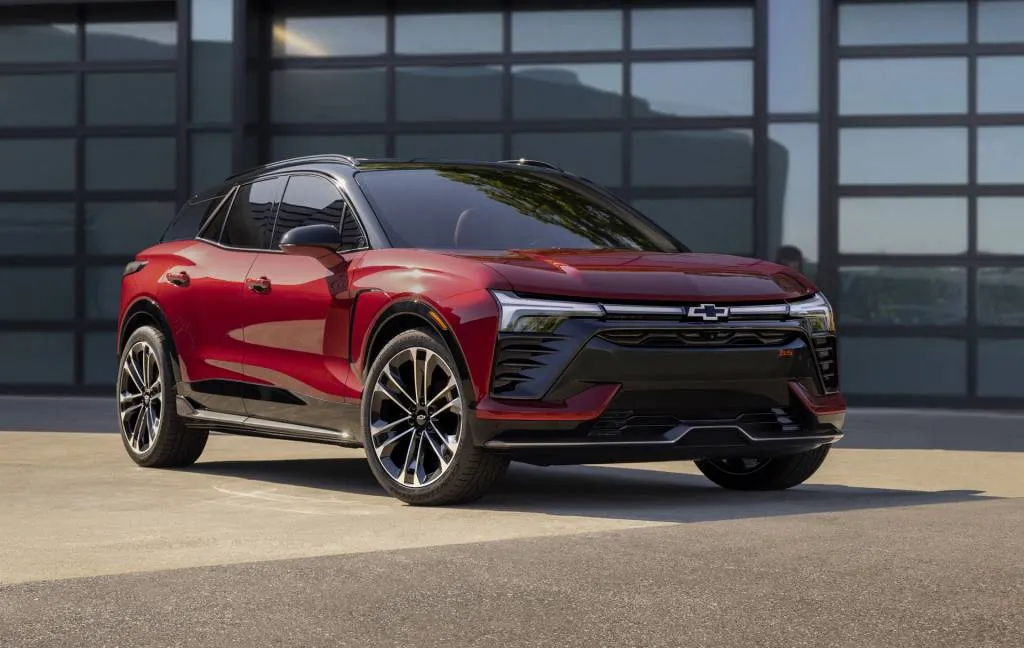
2025 Chevrolet Blazer EV SS
Due to reach dealerships later this quarter with a $61,995 base price, the Blazer EV SS is the sportiest version of the Blazer EV, boasting 615 hp and 650 lb-ft of torque from an uprated version of the dual-motor all-wheel drive powertrain. Chevy says it will do 0-60 mph in 3.4 seconds, while Brembo front brakes and stiffer suspension tuning aim to deliver a livelier experience in corners.
Ahead of this weekend’s race, Chevy on Thursday revealed an electric NASCAR prototype, dubbed Blazer EV.R, that will make its formal debut at the event. The three-motor model has produces more than 1,300 hp combined and has a 78-kwh battery pack. The EV.R was built with chassis components lifted from NASCAR’s Next Gen chassis, and Chevy says that it’s already completed consistent laps with the EV.R at race speed—although of course it’ll be there for show only.
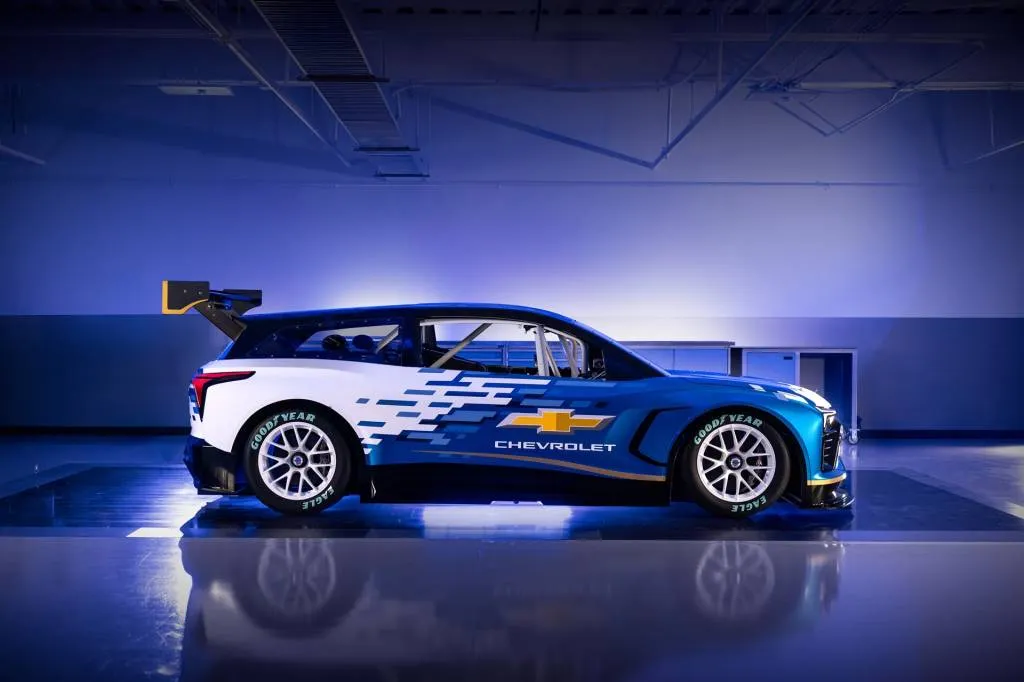
Chevrolet Blazer EV.R NASCAR prototype
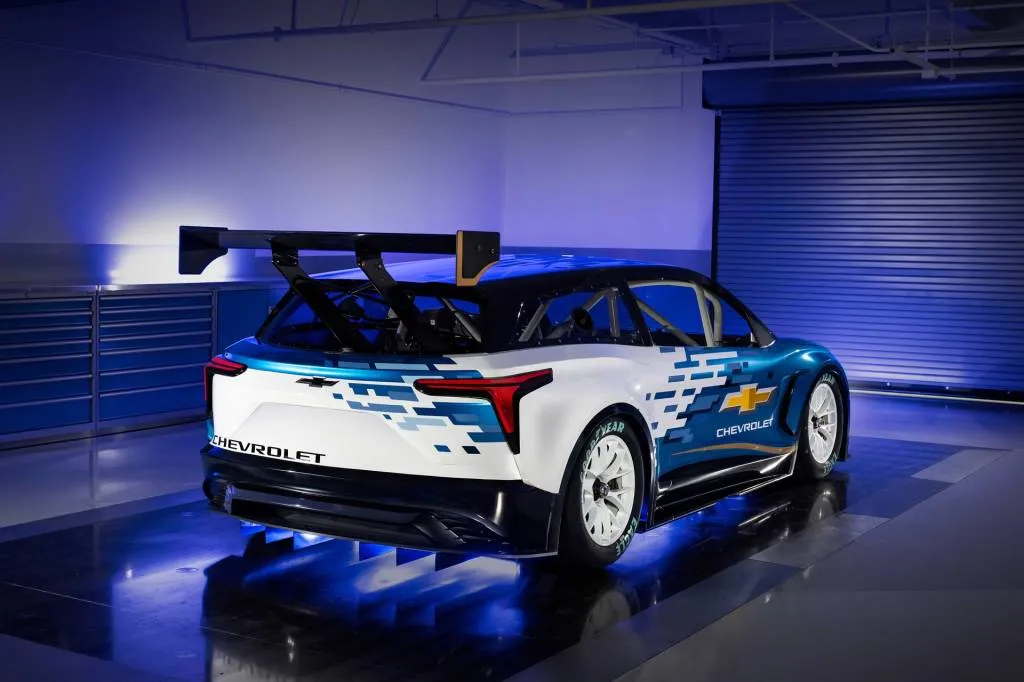
Chevrolet Blazer EV.R NASCAR prototype
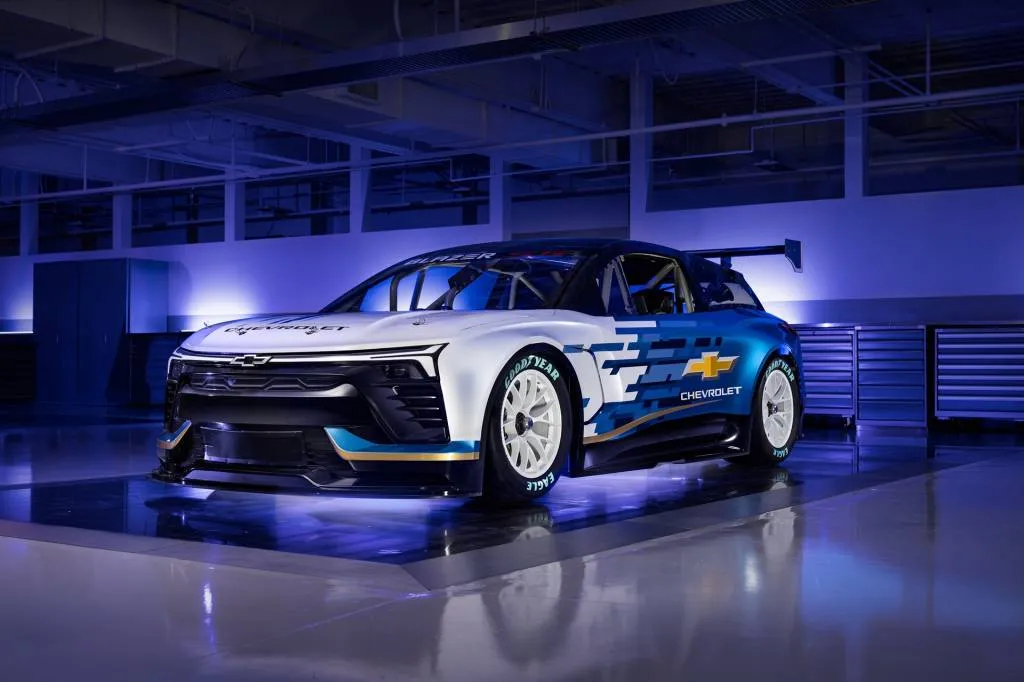
Chevrolet Blazer EV.R NASCAR prototype
This follows Ford’s unveiling of a NASCAR prototype branded as a Mustang Mach-E earlier this month. Ford’s prototype seemed to take cues more directly from the generic electric SUV NASCAR first showed in 2024. Organizers still haven’t committed to an electric racing series, but first Ford and now Chevy showing EV prototypes indicates the idea hasn’t gone away.
That leaves Toyota as the only automaker currently participating in NASCAR’s top-level Cup Series to not show an electric SUV prototype. Could a NASCAR bZ4X also be waiting in the wings?

Toyota Sienna vs. Honda Odyssey: Compare Minivans
 Minivans handle three-row family duty better than SUVs in almost all aspects. They may not tow as much or look as butch, but they’re roomier, comfier, more flexible, and mostly more fuel efficient. Half of the four minivans on sale now offer all-wheel drive, and all but one new minivans come with a hybrid option. The refreshed 2025 Honda…

Ford developing split-battery EV charging with dual charge ports
Ford is looking at charging EV battery packs from multiple charge ports simultaneously in order to shorten charging times.
The concept is outlined in a recent patent filing published by the United States Patent and Trademark Office (USPTO) Nov. 12, 2024, but originally filed by Ford back on Dec. 8, 2021. It shows a setup with dual charging ports that would each be responsible for charging a portion of the battery pack from a single power source.
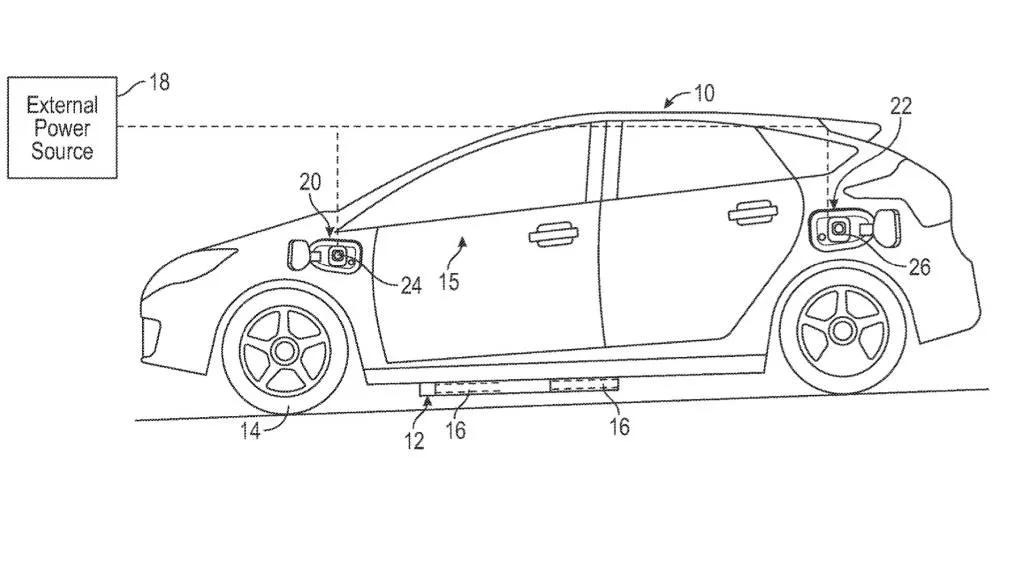
Ford dual charge port patent image
The filing discusses a “partition” system that would allow two or more sections of the battery pack to be decoupled and charged individually, or coupled together for conventional charging. The tandem charging would be accomplished with an adapter that would split power from one connector to reach the two charge ports on the vehicle.
Partitioning of the battery pack don’t necessarily entail the double-layer approach used by General Motors in the GMC Hummer EV, GMC Sierra EV and Chevrolet Silverado EV. In those trucks, each layer is essentially an individual pack connected to the other in parallel.
In a 2022 patent filing, GM discussed adding a second port to help get the most out of this setup, including a configuration that allowed both layers to be charged individually from different ports.
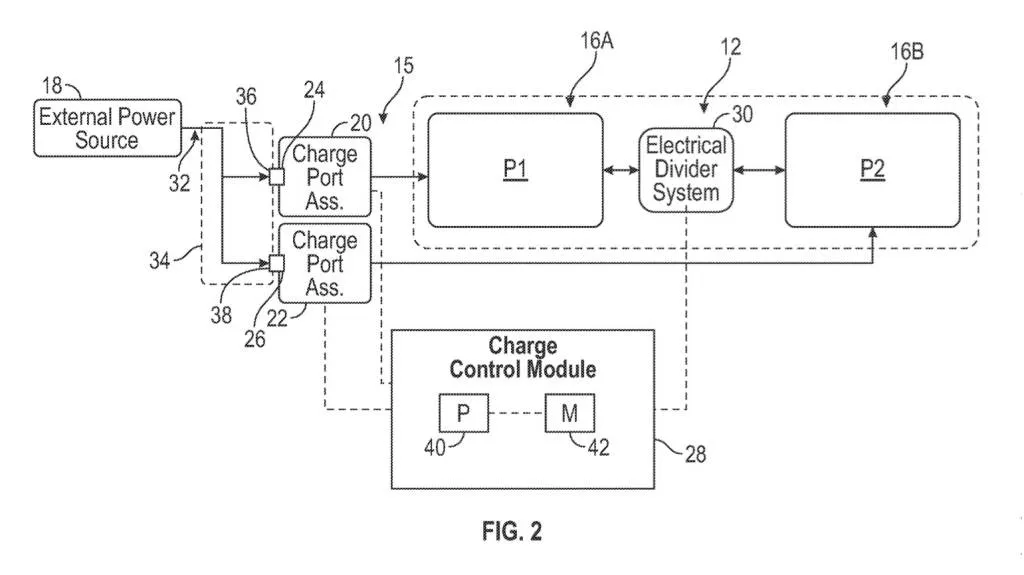
Ford dual charge port patent image
The GM patent filing also covered the idea of using multiple ports to help charge other EVs, something Ford also discussed in a 2023 patent filing. But that’s not necessarily in play here. This most recent patent filing mentions charge ports placed on opposite sides or the same side of a vehicle. The latter wouldn’t be very convenient for charging another vehicle.
Some EVs already have dual charge ports. The Porsche Taycan and Audi E-Tron GT have AC ports on both sides, with a DC fast-charging port on the right side as well. But this is only for convenience; you can’t use both ports at the same time. The 2026 Mercedes-Benz CLA will also have dual ports—one J1772, for AC, and one NACS, for DC—to give drivers more flexibility. Ford’s concept would be something different, if it reaches production.

2025 Maserati GT2 Stradale delivers speed with ease
 Maserati gave the GT2 Stradale lots of the GT2 race car’s visual DNA The GT2 Stradale is less tunable than a 911 GT3 RS and quieter than an Artura The GT2 Stradale arrives in the U.S. in August and costs $311,995 Maserati’s going back to its racing roots. Or at least it’s trying. The storied Italian automaker out of Modena…

2025 Acura ADX lands with starting price of $36,350
 The 2025 Acura ADX is the Acura brand’s new entry-level crossover The ADX shares a platform with the Integra and is close in size to the RDX It goes on sale in the spring with a starting price of $36,350, including destination The Acura RDX compact crossover has grown bigger and more expensive over the years, with the current 2025 model’s starting…

Republicans call to add $1,000 tax on new EVs, end tax credit
- Trump can’t end EV tax credit; Congress can
- Proposed bill would end new EV, used EV, and commercial EV credits
- EV leasing loophole goes away with commercial credit (45W)
- Up-front federal EV tax of $1,000 proposed in addition to state EV surcharges
As bold as President Trump’s initial executive actions relating to EVs might be, they don’t yet directly affect car shoppers’ ability to claim the $7,500 EV tax credit, or to access bargain EV leases.
For that, it would take an act of Congress. And based on bills introduced this week, that act may be quite close.
On Wednesday, Sen. John Barrasso, R-Wyo, with a group of 14 Republican senators signed on as co-sponsors of the bill, introduced legislation that could effectively end the EV tax credit.
If adopted by Congress it might take effect as soon as 30 days after enactment. That might be a hard pill to swallow for a number of automakers; GM and Ford are reportedly among those seeking a gradual EV tax credit phaseout.
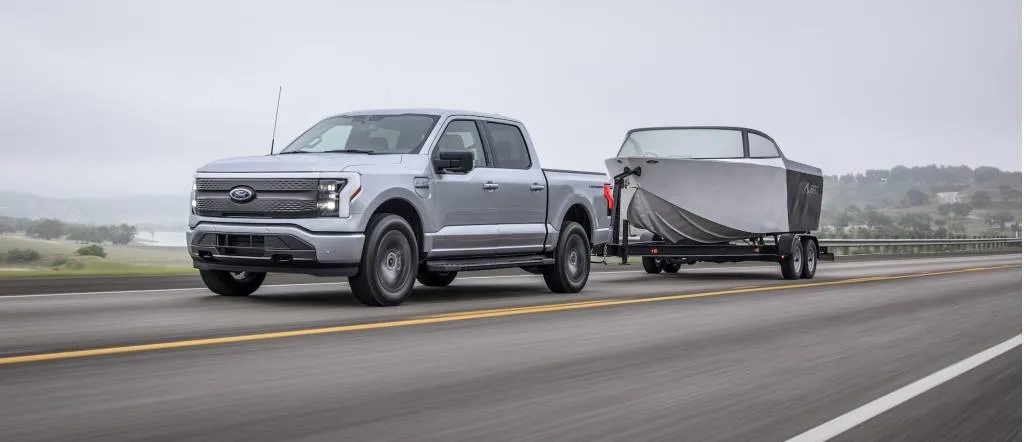
2025 Ford F-150 Lightning
The EV tax credit isn’t just one tax credit, but three different EV affordability credits—and, some would say, subsidizing the American industry behind them. In addition to IRS 30D, commonly known as the EV tax credit, the bill includes the Used Clean Vehicle Credit (25E) for used EVs, and the Commercial Clean Vehicle Credit (45W) for fleet EVs.
The commercial vehicle credit contains one of the most controversial pieces of the EV tax credit—the so-called “leasing loophole,” which was the result of a Treasury Department interpretation that many lawmakers said doesn’t keep to the original intent of the law. It effectively allows automakers’ captive credit companies to capture a $7,500 tax credit for each EV they lease—regardless of the sticker price of the EV or where it was built.
That fueled a leasing boom for EVs over the past couple years, allowing automakers to offer attractive lease prices that in many instances undercut those of hybrids or other gasoline models, and allowed shoppers to bypass stricter rules about income and vehicle origins that applied to purchases.
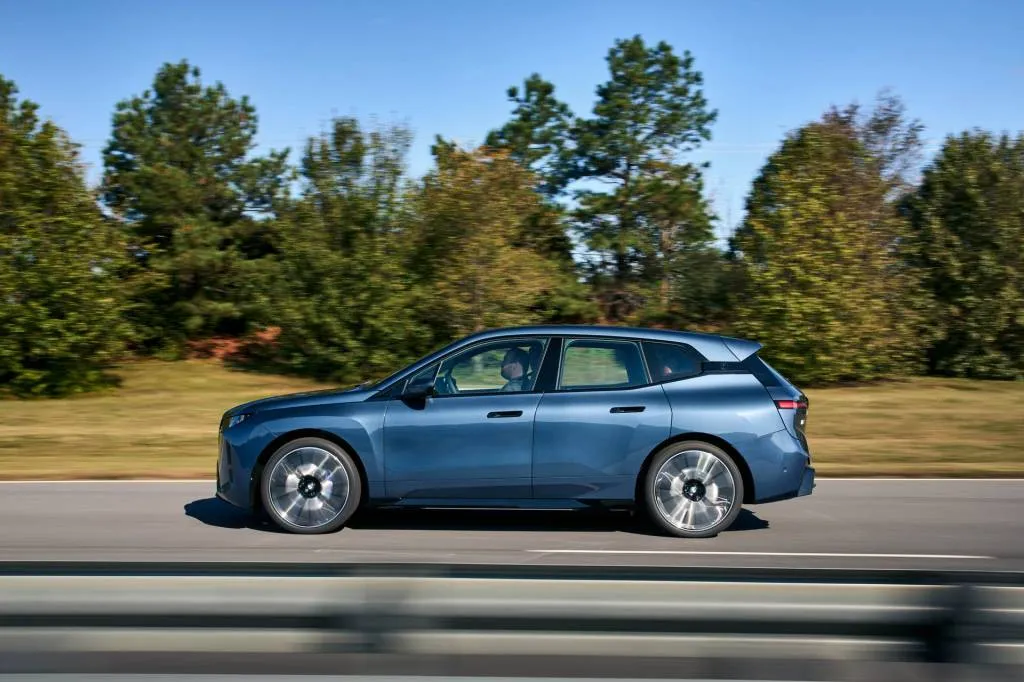
2025 BMW iX
That aside, the latest iteration of the EV tax credit—for those who buy rather than lease—has narrowed the number of shoppers and vehicles eligible. To claim a credit of up to $7,500, buyers must meet household-income requirements, and the vehicle must meet a set of criteria for American assembly, EV battery sourcing, and battery materials. The vehicle must also be offered below a price ceiling of $55,000 or $80,000 depending on the vehicle type.
But in serving its purpose of aiding affordability up front, the EV tax credit did become a point-of-sale rebate that can be claimed at the dealership starting in 2024.
The oil industry appears eager to see the tax credit end. A release on the bill from Barrasso included a quote from Chet Thompson, the president and CEO of the American Fuel & Petrochemical Manufacturers (AFPM), emphasizing that “it’s time for EVs to compete on a level playing field.”
According to the Environmental and Energy Study Institute, the U.S. provides about $20 billion in fossil fuel subsidies annually, with about 80% of that going to natural gas and crude oil.

2024 GMC Hummer EV
Meanwhile, a companion bill, introduced Wednesday by Senator Deb Fischer of Nebraska, aims to tax EVs $1,000 at the point of sale for road use—which the bill says is the average amount consumers currently pay through gas taxes over a span of 10 years. A different, tiered structure would apply to heavy-duty electric trucks.
Such a one-size-fits-all strategy for paying for EV road use, however, ignores the fact that in the U.S.—according to the federal government itself—EVs are driven less. According to the DOE, they cover 12% fewer miles on average than gasoline vehicles and 29% fewer miles than diesel models.
The federal fee would impact EV buyers in addition to premiums already levied for EV use or ownership by individual states. It’s an issue that many have stepped up to address with various solutions, nearly all ultimately sidestepping the question of whether there could be an “electric fuel” tax for EVs that, like gasoline, is based on real-world use.

2025 Williams FW47 F1 car conducts shakedown at Silverstone
 Williams has revealed the FW47 as its contender for the 2025 Formula 1 season The FW47 will be piloted by Carlos Sainz and Alex Albon in the new season Williams also has a new title sponsor, Atlassian Williams provided a sneak peek of its 2025 Formula 1 car, the FW47, on Friday following an initial shakedown test at the Silverstone Circuit in the…