
Author: EVAI

Cadillac Opulent Velocity Concept previews possible performance EV
Cadillac is thinking about leaning into an ultra-luxury future, and if it comes it will be propelled by electric powertrains. The brand has already produced the $340,000 Celestiq EV and previewed a possible EV convertible called the Sollei concept. On Friday at Monterey Car Week, the American luxury brand showed the Cadillac Opulent Velocity Concept, which, as the name suggests, would deliver over-the-top luxury and exhilarating performance.
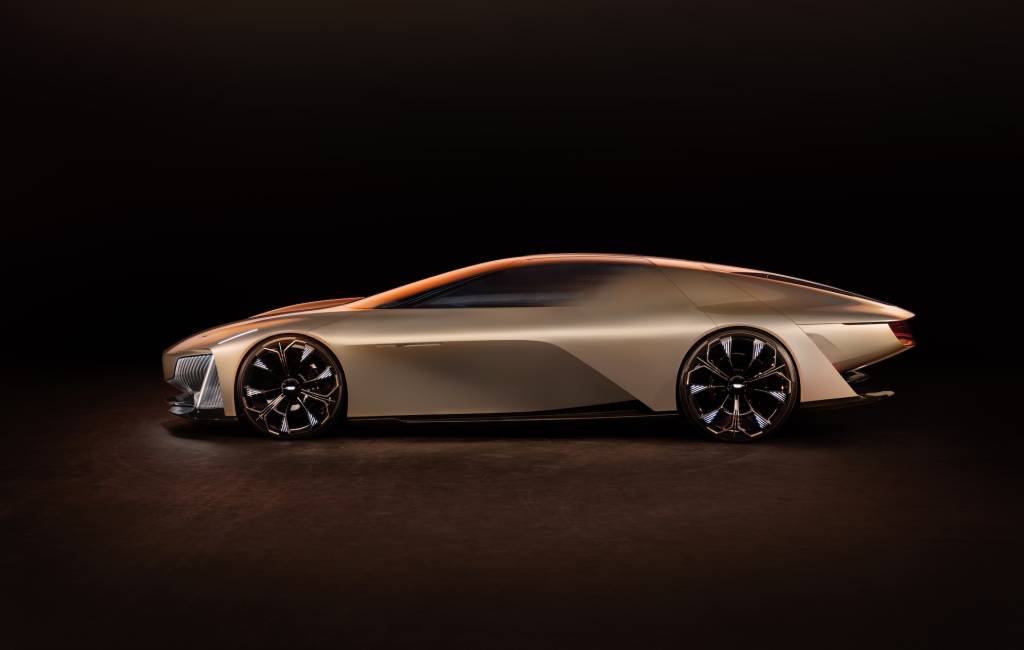
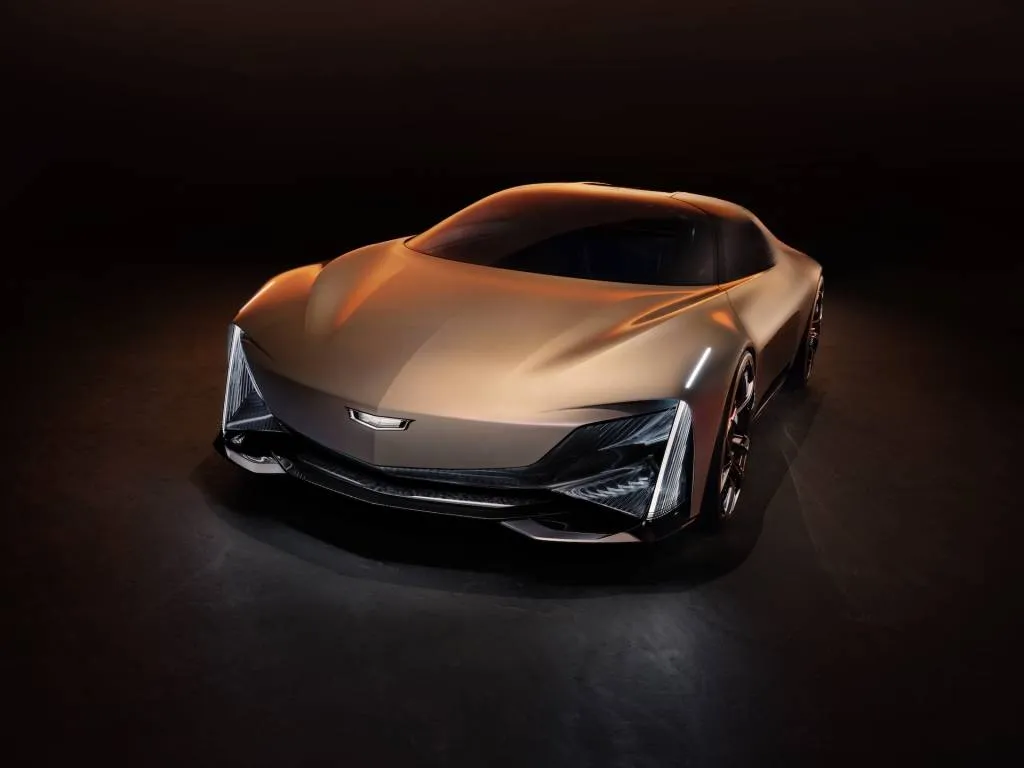
Cadillac touts the concept as the “ultimate expression of a zero emissions hypercar luxury performance” and “the future of all-electric luxury performance.” A 2+2 coupe, Cadillac says the Opulent Velocity Concept’s design is inspired by motorsports and combines a hypercar personality with luxury execution. We see the sleek style of the 1930s Delahayes.
Cadillac Opulent Velocity Concept
Cadillac Opulent Velocity Concept
Cadillac Opulent Velocity Concept
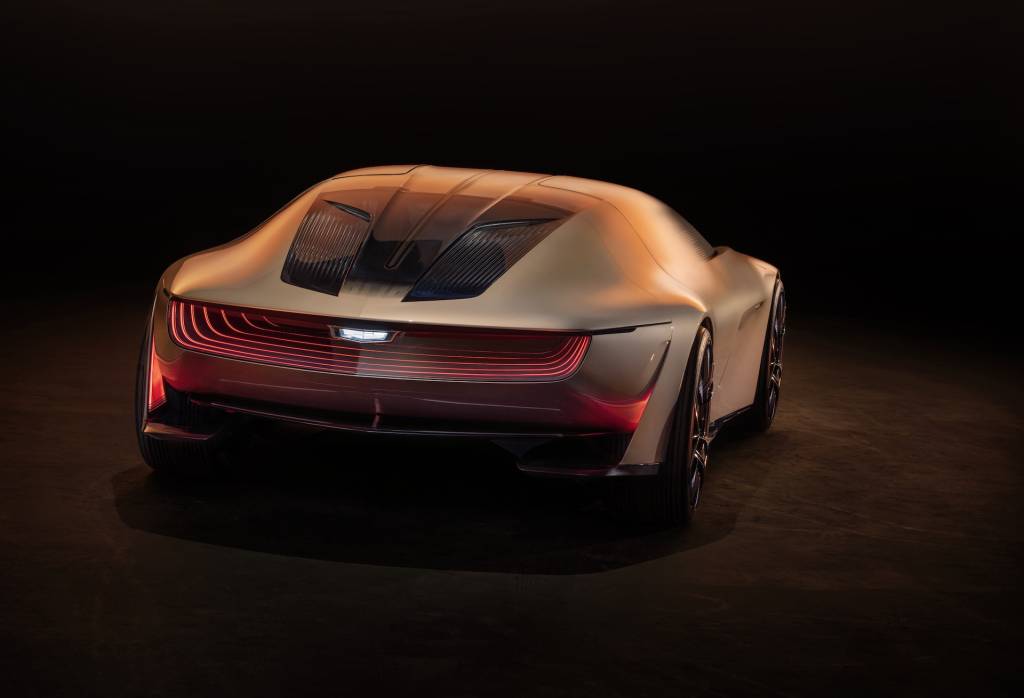
Design director Brian Nesbitt said the car represents “future electrification design expressions.” The car has a long, flowing profile, a low stance, self-opening butterfly doors that cover both seating rows, and sheet metal that looks like it’s draped over the body. The nose sports a pointed beak that sits above a slim grille and is flanked by Cadillac’s signature vertical light elements. The roof resolves into a straked rear window with something of a split-window design, and the rear end has a full-width pinstripe taillight design that kicks up at each end. Crystal fluting adorns the headlights, grille, and taillights. The body is painted a gold Gilded Pearl.
Cadillac Opulent Velocity Concept
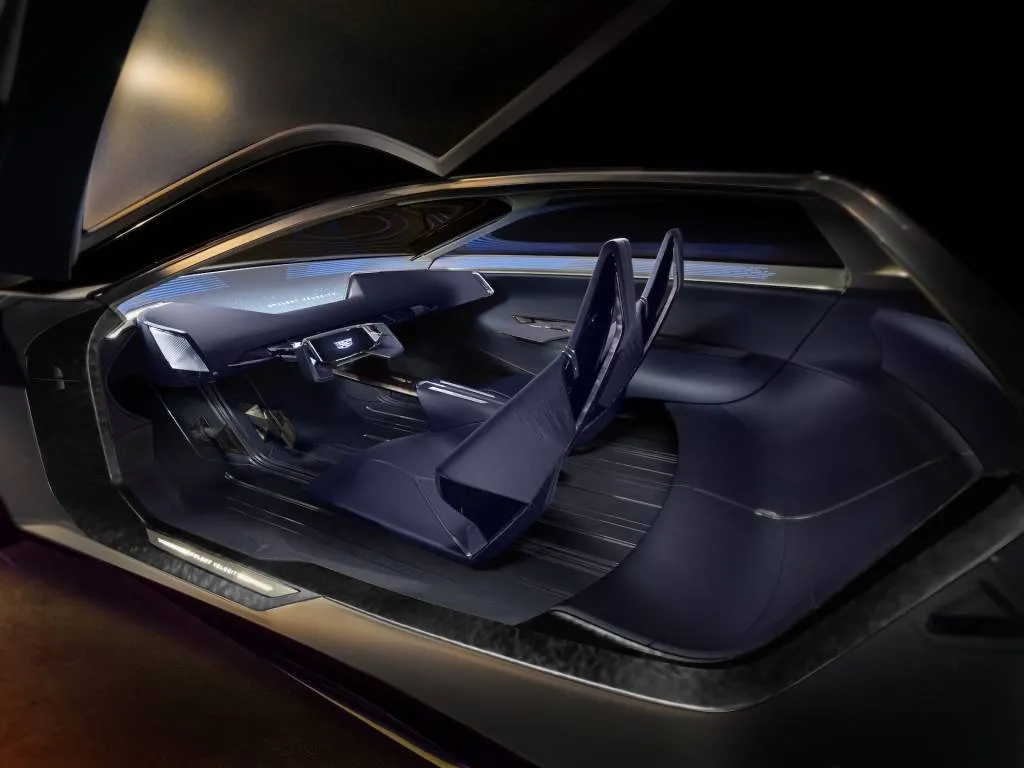
Inside, it’s all concept car, with slim bucket seats, a yoke-style steering wheel with an integrated screen, an augmented reality head-up display, and a widescreen display that Cadillac says is “3D information-enabled.” The cabin is upholstered in a color called Selene, a dark blue that is offset by metal brushed finishes. The cockpit also uses 3D printing technology and flax fibers under silver pearl flakes.
The concept would provide two types of driving experiences. The Opulent experience would be enabled by a Level 4 hands-free driving system that would work in certain areas and allow drivers to look away from the road and only take back control when prompted. The experience would also use art, entertainment, and lighting during hands-free driving to relax occupants. The steering wheel and pedals would retract in this mode.
The Velocity experience promises track-ready thrills inspired by the brand’s Blackwing models. It would use a “ghost car” function on the head-up display to show the racing line and help drivers improve their lap times like in various driving games. Cadillac says the mode would also provide road overlay and road condition information, and let drivers control the active aerodynamics and suspension damping.
Cadillac provided no information on those active aero features or what the powertrain or suspension would be. The brand only said the Opulent Velocity Concept would use an electric powertrain, likely with big power numbers.
The high-minded and expensive Celestiq indicates Cadillac could build a car like the Opulent Velocity Concept, possibly with its Ultium battery set. More likely, however, elements of the design will appear on a future Cadillac performance model.

Hyundai Mulls Extended-Range Electric Pickup After Cybertruck Teardown
- Hyundai reportedly tore down a Tesla Cybertruck at one of its research facilities in South Korea.
- The manufacturer wants to make a full-size electric pickup, which will probably be a range extender, according to one report from Korea.
- Kia could make its own version of the extended-range truck.
Hyundai has completely shifted its image in the last decade and a half, and it now makes cars that people want to buy not only because they are affordable. One area where it hasn’t had much success, though, is the U.S. pickup segment, where its only representative is the Hyundai Santa Cruz (pictured). It’s a pretty good truck, but it isn’t a hot seller, so the manufacturer will reportedly try again, hoping to hit higher sales numbers, this time with a larger and more powerful electric truck.
The unconfirmed news comes from Korea’s Naver News, which announced that Hyundai had torn down a Tesla Cybertruck, presumably to help it speed up the development process of its own entrant. The teardown started on July 13 at the Hyundai Namyang Research Center and was completed by July 28.
We don’t know Hyundai’s official plans since the manufacturer hasn’t made any announcements, but the source says its electric truck might be a range extender or at least come with an available extended-range powertrain. The manufacturer wants to sell 50,000 range extenders starting in 2029, and the new pickup might be the main driver to hit that target.

69
Kia has set the same EREV sales target, which suggests that it could make its own version of the pickup. Even though the Korean media doesn’t mention battery-electric versions of these trucks, they would probably be available since some buyers may not need the range extender. Kia announced in 2022 that it planned to produce two electric pickups but didn’t provide a time frame for their launch.
One of the new truck’s targets is to provide a range of over 250 miles (400 km) while towing 8,800 pounds (4,000 kg). We presume this goal is for the extended-range model because, with current battery technology, a pure BEV truck would need a huge battery pack to meet this.
These pickups are being designed to win over American truck buyers. We will likely see some features that seem heavily inspired by other successful trucks. Hyundai is looking at the three best-selling pickups on the market, trying to understand what makes them successful and distilling their essence into its own, hopefully, market-breaking model.
The Tesla Cybertruck was chosen for the teardown because it’s very popular right now, but it’s likely that other trucks were also dissected, which may have flown under the media’s radar.
Many truck owners in the U.S. like to tow, and if all the electric pickup towing tests have taught us anything, it’s that pulling something heavy saps range at an alarming rate. There’s nothing wrong with the pulling power offered by electric trucks, but a diesel makes a lot more sense when it comes to longer-distance towing jobs.
But an extended-range truck might be even better for towing. You get the benefit of the electric motors’ torque and pulling power, but instead of having to search for a charging station, stop, and wait for the truck to charge, you can simply pull into a gas station, fill up, and continue your journey. Another advantage is that while an EREV doesn’t have anywhere near the battery capacity of a full EV, it still offers plenty of emissions-free miles on a full charge.
Ram is working on the 1500 Ramcharger, which is currently the only extended-range truck that we know is coming. Its 92 kWh battery provides 141 miles of electric driving before the V6 generator starts up to replenish the pack.
The Ramcharger will have a combined range of 690 miles with a fully charged battery and a full tank. If Hyundai and Kia are working on range extender pickups aimed at the American market, they will surely keep a close eye on any Ramcharger news (since it’s not out yet, they can’t benchmark or tear one down).
Share this Story


2025 Lincoln Navigator preview
 What kind of vehicle is the 2025 Lincoln Navigator? What does it compare to? The Navigator luxury SUV rides on a full-size frame that’s a distant cousin to the Ford F-150 and a sibling to the Ford Expedition. Sold in Reserve and various Black Label trims, it’s a competitor for the Cadillac Escalade, GMC Yukon, and Jeep Grand Wagoneer…

Fastest charge? Zeekr claims 10-80% charge in 10.5 minutes
Chinese EV brand Zeekr claims new batteries debuting in its 007 electric sedan can support the world’s fastest charging rates.
These batteries allow vehicles to charge from 10% to 80% in as little as 10.5 minutes at normal temperatures, Zeekr announced this week. Even at temperatures as low as 14 degrees Fahrenheit, Zeekr claims a 10%-80% charge is still possible in 30 minutes thanks to an “enhanced battery management system.”
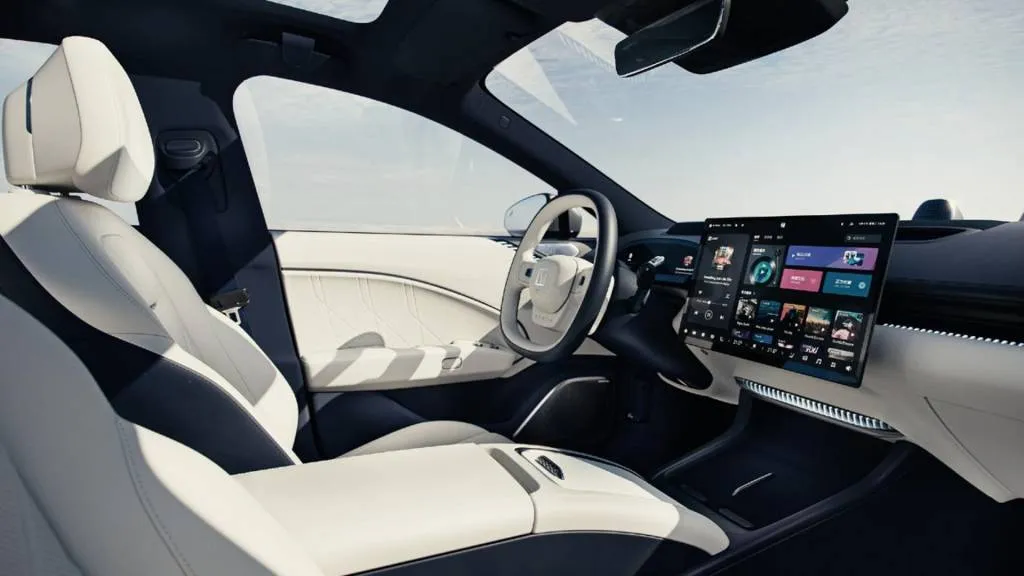
2024 Zeekr 007
Relatively few of today’s EVs can charge from 10%-80%—typically seen as the benchmark for road-trip EV charging—in less than 30 minutes under any conditions. The fastest-charging EVs sold in the U.S. can generally manage a 10%-80% charge in the 18-22 minute range.
The first model to get these new batteries and take advantage of the fastest charging rates is the Zeekr 007 sedan, which starts deliveries this month. It joins the 001 hatchback, 009 minivan, and Zeekr X crossover in the lineup of this relatively new brand from Chinese automotive conglomerate Geely, which is also the parent company of Volvo, Polestar, and Lotus.
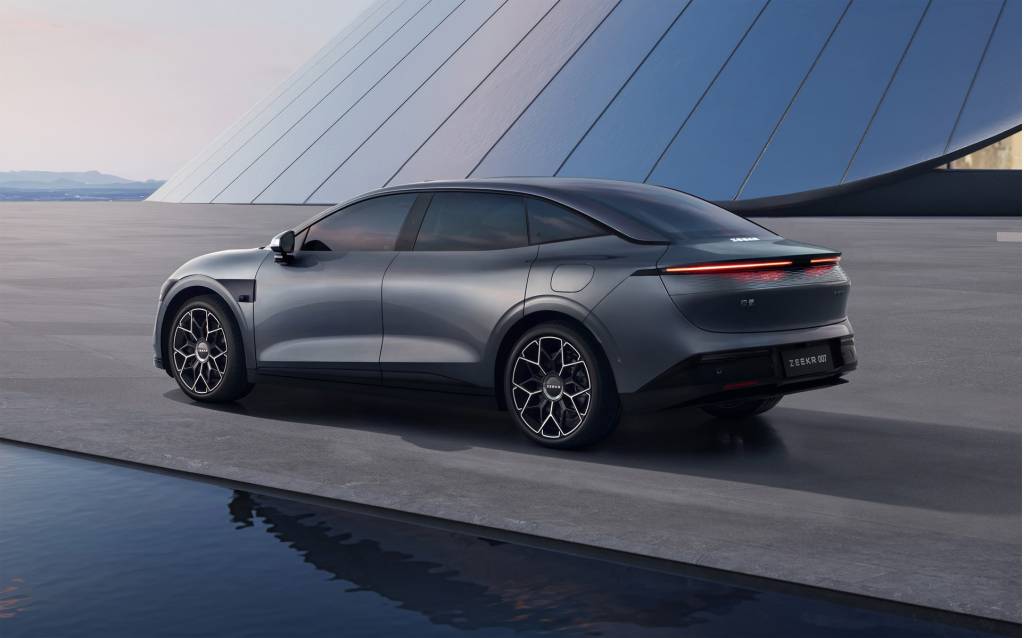
2024 Zeekr 007
Zeekr uses lithium iron phosphate (LFP) chemistry, which is commonly used in China but is also being adopted by U.S. automakers like Tesla and Ford. Zeekr claims “optimized materials and upgraded technology” helped it achieve this charging performance, but it’s not the only company making bold claims about LFP batteries. Chinese battery firm CATL in 2023 said its next-generation LFP batteries could add 250 miles of range in 10 minutes of charging.
The fastest charging battery also requires high-power charging stations. In the release, Zeekr said it had opened 500 fast-charging stations that can support 800-volt charging, totaling over 2,700 individual connectors, in its home market of China. The brand plans to expand the network to over 1,000 charging stations this year, and aims to have over 10,000 connectors in operation by 2026.

2025 Audi Q8 E-Tron
 What kind of vehicle is the 2025 Audi Q8 E-Tron? What does it compare to? The Q8 E-Tron and its sportier SQ8 E-Tron sibling are five-seat, all-electric crossovers that took the place of a model previously called E-Tron. They’re offered in both traditional SUV and sleeker Sportback styles, and they square off against the Mercedes-Benz EQE…

Ford Mustang four-door coupe, off-roader reportedly shown to dealers
 More evidence is mounting that Ford may be preparing new body styles for the Mustang lineup. Citing four people in attendance at a recent Ford dealer meet in Las Vegas, Automotive News (subscription required) reported on Thursday that Ford showed several new models at the event as renderings and mockups. Among the new models allegedly shown were a…

Editorial: Prioritizing flexibility could mean losing stability
If automakers don’t reassess their assembly plants over the next few years, underutilization could become another pain point of the EV transition.

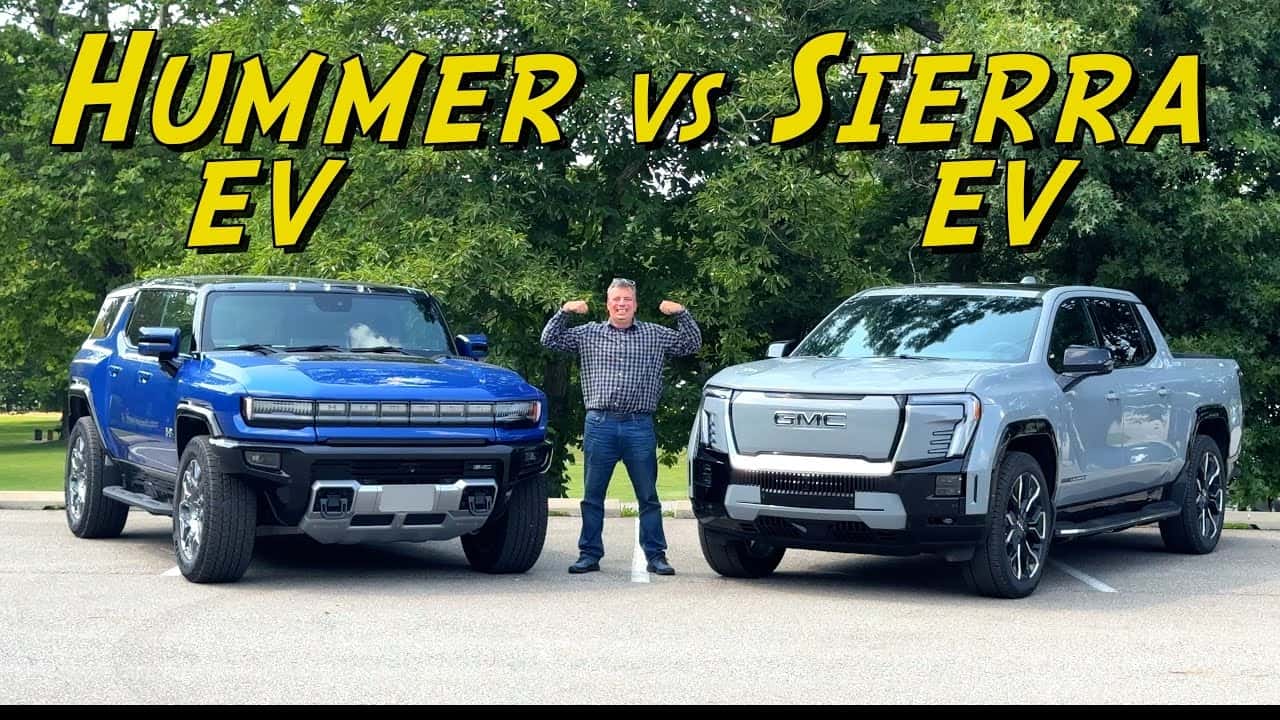
GMC Sierra EV Vs. Hummer EV: Same Platform, Totally Different Trucks
- The GMC Sierra EV and Hummer EV ride on the same platform, cost the same and are sold at the same dealers.
- But while the Hummer EV is an off-road-focused toy, the Sierra EV Denali is a more traditional luxury truck.
- The Sierra’s luxurious interior and smart features suggest it may be a bigger hit with traditional truck buyers.
General Motors’ pickup truck strategy has always been a bit confusing. The company has long offered the Chevrolet Silverado and GMC Sierra, both of which are more similar than they are different. Though GMC started by focusing on commercial trucks, the brand is now known for nicer, more luxurious trucks—”Truck Cadillac,” as some call it. But with the launch of the GMC Hummer EV, Chevy Silverado EV and GMC Sierra EV, GM now has three full-size EV trucks, two of which are GMC’s. So they all feel the same, right?
Not quite. According to TFLEV’s latest video, the two GMCs are more different than you’d expect.
It wouldn’t have been all that surprising if they weren’t. Though the top-end Denali trucks are often substantially different to their Chevy brethren, mid-range models of the Sierra or Yukon feel an awful lot like the Silverados and Tahoes they’re based on.

But at least they’re rarely sold side-by-side. GMC dealers tend to be connected to Cadillac and Buick stores, while Chevy dealers are there own thing. Now, though, with two niche EV pickup trucks sold at the same dealership, GMC has to draw a line. Especially because they both cost nearly the same amount of money: figure around $100,000 for each one.
According to Andre from TFL, the primary difference is that the Hummer EV feels more like a fun toy, while the GMC Sierra EV feels like the luxury truck you’d expect for its six-figure price. The Hummer is also sold as an SUV, which is what he has on hand here, but note that most of these observations apply to the longer Hummer EV pickup as well.
The Hummer’s playfulness starts with its removable top panels, allowing you to get an open-air experience in your 9,000-lb truck. It’s got a big, chunky interior design theme, which Andre says isn’t quite befitting its nearly six-figure price.
But it’s also got a full-size spare, meatier tires and a tri-motor powertrain that gives it finer control off road. You can tell it’s built for wheeling. That’s a fun, if limited use for an EV truck like this. While the Hummer is plenty capable, it’s also gigantic, making it tough to squeeze down most trails. Off-roading tends to happen far from DC fast chargers, too, something Rivian is trying to solve with its Adventure Network. Still, quiet off-roading is a joy, and it’s a fun way to show off how capable an EV truck can be.
Yet GMC knows where its bread gets buttered. Andre notes that the average transaction price of a Denali truck is $79,000, a figure that most luxury brands can’t match. GMC sells a ton of loaded-up luxury trucks, and that’s what it does best. Enter the Sierra EV Denali Edition One. Offered in only one trim and one color for now—Thunderstorm Gray—the Denali is, per GM, the ultimate truck. Not the ultimate electric truck, the ultimate truck.
The interior does a good job of communicating that mission. It’s a thoughtful mix of nice wood accents, tech-forward digital features and good-old-fashioned physical controls. With great software and tactile ways to control key functions, the Sierra shows off how much GMC knows about its truck buyers. It even marks the return of old-school GM truck features, like crotch vents and column shifters.
With 440 miles of range and 754 hp, it’s also a worker. GM says it can tow 10,000 lbs, though we’ve already seen videos of its brother, the Silverado EV, towing 11,000 lbs farther than any other EV truck. It can provide a whopping 10.2 kW of power to other devices, too, enough to charge up a stranded EV, run a construction site or keep your dryer running when the power goes out.
The removable roof panels on the Hummer EV definitely look fun.
It’s also got a pass through “mid-gate” into the cabin for long cargo, allowing you to haul 11-foot-long cargo, a giant frunk, rear-steering, “crab walk” functionality and more. It looks like a hell of a truck.
The question is whether it lives up to its ultimate truck mission. For that, you’ll have to wait until Patrick George’s first drive review drops next week.
Contact the author: mack.hogan@insideevs.com
Share this Story
Solera Auto Finance bought by managers, Obra Capital; now called Arra Finance
Solera Auto Finance’s leadership has purchased the lender in a management buyout with partner Obra Capital and renamed the company Arra Finance. It will write subprime auto loans at new- and used-car dealerships.