
Author: EVAI

Lab Eleven Porsche 911 restomod rolls into Jay Leno’s Garage
 From Singer to Kalmar, there’s no shortage of high-quality Porsche 911 restomods to choose from. Lab Eleven is yet another entry in this genre, and on a recent episode of “Jay Leno’s Garage,” Axel Weller, the company’s U.S. distributor, explained what makes these particular Porsches special. The car shown in this video—the only Lab Eleven…

Current EV battery chemistry maintains lead as research on improved formulations continues
But variations of a lithium iron phosphate chemistry could make up a third of the market by 2030, surging from less than 10 percent today, according to Boston Consulting Group.
Column: Signs of progress in America’s thousand-mile journey to electric vehicles
The industry will figure EVs out, but it will take time.

2026 Mercedes-Maybach SL 680 Monogram Series gilds the classic roadster
 The Mercedes-Maybach SL 680 Monogram Series to arrive in Red Ambience and White Ambience versions Maybach SL changes to a two-seater with a softer suspension tune Uses the 577-hp twin-turbo V-8 from the Mercedes AMG SL 63 The Mercedes SL convertible is coming in for the Maybach treatment. On Friday during Monterey Car Week, the German luxury brand…

Rimac Nevera R aims to carve the corners
 When Rimac revealed the Nevera in 2021, the Croatian brand intended the 1,914-hp electric hypercar to be a GT of sorts, with plenty of performance but also the comfort to drive thousands of miles. On Friday, Rimac unveiled the Nevera R, a “lighter, faster, and more focused” car aimed at carving corners. Rimac says R stands for radical, rebellious…

2024 Acura ZDX recalled for software that cuts braking power
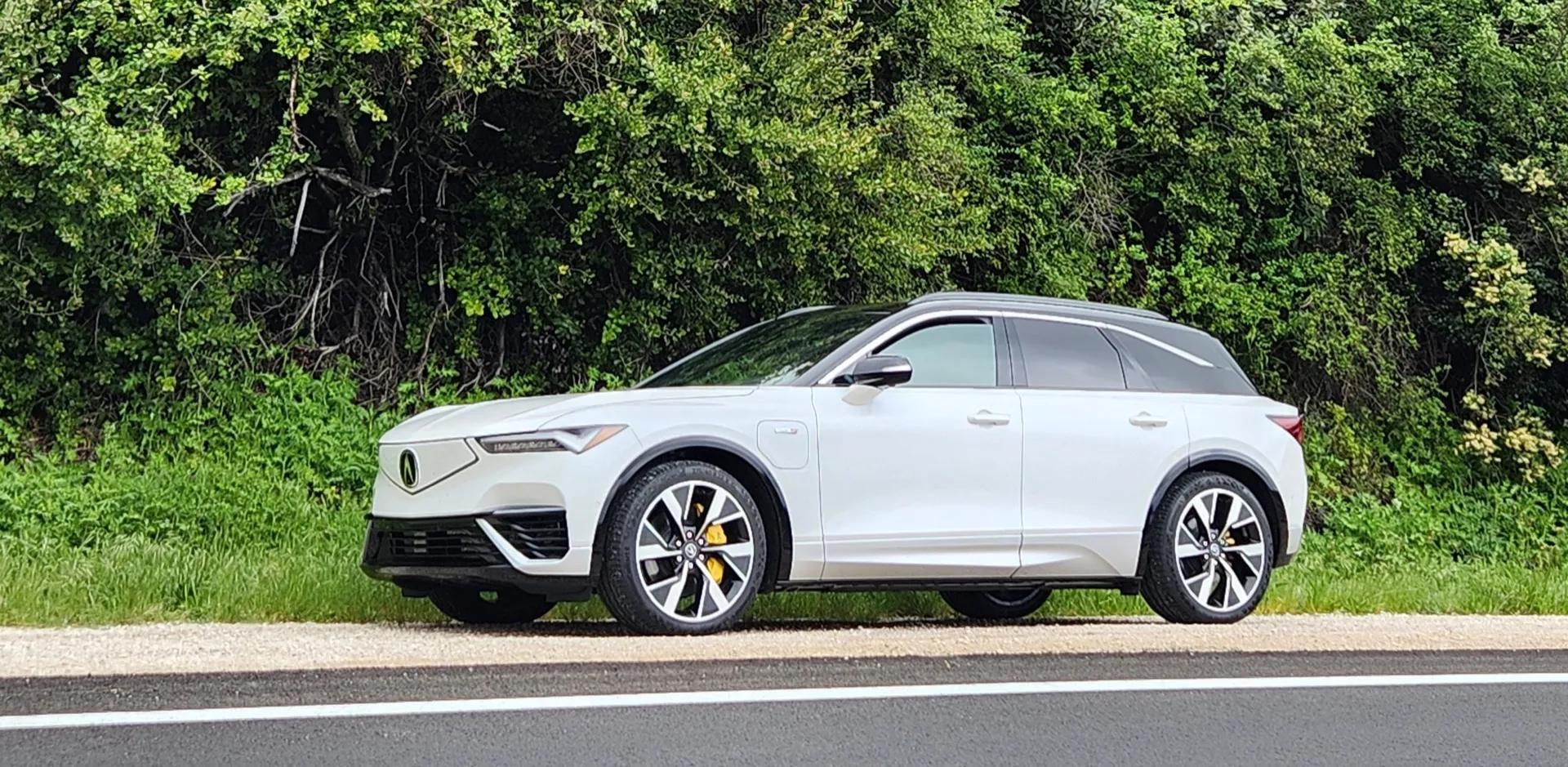
The 2024 Acura ZDX is being recalled for a software issue that can cause the anti-lock braking system to reduce stopping power at speeds under 25 mph, Acura announced Friday. The proposed remedy is easy enough: an over-the-air software update patched through at home that should take about five minutes. That means no trip to the dealer, unless you want help.
The software update to about 5,000 units of Acura’s first electric vehicle addresses a miscommunication between the electronic control module and the brakes. On flat, dry surfaces, and with the electric crossover traveling at less than 25 mph, the anti-lock braking system might continuously activate, and subsequently release braking pressure. Braking power can be reduced or fail altogether.
The remedy was patched through to owners today. After driving and shifting the EV to park, a prompt should appear on the 11.3-inch touchscreen to install an update. It can be done later by going to Settings>Updates>History. The caveat? The vehicle must be enrolled in OnStar, the GM telematics system that recently came under legal scrutiny for GM allegedly selling drivers’ data to insurers without drivers’ knowledge.
The 2024 Acura ZDX borrows many things from GM, including GM’s Ultium EV propulsion system used on the Cadillac Lyriq, Chevy Blazer EV, and Honda Prologue.
During the update, Acura says the ZDX won’t be operable and even the door locks and windows won’t work. If owners don’t want to do it themselves, they can visit an Acura dealer. For more info, visit contact Acura at 888-234-2138 or visit Acura’s recall hub.

993 Porsche 911 Speedster is latest Sonderwunsch one-off
 Porsche has reminded us that it’s not only new models that can be customized by its Sonderwunsch personalization program, but also classics. The automaker used the backdrop of 2024 Monterey Car Week currently underway in California to present a 993-generation Porsche 911 Speedster built for Luca Trazzi, an Italian industrial designer with a…

Learn these 8 basics about towing before hitching up
 Boats, jet skis, and ATVs: these fun machines won’t get to the lake or the trail on their own. How do they get there? Behind another vehicle, usually a pickup truck. Research has shown that three-quarters of all light-duty pickup owners actually put their trucks to work towing things. Of those, nearly a third tow more than just once a month…
Leo Michael cartoon: Apples and oranges
Average plant capacity utilization — or a plant’s actual production rate compared with its potential rate — is 70 percent in North America so far this year, according to GlobalData. That’s 10 points shy of the level most carmakers strive for. Capacity utilization will fall again starting next year and plunge to an average 65 percent in 2030 and 63 percent in 2035.
Coulter Motor Co. settles vehicle pricing add-ons case with FTC, Arizona for $2.6 million
The owner of dealerships Coulter Cadillac Tempe and Coulter Buick GMC Tempe and a former general manager of the stores have agreed to pay a combined $2.6 million to settle allegations of bait-and-switch advertising, price discrimination and improper add-on charges levied in a complaint from the Federal Trade Commission and Arizona Attorney General Kris Mayes.