Author: EVAI

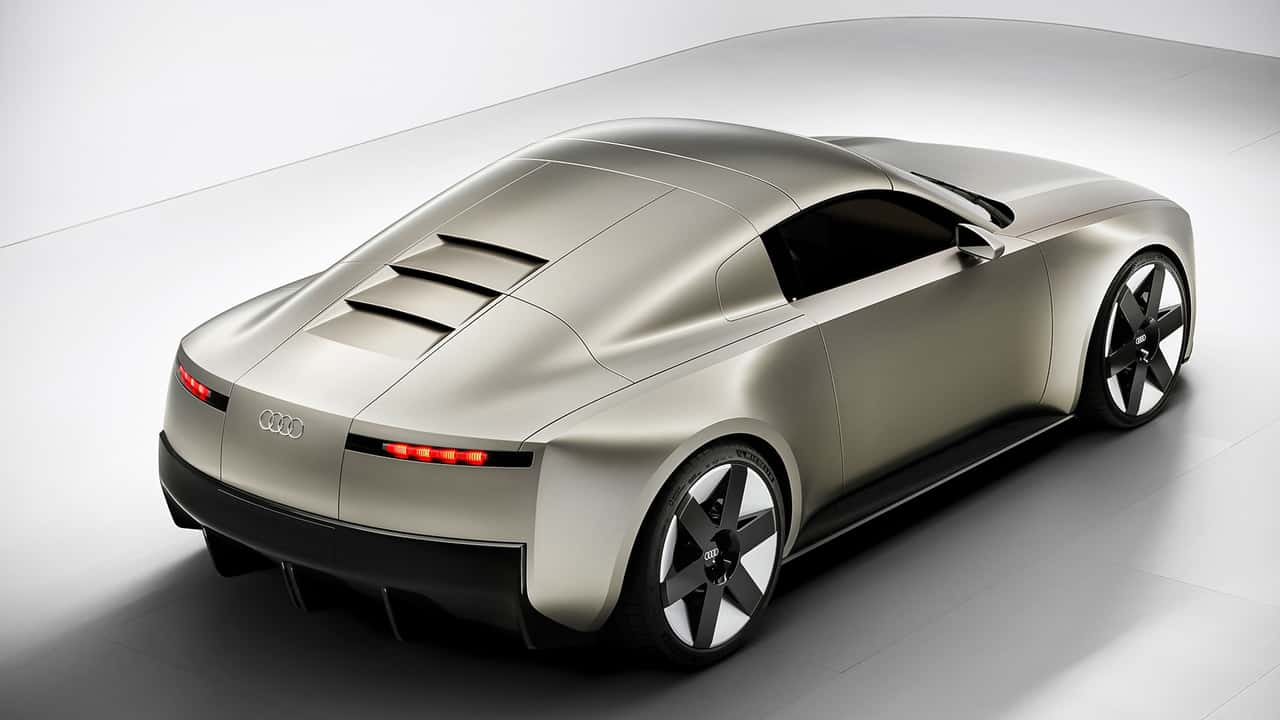
Audi Concept C Unveiled: Forget The New Tesla Roadster
Believed to preview an Audi counterpart to Porsche’s electric 718 Boxster and Cayman, this concept shows that Audi design is back, baby.

Tesla Model Y: Is It Still The Best EV For Most People In 2025?
This phenomenon has kind of tapered off in recent months, but for a while there, I couldn’t go a single week without getting about a bunch of emails from Tesla owners seeking advice on how to dump their vehicles.
The issue wasn’t even with the cars themselves. Most Tesla owners I spoke to really love their electric vehicles. The problem, you see, was the man up top: CEO Elon Musk. His various antics had Tesla owners everywhere scrambling to move to something electric from a different, and less controversial, brand. And most of those people were driving a Tesla Model Y, which makes sense, since it is the best-selling EV of all time.
The good news for those people was that their choices for Tesla alternatives are now better than ever. There’s the Ford Mustang Mach-E, the Hyundai Ioniq 5, the Kia EV6, and the value-packed Chevrolet Equinox EV, just to name a few of the top of my head.
Much to their consternation, however, there are still ways the Model Y runs circles around everything else. Yes, even now. And that’s especially true with the Model Y’s Juniper update—the car you see tested here in this video.

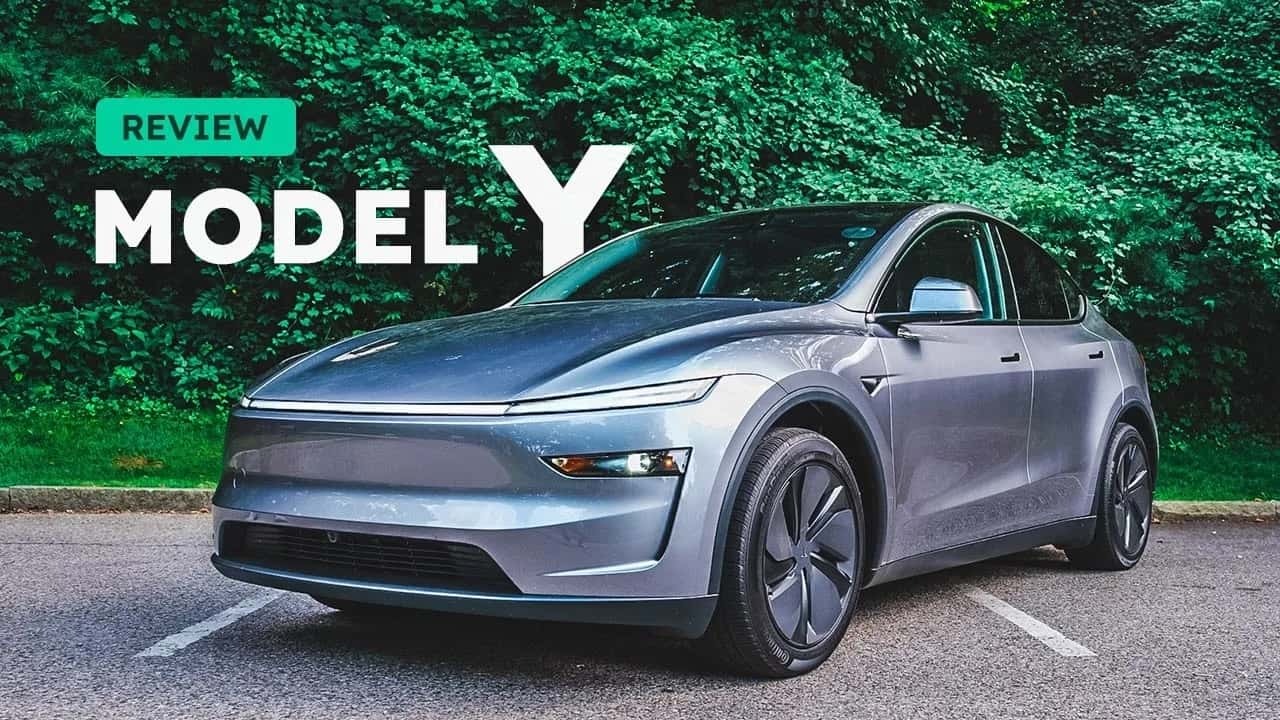
2026 Tesla Model Y Juniper
Photo by: Patrick George
Since Tesla does not do press loaners like other automakers do, I rented this Model Y off Turo for a week. It’s a Long Range, Dual-Motor All-Wheel-Drive model, the one packing a 75-kilowatt-hour battery and good for an EPA-rated 329 miles of range. And thanks to a raft of improvements inside and out, the Model Y is now a significantly better car than it’s ever been—one with a nicer interior, better technology, more overall comfort, more range, more striking looks, and packing the best adaptive high beams I have ever tested in my career. All that and a bag of chips for around $45,000, before any incentives or tax breaks, as long as those last.
As you’ll see in the video above, the Model Y remains the total package EV. Maybe it’s not the fastest-charging EV these days. Nor is it the fastest, period. And there are many areas where rivals are beginning to outpace it, if they have not already. But can you find all of those things rolled into one car that’s as good as this one, at this price point? The answer is not really.
2026 Tesla Model Y Juniper
Photo by: Patrick George
You can say what you want about the guy up top, or the Tesla brand in general, or how it’s settled into a kind of Apple-like groove and doesn’t really seem to be innovating in terms of the EVs themselves, the way that it used to. But none of that changes the fact that the Tesla Model Y is an outstanding buy, and still quite possibly the best EV for most people.
Check out our video review up top and let us know what you think in the comments.
Contact the author: patrick.george@insideevs.com
Click here to see all articles with lists of the best EVs
Share this Story

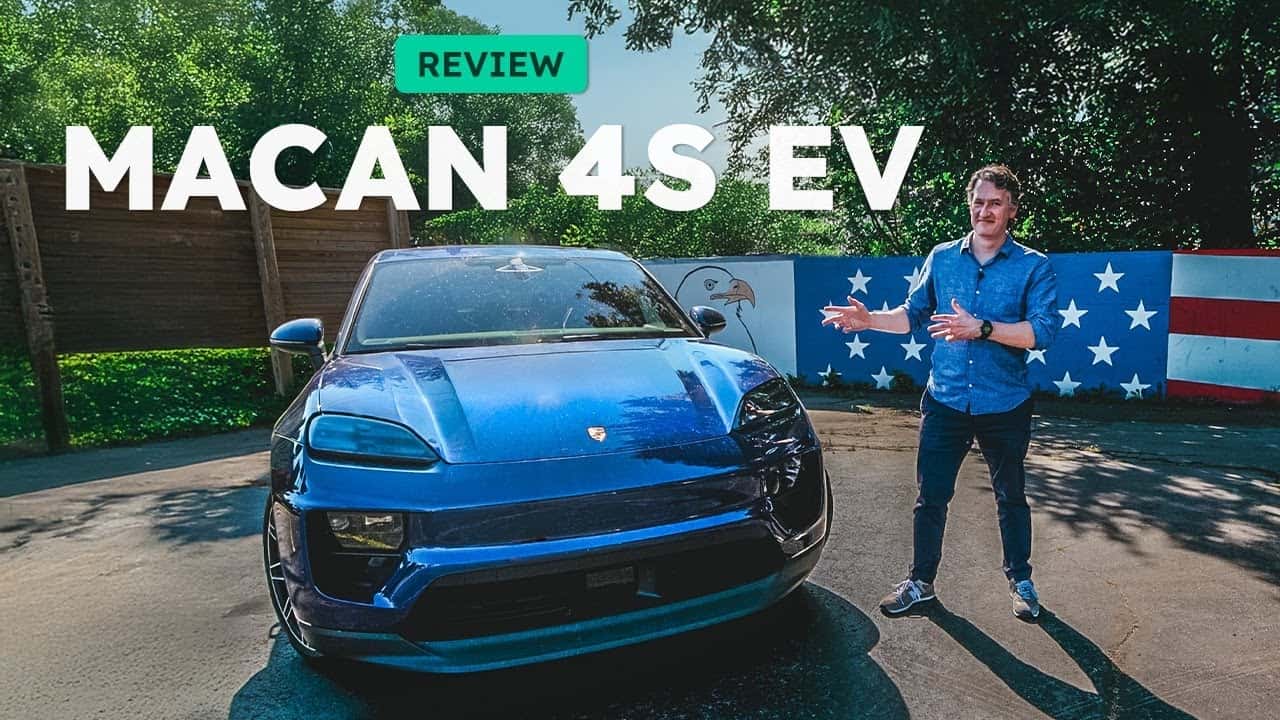
The Electric Porsche Macan EV Gets Many Things Right
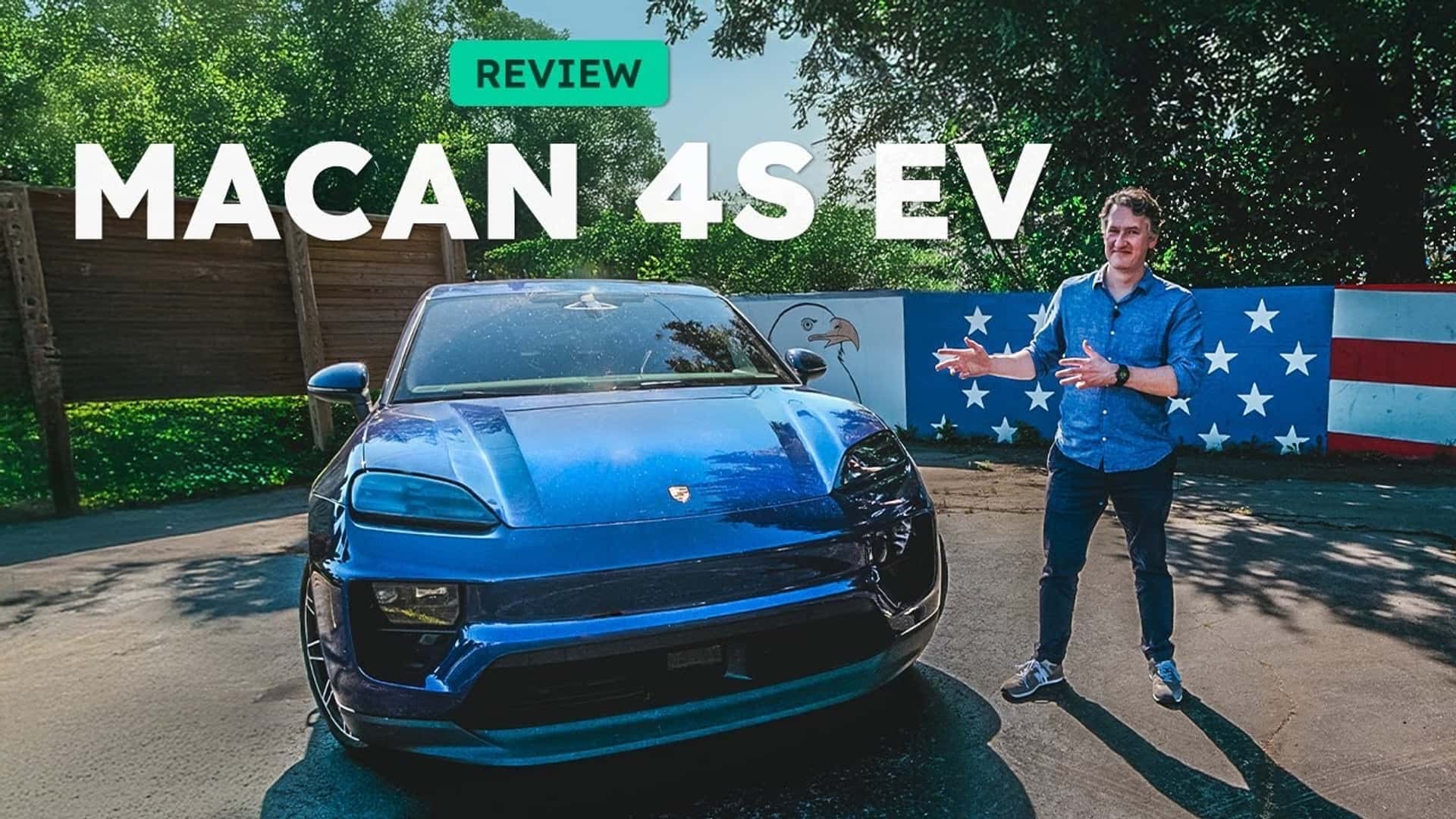
- InsideEVs Editor-in-Chief Patrick George drives the electric Porsche Macan 4.
- The electric Macan is not mechanically related to the gas-burning car and is quite a bit more expensive.
- It’s not perfect, but it’s a great overall package that shows Porsche has learned a lot from building the Taycan.
You see a lot of Porsche Macans around the world, driven by people with expensive sunglasses and designer handbags. It is the cheapest way to enter the Porsche universe, and it blends excellent road manners with style and practicality, making it a global favorite.
But now that the combustion engine Macan is being phased out and replaced by a considerably more expensive pure electric model, does it have what it takes to maintain its popularity? Both flavors of Macan are still on sale today, and so far this year, and it’s the electric model that has proven more popular, even despite going electric (and potentially alienating part of its buyer pool) and hiking the price.
Even though the electric Macan is proving successful, Porsche isn’t taking any chances and has confirmed that it’s working on a new midsize combustion crossover. It will arrive in 2028, and it won’t be called Macan.
While the Macan EV is more expensive than the ICE model, it’s also a better, more grown-up vehicle. The two are not mechanically related and the electric model rides on the VW Group’s Premium Platform Electric (PPE), which also underpins a couple of Audis. Thanks to this platform, it has a big 100-kilowatt-hour battery pack and offers big luxury car features such as rear-wheel steering.
This isn’t the first time we’ve tried the Macan, but now InsideEVs Editor-in-Chief Patrick George has spent more time with the car and had mostly positive things to say about it. His tester was a Macan 4 with a dual-motor powertrain providing 402 horsepower and 479 lb-ft of torque. That’s enough to send the Macan EV to 60 mph in 4.9 seconds and up to a top speed of 137 mph.
The Macan 4 has an EPA range rating of 308 miles, but that goes down to around if you get the larger RS spider-design 22-inch wheels like the ones on Patrick’s tester. Interestingly, when Out of Spec Reviews drove a Macan Turbo at 70 mph, it actually exceeded its 288-mile EPA claim by 2 miles on 22-inch wheels. Tom Moloughney got 343 miles in the base rear-wheel-drive Macan on 20-inch aero wheels, surpassing its 315-mile EPA range prediction by almost 10%.
With a starting price of $81,600, the all-wheel-drive Macan 4 is definitely expensive. Patrick’s tester had some options, so it cost $94,855, which is a lot for a Macan, no matter what powers it. Patrick missed one-pedal driving, which the Macan doesn’t really offer, and it could also do with a bit more drama when you’re going fast in one. But overall it works really well, it’s practical, it’s well built and it’s just a cohesive package. It really shows Porsche has gained experience making EVs, and in many areas, it feels like an improvement over the Taycan.
Click here to see all articles with lists of the best EVs
Share this Story

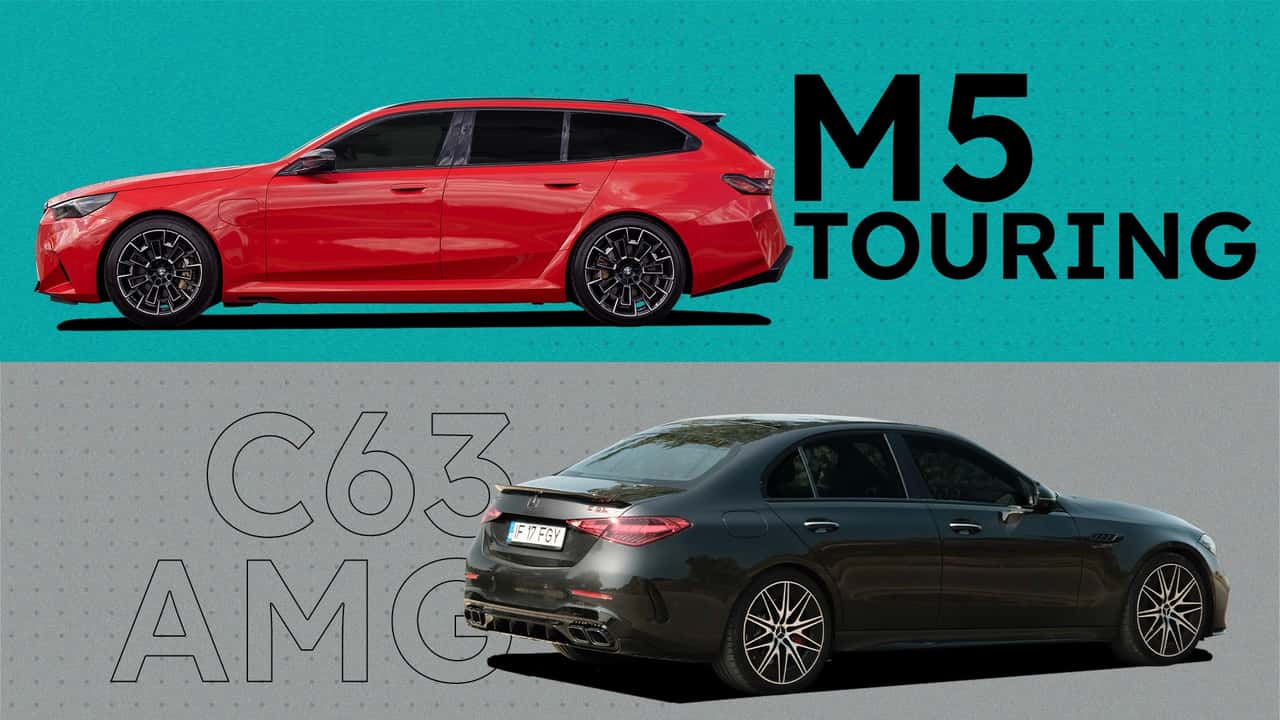
I Drove Two Of The Fastest Plug-In Hybrids. My Favorite Will Surprise You
Carmakers are now stuffing big batteries into their loudest and proudest performance flagships—the cars in their lineup that typically have the highest emissions—and it has created a crop of cars that are quite odd. They are absurdly quick in a straight line and can take you dozens of miles on electricity, but the heavy hybrids start to fall apart when you try to throw them into a corner like their non-electrified predecessors.
This became apparent after driving the new G99 BMW M5 Touring and then jumping into a Mercedes-AMG C63s E-Performance. One has a big V-8 complemented by a big battery that gives it dozens of miles of electric range, while the other has a small four-cylinder, with a smaller battery whose purpose is mainly to increase performance. Two very different approaches that at launch drew a lot of critcism from fans and keen drivers, but for different reasons.

Photo by: Andrei Nedelea
Photo by: Andrei Nedelea
The new BMW M5 feels even more gutsy than its claimed 717 horsepower output would suggest. It’s not surprising that one dyno test revealed that it was pushing almost 700 hp to the wheels, meaning the real output is probably closer to 800 hp. It pins you to your seat with its alarming pace, whether from a standing or a rolling start. There’s nothing quite like feeling the shove of a 4.4-liter twin-turbocharged V-8 engine with 737 pound-feet (1,000 Nm) of torque.
The M5’s powertrain is unequivocally brilliant. Part of that comes down to the fact that it’s also pretty great to drive without firing up the V-8. With 197 hp and 206 lb-ft (280 Nm) of torque, the electric motor, which lives inside the eight-speed automatic gearbox, is more than capable of moving the M5 on its own. Even in my hefty, 5,456-pound (2,475 kg) Touring Model, the M5 felt brisk in EV mode.
The M5 provides around 35 miles of pure electric driving.
Photo by: Andrei Nedelea
I found myself enjoying driving the M5 most in EV mode, surprisingly. It pipes in a subtle, fun acceleration sound through the speakers. It also shifts up through the gears when the V-8 is off and you feel the shifts, although you can’t control them yourself in EV mode. The electric motor sends its power to all four wheels, meaning that even driving in EV mode in winter or low-grip conditions, you know you can rely on the all-wheel drive system’s reassuring extra traction. It’s a great around-town electric experience no matter the weather.
After driving the M5 Touring and putting a few hundred miles on it, I kind of wished I was driving the pure electric i5 Touring M60 instead, a thought I never expected. The new M5 is the first BMW M that I didn’t instantly covet after driving. Because it’s so heavy (heavier than the i5), BMW has had to tune the suspension to cope with the mass, and it results in a weirdly inconsistent ride quality. It can’t decide if it’s a Maybach or a pogo stick and you never know which of those extremes you’ll get.
Mid-corner bumps also unsettle the car, often alarmingly, and you feel the transfer of forces from one side to the other as you thread the car around a twisty road. All this mass makes the M5 feel like an athlete trying to run with ankle weights on. There’s an uncomfortable amount of inertia trying to pull the car straight into understeer when you drive it spiritedly.
Then I jumped into the still heavy but far more agile Mercedes-AMG C63 PHEV, and it really put the M5’s mass into perspective..
I know it’s one size class below the M5, so it’s not a direct and totally fair comparison, but I would honestly pick the C63. Yes, it only has four cylinders, which is half of what the BMW has, and a few dozen fewer horsepower. But it feels more special to drive. And while its engine may only be a 2.0-liter, it’s an actual AMG engine hand-assembled by someone who puts their name and signature on it.
Photo by: Andrei Nedelea
The signed plaque is proudly displayed when you pop the hood, and you also get to see the big turbo and electric supercharger setup sitting to the side of the engine. This was a more impressive sight than what I saw when lifting the hood on the M5, whose clever hot-V twin-turbo setup is hidden by an underwhelming plastic engine cover.
The M139 engine is borrowed from the hottest versions of Mercedes-AMG’s compact offerings, like the CLA 45. It makes well over 400 horsepower on its own, and together with the electric motor, puts out 670 hp and 752 lb-ft (1,020 Nm) in the C63. That’s more torque than the BMW in a car that’s about 880 pounds (400 kg) lighter, and you can really feel it.
Photo by: Andrei Nedelea
The force that acts on your body when you do a Race Start in the C63 is unlike anything I’ve ever felt in a combustion car. It definitely feels faster than the BMW, even though on paper, they are fairly evenly matched. Just like the BMW, the Mercedes feels quicker than the numbers suggest, but by an even greater margin. It’s shockingly quick off the line, thanks to all that torque and its all-wheel drive that does a fantastic job of putting the power to the ground.
There’s also an electric supercharger working to build boost quickly and minimize lag. The powertrain is really responsive, and the surge you feel from the combined torque of the electric motor and gas mill is really something. It doesn’t sound as bad as some have said, even if you disable the piped-in enhanced engine sound. You still hear the exhaust, which is characterful, and you get to hear the turbo build pressure and release it, which, for me, added to the fun.
It’s also much more enjoyable through the corners than the M5. It doesn’t feel like the C63s of old, which were always all too eager to turn their rear tires into shreds and smoke. The new model feels like a track car, focused on delivering the best possible corner exit with minimal drama.
Photo by: Andrei Nedelea
Sure, the C-Class on which the C63 is based is smaller and lighter than the G61 5 Series Touring that serves as the basis for the M5. However, there isn’t an E63 that we can compare it to (yet), and the E53 plug-in hybrid that I have driven is not in the same performance league as the M5 and C63, even though its widebody treatment suggests it would be.
Mercedes could have ended up with a PHEV that was nearly as heavy as the Bimmer, but it intentionally designed a lighter system. Unlike the M5 and E53, which have a similar battery and motor configuration as lesser PHEV versions of each model, the C63 gets a smaller, bespoke setup. Its electric motor isn’t located in the gearbox but integrated into the rear axle, and its main purpose isn’t to drive the car around in EV mode (even though it can do that for around 5 miles). It’s there simply to boost performance, which it does in spades.
Photo by: Andrei Nedelea
Mercedes’ real genius move with the C63 was giving it a smaller battery. While the M5 has a 22.1-kilowatt-hour battery, which is largely to blame for its heft, the C63’s battery only has a capacity of 6.1 kWh. That’s small by PHEV standards, but it does the job, and that job is mostly regulatory—it needs to do well in lab testing to please the European Union’s increasingly stringent emissions standards.
The heavier, more powerful of the two, the BMW, gets a WLTP efficiency rating of between 1.6 and 1.7 liters/100 km, or almost 150 mpg. However, that’s only if you keep the battery topped up, which many PHEV drivers don’t, which is why the M5’s EPA combined rating of 13 mpg (18 l/100 km) is much closer to what it actually returns in normal driving.
The C63 doesn’t get a comparable efficiency rating in Europe, with a claimed average of 6.9 l/100 km or 34 mpg. You will have to be extremely gentle with the throttle to come anywhere near that, but it is achievable, even with a drained battery. Driving it like I did the BMW to enjoy the car rather than save fuel, it ended up returning around 15 mpg, which is still excellent given the ludicrous acceleration that it can provide. The EPA rates the C63 at 20 mpg with a depleted battery, which is definitely achievable without trying to drive especially efficiently.
16
Source: Andrei Nedelea
Look, we’re InsideEVs—we love electrons. But in performance cars, more battery isn’t always the way to go. The people who buy these cars can afford to fuel them up, and the advertised and often unrealistic efficiency numbers are not a key selling point for someone looking for a C63 or an M5. Plus, performance cars are a tiny subset of overall vehicle sales, accounting for a tiny fraction of overall emissions. We can electrify mass-market cars today, which would pay far greater dividends. But as the M5 proves, if you want the best possible driving experience, a giant battery can get in the way.
Even though Mercedes is accused of doing it wrong, I think it has the right approach to making a performance PHEV. The C63 is a better driver’s car than the M5, which is just too heavy to be fun. The C63 is still heavier than it would have been had Mercedes stuck to a V-8 without electrification, but for a PHEV, it’s still an excellent and exciting driving experience. It feels more special than the M5, even with half the cylinders.
There should be a clear distinction between electrified cars designed for efficiency and those where electrification is meant to enhance performance. Some great performance PHEVs include the second-generation Acura NSX, the Corvette E-Ray, the Ferrari 296 GTB or the new Lamborghini Temerario. Sure, electrification does enhance efficiency to a degree in any application, but making a PHEV too heavy by giving it too big a battery can make it less efficient than the same car powered solely by combustion.
14
Source: Andrei Nedelea
What Mercedes-AMG did with the C63 PHEV is closer to Ferrari’s plug-in hybrids, where efficiency is never the key point of focus. The battery doesn’t have to be huge, and in cars like the Ferrari SF90 and 296 GTB, it’s under 8 kWh, which doesn’t overburden the chassis and keeps these cars’ handling pure. Getting a few miles of electric driving is a bonus, but the main point of the electrification remains performance.
The only catch is that if the battery runs low, the engine turns into a hamster wheel, sapping power to make electricity to replenish the pack. Unless you’re doing several laps of the Nurburgring, that likely won’t matter. I drove the C63 quite hard around a twisty road for over half an hour, and it still showed around 33% battery remaining. Maybe if you take it on a track where you keep the throttle pinned for longer, you will feel the performance loss, but in my experience, there was none.
Click here to see all articles with lists of the best EVs
Share this Story

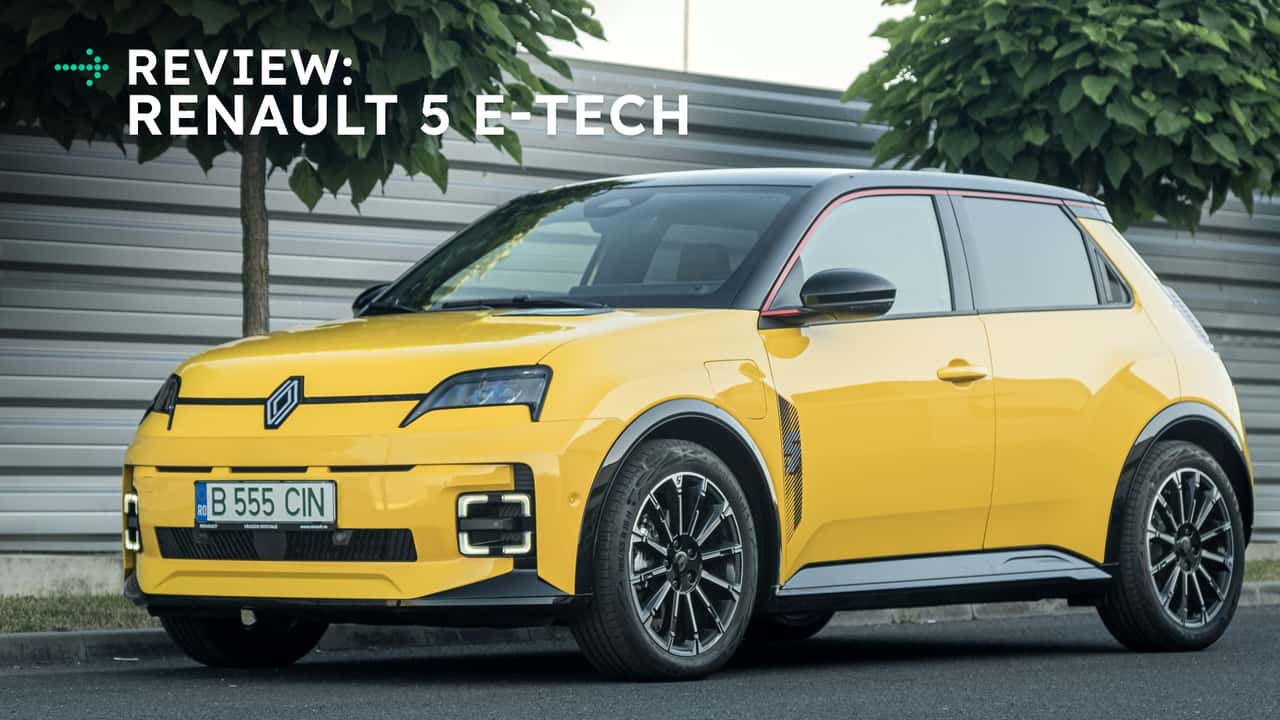
Driving The Renault 5 E-Tech EV Gave Me Hope
The way it looks is reason enough to buy the Renault 5 E-Tech. It looks like the result of tossing several classic Renault hatchbacks into a blender with some sci-fi gravy. It somehow ends up being a really tasty combo, but what clinched it for me was that it drives with enough poise and gusto to challenge a Mini Cooper E.
It strikes a better balance between sporty handling and comfort than the new Chinese-built Mini J01, which feels too stiff in comparison. Like the Mini, the R5 has a multilink independent rear suspension setup, which you rarely see in this segment of the market, making it feel surprisingly sophisticated as it glides over road imperfections. Oh, how very French of it.

Photo by: Andrei Nedelea
This is one of the few electric cars that should come close to matching its WLTP range thanks to its consistently impressive efficiency, even when you’re not trying to save electrons. It’s nice to look at, pleasant to travel in, and the user experience is especially impressive.
It’s not perfect, though, since the version you want, with the more powerful motor and bigger battery, is not cheap, and there’s no room for a rear passenger sitting behind taller drivers. But if you accept that it’s pitched as a somewhat premium product (hence the price) and keep the hauling of big groups to a minimum, it all starts to make sense.
EV Range
255 miles WLTP
As-Tested Price
€35,500
Base Price
€24,900
Battery
52 kWh
Drive Type
FWD
Output
147 bhp
Maximum torque
180 lb-ft
Speed 0-62 MPH
8 seconds
Maximum speed
93 mph
Charge Time
10-80% ~ 35 min
Charge Type
CCS @ 100 kW
Tron Meets Baguette
Photo by: Andrei Nedelea
Few cars blend retro design cues into a fresh, cohesive and modern look quite like the Renault 5. It’s like something you would see in a sci-fi movie with its holographic-looking, squared-off daytime running lights and matching squares in the headlight glass.
One of my favorite details is the 5 on the left side of the hood, which mimics the placement of an actual vent in the classic Renault 5, which was sold as the LeCar in the United States. The 5 even lights up in higher-spec versions like my tester, where it also acts as a battery meter to tell you the state of charge from a distance.
It also plays a cool animation when the car unlocks, and it makes you feel pretty special. It may seem trivial, but the light-up 5 is a must-have option for this car. I also really like the design of the rear lights, which, just like in the classic 5, run up the C-pillar. They have a cool 3D effect and built-in fake vents, which are meant to resemble the ones on the mid-engined Renault 5 Turbo rally homologation special. The Turbo is coming back with electric power, featuring in-wheel electric motors.
Photo by: Andrei Nedelea
Photo by: Andrei Nedelea
There are plenty of cool details all around the vehicle, and they all blend really well with the overall design. Nothing feels forced or like an afterthought on this.
Wheel design isn’t something I normally feel the need to mention in a review, but I have to because all the available options for the Renault 5 are fantastic. Even the base model’s hubcaps have aesthetic appeal, likely also helped by the fact that all wheel choices are quite big for a car this size at 18 inches—even the steelies.
An ‘80s Arcade Machine That You Can Sit In
Photo by: Andrei Nedelea
The interior perfectly matches the exterior for style, with the same kind of retro-futuristic approach. This is the first car I’ve been in recently where thick bezels around the displays look like a smart design choice and not the result of the manufacturer installing screens smaller than they should be and trying to make them look big.
The top of the gear selector is translucent and has the Renault logo inside, which looks really fancy. Putting it in gear and using any of the stalks, I was impressed by how solid, damped and expensive they felt. The steering wheel looks great and is fantastic to hold on to. It’s probably one of my favorite helms in a modern car.
The seats also deserve a mention. They’re trimmed in something that feels like denim with a mustard yellow color that seems ripped out of a 1970s design magazine. The chairs themselves are soft, supportive and utterly French in the best possible way. They look fantastic and appear modeled after the Turbo 2 seats.
Photo by: Andrei Nedelea
Photo by: Andrei Nedelea
Photo by: Andrei Nedelea
This is also the first modern car where thick bezels around the screens didn’t make it look cheap. Quite the opposite, actually. The driver gets a 10.1-inch display behind the steering wheel, while there’s another 10-inch screen in the middle handling infotainment. It’s among the best I’ve ever used in a car. We’ll get to that shortly.
The user experience inside the R5 is also really good, thanks to a brand-new infotainment operating system built around Android Automotive. I’ve met actual people less responsive than its artificial intelligence-powered digital assistants. Chatting to the bot is surprisingly natural, making asking it questions a lot less awkward than in other cars.
As much as I loved the R5’s interior, it’s not quite perfect. While I praised the overall build quality, there were a couple of spots where the plastic panels didn’t join together perfectly, and the ergonomics are a bit odd, too. To the right of the steering wheel, you have three stalks. One handles the transmission, another the wipers and that’s just too much to remember the position of on one side of the wheel.
Photo by: Andrei Nedelea
There’s also no ‘Park’ position for the transmission, so when you want to stop, you put the car in neutral and then extend your arm all the way to the nether reaches of the dashboard to pull the parking brake button. Then again, a French car without a little weirdness would be an incomplete product.
But another issue I have with the R5 is the shameful lack of rear legroom. With the driver’s seat set for a six-footer like myself, there is no room for a full-size adult to sit behind the driver. There’s just no space for their feet, which makes the car more of a 3+1 rather than a true four-seater. This doesn’t make me like it less, since it’s about the same as a Mini J01, but it could have been a bit better. Maybe Renault could have sacrificed some trunk space for a bit of extra rear leg and foot room.
Corners Like It Means It, But Softly
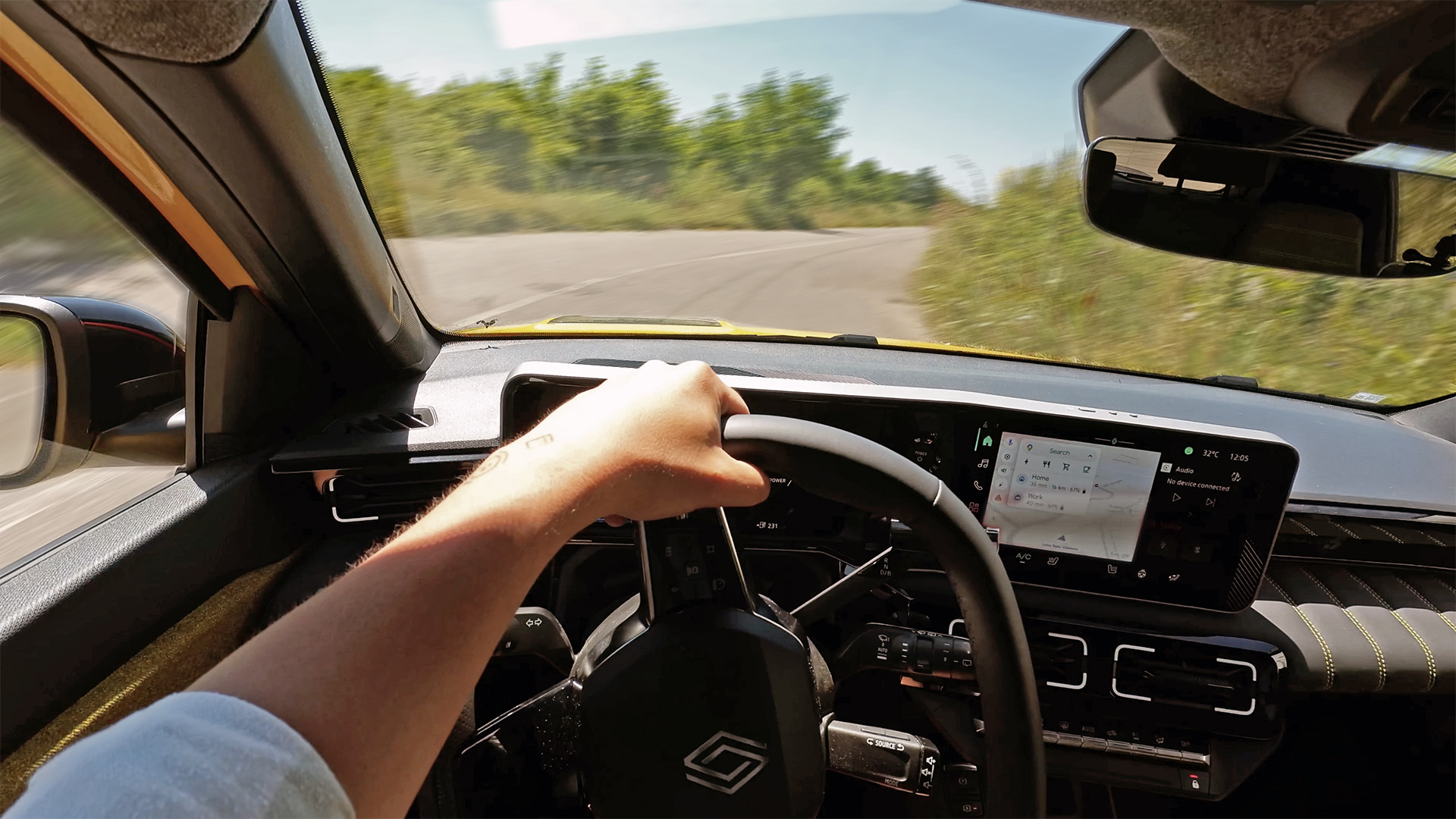
Photo by: Andrei Nedelea
What really won me over is how it drives. The steering is sharp without being twitchy, and when you tip it into a corner, it weights up nicely and gives you a lot of confidence. That may seem secondary for a car that will spend most of its time sitting bumper-to-bumper in a crowded city. But it is this responsiveness that made me (and many others) like old Renault Clios, so I was very happy to see this character transferred to the new EV.
The well-judged suspension also deserves a mention. It’s a bit softer than in the Mini J01, but it’s all the better for it, since it has a smoother ride over uneven roads. The multilink rear suspension really helps when going over big imperfections or over the wildly inconsistent tram tracks that we have here in Bucharest. Almost no subcompact cars these days have independent rear suspension—it’s kind of a premium feature—making it clear what Renault is aiming for with the R5.
Taking it out on some more windy country roads, the R5 never felt flustered. Carry a bit too much speed into a corner, lift off just before hitting the apex and you feel it rotating around you, like a proper hot hatch should. This isn’t just competent. It’s fun, and I can’t say that about too many EVs in its price, power and size bracket.
Photo by: Andrei Nedelea
My tester had the beefier motor. It delivers 148 horsepower and 180 pound-feet (245 Nm) of torque to the front wheels, allowing for a respectable time to 62 mph (100 km/h) of 8 seconds. It’s not as punchy as the Mini Cooper SE that I keep comparing it to, but it’s zippy enough, and flooring it out of a roundabout chirps the tires before the nannies rein in the excess power.
There is no acceleration sound coming through the speakers in the R5. Just silent thrust. In this regard, it’s like a Tesla and not like other electric (hot) hatchbacks. The Abarth 500e comes to mind, which tries to imitate a turbocharged four-cylinder both inside and out. After experiencing the Mercedes-AMG C590 prototype with its expertly done pretend V-8, I’m a bit partial to having an acceleration sound in an EV, but I also don’t mind its absence.
Plug In, Make Tea
Photo by: Andrei Nedelea
With the larger 52-kilowatt-hour “Comfort Range” battery, my tester is officially rated at up to 256 miles (412 kilometers) on one charge. When I picked the car up from Renault Romania, it was fully charged and had a maximum range estimate of 246 miles (396 km) with an average electricity consumption of 4.28 miles/kWh (14.5 kWh/100 km), which almost matched its WLTP efficiency claim.
This was over several hundred miles from the journalist who drove the car before me, with a lighter right foot and more restraint than I could practice. I drove the car mostly in Sport mode for the first few days and really enjoyed what acceleration it had to offer, and my average consumption was 3.86 miles/kWh (16.1 kWh/100 km).
My theory about the best way to test electric cars is not to try to hypermile the thing to get it to come close to its manufacturer-claimed numbers. I drive these cars like I would any car, not treating EVs differently because they are electric, and in some cases, this produces some alarmingly high consumption figures and drastically reduced range. But in the R5, the average was still reasonable, even in spite of my carefree driving style.
18
Source: Andrei Nedelea
Over the last couple of days with the car, I stopped treating it like a hot hatch, and the efficiency immediately started improving. By the time I returned the car, it had gone down to 4.09 miles/kWh (15.2 kWh/100 km), and this included the first two days of more brisk driving; I didn’t reset it specifically because I wanted to see how it all evened out.
I only charged the R5 briefly, with around 68% in the battery, preconditioning on the way to the charger. Juicing up to 80% from a 150 kW charger, I never saw more than 65 kW going into the car, even though it can take up to 100 kW. Its peak charging power isn’t great, with a claimed 15 to 80% in 30 minutes, but its battery is just about small enough that it’s not bothersome. Using its 7 kW onboard charger takes over six hours to fully replenish the battery from flat.
Thanks to its vehicle-to-load (V2L) function, the R5 can supply any device with up to 3.7 kW of power through a special adapter that snaps into the charging port and allows you to connect anything via a household-type socket. The adapter costs an extra $231 (€200), but it’s well worth getting.
I’d Buy One. Seriously
17
Source: Andrei Nedelea
With its blend of tasteful retro style masterfully executed by Renault, impressive driving dynamics and great range from its relatively small battery, the R5 E-Tech is easily one of the best subcompact EVs you can buy today in Europe. With a starting price of $29,100 (€24,900), which goes up to just over $40,900 (€35,000) for a fully specced Iconiq Cinq example with the big battery.
It’s not perfect. It’s small, a bit pricey and its charging power is only so-so. The fact that you can’t carry an adult behind a tall driver is a big downside. But you know what? It looks fantastic and drives great, and it’s close to the top of the shortlist of EVs I’d seriously consider buying today.
Click here to see all articles with lists of the best EVs
Share this Story

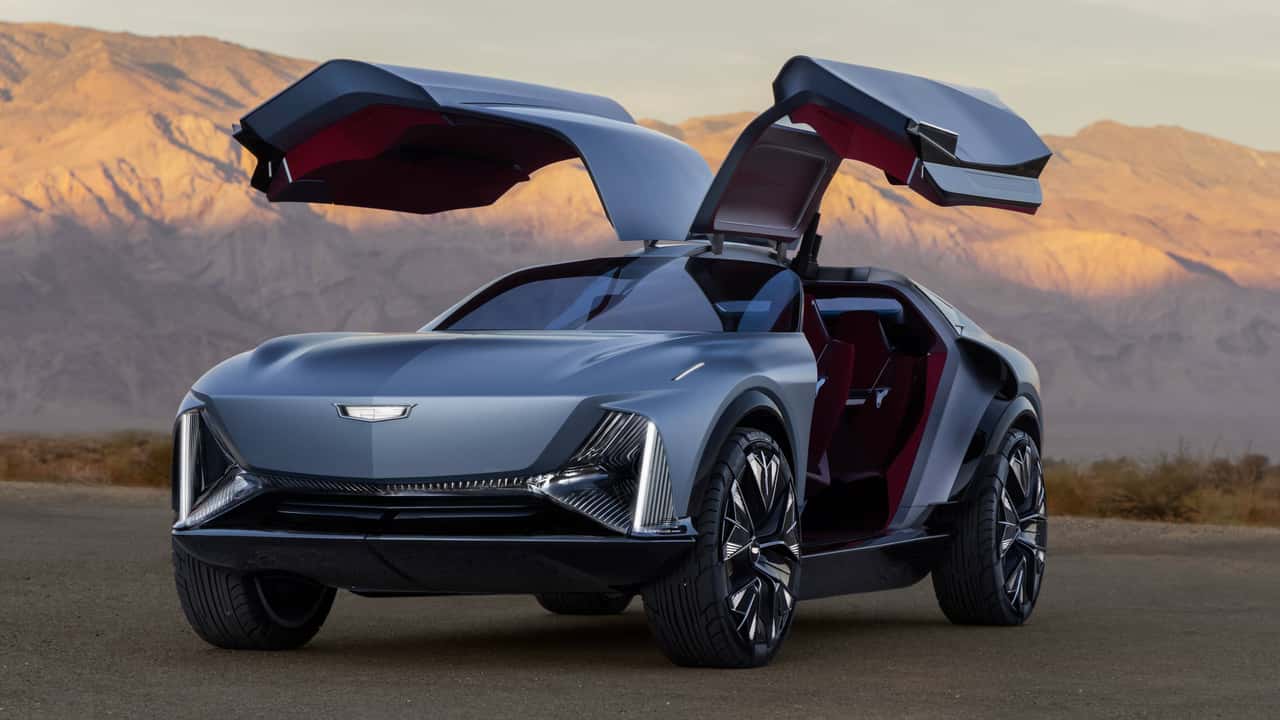
Cadillac’s Elevated Velocity Concept Is A Gullwing-Doored Desert Cruiser
The pedals and steering wheel can retract, and the bodywork vibrates to remove sand.

The Cadillac Optiq’s Interior Is Weird. That’s A Good Thing
I have to admit that I didn’t think much of the Cadillac Optiq when it first debuted, or even right up until I got some seat time in one. It’s not that General Motors isn’t making good electric vehicles; these days, it very much is, and it has the sales numbers to back this up.
Instead, it’s just that a “new midsize electric luxury crossover” excites me about as much as the release of yet another superhero movie. Most of them are fine. A few are abysmal. But on the whole, it’s all stuff we’ve seen before.
But every now and then, something new surprises you. And I’m pleased to say the Optiq did exactly that—starting with its refreshingly original cabin.

2025 Cadillac Optiq Interior
Photo by: Patrick George
Look at this! It’s blue! Aggressively blue, in fact. And that’s only part of the story: the Optiq’s cabin is filled with a charming assortment of different textures, materials, touchpoints and colored accents.
My Optiq tester’s interior scheme is called Sky Cool Gray with Santorini Blue accents, a zero-cost upgrade from the base car’s (called Luxury 1) all-black cabin. But that’s not all: upgrade to the nicer Luxury 2 or Sport 2 trims, and you can double down with the Phantom Blue trim’s navy leather seats, dashboard and door accents.
Cadillac Optiq Phantom Blue
Photo by: Cadillac
Reader: If you buy an Optiq, resist the temptation to get the tan or all-black leather. Cadillac doesn’t make bad interiors (not anymore, anyway) and so I am sure they’re very nice. But you deserve some spice in your life. Be bold. Be interesting. Get one of the blue interiors. You will be dead someday, like all of us, and the chance to drive something interesting—and kind of weird—should not be passed up during your limited time on earth.
2025 Cadillac Optiq Interior
Photo by: Patrick George
2025 Cadillac Optiq Interior
Photo by: Patrick George
2025 Cadillac Optiq Interior
Photo by: Patrick George
Let me be clear that I mean “weird” in the nicest possible way here. The EV world needs more weird. Every car company is trying to figure out an electrified, software-driven future so desperately that they don’t take risks in other ways.
2025 Cadillac Optiq Interior
Photo by: Patrick George
The ethos behind most EVs we test is generally “do more screen,” itself a derivative of “be more like Tesla, primarily for cost-cutting reasons.” There are certainly reasons why this happens. They aren’t always good for the consumer, however, nor do they end up being all that memorable. It’s also hard to define a brand by being exactly like the other brands.
The Optiq itself is certainly screen-forward. It has a 33-inch LED display with something called 9K resolution. The software suite will be familiar to anyone who’s driven another GM EV. But the neon blue accents? Now we’re talking.
2025 Cadillac Optiq Interior
Photo by: Patrick George
The dashboard trim, storage area below the center console, door cards and other bits really serve to spice up this cabin. The interesting touches go beyond the cabin; one pervasive material is the “patterned accent fabric” that’s woven from 100% recycled polyester yarn, and it’s splayed across the doors and dash too.
And then there’s that center console. That chrome-adorned rotary-dial control knob looks almost like some interior bit from your grandfather’s Cadillac, back in the tailfin era. I don’t know how else to describe it, but it has this old-school vibe that pairs well with a modern electric car.
2025 Cadillac Optiq Interior
Photo by: Patrick George
The whole Santorini Blue package is just fun. It reminds me of the avant-garde stuff that the French automakers used to put out, before the demands of modern technology and corporate ownership made them a lot more boring. It’s also deep in Cadillac’s DNA, as the company’s glory-days cars offered wild blue and red interiors, among other combinations. The Optiq’s blue interiors—both of them, really—seem like GM let its interior designers enjoy their jobs, and that energy is apparent throughout.
It’s certainly a nice antidote to screen-focused EV minimalism. I’ve had about all of that I can take for a bit. It’s time to bring some maximalism to this field for a change.
We need more stuff like this. More carbon fiber and recycled materials like the BMW i3. More wacky stuff like the Genesis GV60’s Crystal Sphere. Hell, half the cars we saw in China this year were purple. Life doesn’t have to be just an endless sea of gray.
Contact the author: patrick.george@insideevs.com
23
Source: Patrick George
Share this Story
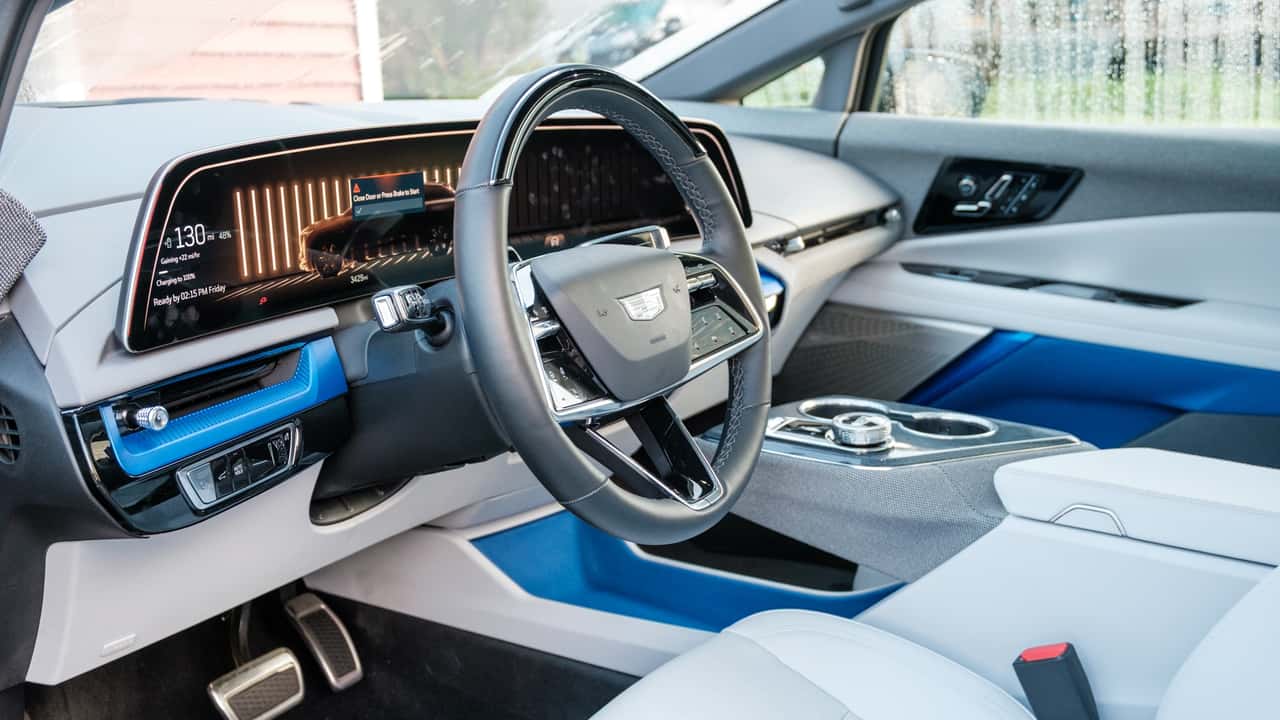

The 2025 Mini Countryman SE Is Good, Despite What The Haters Say
The BMW iX may be one of the ugliest cars on sale, but underneath that ugly wrapper lies quite a lovely electric car. The beaver-toothed front end and tragic proportions are hiding an interior that’s almost architectural in its ambiance, paired with a driving experience that’s sharper than some sports-oriented models from other brands. It’s a range king, too—a treat in the electric car space.
Similarly, the Mini Countryman SE has taken a lot of flak for what some people say represents everything wrong with the Mini brand. To some folks, this car is too big, too ugly, and its circular infotainment screen is way too complicated compared to the simplistic aura that classic Mini cars had. Or heck, even the early BMW-era Minis. Are they right?
I don’t know. I’m not going to pretend to be the ambassador for Mini enthusiasts and purists. But I do know that a week with the Countryman SE revealed a charming electric vehicle, even if it’s not exactly pitch-perfect in its execution.
2025 Mini Countryman SE
EV Range
212 miles
As-Tested Price
$51,145
Base Price
$46,375
Battery
64.6 kWh
Drive Type
AWD
Output
308 hp
Speed 0-60 MPH
5.4 seconds
Motor
dual
Charge Time
10-80% in 29 minutes

31
Source: Kevin Williams/InsideEVs
Believe it or not, the Mini Countryman is now in its third generation. Initially started back in 2011, this biggie-mini crossover was designed to court the number of buyers who liked the Mini Cooper hatchback, but wanted a little more space and a second set of doors. I suppose the ill-fated Clubman was also designed to satiate that desire, but its hearse-style rear doors and crew-cab door on the passenger side meant it was a five-door in the most maliciously compliant way. Mini drivers wanted a “five door” in the traditional sense, with four normal, forward-hinged doors, and a hatchback.
Photo by: Kevin Williams/InsideEVs
Some point after that, and possibly even in response, the slightly-bigger-than-Mini Countryman was born. It was an immediate sales success. Several generations later, and a healthy amount of middle-aged model bloat, the Honda Fit-sized Countryman has turned into a small crossover that’s a stone’s throw from a Toyota RAV4. Victory, it seems, has defeated the Countryman.
But while the third-generation Countryman is bigger than ever, its platform feels designed to right some of those wrongs. Underneath, the Countryman is an electrified version of its gas-powered sibling and closely related to the BMW X1. The Countryman SE’s direct electric analog is the BMW iX1, an electric version of the X1 that we don’t get here.
In Mini’s modern lineup, it’s the only four-door EV available with the Mini badge. The smaller Aceman five-door is missing in action for the U.S. market.
Power for the Countryman SE comes from two electric motors that have a combined output of 308 horsepower and 364 ft-lbs of torque. This is fed by a 64.6 kWh battery good for 212 miles of range, mounted underneath the car’s roughly 4,400-pound body. Oh, and dual-motor is the only way to fly; no front-wheel-drive-only models here.
A lot of people don’t like the way the Mini Countryman SE looks inside or out.
I am not one of those people. I think it’s a swell-looking car, but I will admit that it’s a design that looks far better in person. This is the biggest Countryman yet, but I think the Mini designers were good at both making the familiar Mini silhouette feel fresh, while disguising the car’s physical girth.
Photo by: Kevin Williams/InsideEVs
Like other modern BMW Group cars, photos don’t really do it justice; the Mini’s sides look kind of blank and understyled, with not much brightwork or surfacing aside from the chunky, squared-off wheel arches. Yet, in person, the Countryman SE’s side surfacing is deceptively complex, with interesting surface interactions. I fell in love with the Countryman’s dead-on rear view, the beefy trunklid, and Union Jack taillights feel like such a techno-futurist elevation of what we’ve already seen on modern Minis. Add in the bronze roof and wheels, and it’s such a good way to make an old theme feel new and modern. I like it a lot more than other second-gen retro designs, like the Fiat 500e.
The interior is arguably the best part of the Countryman SE.
Similar to the exterior, the interior is deceptively fresh. At first glance, the Mini’s interior looks like little more than a makeup compact-shaped screen mounted on a plastic panel. In reality, the car’s interior is so much more complicated. The shapes are simple – this feels like a more earnest reinterpretation of the very basic dashboards of the original Morris Mini Cooper.
Photo by: Kevin Williams/InsideEVs
Photo by: Kevin Williams/InsideEVs
Photo by: Kevin Williams/InsideEVs
Yet, all of the surfaces look so much more interesting in person. All of the bright work in my tester was bronze, matched to the bronze roof and wheels. The blue fabric on the dashboard and upper levels of the doors turns orange/bronze as it moves toward the rear of the car. Add in the really nice leather seats, and the interior is so charming that you’ll forget that there aren’t very many soft-touch plastics at all. The only soft part of the interior is the seats and armrests.
Oh, and I liked the circular-shaped screen and its software, but we’ll get into that in a more focused review of the software.
Fundamentally, the Countryman SE is a converted gas car with some batteries shoved under the floorboard.
On its face, the Countryman SE’s numbers are very average. It’s heavy, kind of tall, and its power numbers aren’t as staggering as cars like the Volvo EX30 twin motor, which has more than 100 more horsepower than this Mini. Yet, this still manages to be a fun-to-drive crossover. Especially when you don’t have a Mini purist all up in your ear, complaining about how the Countryman SE is the antithesis of any Mini product.
Photo by: Kevin Williams/InsideEVs
I guess to be fair to those folks, they are a little right. I’ve driven plenty of Mini Coopers in my day, and the low-to-the-ground, slightly raw feeling is part of their appeal. The Countryman SE instead feels tall and very refined behind the wheel, not at all like the old Mini hatchbacks of yore. Dare I say it, the Countryman SE’s suspension tuning is sophisticated and feels expensive, the ride is the opposite of rough, and it feels a premium car, not a toy. For some, they’d hate it.
I am not one of those folks. Yes, the Countryman SE feels a little tall and bulkier than I’d like, and yes, I wish the suspension were a tad firmer, but the car makes up for it by being relatively engaging to drive. The steering ratio is fairly quick, and there’s a bit of feel for the type of vehicle that it is. The car corners flat and grips hard, whereas other cars with similar characteristics would not feel anywhere near as engaging. I mean, drive an Equinox EV, then hop behind the wheel of this thing.
The Countryman SE is also a quick car. Stick it in Go-Kart mode, depress the throttle to the floor, and the Mini will do its best impression of a rocket ship – it’s one of the first EVs I’ve ever driven that genuinely felt as if Mini had underrated its specifications. Mini says it’ll hit 60 in 5.4 seconds, but Car and Driver said its Countryman SE scooted to 60 mph in a mere 4.8 seconds. That’s pretty damn quick.
Photo by: Kevin Williams/InsideEVs
The Mini Countryman SE’s range and charging abilities seem to be, on paper, kind of mediocre. The car is only rated for 212 miles of range, but it’ll zip from 10-80% on a DC fast charger in 29 minutes, with a maximum speed of 130 kW.
These numbers would have been cutting-edge in 2018. But, to be fair to Mini, the Countryman SE actually did all of those things. Our DC fast charging test hit the 29-minute mark right on the money, while a mixed-use road trip had me on track to achieve about 190 miles of range. For some, this may not be enough miles, but for my use case, the Mini was just fine. Over the week, I averaged 3.2 miles per kWh, which is merely okay.
Frustratingly, the Mini has DC fast charging preconditioning, but it’s not intuitive to use. It can activate automatically when navigating to a DC fast charger, but I often don’t use navigation in everyday driving. There is a button to turn on the preconditioning manually, but more often than not, it was greyed out with no explanation.
Photo by: Kevin Williams/InsideEVs
The Mini fans may have a point. On some level, the Countryman’s oversized dimensions and weird styling may not be everyone’s cup of tea. I get it, I remember being somewhat disappointed driving the new Fiat 500e compared to my old Fiat 500 Abarth.
However, I don’t think every car needs to be a direct 1-to-1 version of something old. Perhaps it’s time to reinterpret the past into something new—and take that something new, for what it is. With that in mind, the Mini Countryman SE has a lot of things to like about it. It’s sharp to drive without losing its premium edge, it is spacious for being a compact crossover, and in the grand scheme of things, it’s not even that expensive. True, the range and charging specifications are mediocre, but I think it’ll still work for most people.
Photo by: Kevin Williams/InsideEVs
I don’t even mind the price—my example stickered for $51,145. All Countryman SEs effectively come in one trim, with only a handful of option packs that can be optioned. My example came with the Iconic package ($3,200) and the Comfort Max package ($900), which added goodies like a Harmon & Kardon sound system, power front seats, and Mini’s Active Driving Assistant Pro. For comparison’s sake, this is cheaper than an AWD Cadillac Optiq. Although the Optiq qualifies for the federal $7,500 tax credit on full purchases. For now.
I just liked driving the Mini. Sometimes when I’m behind the wheel of these press cars, it can feel like a slog, like I am forcing myself to drive a car I don’t really like. Whereas with the Mini, I found myself making up reasons to drive the thing. I didn’t want to give it back. Because I liked it.
I think the world would be a better place if we drove cars we liked.
Contact the author: kevin.williams@insideevs.com
Share this Story
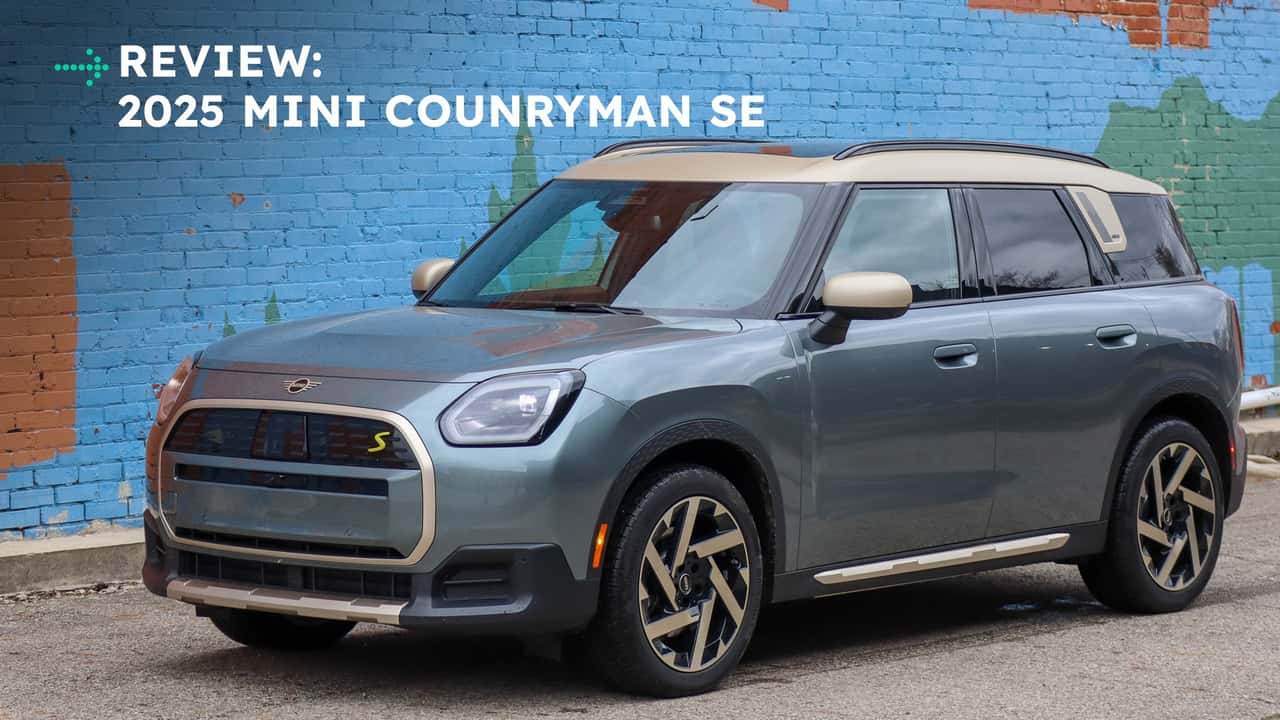

The Affordable Hyundai Ioniq 2 Is Coming In September
A smaller, more affordable Hyundai EV will be revealed soon for Europe. Does it have a shot anywhere else in the world?

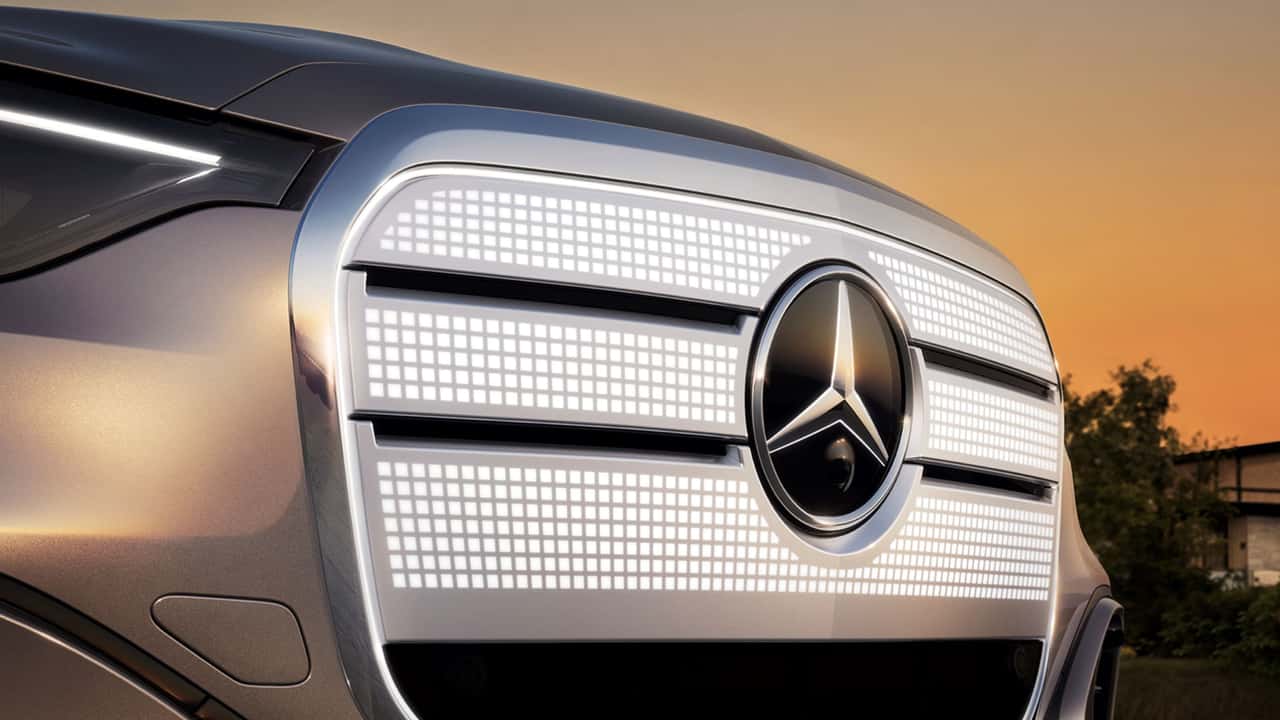
The Mercedes-Benz GLC EV’s Grille Has 942 Illuminated Pixels
- Mercedes-Benz is ditching the blacked-out grilles in favor of an illuminated extravaganza.
- The first new car to get the shiny new grille will be the electric GLC crossover.
- Future models will also get the redesigned grille that evokes the brand’s history.
It’s no secret that Mercedes-Benz’s egg-shaped electric cars haven’t really caught on. Despite the cars being quite good, sales have been anything but stellar, so the German automaker is starting from a clean slate with its new generation of EVs.
This includes the iconic Mercedes-Benz grille, which is also getting a makeover. Gone are the blacked-out grilles of old, and in their place we’ll see a brighter, digital reinterpretation of the classic shapes found on the classic 600 Pullman and S-Class models of old.

The new Mercedes-Benz GLC with EQ Technology will be the brand’s first model to get the redesigned grille.
Photo by: Mercedes-Benz
The first new Mercedes-Benz to get the glitzy new grille is the upcoming GLC with EQ Technology–that’s the electric version. The base version of the redesigned grille comes with a wide chromed frame, a smoked-glass-effect lattice structure and contour lighting.
More lighting will be available for more money, though. As an option, customers will be able to order an illuminated version with a total of 942 backlit dots that can also be animated. To top it all off, the central star and its surrounding contour will also be illuminated.
For now, Mercedes-Benz has only published a photo with the fancy version of the grille, so we’ll have to wait a little longer to see what the base version looks like. In any case, the German automaker is adamant that this redesign is exactly what the doctor ordered: the car’s design language is called “Sensual Purity”, while the grille is described as “a face for the future” and “a new era of iconic design.”
“Our new iconic grille is not just a new front for the GLC; it redefines the face of our brand,” said Gorden Wagener, Chief Design Officer at Mercedes‑Benz Group AG. “It is the perfect fusion of lasting design codes reinterpreted for the future, making our cars instantly recognizable.”
Besides the GLC, other models will also get a version of the new grille, including combustion cars. We’ll see the new GLC in all its glory when it debuts at the IAA Mobility show in Munich, Germany, on September 7, 2025.
Share this Story