
Author: EVAI

GM exec: 2026 Chevy Bolt EV will be most affordable US EV
When the Chevrolet Bolt EV returns next year it will be the most affordable EV in the U.S., Marissa West, president of General Motors North America, said in a recently published interview with Automotive News.
GM discontinued the Bolt EV at the end of 2023 but has since then emphasized it’s coming back. The next-generation Bolt EV will share Ultium underpinnings with other GM EVs, providing the scale necessary to achieve a low price point, according to West.
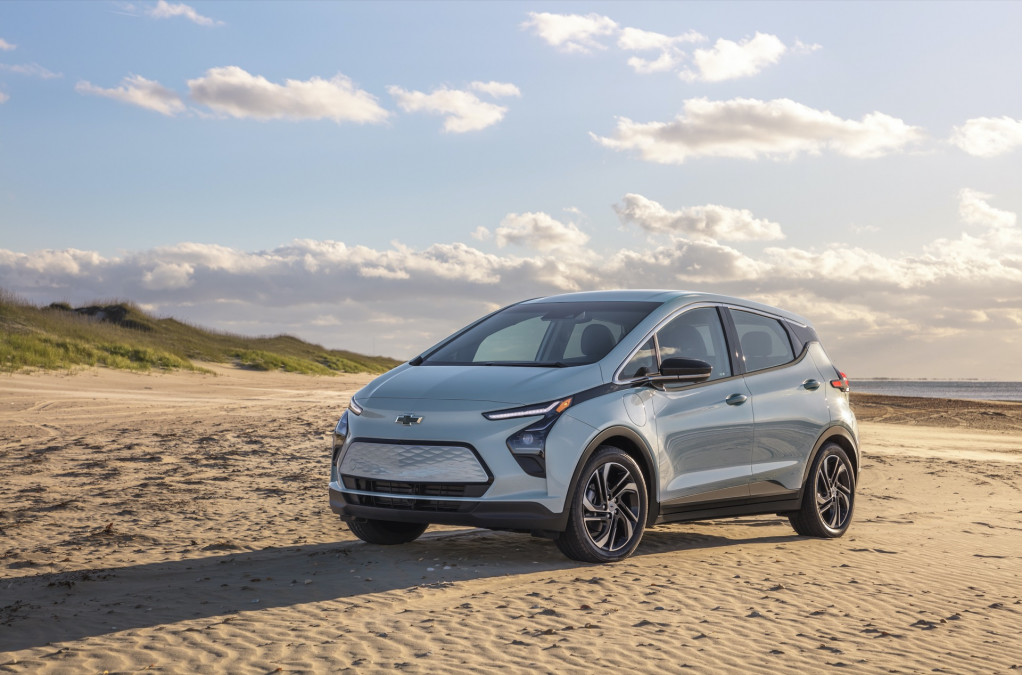
2022 Chevrolet Bolt EV
“We’re really excited to get the Bolt with the Ultium architecture underpinnings to have the most affordable vehicle on the market by 2025,” West said, adding that the Ultium underpinnings will afford “great range” and a “really good charging time.”
GM has confirmed that the next-generation Bolt EV will be built at GM’s Fairfax Assembly plant in Kansas—starting in late 2025, which almost certainly makes it a 2026 model based on GM’s model-year cadence. At the Kansas plant it replaces the gasoline Chevy Malibu midsize sedan that is now winding down production. It’s due to build a “low-cost” version of the Bolt EV with LFP battery cells, and GM has indicated it will be the first Ultium product in the U.S. to use that chemistry.
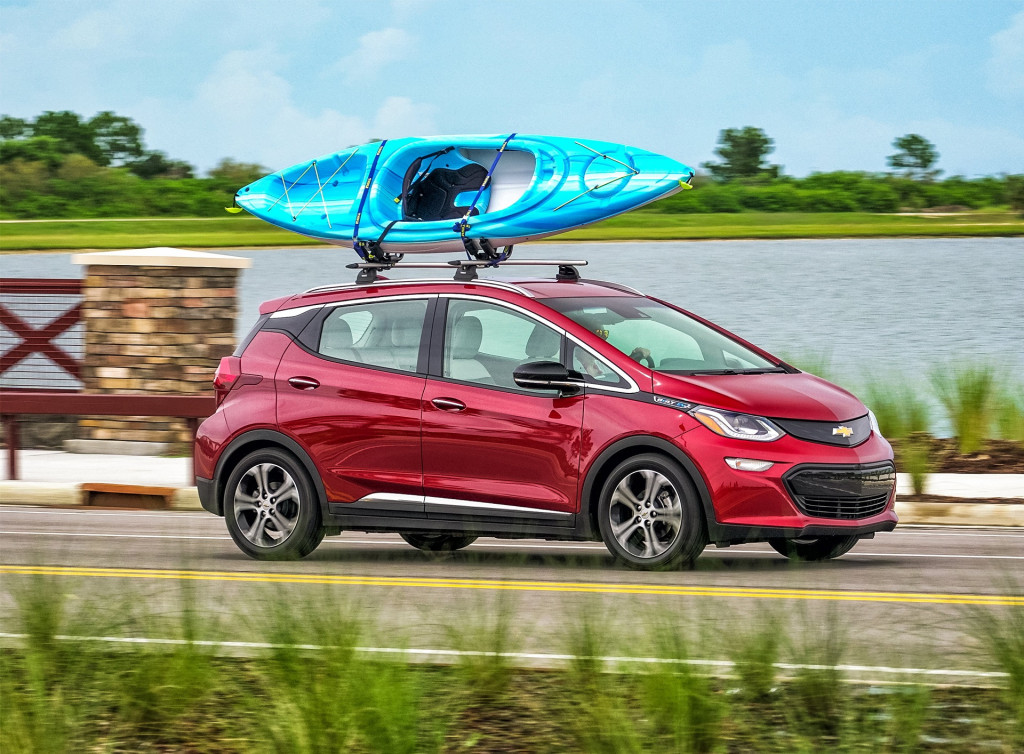
2018 Chevrolet Bolt EV
The Bolt EV was launched as a 2017 model, and at the time was considered a major coup for EV affordability. A 2022 model-year revamp made the Bolt EV a better vehicle, and added a Bolt EUV variant to the lineup.
The Bolt EV’s legacy isn’t unblemished, though. A 2021 recall eventually spanned roughly 140,000 Bolt EV and Bolt EUV vehicles in North America after two specific manufacturing defects in battery cells supplied by GM partner LG Energy Solution led to many fires. GM replaced battery modules—and even entire packs—in some cars, while other owners got up to $1,400 as part of a class action settlement against GM and LG.

GM might cool EV charge ports like microchips
Faster DC charging has required a new generation of cable cooling, but General Motors is also looking at cooling of the charge port, a patent filing indicates.
Published by the United States Patent and Trademark Office (USPTO) April 25, 2024, and originally filed by GM October 18, 2022, the patent application in question deals with cooling of EV charge ports with phase change material (PCM).
A PCM is one that absorbs and releases heat when it goes through a phase change—hence the name. PCM cooling has been used in heat sinks in the computing world for years, and has becoming increasingly common in outdoor gear.
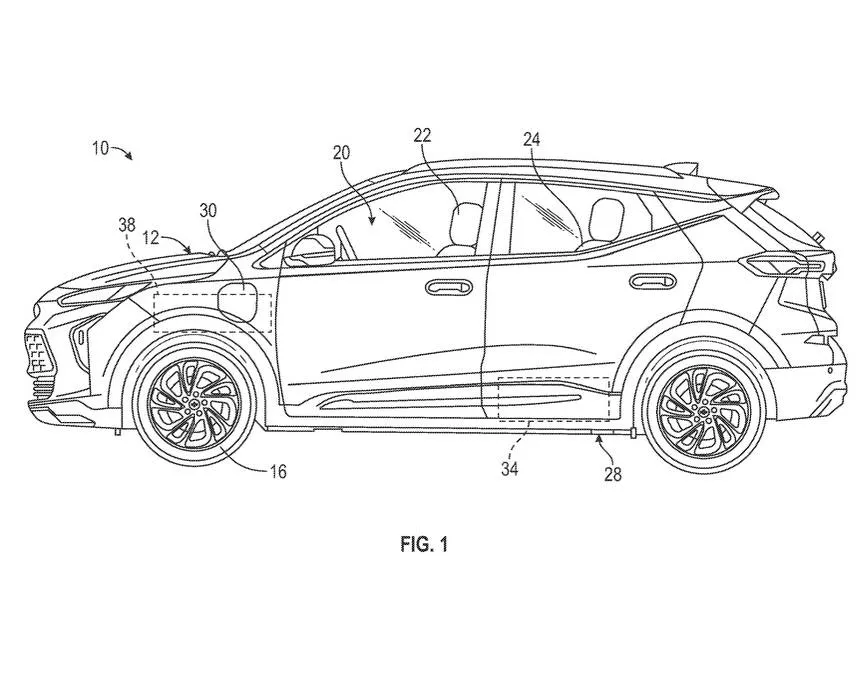
General Motors PCM charge port cooling patent image
In this charging application, PCM would be placed around the charge port and would shift from a solid to a liquid state as it absorbs heat caused by the flow of electricity through the port, thus providing a cooling effect, GM states in the application. If temperatures still rise above a predetermined threshold, an onboard controller would automatically derate charging, the automaker adds.
One approach discussed in the application mentions a heat spreader and metallic foam as a possible configuration, but regardless it’s unlikely that PCM charge port cooling would require moving parts. It’s also likely much less complex than liquid cooling.
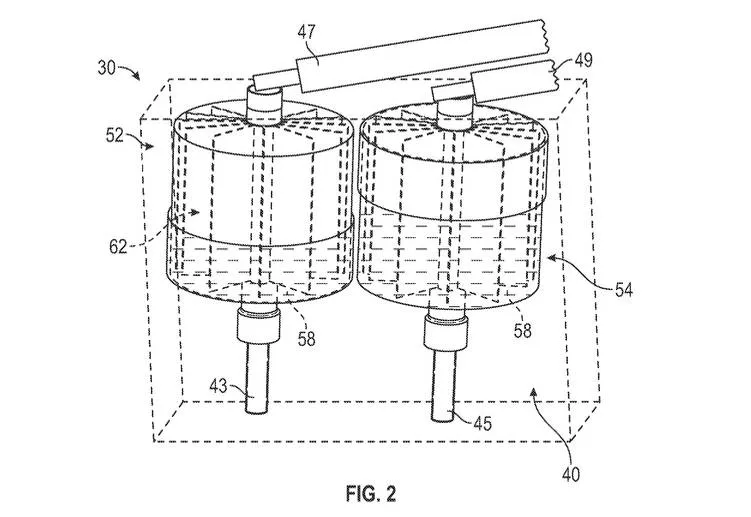
General Motors PCM charge port cooling patent image
So far, efforts to cool off hardware in order to boost charging speeds have focused on other areas. In 2021, researchers at Ford and Purdue University showed off a phase-change method for helping cool EVs for faster charging. But this involved a phase change of coolant (from liquid to vapor) in a cable, not a charge port. In some EVs, the cabin cooling system also helps the battery stay cool during charging, but that also hasn’t been applied to the charge port itself.
Heat buildup is one of the main reasons EV makers are shifting to higher voltages as well. This is why Porsche pushed for 800-volt charging instead of 400-volt for the Taycan.

Versus cars, SUVs emit about 20% more CO2—EV or not
- SUVs are bad for the environment regardless of their powertrain
- SUVs accounted for 48% of the global market in 2023
- Larger SUVs are worse for the environment than smaller models
Global SUV sales continue to grow and, EV or not, so do their emissions, according to the International Energy Agency (IEA).
SUVs accounted for a record 48% of global car sales in 2023, but surpassed 50% of the market for the first time in “advanced economies” with around 20 million sales, according to the IEA. And while only 5% of SUVs on the road are electric, they accounted for more than 55% of new EV registrations last year, the agency noted.
This growth has been going on for some time now, to the point that one in four cars on the road globally is now an SUV, the IEA estimates. That’s having a negative impact on emissions, as SUVs average 20% higher carbon dioxide (CO2) emissions than a mid-size passenger car, according to the agency.

Combustion-related CO2 emissions from SUVs and the 10 highest-emitting countries, 2023 (via IEA)
If these emissions were compared to countries, SUVs would be the world’s fifth largest emitter of CO2, exceeding the emissions of Japan, Germany, and South Korea, according to the IEA.
That’s in part due to added weight—the average SUV weighs 440-660 pounds more than a mid-size car, according to the IEA—something that affects SUVs powered by combustion engines or electric motors. It also means more materials—including battery materials—are needed, giving SUVs a larger carbon footprint in addition to a larger physical footprint.
During 2022 and 2023, oil consumption directly related to SUVs rose by a total of 600,000 barrels per day, the IEA said, accounting for more than a quarter of the overall annual growth in oil demand.
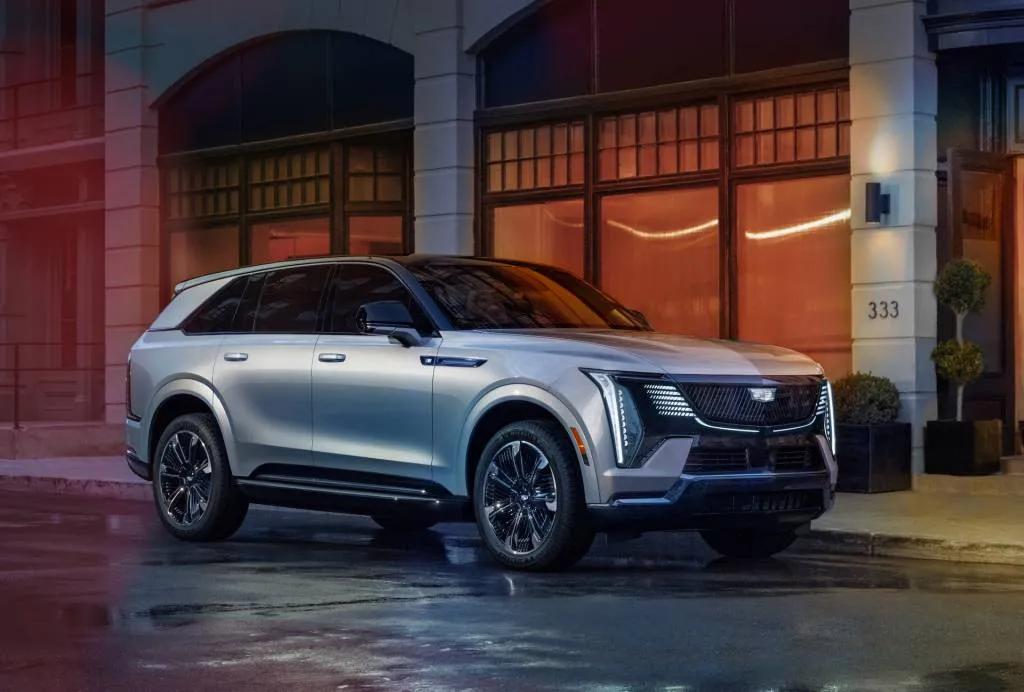
2025 Cadillac Escalade IQ
The IEA also warned in 2023 that the SUV market is fueling global oil demand, countering some of the emissions reductions one might hope to see from higher EV adoption. The IEA in 2022 also projected that global demand for fossil fuels will peak this decade. And, the shift to SUVs aside, EVs are headed for 11% of U.S. sales this year and about a fifth elsewhere, according to the agency.
Not all SUVs have equivalent emissions, either. As the Department of Energy has pointed out, if you must have an SUV, smaller SUVs are better for the environment in terms of total CO2 emissions.

EU tariffs on EVs would cost China almost $4B in trade, study says
The number of Chinese EVs imported to the EU would drop by a quarter if Brussels were to impose a 20 percent import tariff, according to a Kiel Institute for the World Economy study.
Editorial: Low-cost Chinese vehicles will come to the U.S., so the time to improve North American manufacturing is now
Advances in manufacturing improved efficiency after the pandemic, but North American industry needs to prepare now for China’s eventual arrival.

2024 Jeep Wagoneer S EV counters Grand Cherokee, tops 300 miles
 Jeep’s first electric vehicle for North America may have been teased for several years, but now it’s been revealed in production form—and with a fall 2024 arrival date, it’s just around the corner. The Wagoneer S is only offered as a battery electric model, with 600 hp and 617 lb-ft of torque, combined, and a 0-60 mph time…

Electric off-roading? Jeep Wagoneer S Trailhawk Concept aims for the desert
 Jeep’s first production electric vehicle has already spawned an off-road concept Jeep could easily put this concept into production in short order to take on Rivian The second vehicle to sport the Desert Rated badge is an electric Wagoneer S Concept Jeep wasted no time in making its intentions clear as it enters the electric era. The automaker’s…

2024 Jeep Wagoneer S kicks off automaker’s electric era in US
 The 2024 Jeep Wagoneer S is the first electric car entering production for the automaker Jeep said the Wagoneer S will go over 300 miles on a charge Pricing starts at $71,995, but less expensive models will come Jeep’s been selling an electric vehicle overseas since 2022, but its first model powered by batteries for the U.S. has finally debuted in…

2024 Jeep Wagoneer S EV compares to Grand Cherokee, tops 300 miles
- Jeep’s first battery-electric vehicle, the Wagoneer S sizes up like the Grand Cherokee and Tesla Model Y
- Range should top 300 miles, according to the company
- Jeep seems to have left space for a range-extender in the Wagoneer S’ long hood
- Prices hit more than $70,000 for the first SUVs coming this fall
Jeep’s first electric vehicle for North America may have been teased for several years, but now it’s been revealed in production form—and with a fall 2024 arrival date, it’s just around the corner.
The Wagoneer S is only offered as a battery electric model, with 600 hp and 617 lb-ft of torque, combined, and a 0-60 mph time of 3.4 seconds. Jeep says that EPA range will top 300 miles but it’s not official yet, and with a multi-mode traction management system offering Auto, Sport, Eco, Snow, and Sand modes, some measure of off-roading will be supported.
Built on Stellantis’ STLA Large platform, the Wagoneer S uses new modular electric drive modules that combine the motor, gearset, and power electronics into a single compact unit. The brand hints that a range-extended Wagoneer S is on the way, borrowing some of the know-how from the plug-in Ram 1500 Ramcharger, although it’s unclear when such a derivative might join the lineup. As an official curtly summed it, there’s no version of the Wagoneer S with a range-extended powertrain—yet.
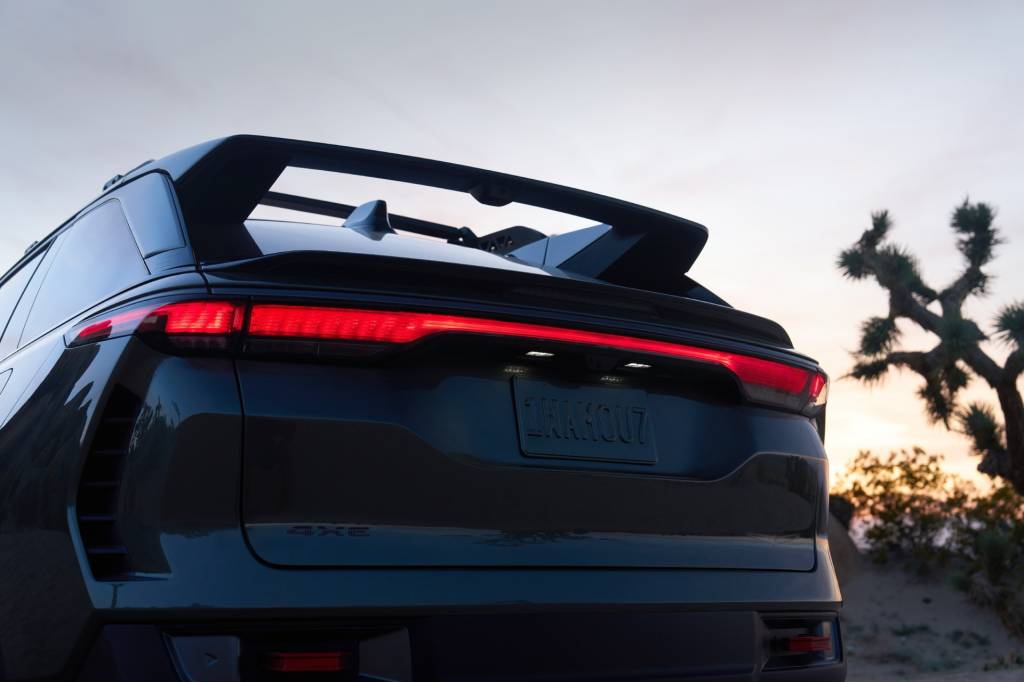
Jeep Wagoneer S Trailhawk concept
As Jeep puts it, it’s transformed the role of the traditional seven-slot grille from breathing to seeing, with line-of-sight lighting and a hood contoured for aerodynamics. Likewise, pocket door handles, integrated fins, and underbody shielding all help smooth the flow of air, while a rear spoiler helps pull air underneath at the rear of the roofline, setting the coefficient of drag at an excellent 0.294—15% better than the average SUV—without the need for a teardrop shape.
Packaging inside the Wagoneer S looks like a mixed bag. The Wagoneer S is about the same size as the Grand Cherokee or Toyota Highlander on the outside, at around 192 inches long, and it rides on a 113.0-inch wheelbase. Jeep points to 99.5 cubic feet of interior volume as being about 15 cubic feet more than a Grand Cherokee—though no roomier than the VW ID.4 or Nissan Ariya by the numbers. Cargo space is 30.6 cubic feet behind the rear seats, or 61.0 cubic feet when they’re folded down to a flat space.
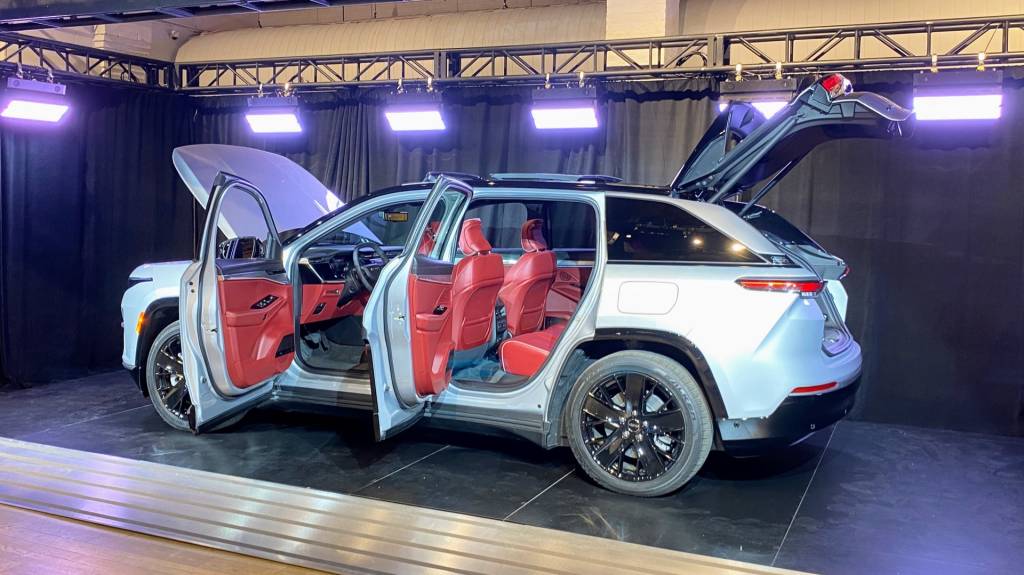
2024 Jeep Wagoneer S
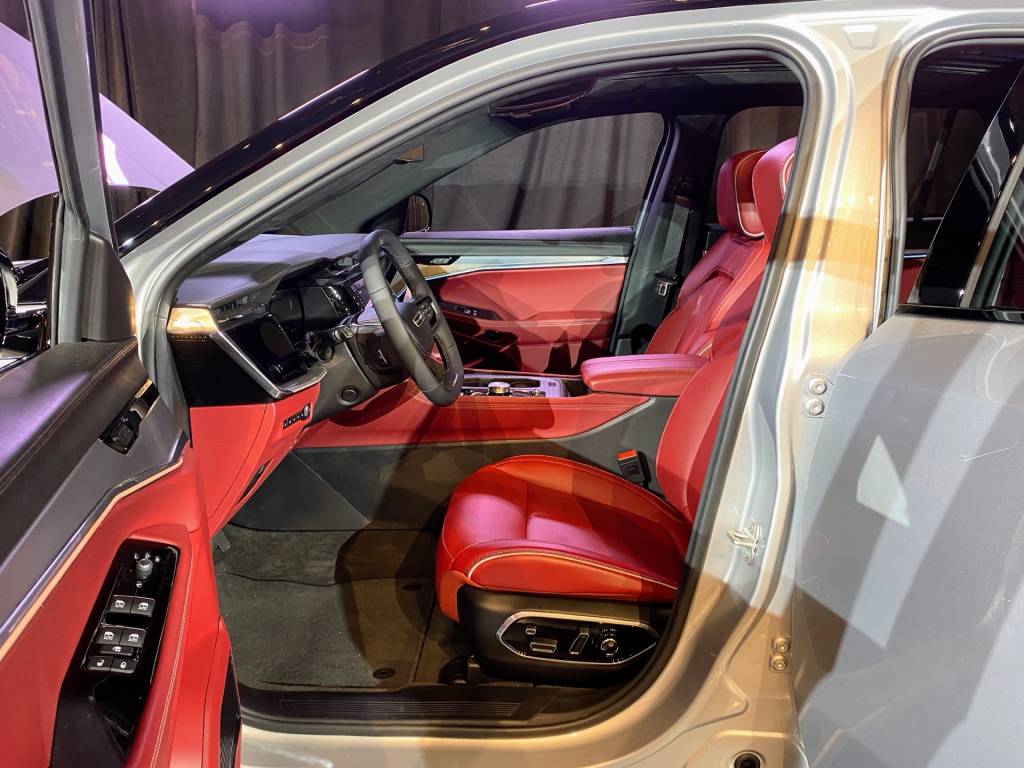
2024 Jeep Wagoneer S
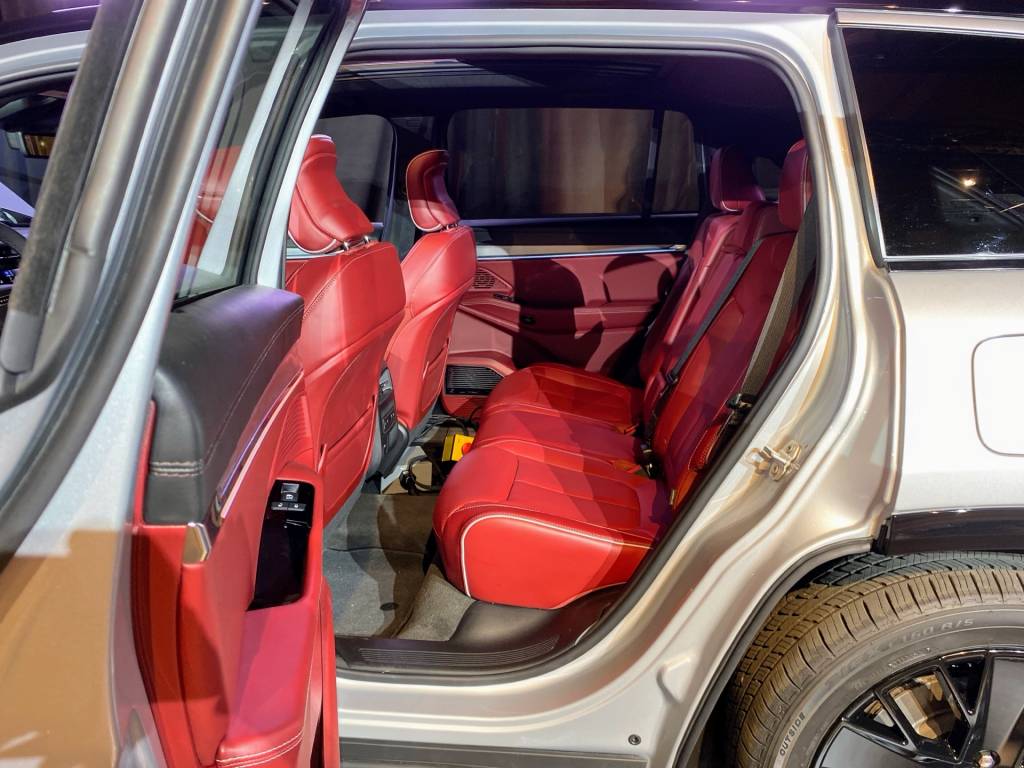
2024 Jeep Wagoneer S
Up close and in person, one of the striking aspects of the Wagoneer S is that the hood hasn’t been shortened, as in some other electric SUVs, and the footwell space hasn’t been pushed out. That’s likely because Jeep does have that option open for an engine under the hood.
Ground clearance is just 6.4 inches—a couple of inches less than most off-road-capable SUVs, but that means entry is easy, as is liftover height to the cargo floor. In the back seat, this 6-foot-6 correspondent had loads of legroom but headroom felt tight due to the dual-pane sunroof overhead.
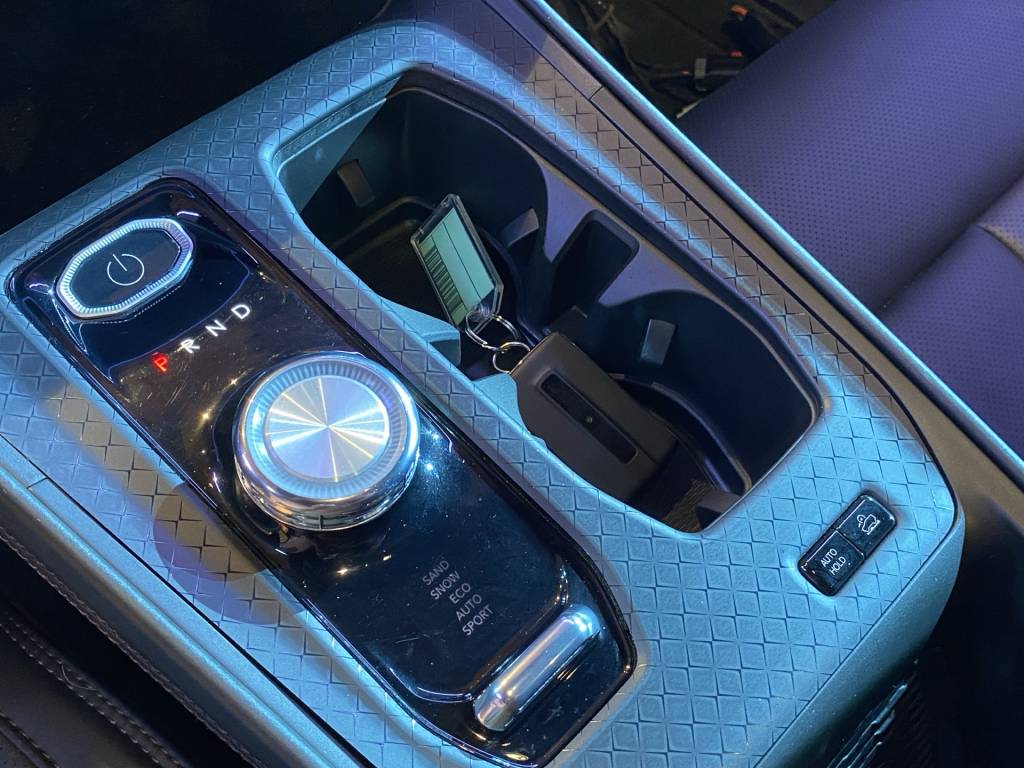
2024 Jeep Wagoneer S
Although other design themes are surely on the way, the Launch Edition goes with 20-inch gloss-black wheels and gloss-black and neutral gray exterior details. There’s no chrome outside, and Jeep has done away with piano-black trim inside, subbing in a new cross-patterned metallic finish and ceramic-coated aluminum trims that are, according to design boss Ralph Gilles, “maybe the opposite of wood.” You won’t find leather in the Wagoneer S either; Jeep is instead offering a so-called Cabo vinyl with anti-microbial coating, used for seats, the steering wheel, and more, that’s made from recycled materials.
The Wagoneer S includes a 100-kwh battery pack set up at 400 volts. With a DC fast-charging peak in the vicinity of 200 kw, it can get from 20-80% in 23 minutes, Jeep says. All Wagoneer S Launch Editions include either a 48-amp (11.5-kw) home AC charger or Free2Move Charge public charging credits.
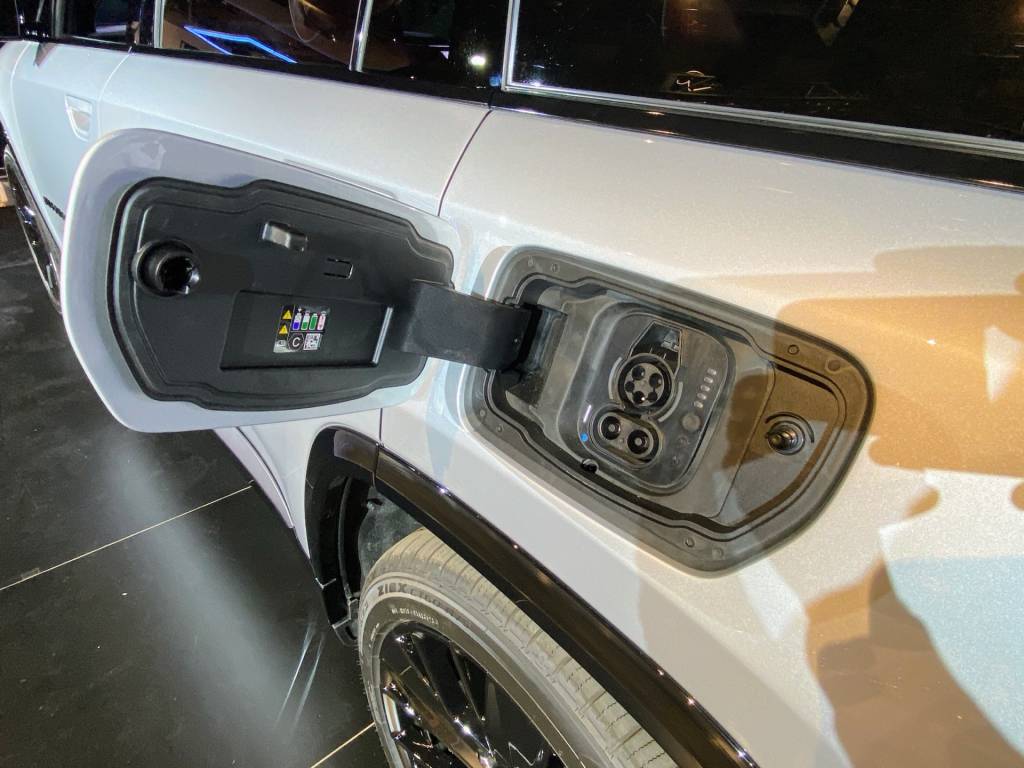
2024 Jeep Wagoneer S
The Wagoneer will get regular updates over the air, and Jeep says that future features for automated driving, performance, and more may be rolled out to vehicles.
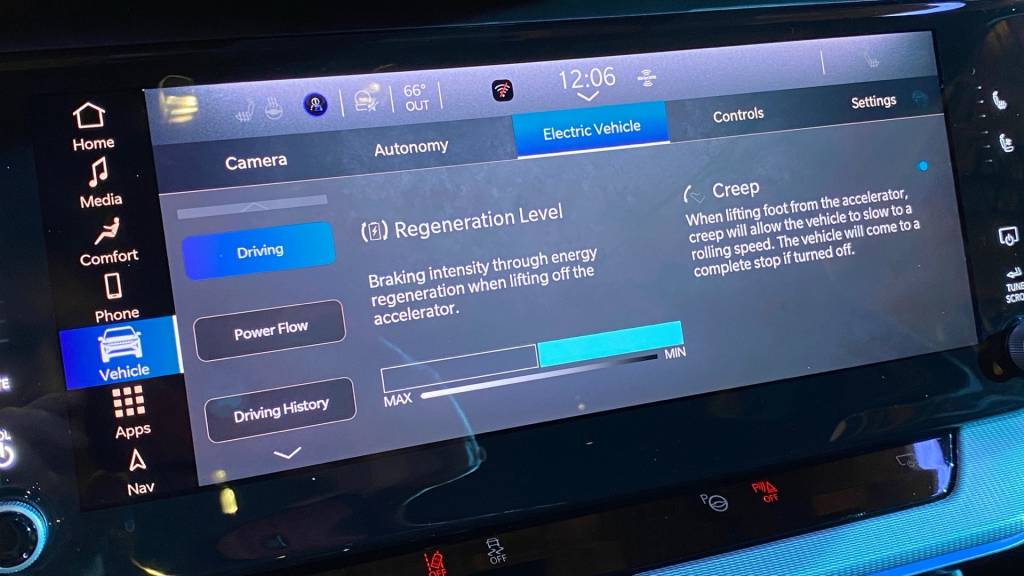
With its front passenger screen included, the Wagoneer S boasts a total of 45 inches of screen space. The gauge cluster itself, one of those screen spaces, has a layout that’s been revised and decluttered for simplicity—a “detox approach” according to Gilles.
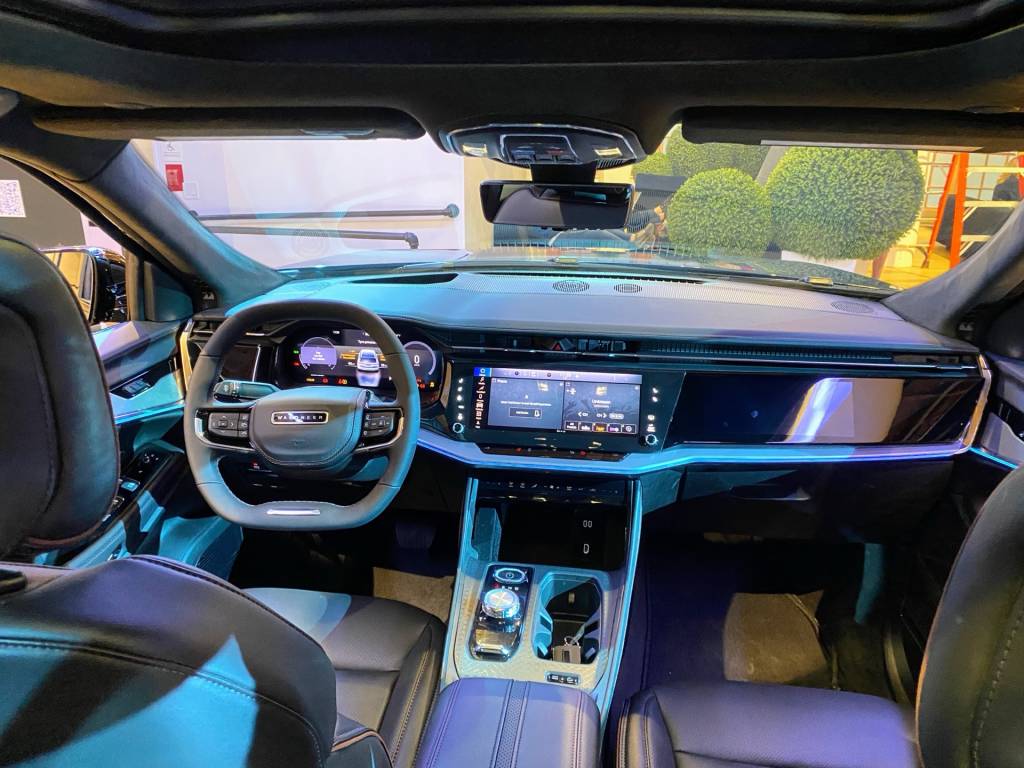
2024 Jeep Wagoneer S
2024 Jeep Wagoneer S
2024 Jeep Wagoneer S
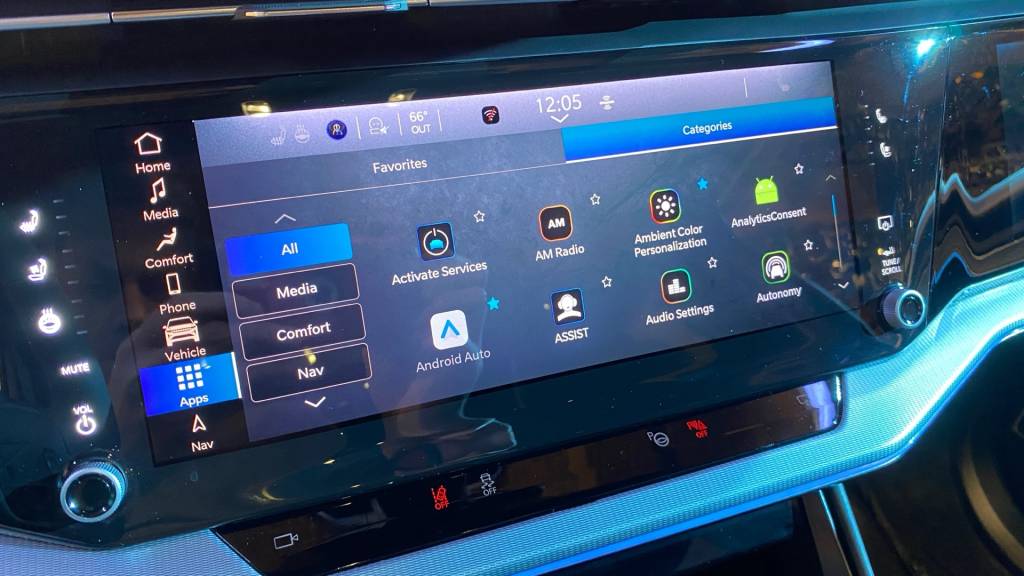
The infotainment system itself is a 12.3-inch touchscreen with wireless Apple CarPlay and Android Auto, and wireless device charging is included. The Launch Edition also includes 1,200-watt McIntosh audio with 19 speakers and a 12-inch subwoofer.
So far, Jeep has only detailed the Wagoneer S Launch Edition. That will make its debut in fall of 2024 at a price of $71,995 including destination. Other versions of the Wagoneer S will arrive for the 2025 model year and provide a lower-priced entry point for the lineup as well as, perhaps, some space to top the lineup with more luxury or off-road-focused features.
2024 Jeep Wagoneer S Concept
2024 Jeep Wagoneer S Concept
2024 Jeep Wagoneer S Concept
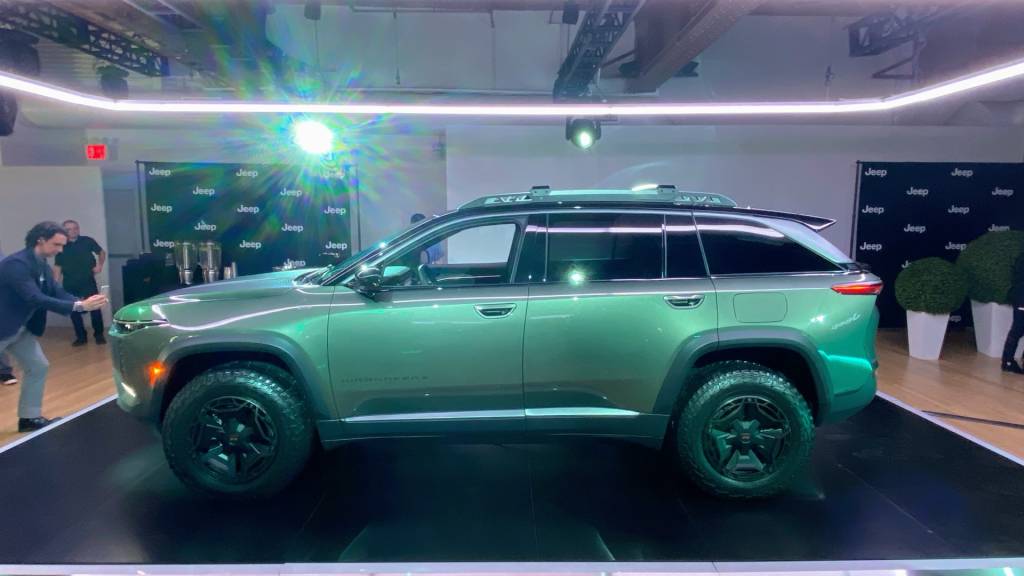
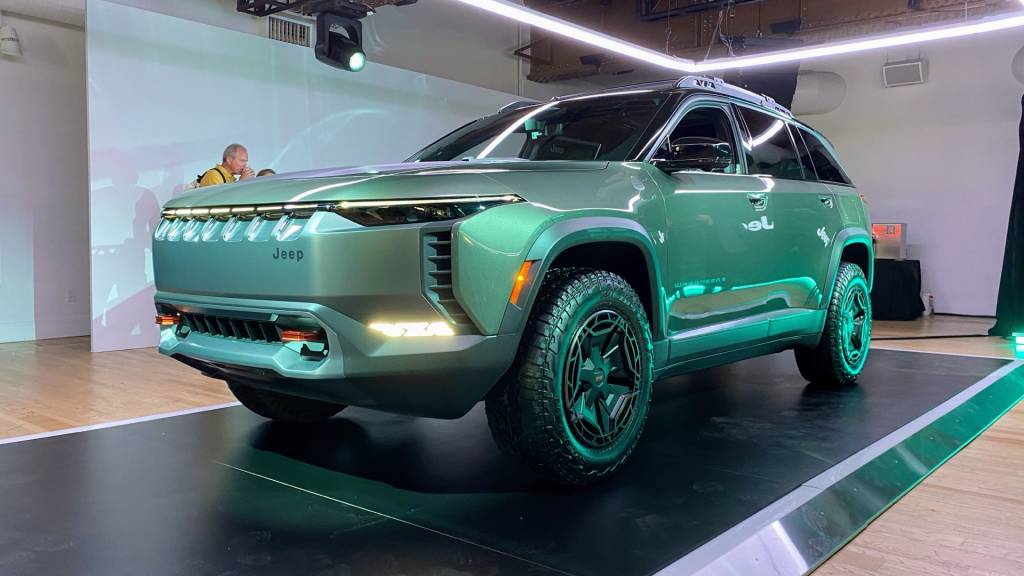
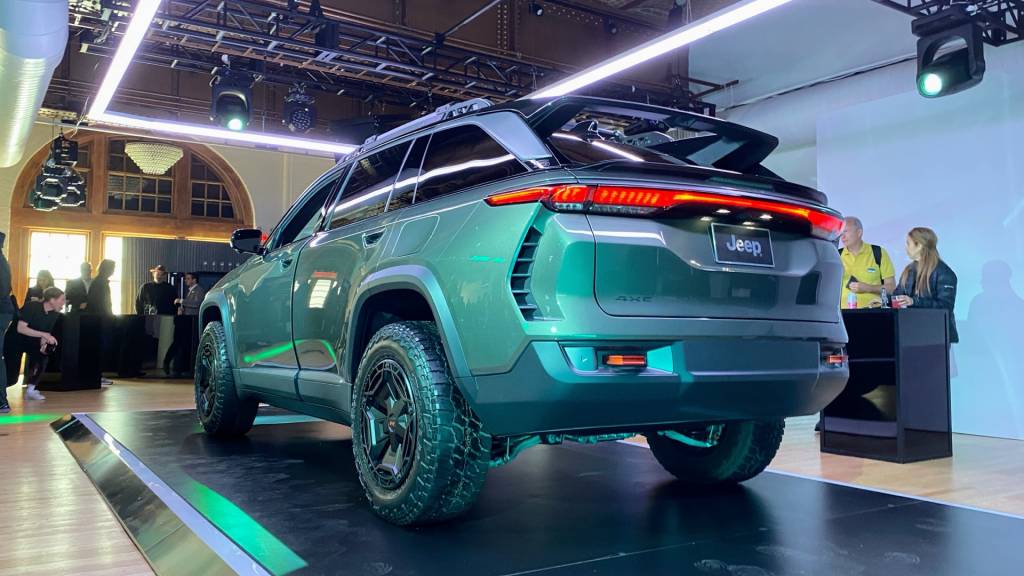
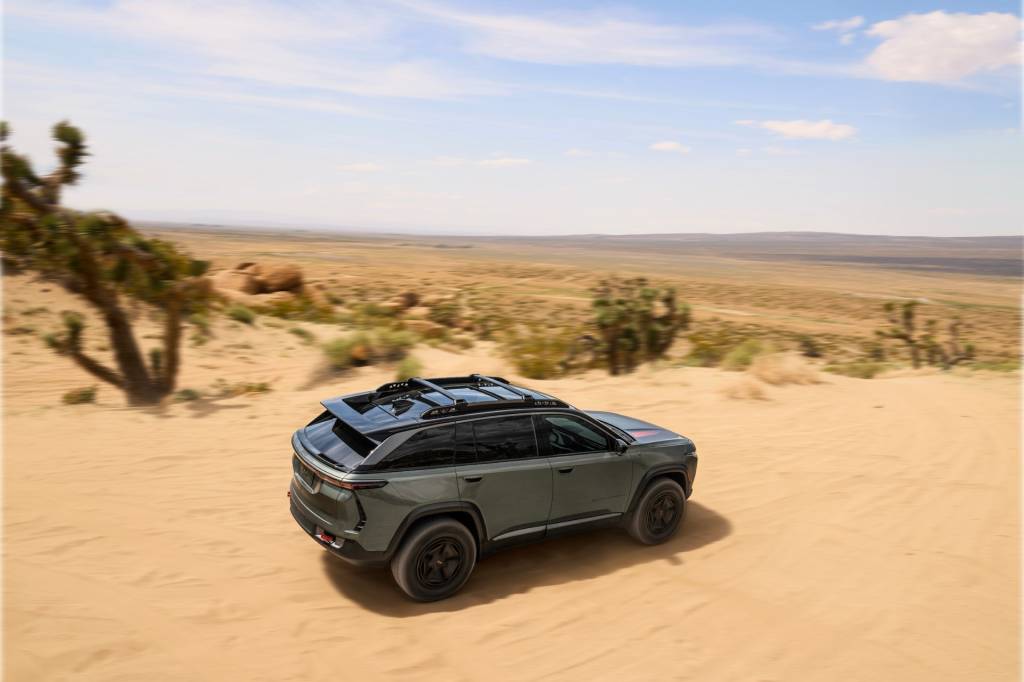
At the end of Jeep’s reveal of the Wagoneer S it included a preview of the form that will likely take. The Wagoneer S Trailhawk Concept, as Jeep puts it, “tells the tale of an SUV that is designed to drive and thrive on dusty trails and rocky terrain.” Versus the Wagoneer S, the Trailhawk concept rides higher and includes a Rock mode, and it includes heavy-duty tow hooks, 31.5-inch all-terrain tires, and an electronic rear locker.
Heated and cooled seats are upholstered in Mantis Green perforated synthetic material, while the instrument panel gets “a unique meteorite-inspired genuine stone veneer.” Also of note is an octagonal steering wheel with a tactical-inspired grip at the 9 and 3 o’clock positions.
Jeep Wagoneer S Trailhawk concept
Jeep will also be taking its EVs into tougher off-road territory. The Wagoneer S will be joined by the Jeep Recon EV, a fully electric “brother” to the Wrangler, next year, and then in 2026 Jeep plans to introduce a new “electrified” midsize model that could replace the Cherokee. It says that by the end of 2025 it will offer “multi-energy options” across its whole lineup.