
Author: EVAI

What are the different levels of self-driving cars? Are we there yet?
 The are no self-driving cars on sale today, despite what some automakers claim Limited hands-free driving systems are considered Level 2 in terms of the six levels of autonomy Mercedes-Benz Drive Pilot is considered Level 3, and legal in Nevada and California Several tech and car companies have launched Level 5 robotaxis in select cities In many…

Stellantis working on in-motion 4WD Lo shifts
 Four-wheel drive vehicles often feature transfer cases with low range, but this trail-centric gearing usually can’t be engaged on the move. Stellantis is working on a way to do that—in hybrid vehicles, at least. In a patent application published by the United States Patent and Trademark Office (USPTO) June 4, 2024, and originally filed by…

2025 BMW iX continues with minor changes
The 2025 BMW iX electric SUV enters its fourth model year with small equipment changes, but nothing mechanical.
An eSim enabling 5G connectivity is now standard across the board, while a Dynamic Handling Package is now optional on the iX xDrive50 model. This includes active steering and air suspension, both of which are also available as standalone options. An Interior Design Package, including dark silver trim and a sportier-looking steering wheel, is also optional on the xDrive50 and standard on the more powerful iX M60.
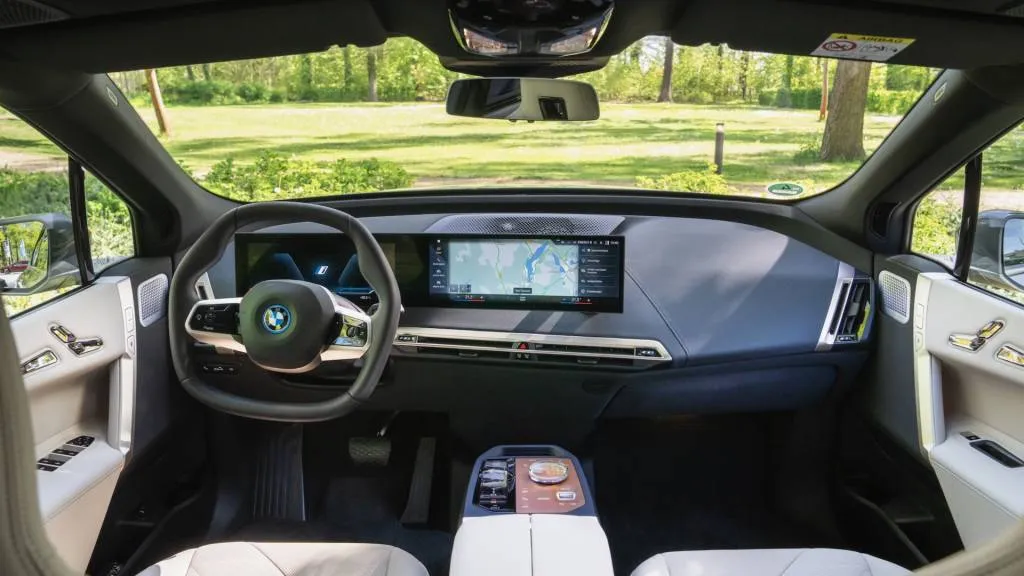
2025 BMW iX
Pricing starts at $88,245 for the xDrive50 grade and $112,675 for the M60 grade. Both prices include a mandatory $1,175 destination charge.
Both iX models use a dual-motor all-wheel-drive powertrain and a battery pack with 109 kwh of usable capacity. The xDrive50 is tuned to produce 516 hp and 564 lb-ft of torque, enabling 0-60 mph acceleration in a BMW-estimated 4.4 seconds. Output rises to 610 hp and 749 lb-ft in the M60, lowering the time to 60 mph to 3.6 seconds.
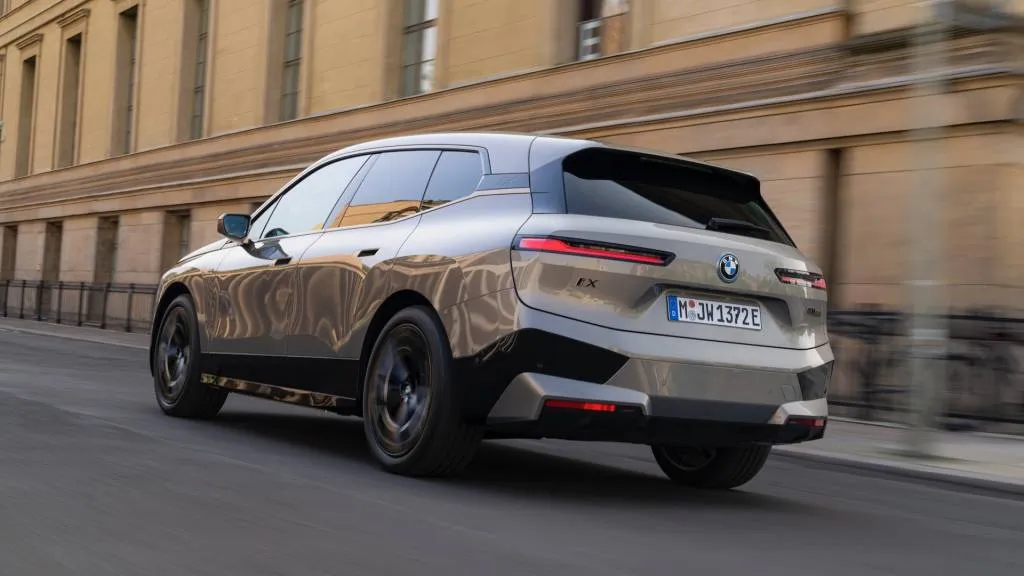
2025 BMW iX
Range is not likely to change from previous model years, meaning the iX should still top 300 miles in at least some versions. An 11-kw onboard charger can fully replenish the battery pack in 10.3 hours, according to BMW. A maximum DC fast-charging power rate of 195 kw allows for a 10-80% charge in less than 40 minutes. BMW plans to adopt the Tesla charge port starting early in the 2025 calendar year, so iX owners still have to wait a bit to use Tesla Supercharger stations.
Green Car Reports has found the iX to be charmingly offbeat, and capable of delivering on its range ratings in the real world. But BMW EVs are about to take another evolutionary step in the form of the Neue Klasse family. Based on a new dedicated EV platform and using cylindrical battery cells, the first Neue Klasse model will start production in Hungary in 2025, followed by Germany and Mexico.

Review: 2025 SQ6 E-Tron lights the road ahead for Audi
 2025 Audi SQ6 E-Tron goes on sale in November for about $15,000 less than the Porsche Macan EV Audi’s PPE architecture has more efficient and powerful motors than other SUV E-Trons SQ6 E-Tron benefits from an available air suspension with adaptive dampers An underground parking garage below the cobblestone streets of San Sebastian, Spain’s…

2025 Audi Q6 E-Tron
 While Audi still offers gas-powered utility vehicles in the form of the Q3, Q5, Q7, and Q8, it’s the battery-powered SUVs like the 2025 Q6 E-Tron that will convince many drivers to make their own power move. What kind of vehicle is the 2025 Audi Q6 E-Tron? What does it compare to? A midsize electric crossover that seats five, the 2025 Audi…

Nyobolt’s electric sports car shows 5-minute fast-charging in action
 If there were reliable high-power EV fast-chargers everywhere, and you could gain about 100 miles of range in four minutes, would you really need such a big battery? The very fast-charging battery cells from Cambridge, U.K.-based Nyobolt aren’t the solid-state cells that are so eagerly anticipated as a potential EV game-changer, but they…

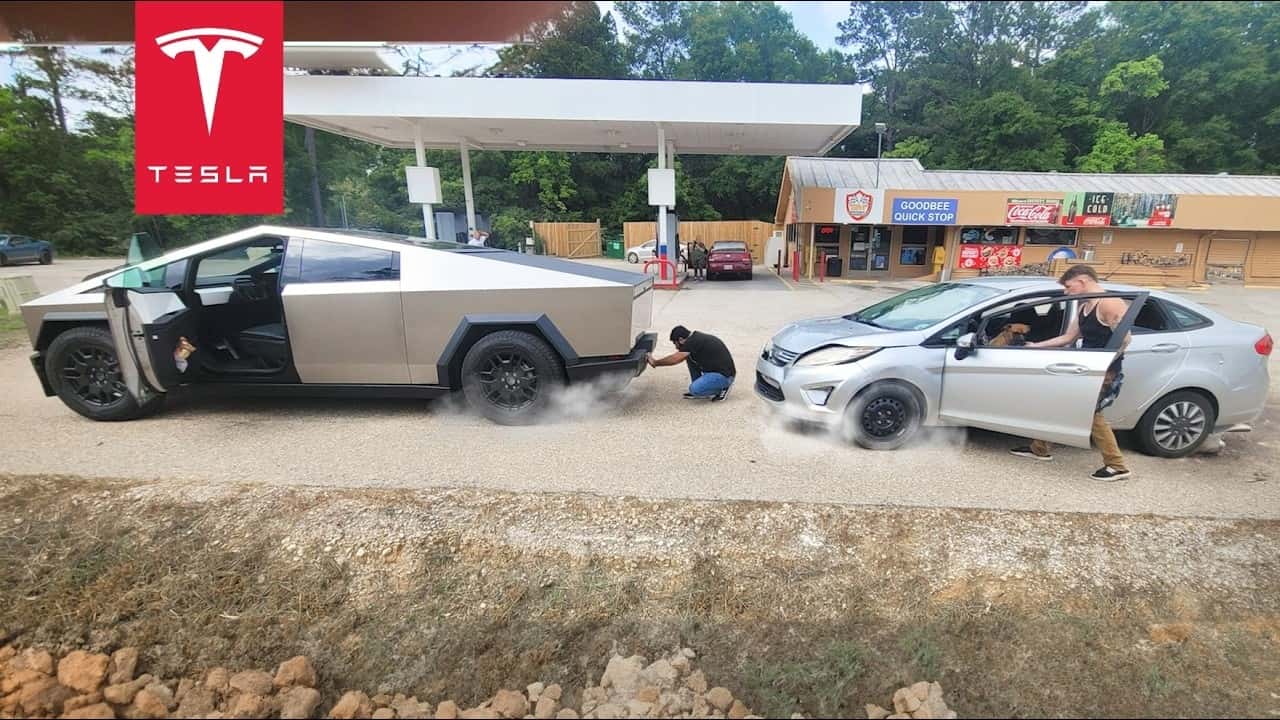
Here’s How The Tesla Cybertruck’s Rear Bumper Holds Up In A Crash
The Cybertruck owner fixed a crack on the plastic rear bumper (the only damage from the crash) himself.

New electric cars coming in 2025-2026
We’ve already brought you vehicles like the Acura ZDX, Honda Prologue, and Chevrolet Equinox EV. We’ve driven them, but now it’s time to preview vehicles we know to be in the pipeline, but haven’t had hands-on time with just yet.
These vehicles due in the next two model years represent the next wave: Those planned before $7,500 tax breaks and slowed growth in EV sales collided over the past year. It still represents a class of new vehicles set to supersede those that may have shared a name. Which will prosper—and which will not? We’re just as eager to find out as you are.
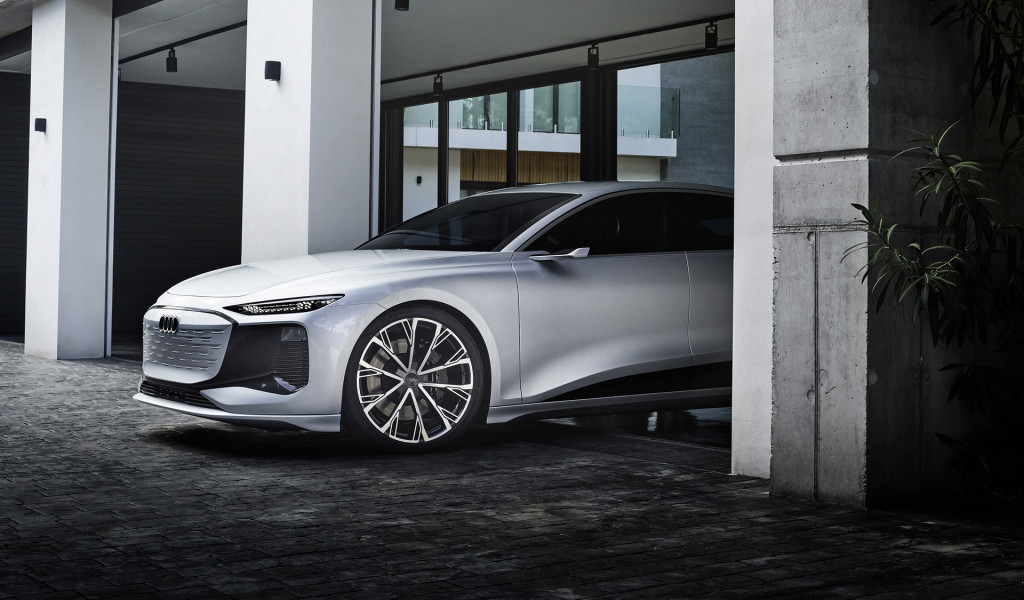
Audi A6 E-Tron
A midsize luxury sedan, the A6 E-Tron will square off against the aged Tesla Model S, in single- and dual-motor editions. A battery of about 100 kwh could deliver more than 300 miles of range and 800-volt technology promises fast charging.
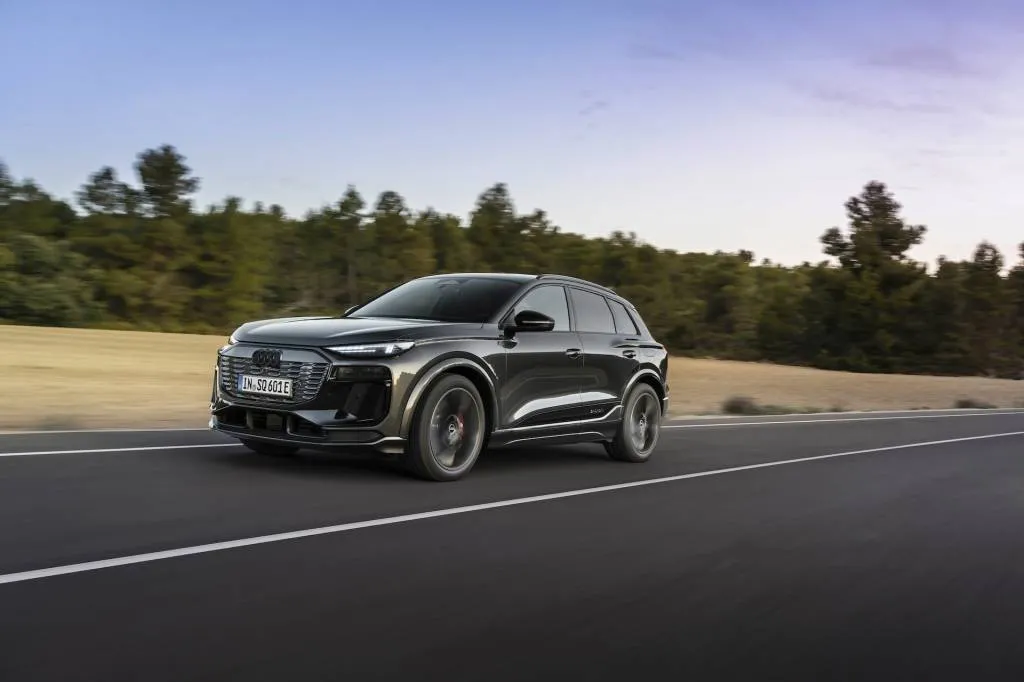
With a battery pack of 94.4 kwh (usable), the Q6 E-Tron subs in as Audi’s midsize SUV. Twin motors—140 kw in front and 280 kw in the rear—bring output to 422 hp. A “boost” mode delivers up to 456 hp. An SQ6 E-Tron drinks more battery juice to send up to 510 hp to all four wheels—for a 0-60 mph run of 4.2 seconds. An RS Q6 E-Tron is in the works.
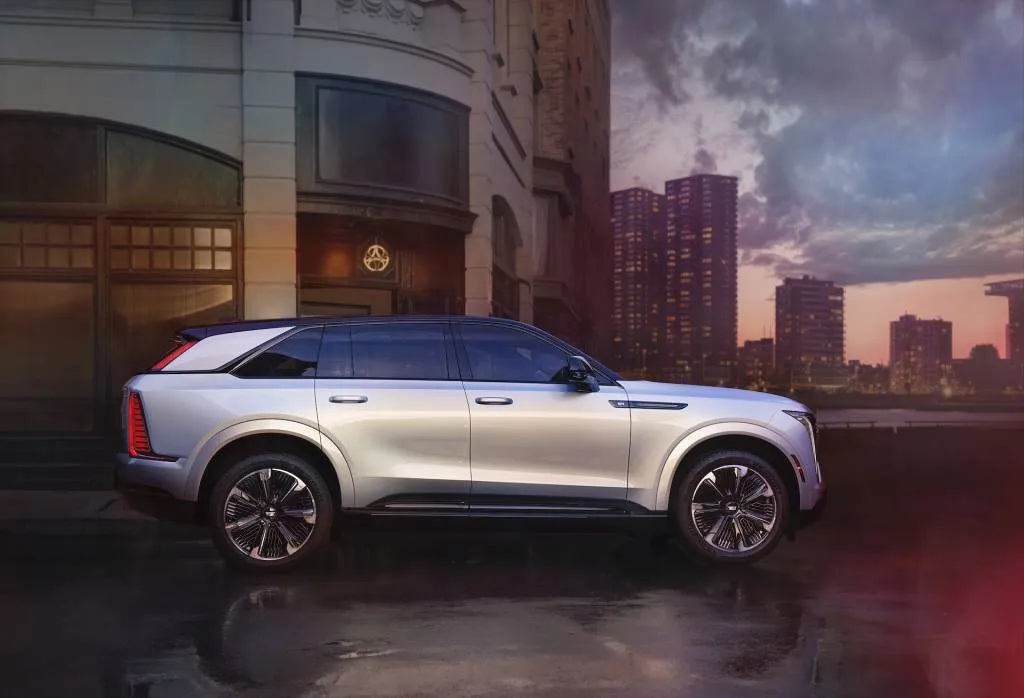
A part of the GM Ultium vehicle family that also includes the Chevy Silverado and GMC Sierra EVs as well as the Cadillac Lyriq, the big Escalade IQ SUV offers a range of up to 450 miles, a battery pack of more than 200 kwh, a vast interior screen that’s 55.0 inches wide, and a price tag near $130,000 when it starts issuing from GM’s Factory Zero.
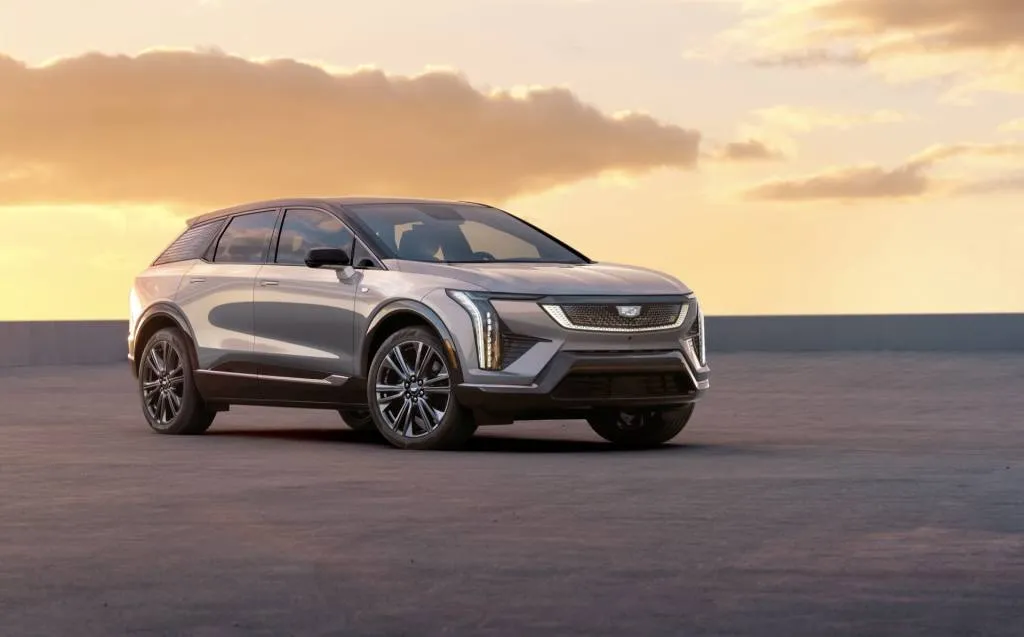
The small Cadillac EV SUV arrives this year with a price of about $54,000 and a range of around 300 miles. It may qualify for the $7,500 EV tax credit—which would bring the price in line with the gas-powered XT5.
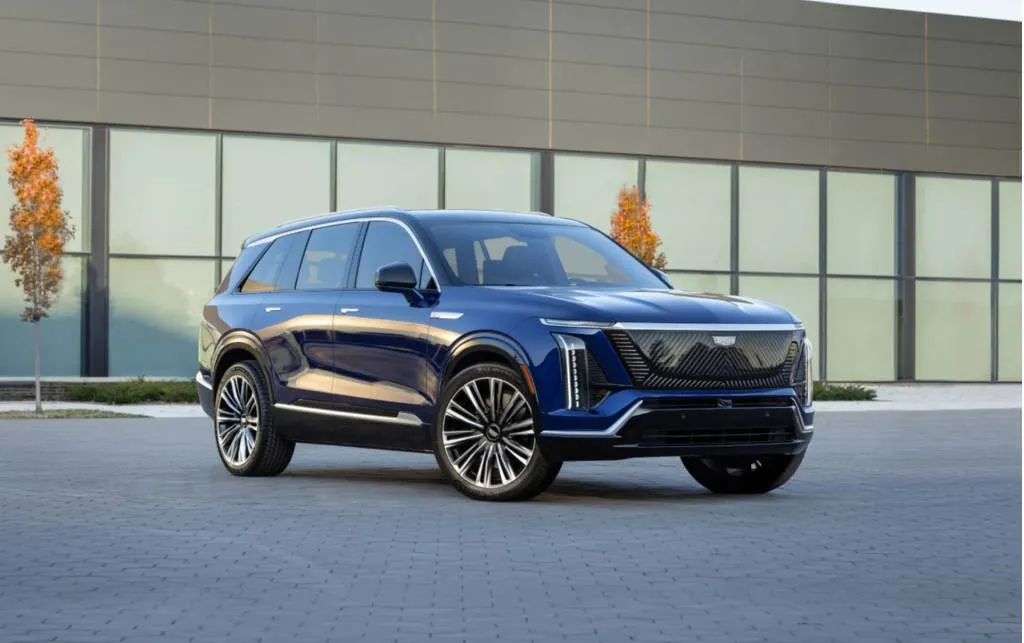
A bigger companion to the Optiq shows up late in 2024. The Vistiq slots between the Lyriq and the Escalade IQ, and shares the same underpinnings as the other large GM Ultium vehicles.
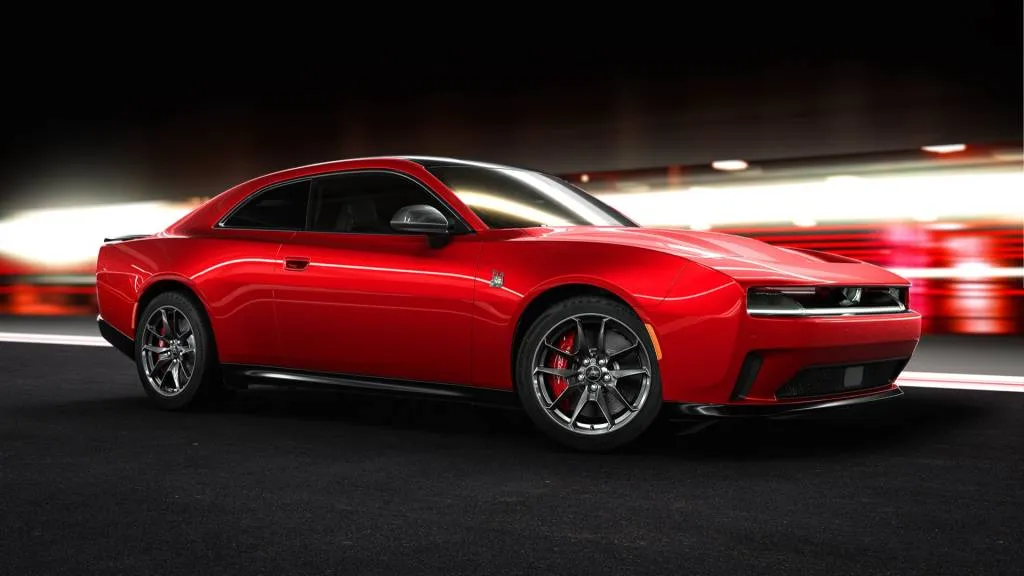
It’s all about PowerShots of battery energy and Fratzonic sounds. The Dodge Charger Daytona EV will be driven by a big battery pack and electric motors at each end, for standard all-wheel drive. This year, R/T and Scat Pack models get the PowerShot, a 15-second boosts of an extra 40 hp, activated via a steering wheel button. That enables it to drill to 60 mph in 4.7 seconds. The PowerShot-enabled Scat Pack edition spins out 670 hp and delivers a 0-60 mph time of 3.3 seconds. Dodge hasn’t settled on the final sound profile it’s programming into the Fratzonic system. It’s also wavered on the EV part: some new Chargers will be offered with a turbo-6 engine.
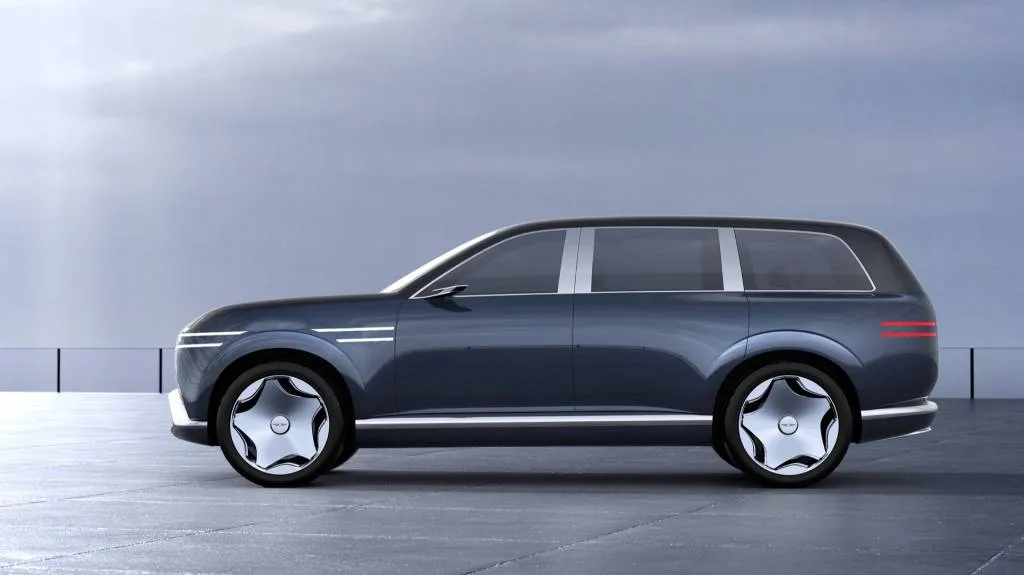
Genesis GV90 and Hyundai Ioniq 7
Hyundai and Genesis have large electric SUVs on the way. Both will share some origin stories with the excellent Kia EV9, which comes with either a 76.1-kwh battery and rear-wheel drive, or a 99.8-kwh battery and rear- or all-wheel drive. The best range for the EV9 falls in at 304 miles. More specs should be published soon, as both vehicles are expected to be on sale by mid-2025.
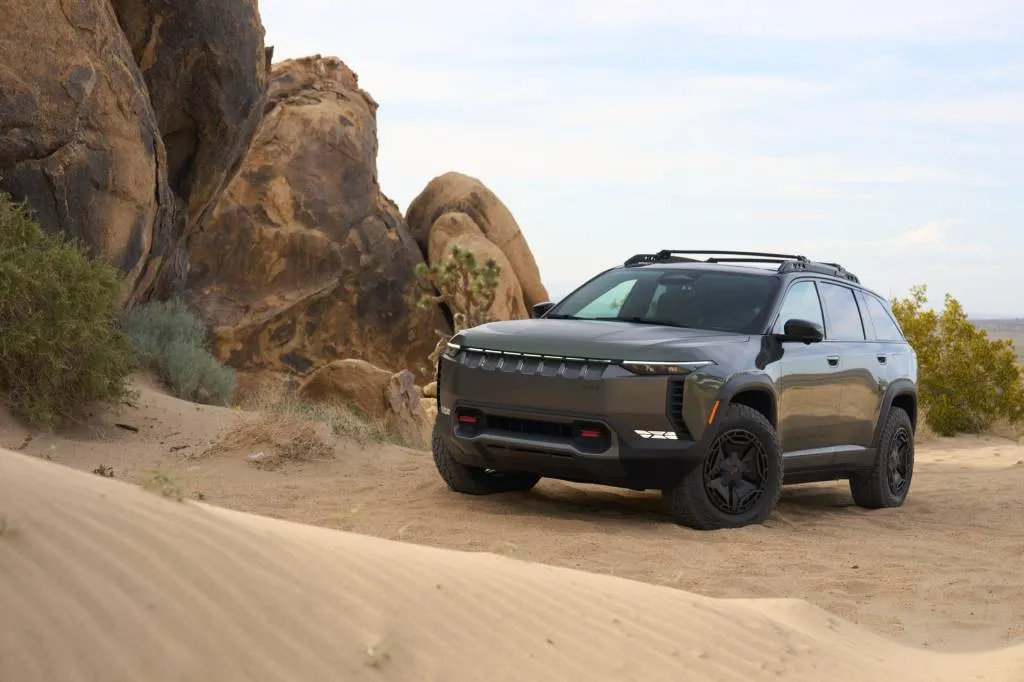
The Wagoneer S is Jeep’s forthcoming battery electric SUV. With a massive pack under the floor, it churns out 600 hp and 617 lb-ft of torque, for a 0-60 mph time of 3.4 seconds. Jeep promises EPA range will exceed 300 miles. Jeep has hinted that a range-extended Wagoneer S will be sold as well.
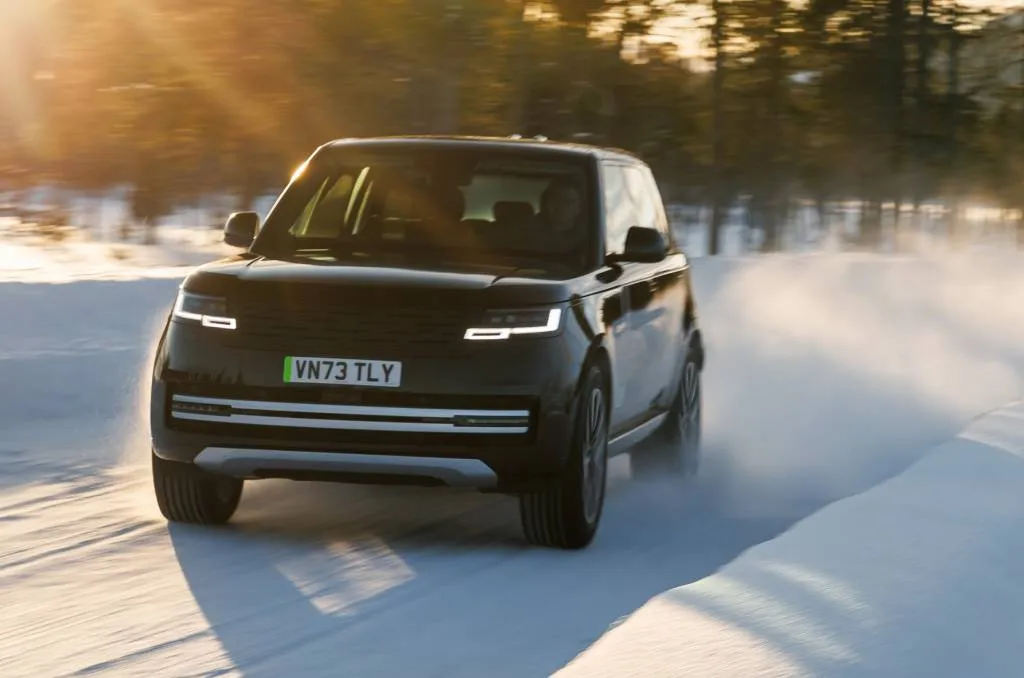
JLR Range Rover EV
The Range Rover Electric debuts late this year, with the same body structure as today’s Range Rover, but with an 800-volt electrical architecture, DC fast-charging, and support for over-the-air updates.
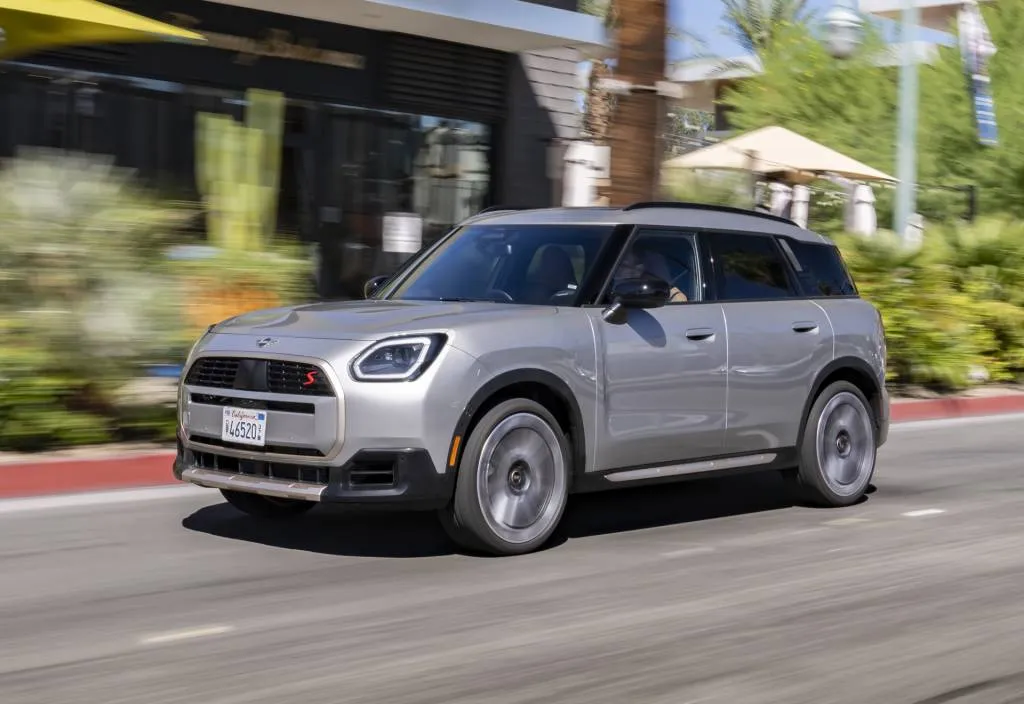
Mini’s next EV comes in the form of the Countryman Electric. It debuts later this year in the U.S., likely with a single motor and 204 hp or a dual-motor setup and all-wheel drive, with 313 hp. Range ratings aren’t expected to exceed 250 miles, if that.
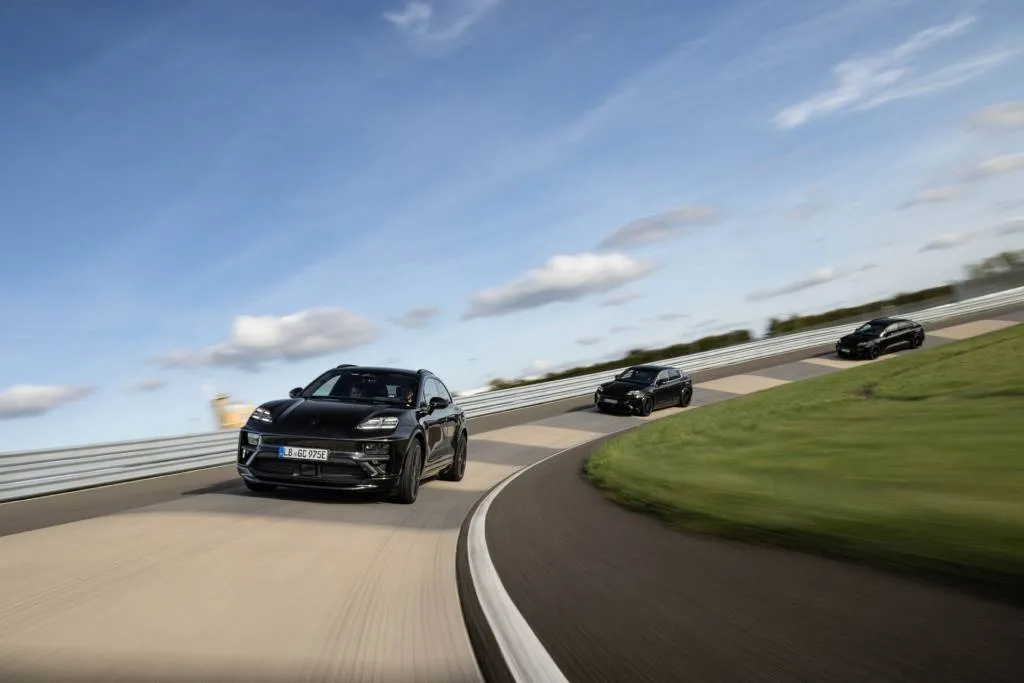
The Macan EV shares some architectural elements with the Audi Q6 E-Tron. All versions will come with two motors and all-wheel drive. Power outputs will range from 382 hp to 630 hp, with 0-60 mph ratings from 4.9 seconds down to 3.1 seconds in the Macan Turbo EV. Porsche will not deliver it with a one-pedal drive mode.
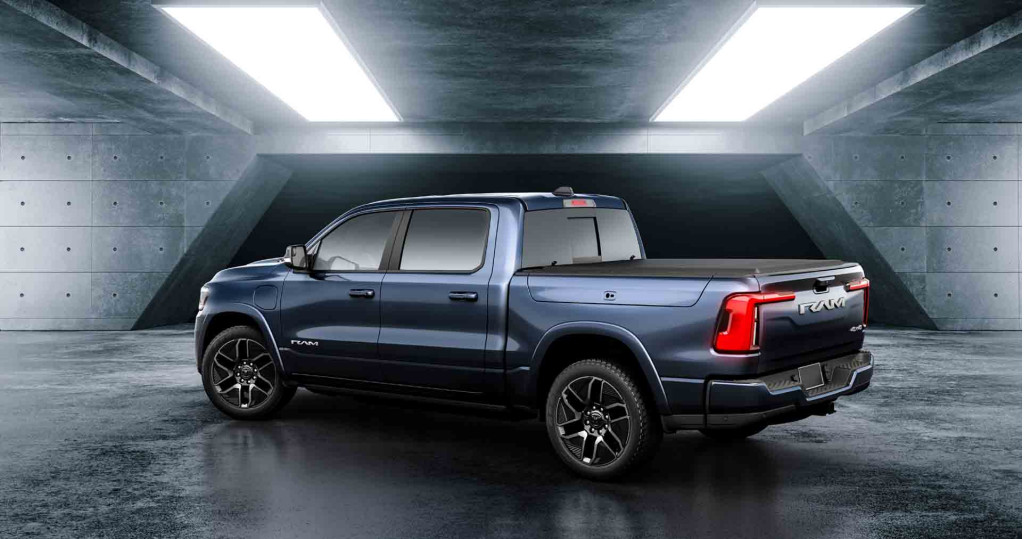
Ram 1500 REV
The Ram 1500 REV spins Stellantis’ large-EV architecture into a pickup body style with an available 229-kwh battery and a targeted range of up to 500 miles. Lesser editions sport a 168-kwh battery pack, which Ram says could deliver up to 350 miles of range. Towing should check in at up to 14,000 pounds—versus the 10,000-pound ratings of rivals Ford F-150 Lightning and Chevrolet Silverado EV.
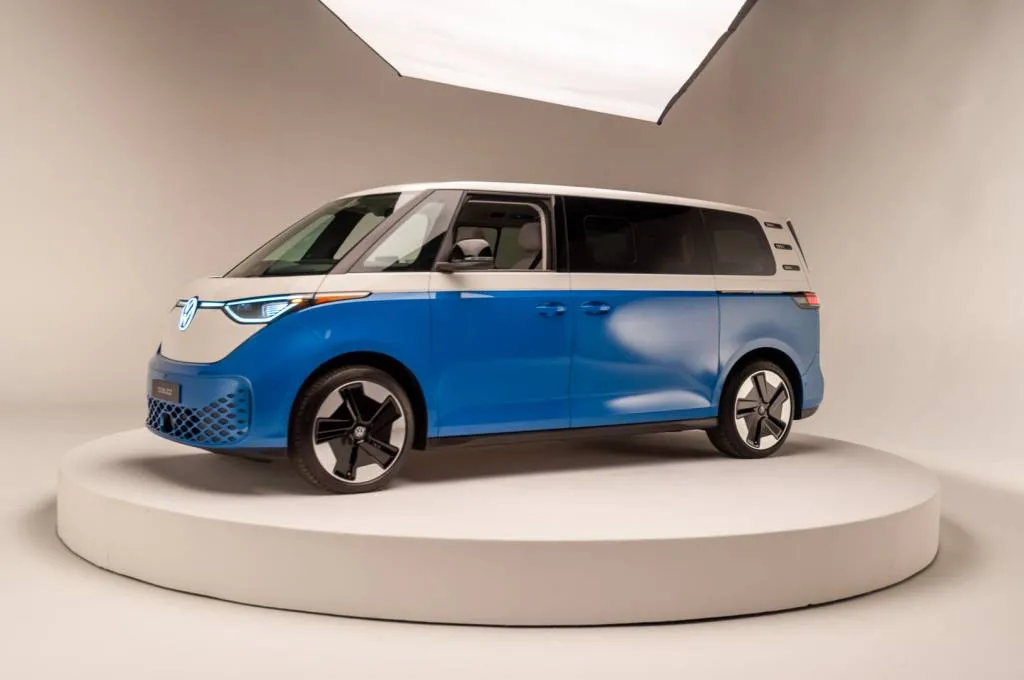
VW’s long-in-gestation Microbus successor finally arrives this fall, with a longer wheelbase and bigger battery pack than early Euro versions. The size of Tesla’s Model X, the ID.Buzz will be priced north of $50,000—at least.
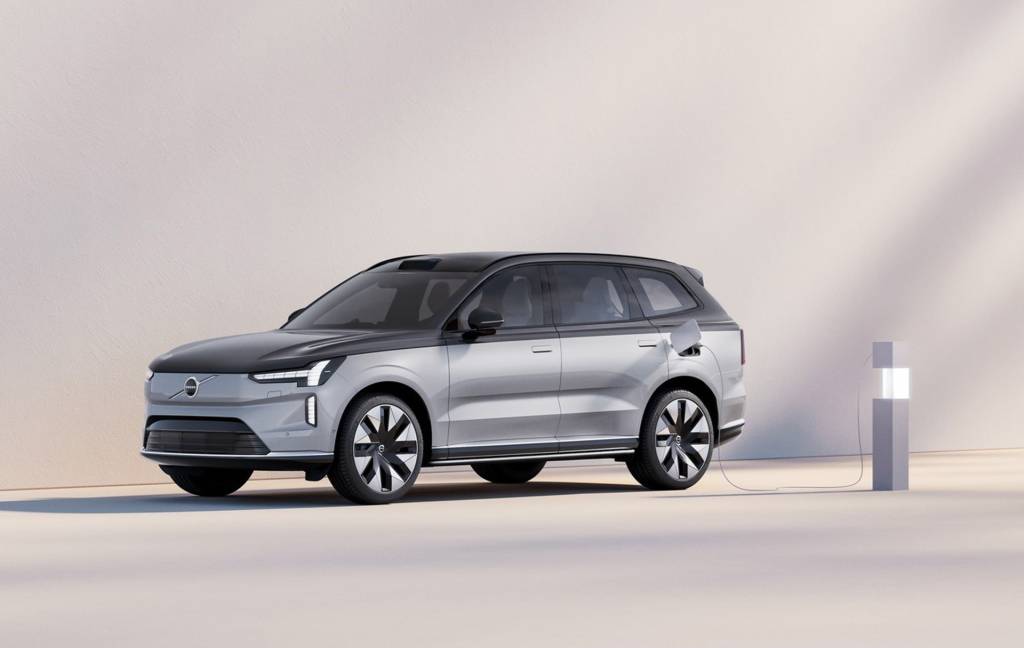
Volvo will finally launch the EX90 this summer. With a base price of $77,990 and seats for seven, the EX90 may qualify for some federal tax incentives. Dual-motor all-wheel drive is standard, with up to 496 hp and 0-60 mph times in the 4.7- to 5.7-second range. Top models get an air suspension, massaging front seats, and a wool-blend upholstery, as well as 25-speaker Bowers & Wilkins surround sound.


Audi E-Tron GT recalled for brake hose tear
- Most Audi E-Tron models are being recalled for a brake hose tear risk
- The same recall was issued for most Porsche Taycan models
- The recall affects the 2022-2024 E-Tron GT and RS E-Tron GT
Audi is recalling 9,653 E-Tron GT models to replace front brake hoses that could tear and leak fluid.
The recall encompasses both standard E-Tron GT and sporty RS E-Tron GT sedans from model years 2022-2024. The affected vehicles may have front brake hoses that can’t stand up to the bending and deflection inherent in normal operation, according to the National Highway Traffic Safety Administration (NHTSA). This can can cause cracks in the fabric material of the hoses, leading to brake fluid leaks.
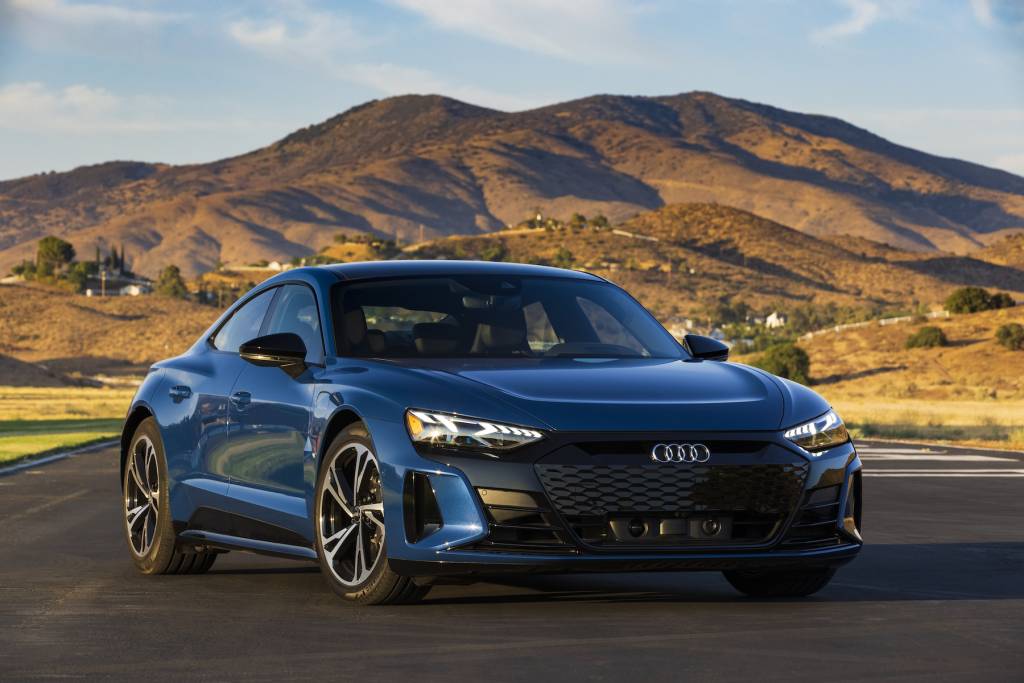
2024 Audi e-tron GT
If this condition occurs, drivers may notice longer brake pedal travel, or see a dashboard warning light, Audi said, adding that while it has received two warranty claims related to this problem, it is unaware of any related crashes or injuries.
Audi dealers will replace the front brake hoses free of charge. The automaker expects to mail owner notification letters on August 16, 2024. Owners can visit Audi’s recall page or contact Audi at 1-800-253-2834 and reference recall number 47UP, or contact the NHTSA at 1-888-327-4236 and reference recall number 24V465000.
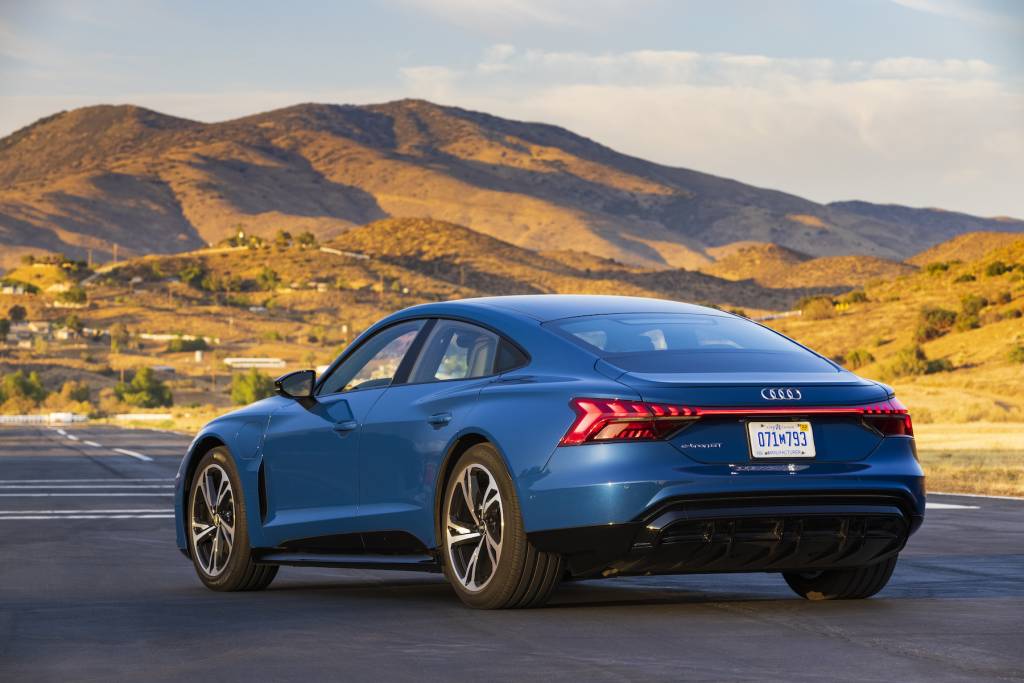
2024 Audi e-tron GT
The related Porsche Taycan, which shares the E-Tron GT’s J1 platform and 800-volt electrical architecture, is also being recalled for front brake hoses that can crack and leak. Porsche is recalling 31,689 cars from model years 2022 to 2025. It’s also replacing front brake hoses free of charge.
The E-Tron GT launched for the 2022 model year and gets an update that boosts efficiency and range. Audi is also reshuffling the lineup, dropping the base E-Tron GT and replacing with a new S E-Tron GT grade. That leaves the RS E-Tron GT as the middle child, with a new RS E-Tron GT Performance grade above it. Launch timing for the U.S. will be announced later this year.