
Author: EVAI

Nissan sees lots of crossover between Formula E, production EVs
- Nissan plans to bring its e-4orce AWD tech into Formula E
- Formula E may in turn become a testbed for performance AWD
- Battery tech will stay divergent between production and racing
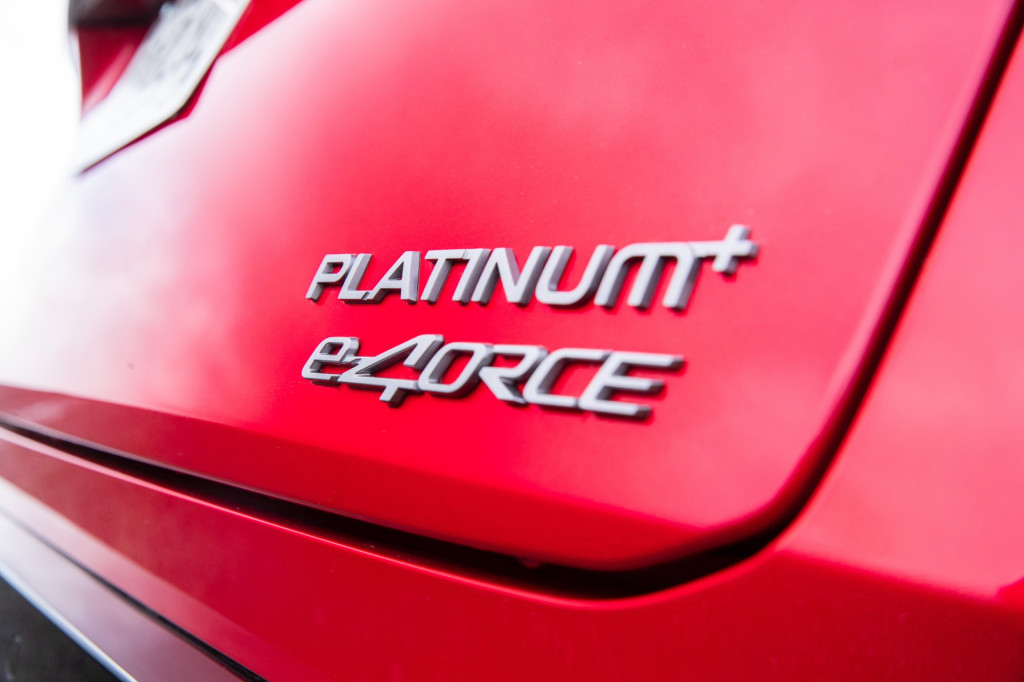
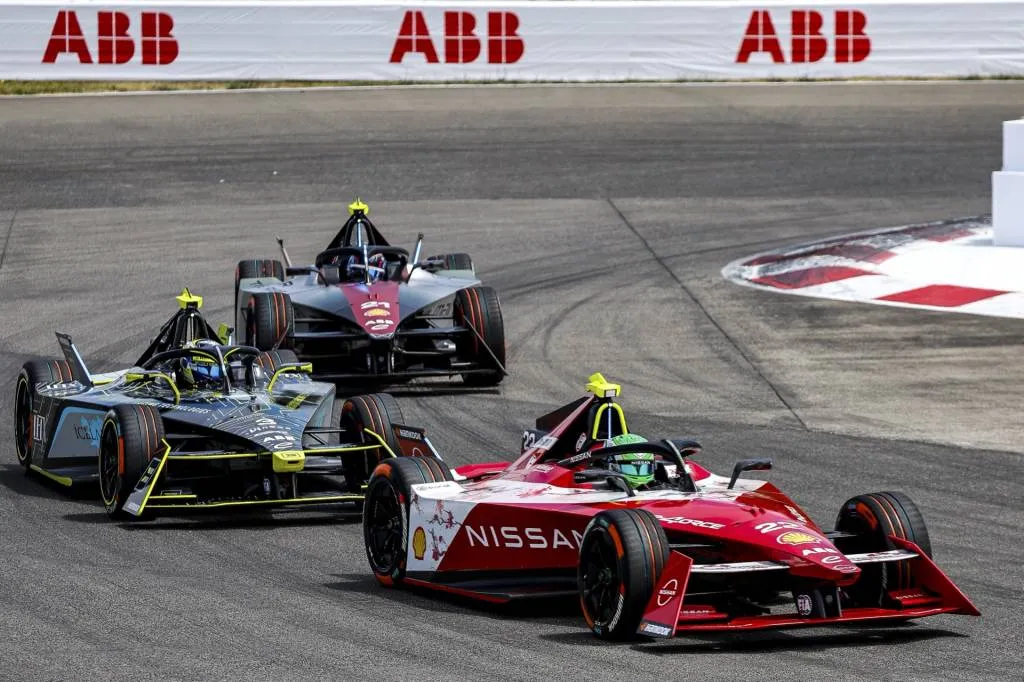
Nissan’s Formula E race car is wearing the e-4orce badge for the first time this 2023/24 season.
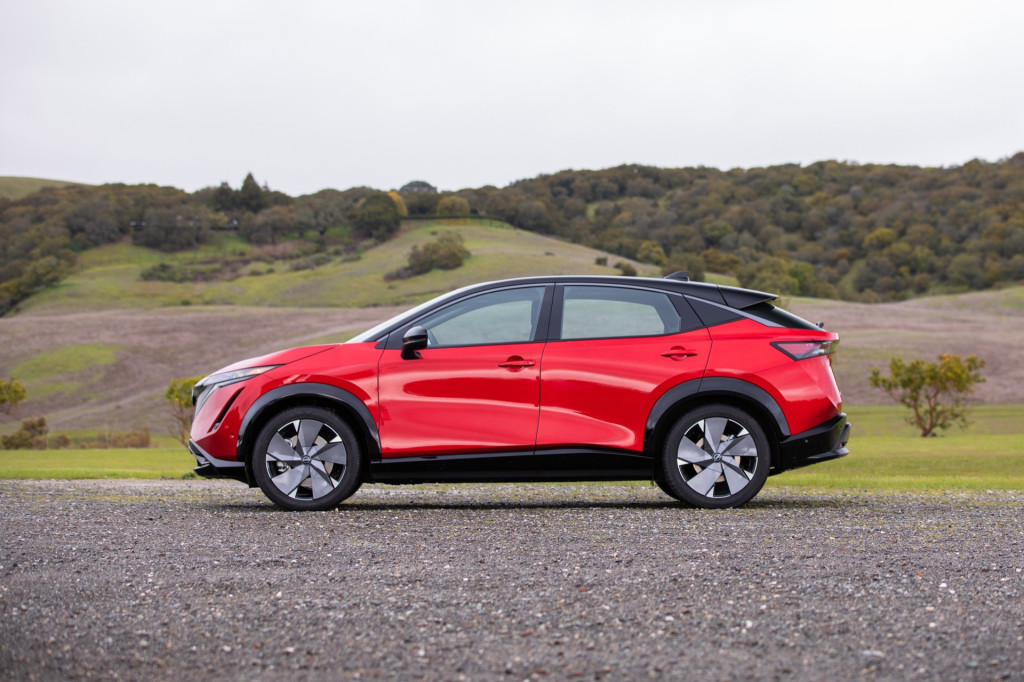
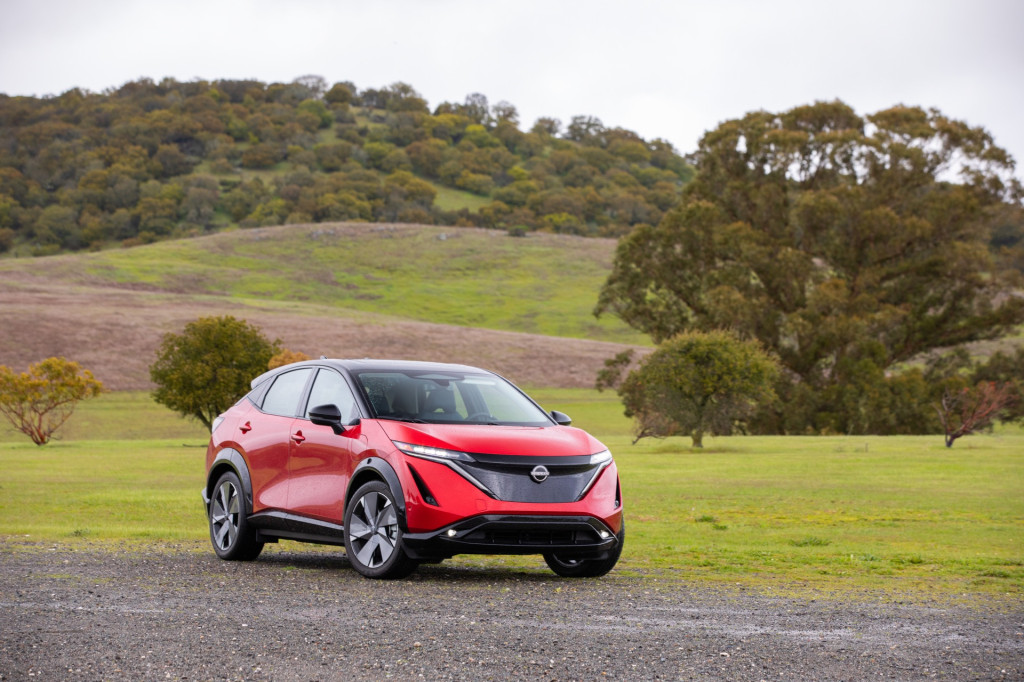
Yes, that’s the same badge you might find on a 2024 Nissan Ariya—a badge that you’re likely to see much more of on performance-focused Nissan EVs in the future.
While Nissan’s street cars and race cars have little in common today, Nissan sees them potentially meshing more in the future—and learning from each other, as Green Car Reports learned in a conversation with Nissan Formula E team principal Tomasso Volpe at last weekend’s Formula E race in Portland.
Volpe likened his job to being the CEO of a company while also implementing all the supporting operations. And he actually sees Nissan’s Formula E and production Nissan EV programs getting closer together.
This top-level view may not be so surprising considering his employer stands in stark contrast to a line of naysayers who’ve dropped out of Formula E, like BMW, Audi, and Mercedes. Nissan this spring became the first manufacturer to sign up for Formula E’s Gen 4 era, which will run through 2030.
2023 Nissan Ariya e-4orce
2023 Nissan Ariya e-4orce
2023 Nissan Ariya e-4orce
Efficiency and regen are at the core
Everything changed already from Gen 2 into Gen 3, as the cars became lighter, faster, and much more powerful, with up to 600 kw of brake recuperation thanks to the inclusion of new front motors—already used for that, but due to be employed for forward motion in a Gen 3.5 upgrade next season.
Volpe told Green Car Reports that first and foremost, what the team has already learned in more than a season of the Gen 3 car, ahead of those changes, is how to manage vehicle dynamics and energy use and recovery together. With regenerative braking, and a strategy around it, built into the race, if you were not regenerating at all, you would finish around 60% of the total race length.
“Where we have improved a lot is in the management of the vehicle efficiency—what you can achieve with all the software tools that you develop, and the control systems for the vehicle dynamics,” said Volpe. “Configuring the dynamics has improved a lot. It’s not that we’ve found more energy, it’s that we use energy much better.”
“Yes, we put e-4orce on the car already this year to start promoting it, to be honest; it’s a branding exercise,” Volpe admitted. But he quickly added: “Next year there will be moments where you can use all-wheel-drive technology in the car, and for that, yes, we are using some expertise from Nissan.
Nissan Formula E car, at Portland, 2024
Ariya e-4orce schools Formula E…which schools future GT-R?
“So we have some of the engineers who have developed e-4orce to advise us how to use all-wheel drive in the most efficient way…how to maximize the efficiency of the all-wheel drive,” he explained.
For now, Formula E cars don’t even use the front motor for tractive (forward) power yet. But they do use it for regenerative braking—and Nissan is already able to tap into some of its chassis know-how in that respect.
Nissan has emphasized that e-4orce was derived from work that started with its GT-R supercar. Likewise, senior VP and chief planning officer Ponz Pandikuthira confirmed to our companion site Motor Authority that Formula E will serve as a testbed for next-gen GT-R development.
Next year will bring some control strategies gleaned from the dynamic control of regenerative braking, used in Nissan production models like the Ariya employing e-4orce. Hardware-wise, a new gearbox will be “massively improved, thanks to some ideas and solutions suggested by advanced R&D in Japan,” and that will bring the team another boost in performance and efficiency.
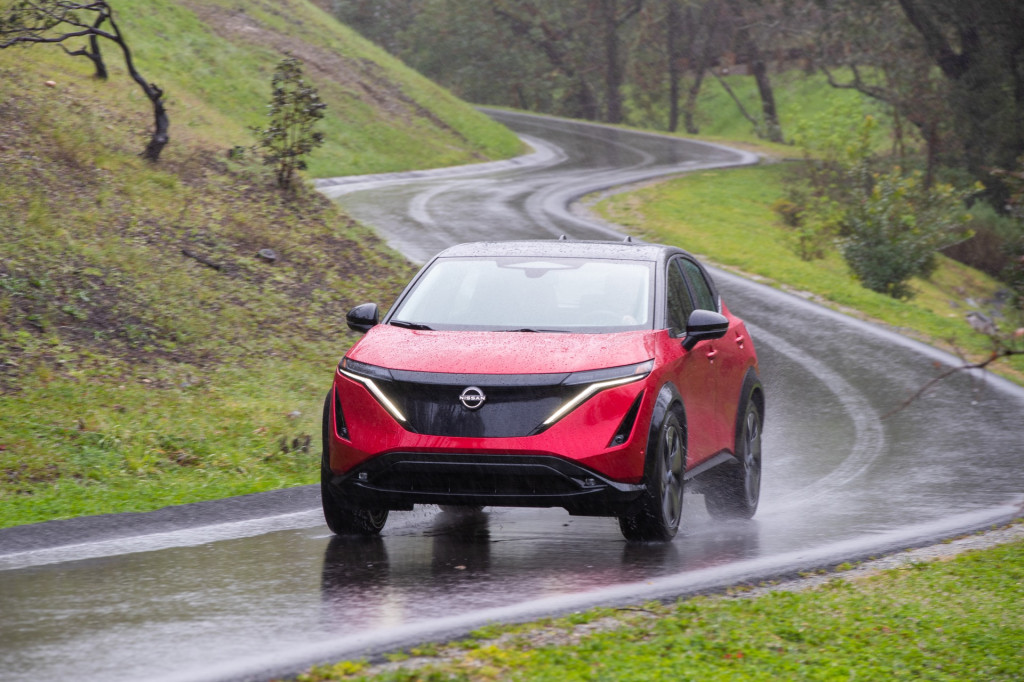
2023 Nissan Ariya e-4orce
And then comes Gen 4, which is expected to introduce constant all-wheel drive, whereas Gen 3.5 will offer traction from the front wheels some of the time. “So for us we can apply e-4orce for all of the race then, and for us all-wheel drive is a fundamental technology for electric vehicles,” said Volpe.
Chassis control and dynamics as it relates to that are part of Nissan’s core business, he says, so having an all-wheel-drive vehicle will give Nissan the opportunity to transfer a lot more knowledge both ways.
Real-world crossover for Formula E
While this sounds like a quite harmonious meshing of racing, R&D, and EV development—one that Porsche, for instance, also sees—that’s not the way that several other big automakers have gone. Audi, BMW, and Mercedes were among the automakers exiting Formula E just before the current Gen 3 arrived for the 2022-2023 season.
Each of these automakers had a range of reasons, but at one point or another, each has ultimately suggested that there was a relatively low level of technology transfer back to production vehicles. After seven years in Formula E, BMW sounded the most pessimistic on the prospects when it announced it would be dropping out after the 2020-2021 season. “When it comes to the development of e-drivetrains, BMW Group has essentially exhausted the opportunities for this form of technology transfer in the competitive environment of Formula E,” the company said.
Audi confirmed its departure a short time later, in 2021, and pointed to other types of motorsport, like the Dakar Rally, as a way to “further develop our expertise in the field of electric mobility under extreme conditions,” and Mercedes merely noted that the decision was made to refocus resources on EV development.
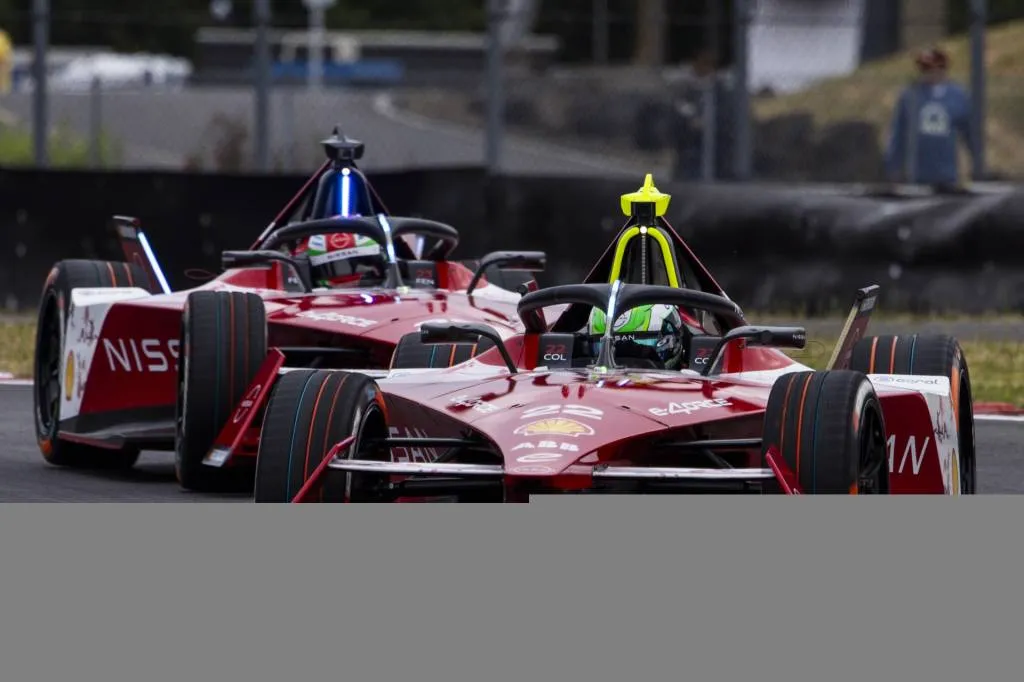
Nissan Formula E car, at Portland, 2024
Battery tech has to be very different
Not every technology here is relevant to production EVs—even performance ones—the team boss admits. The battery is the obvious example, because it’s such a different use case. Getting through the race without a component failure is the objective, not getting the battery pack to last 150,000 miles or more as in a production EV.
Although even here there may be some lessons good for taking to EVs set to claim track time. “The main issue that we have with the battery is the temperature, and to try to get the battery always in the right window to make sure we use most of the energy in the most efficient way. This is the main challenge when it comes to the battery more than anything else; the rest is quite consistent in the BMS.”
Formula E teams operate under a different set of priorities. They can run the battery all the way up to 73.5 degrees C and still be reasonably efficient in extracting energy from it, but they’d better be sure the temp won’t keep rising, because at 74 degrees it’s dead and won’t be revived for the race. With around 55 degrees on up considered the ideal range for the battery, the teams and Formula E itself come up with a strategy on where to start—specifically, 42-45 degrees for last Saturday’s race that the pit crew was then preparing for.
Volpe noted that sometimes within Formula E races you see cars with a higher percentage of energy left at the end of the race, while they hadn’t actually been pushing so much to recover positions in the last few laps. That’s a signal the battery temperature wasn’t managed well.
On the other hand, engineering insights from the inverter, gearbox, and motor can all be useful for production models. So can insights from advanced materials like carbon fiber.
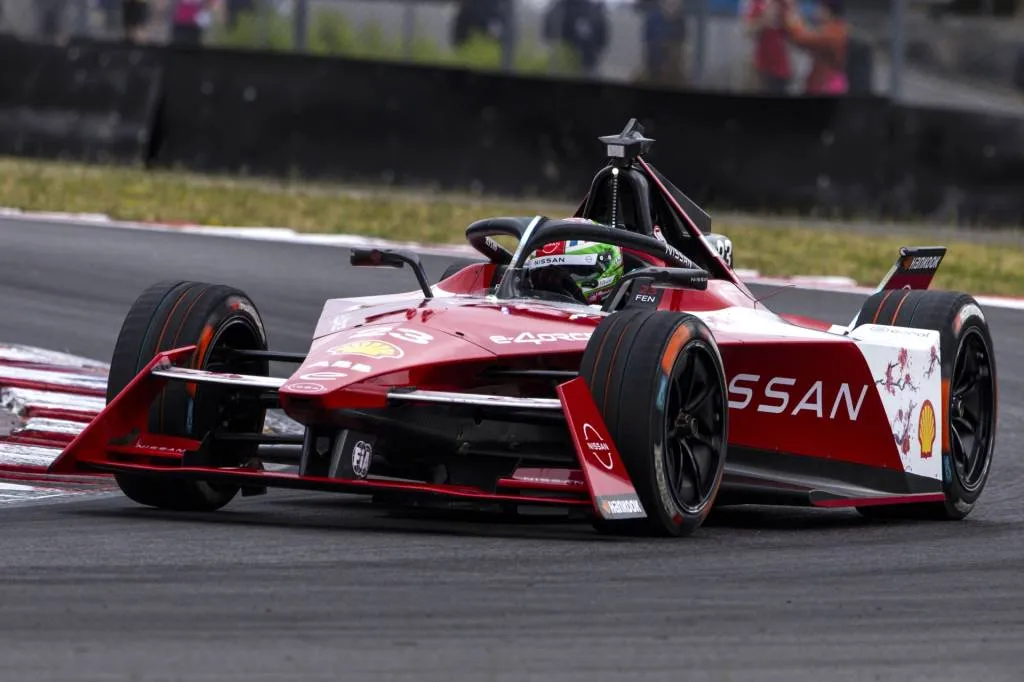
Nissan Formula E car, at Portland, 2024
Formula E leaning on software for gains, drivers for wins
This year, the big efficiency gains are software ones, according to Volpe. Energy management software is giving the team a much more sophisticated tool to use during the race, for better dynamic optimization of power delivery and regen.
“By regulation, in theory, you could rewrite the whole software of the car from one race to another. Of course the core software stays the same, but there are little tools we use; some are tools that connect to the software in the car and these are continuously updated.”
Nissan’s engineers like to think that they have a new version of the software for every single race. But it does need to be set in advance of the race itself. The FIA reviews the entire code, except for offline tools and whatever is used for data analysis.
But so much of it in Formula E still rests on the driver—as seen at Portland where the outcome of the race came down to simple driver error and one not quite following the racing line he’d intended, clipping the grass, and spinning out.
I’ll leave you with a picture you’ll just have to imagine, as inside the workings of its pit crew Nissan doesn’t allow snaps: On site, at pit lane and just out of view of the normal pit-lane tours, Nissan gave me a brief glimpse of a control room full of screens and people looking at layers of data, including driver simulations and heat maps. Meanwhile, a team in Paris is also diving into data and advising on various scenarios.
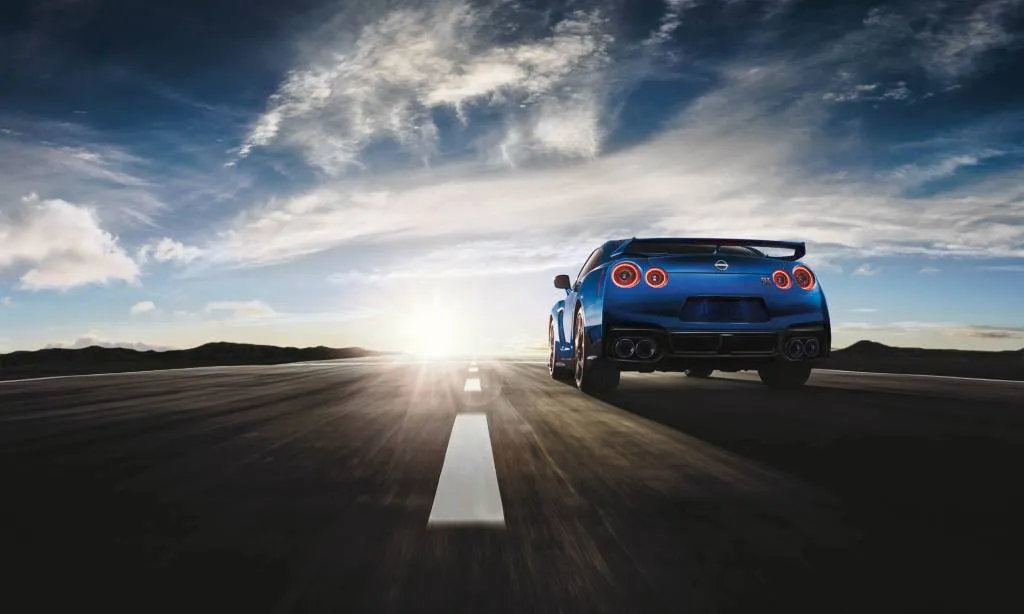
2024 Nissan GT-R Skyline Edition
From Portland to Paris to Yokohama, Formula E seems to be working for Nissan as a remote testbed—and for Jaguar Land Rover, which has claimed real EV range gains from Formula E tech.
As I left pit lane I pondered: If those other automakers are getting what they need from F1, what technology, like solid-state batteries or deeper simulation tools, will it take to get them back on board with Formula E? The race is on, but not everyone sees themselves in the same race.

Honda Pilot vs. Honda Passport: Compare Crossover SUVs
 With two crossover SUVs in the midsize and large segment, Honda has tried to capture drivers who might be steered toward the likes of a Ford Explorer or Toyota Highlander. But there’s a dividing line between the brand’s own offerings, and the choice is up to you: will it be the three-row, eight-seat 2025 Honda Pilot, or the five-seat…

2026 Volkswagen Atlas caught on video
 Volkswagen has been spotted testing a prototype for a redesigned Atlas, and the new midsize SUV already appears to be at a late stage of development. It’s expected to debut next year as a 2026 model for the U.S. The current Atlas has been on sale since the 2018 model year, and its sales have averaged more than 60,000 units annually. Given the…

DOE: Pickups could save the most on fuel as EVs vs. gasoline
Pickup truck drivers stand to save the most by going electric, according to the U.S. Department of Energy (DOE).
Pickups tend to be bigger than other vehicle types, meaning they use more energy and thus offer greater potential for savings when the cost of that energy is reduced, the DOE recently noted. And reducing consumption of gasoline or diesel is a virtual guarantee of reducing those energy costs.
That’s illustrated by data from Argonne National Laboratory, which estimated cost savings for replacing a gasoline vehicle with a similar-sized EV or plug-in hybrid on a ZIP code level. Across ZIP codes, pickup trucks had the greater potential for savings, followed by vans and SUVs.
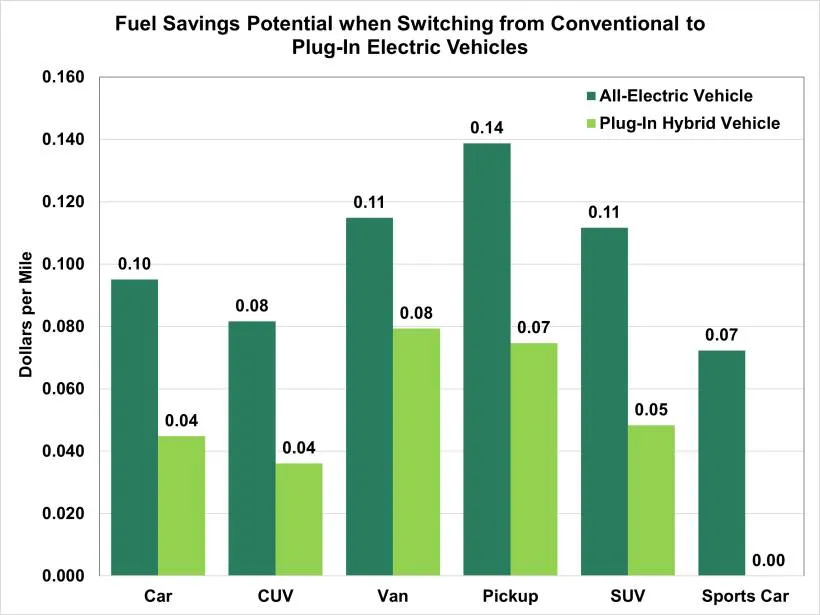
Fuel-savings potential when switching to EVs or plug-in hybrids (via DOE)
And the greater the level of electrification, the greater the savings, according to the DOE, noting that an all-electric vehicle of the same size is estimated to achieve greater cost savings than a plug-in hybrid.
Consumer Reports has also crunched the numbers and underscored higher potential savings for electric trucks and SUVs. In many cases, electrification likely won’t require huge concessions either. A 2022 study found that more than half of pickups could be replaced with electric (on a use cycle basis)—again, with massive cost savings.
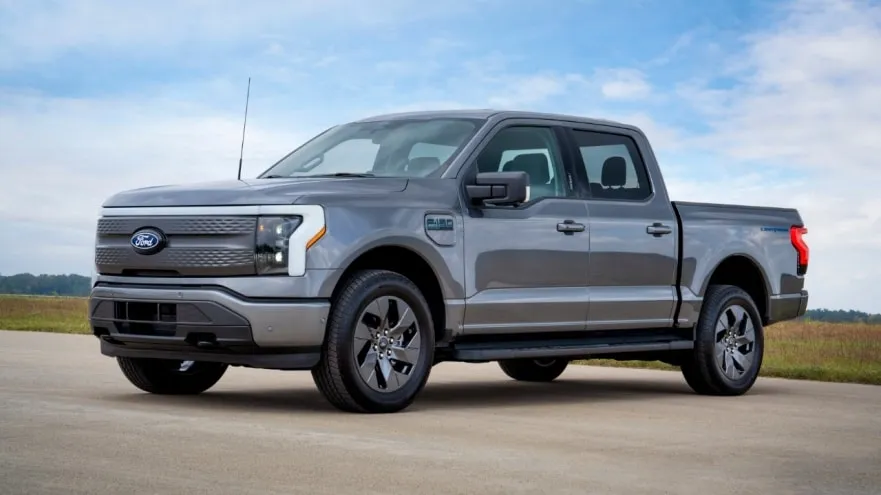
2024 Ford F-150 Lightning Flash
Such findings do come with some caveats, though. As a comprehensive DOE study in 2020 underscored—still true today—EV costs vary widely depending on where you charge the vehicle and how you charge it (i.e., using a public charger or home charger).
The purchase prices of new electric trucks are also relatively high. As of yet, low-priced fleet versions of electric trucks—versions of the Ford F-150 Lightning and Chevrolet Silverado EV, for instance—have been few and far between.

Toyota Grand Highlander vs Toyota Highlander: What’s the difference?
 With the launch of the 2024 Toyota Grand Highlander, Toyota now has as many three-row SUVs as they have rows: three. Considering the Sienna minivan, the full-size Sequoia SUV, the Grand Highlander, and the smaller Highlander, Toyota offers a family of vehicles for shoppers in the family way. The Grand Highlander might be the best. Larger, wider…

2024 F1 British Grand Prix preview: End of triple-header
 The 2024 Formula 1 World Championship heads to the U.K. this weekend for the British Grand Prix. The race, which serves as round 12 on the current calendar, marks the end of a triple-header that also included races in Austria and Spain. The British Grand Prix’s current home is the Silverstone Circuit, an iconic circuit with several high-speed…

National Corvette Museum opens sinkhole exhibit 10 years later
 Exhibit showcases five Corvettes rescued from a sinkhole that opened 10 years ago National Corvette Museum in Bowling Green, Kentucky, sits on top of a vast cave system 2001 Mallett Hammer Z06 on display remains in its mangled condition On a quiet morning well before the National Corvette Museum in Bowling Green, Kentucky, opened for business, the…

2027 Mercedes-AMG GLE 53 Coupe spied with updates
 Mercedes-Benz is in the midst of developing an update for its GLE-Class range, and a prototype for the updated version of the GLE 53 Coupe from AMG has been spotted for the first time. Earlier shots showed prototypes for the regular GLE-Class and regular GLE-Class Coupe. The updated range is expected to start sales in 2026, meaning they will…

2025 GMC Sierra 2500
 What kind of vehicle is the 2025 GMC Sierra 2500HD? What does it compare to? The Sierra HD is GMC’s line of heavy-duty pickup trucks, available in 2500 and 3500 configurations. They compare well to the similar Chevy Silverado HD, plus rivals like the Ford Super Duty and Ram HD. Is the 2025 GMC Sierra 2500HD a good truck? The Sierra HD lineup…

Fisker trying to sell Ocean EVs for $14,000
Fisker has asked the judge overseeing its Chapter 11 bankruptcy proceedings for permission to sell remaining Ocean electric SUVs to a leasing firm at a fraction of their original price, Reuters reported Wednesday.
The company hopes to offload 3,321 Oceans to American Lease at a price of $14,000 each, according to the report, which cites a court filing. On May 30, two weeks before Fisker filed for bankruptcy protection, American Lease had offered to buy 2,100 vehicles, according to the report, later upping the offer to the current number of vehicles, which reportedly represents all Ocean SUVs ready for sale.
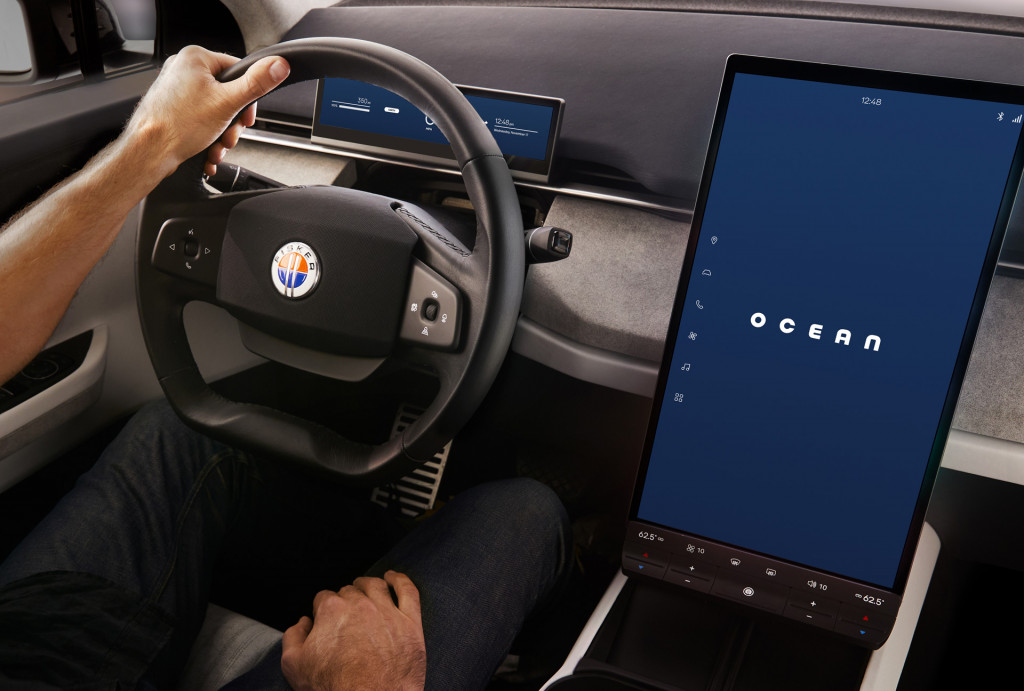
2023 Fisker Ocean
The Ocean originally had a starting price of $38,999 for the base Sport grade, with Ultra and Extreme versions priced at $52,999 and $61,499, respectively. However, Fisker in March slashed prices by up to $24,000 and asked contract manufacturer Magna to pause production in order to drawn down inventory.
Ocean production started at Magna’s facility on Graz, Austria, in November 2022, but deliveries didn’t start until six months later. The first cars reached U.S. customers in mid-2023. Even that slow rollout didn’t give Fisker time to address numerous quality issues with its first EV, though.
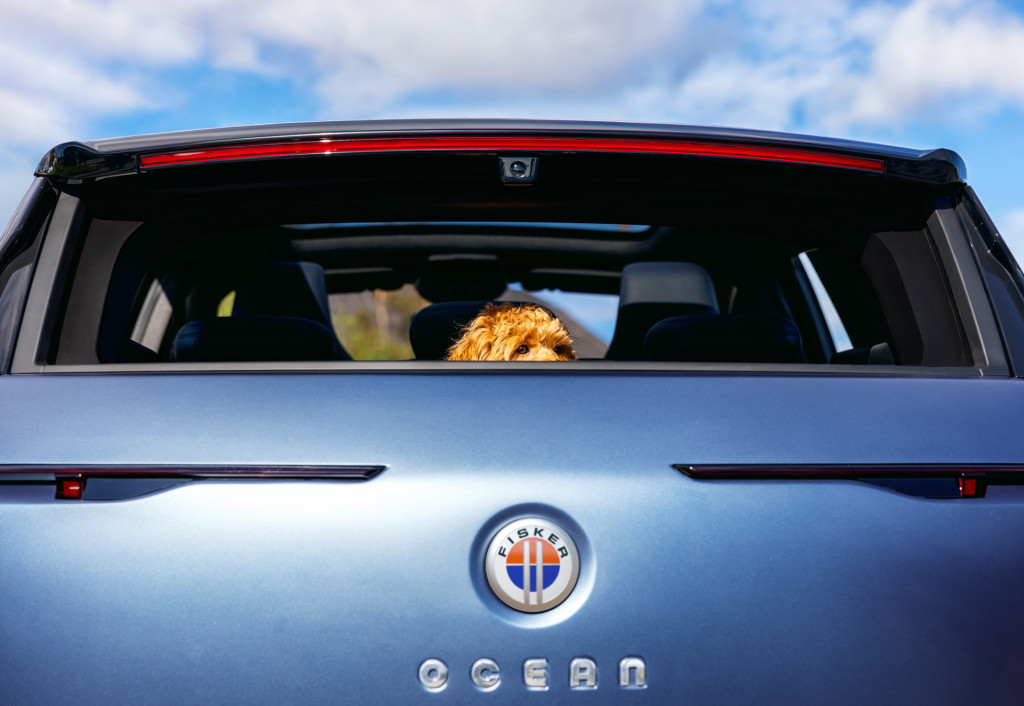
2023 Fisker Ocean
Fisker issued three recalls for the Ocean last month alone, including one for a “malfunctioning mechanism” that could cause exterior door handles to stick and fail to open. That recall includes 8,204 vehicles in the U.S., indicating the slow pace of deliveries.
Even as cash began running out in the final months before bankruptcy, Fisker continued discussing ambitious plans to shift to a franchised dealership model and launch additional EVs, including the more affordable Pear, the Alaskan pickup truck, and the Ronin convertible. A buyer with deep pockets could potentially revive those models.